
Hello dear friends,
I hope this Blog finds you in a cheerful mood.
India is a land of festivals, traditions, and colourful celebrations. Among them, Diwali holds a special place in our hearts. Popularly known as the Festival of Lights, it celebrates the eternal victory of good over evil, light over darkness, and knowledge over ignorance.
Most of us associate Diwali with the return of Lord Rama to Ayodhya after fourteen years of exile and his victory over Ravana. According to tradition, the people of Ayodhya illuminated their homes with countless diyas to welcome their beloved king.
But did you know that Diwali has several fascinating stories and traditions beyond this familiar legend?
Let’s explore some lesser-known aspects of this beautiful festival.
❤️ One Festival, Many Stories
Diwali is celebrated differently across India, and every region has its own fascinating connection with the festival.
In West Bengal, Odisha, and parts of eastern India, Diwali coincides with Kali Puja. Devotees worship Goddess Kali, symbolising the destruction of evil and the protection of righteousness.
In South India, Naraka Chaturdashi commemorates Lord Krishna’s victory over the demon Narakasura, representing the triumph of good over evil.
For Sikhs, the occasion coincides with Bandi Chhor Divas, celebrating Guru Hargobind Ji’s release from imprisonment along with 52 Hindu kings.
For Jains, Diwali marks the nirvana of Lord Mahavira, the twenty-fourth Tirthankara.
Isn’t it remarkable that one festival brings together so many stories of freedom, courage, wisdom, and spiritual awakening?
❤️ Diwali Is Also a New Beginning
Another interesting tradition is associated with Gujarat and several business communities.
Diwali marks the beginning of a new financial year for many Gujarati traders and businesspeople. They worship Goddess Lakshmi, close their old account books, and begin fresh financial records called Chopda Pujan.
The underlying message is beautiful: every ending offers an opportunity for a fresh beginning.
As an old saying reminds us:
“Every new beginning comes from some other beginning’s end.”
❤️ The Connection with Nature and Agriculture
Diwali has deep connections with India’s agricultural traditions.
Historically, the festival coincided with the completion of the monsoon harvest in many parts of the country. For farming communities, it was an occasion to express gratitude for nature’s generosity and pray for future prosperity.
In certain rural traditions, cows and cattle are bathed, decorated, and worshipped because of their importance in agricultural life.
Another fascinating celebration is Govardhan Puja, observed after Diwali. It recalls Lord Krishna lifting Govardhan Hill to protect the people of Vrindavan from torrential rains.
The story reminds us of our responsibility towards nature and the importance of respecting the environment.
❤️ The Five Days of Diwali
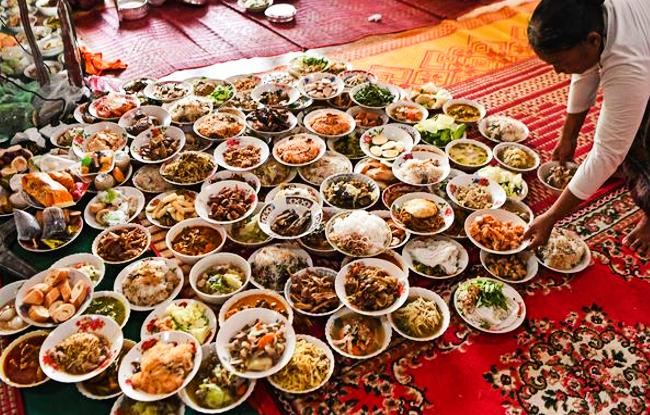
Although many people think of Diwali as a single-day celebration, the traditional festival extends over five days.
- Dhanteras: Worship of wealth, health, and prosperity.
- Naraka Chaturdashi: Symbolic cleansing and victory over evil.
- Lakshmi Puja: The main Diwali celebration, welcoming prosperity and happiness.
- Govardhan Puja: Celebrating nature and Lord Krishna’s protection.
- Bhai Dooj: Honouring the loving bond between brothers and sisters.
Each day carries a beautiful message about family, gratitude, faith, and togetherness.
❤️ Can We Celebrate a Greener Diwali?
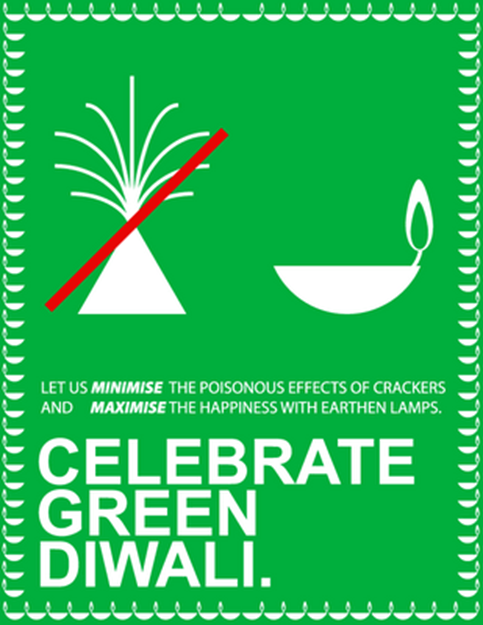
While Diwali brings happiness and excitement, excessive firecrackers create serious environmental challenges.
Air pollution, noise, plastic waste, and respiratory discomfort affect people, animals, and birds.
We can preserve the joy of Diwali without harming our surroundings.
Let us choose traditional clay diyas, decorate our homes with flowers, prepare natural rangoli using rice powder and turmeric, and support local artisans.
We can also replace noisy firecrackers with family gatherings, sweets, music, and community celebrations.
“The true brightness of Diwali lies not in the crackers we burst, but in the happiness we spread.”
❤️ The Real Light of Diwali
Beyond rituals, decorations, and celebrations, Diwali carries a timeless spiritual message.
Lighting a diya is symbolic of illuminating our inner world. It reminds us to remove hatred, overcome ignorance, forgive others, and welcome compassion into our hearts.
As we grow older, perhaps we begin to understand that the greatest wealth is not money or possessions but good health, loving relationships, peace of mind, and meaningful moments shared with family.
For me, Diwali is also an opportunity to pause, reflect, express gratitude, and appreciate the beautiful gift of life.

❤️ A Festival That Lights Up Life
This Diwali, let us rediscover its lesser-known stories, respect its diverse traditions, and celebrate responsibly.
Let every diya represent hope, every sweet exchange strengthen a relationship, and every act of kindness spread happiness.
After all, the purpose of lighting a lamp is not merely to brighten a home but to illuminate the world around us.
May the light of Diwali remove darkness from our lives, bring prosperity to every home, and inspire us to create a healthier, happier, and greener tomorrow.
Wishing you and your family a very Happy, Healthy, and Prosperous Diwali!

Categories: infotainment


Happy Diwali.
LikeLike
Happy Diwali.
LikeLike
Happy Deepawali to you and your family.
LikeLike