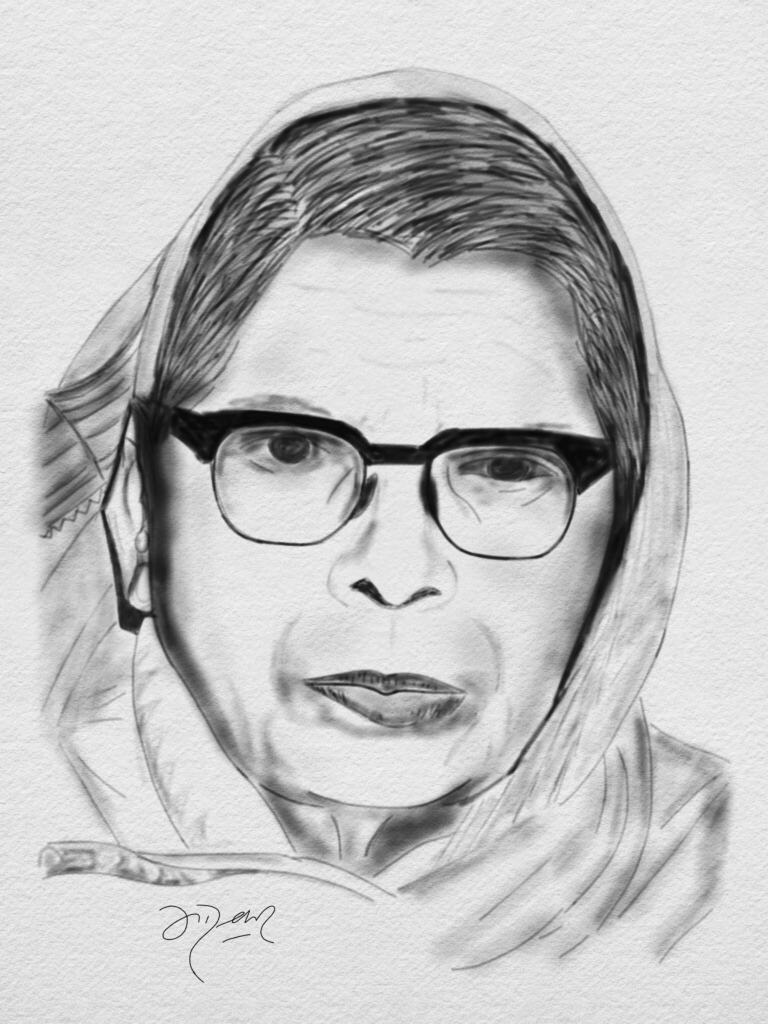
Mahadevi Verma: The Poetess Who Defied Convention
Today, we commemorate the 36th death anniversary of Mahadevi Verma, a trailblazing figure in Hindi literature. Hailed as one of the four pioneers of neo-romanticism in Hindi poetry,
Mahadevi Verma was not only a prolific poet but also a strong advocate for women’s empowerment. Her life and work continue to inspire generations, leaving an indelible mark on Indian literature and society.
A Blossoming Talent Amidst Tradition
Mahadevi Verma’s journey began in the city of Farrukhabad, Uttar Pradesh, on March 26, 1907. Born into a Hindu family, she was raised in a unique environment where her father, Govind Prasad Verma, was a professor known for his love for music and his unorthodox views.
Her mother, Hem Rani Devi, was deeply religious and had a keen interest in music and spirituality. This eclectic upbringing played a crucial role in shaping her literary sensibilities.
Mahadevi Verma’s mother, proficient in both Sanskrit and Hindi, became the cornerstone of her early inspiration, encouraging her daughter to explore the world of poetry. This nurturing environment set the stage for Mahadevi’s future literary accomplishments.
The Education and Hostel Experience
Despite the prevailing social norms that often deemed the birth of a daughter as a burden, Mahadevi was fortunate to be born into an educated family that valued education for all.
She pursued her higher education at the Cross Maidan Girls’ College in Allahabad. It was during her college years, while residing in the hostel, that she encountered the diversity of Indian society.
Sharing her hostel room with Subhadra Kumari Chauhan, a senior student, was a turning point in her life. Mahadevi secretly penned her poems, which Subhadra discovered one day, sharing them with the entire hostel. This revelation marked the birth of a talented poetess, setting her on a remarkable path.
Both Mahadevi and Subhadra published their poems in various magazines and literary journals, actively participating in literary gatherings and conferences. These interactions with prominent poets and writers of the time enriched Mahadevi’s artistic journey.
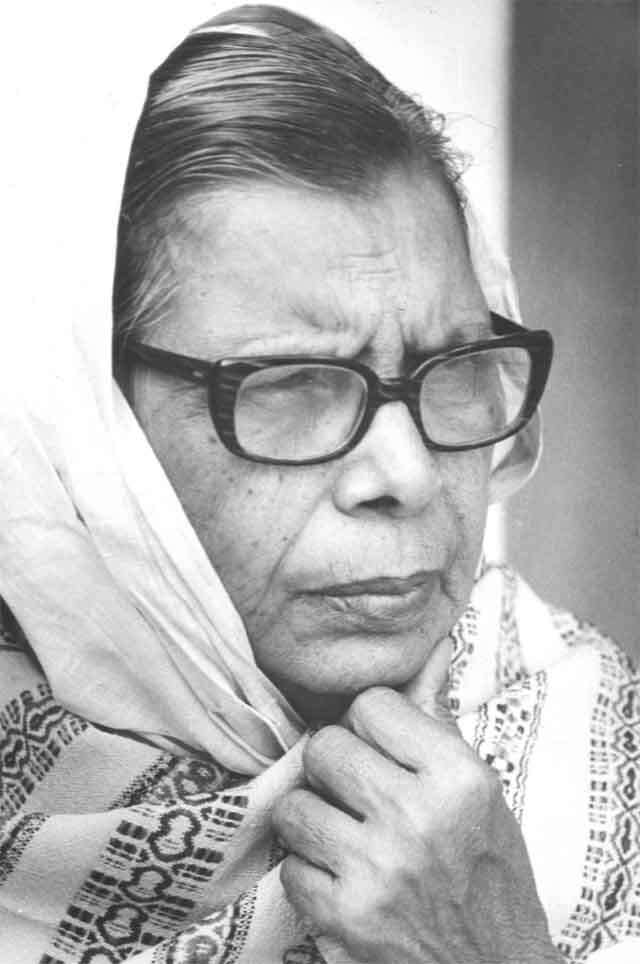
A Life Shaped by Choices
Mahadevi Verma’s life took an unconventional turn when she faced the prospect of an early marriage. Her grandparents aspired for her to become a scholar but adhered to the prevailing social customs.
In a bold move, Mahadevi refused to marry her husband, Swarup Narayan Verma, due to his non-vegetarian diet, which clashed with her values.
Despite numerous attempts to persuade her to remarry her husband after a divorce, Mahadevi chose solitude over societal expectations. She remained resolute in her beliefs, standing as a symbol of independence and self-determination.
The Journey of a Literary Luminary
Mahadevi Verma embarked on her literary journey by publishing works such as “Nihar” (1930), “Rashmi” (1932), and “Neerja” (1933). These poems resonated deeply with readers, establishing her as a prominent poet.
In 1935, her collection “Sandhya Geet” further solidified her reputation as a renowned poet.
Her literary contributions extended beyond poetry, encompassing novels and short stories like “Mera Parivar,” “Samridhi Ke Rehaye,” “Path Ke Saathi,” and “Atit Ke Chalachitra.”
A recurring theme in her writing was women’s empowerment and economic self-sufficiency, reflecting her commitment to social change.
Mahadevi Verma’s philosophy was deeply influenced by the teachings of Gautam Buddha and the actions of Mahatma Gandhi. In 1937, she constructed the “Meera Mandir” in the village of Umargaon, dedicating herself to the welfare and education of local residents, especially women.
Her efforts played a pivotal role in empowering women and fostering economic self-reliance in the region.
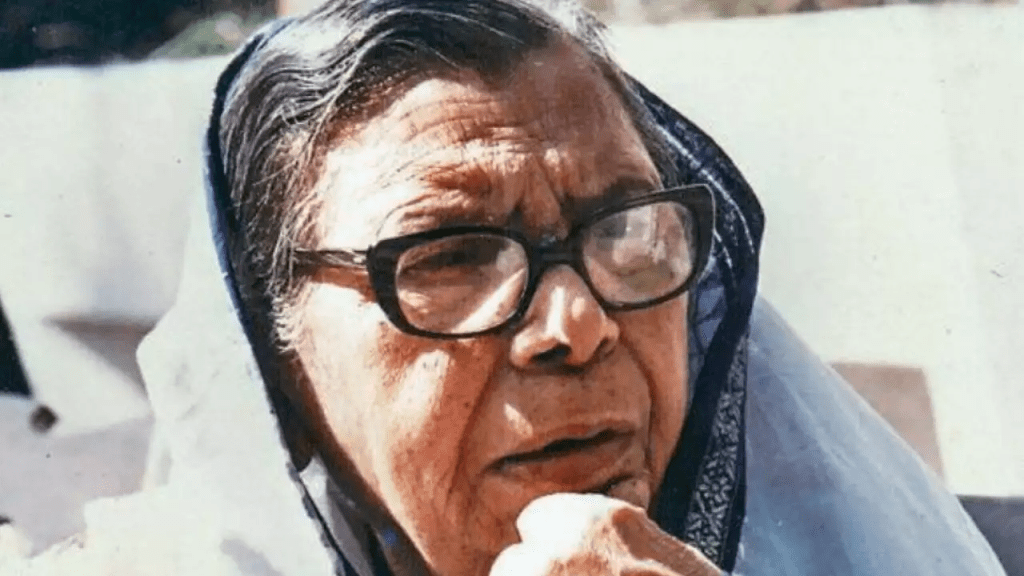
Honors and a Legacy That Endures
Throughout her lifetime, Mahadevi Verma received numerous accolades, including the Padma Bhushan (1956),
Sahitya Akademi Fellowship (1979),
Jnanpith Award (1982), and
Padma Vibhushan (1988).
These honors reflect her profound impact on Indian literature and society.
On September 11, 1987, Mahadevi Verma breathed her last in Allahabad, Uttar Pradesh. Her legacy lives on, a testament to her resilience, independence, and commitment to social change.
Her words continue to inspire generations, emphasizing the importance of women’s empowerment and the pursuit of one’s passions in defiance of societal norms.
It is true that Mahadevi Verma’s life is a remarkable tale of breaking free from convention, finding one’s voice, and leaving an enduring mark on society through art and activism.
Her journey is an inspiration to all, reminding us to embrace our individuality and stand firm in our convictions, just as she did.
(Pic courtesy : Google.com)
BE HAPPY….BE ACTIVE….BE FOCUSED….BE ALIVE…
If you enjoyed this post, please like, follow, share, and comments
Don’t forget to visit my website for more content.
Categories: infotainment
 Retiredकलम
💝
LikeLiked by 1 person
Thank you so much.
LikeLike
कोटि कोटि नमन।
LikeLiked by 1 person
Thank you so much.
LikeLike