
“The mind is everything. What you think, you become.” — Buddha
Hello, dear friends.
I hope this blog finds you in a cheerful mood and enjoying life’s beautiful journey.
In today’s fast-paced world, we have access to remarkable technology, instant communication, and endless sources of information.
Yet, despite all these conveniences, one thing seems more fragile than ever—our minds.
A small misunderstanding, an unexpected setback, or a few harsh words can disturb our peace for hours, days, or even years.
Why does this happen?
The answer lies not in the world around us but in the way our minds respond to it. Over the years, I have realized that if we learn to train our minds, they become our greatest companions. If we neglect them, they often become our greatest obstacles.
Today, I would like to share a few thoughts and personal experiences on making our minds our best friends.

What Is the Mind?
In Buddhist philosophy, the mind is not regarded as a physical object hidden inside the brain. Rather, it is the continuous flow of awareness, experience, and understanding.
It is through the mind that we see beauty, hear music, remember childhood, dream about the future, experience love, and even feel pain.
Ancient Buddhist texts describe the mind as possessing two essential qualities:
- Clarity – the ability for experiences, thoughts, emotions, and perceptions to arise.
- Knowing – the capacity to recognize and understand those experiences.
A stone does not experience joy. A table does not feel sadness. Only the mind has the remarkable ability to know and experience life.
Modern neuroscience teaches us that the brain plays a vital role in memory, emotions, and behavior.
Buddhism does not reject science. Instead, it complements it beautifully.
Science explores the mind from the outside through observation and experimentation, while meditation explores it from within through careful awareness.
Together, they offer a deeper understanding of who we are.

Our Emotions Are Visitors, Not Our Identity
One of the greatest lessons I have learned is that emotions are temporary visitors.
- Anger arrives.
- Fear appears.
- Anxiety knocks at the door.
- But none of them stay forever.
Whenever I become upset, I remind myself that this feeling is only passing through. It is not my true identity.
The Buddha compared the mind to the vast blue sky and emotions to passing clouds.
Sometimes dark clouds completely hide the sky. Storms rage. Thunder roars.
Yet the sky itself remains untouched.
Similarly, our true mind remains clear beneath temporary emotions.
This understanding alone has helped me face many difficult moments with greater patience.
We Often Create Our Own Suffering
Another profound realization is that many painful experiences do not come directly from events themselves but from the stories our minds create afterward.
- Someone speaks a harsh sentence.
- The words last only a few seconds.
- But our minds replay them repeatedly.
- We imagine hidden meanings.
- We assume intentions.
- We create imaginary conversations.
By evening, a tiny incident has grown into a mountain of worry.
I have done this countless times.
Perhaps you have too.
Learning to stop these mental stories has brought enormous peace into my life.
As the Stoic philosopher Marcus Aurelius wisely observed:
“You have power over your mind—not outside events. Realize this, and you will find strength.”
How true these words remain even today.

Meditation Means Becoming Familiar
Many people think meditation is mysterious or reserved for monks sitting in caves.
In reality, meditation simply means becoming familiar with wholesome mental habits.
- Instead of repeatedly practicing worry, we practice gratitude.
- Instead of rehearsing anger, we practice forgiveness.
- Instead of feeding fear, we cultivate courage.
- Like any skill, the mind grows stronger through repetition.
- Every positive thought becomes a new pathway.
- Every act of kindness strengthens compassion.
Every moment of patience makes tomorrow easier.
Training the mind is very similar to exercising the body.
Consistency matters far more than intensity.

My Personal Practices for a Peaceful Mind
After retirement, I consciously began nurturing my mental well-being. These simple habits have transformed my outlook on life:
- Beginning each morning with meditation and silence.
- Maintaining a daily gratitude journal.
- Reading inspiring books instead of negative news first thing in the morning.
- Walking, swimming, and playing table tennis to refresh both body and mind.
- Spending quality time with family and friends.
- Writing blogs and poems that encourage positive thinking.
- Accepting that perfection is impossible, and progress is enough.
- Practicing forgiveness—both toward others and toward myself.
None of these habits are extraordinary.
Their power lies in practicing them every single day.
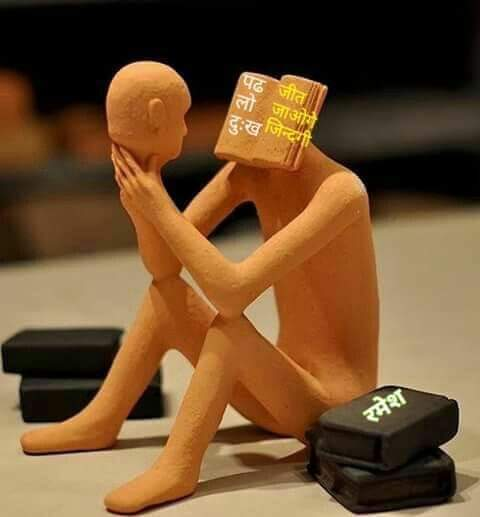
The Mind Can Become Our Best Friend
The beautiful truth is that the mind is trainable.
Because it can learn, it can change.
No matter our age, past mistakes, or present challenges, we can cultivate greater calm, wisdom, compassion, and resilience.
A trained mind helps us respond rather than react.
It teaches us to pause before speaking, to forgive before hating, and to hope before giving up.
Life will always present storms.
We cannot control every event.
But we can learn to steer the ship.
As Lao Tzu beautifully said:
“Mastering others is strength; mastering yourself is true power.”
Let us therefore invest time every day in training our minds.
After all, we carry our minds everywhere we go. Why not make them our most trusted friends instead of our fiercest critics?
May your mind remain peaceful, your heart remain compassionate, and your journey through life be filled with wisdom, gratitude, and inner joy.
Be Happy… Be Active… Be Focused… Be Alive…
If this post inspired you, show some love! 💙
✅ Like | ✅ Follow | ✅ Share | ✅ Comment
www.retiredkalam.com
Categories: infotainment


Well said. We often make our perceived problems and slights even worse, by giving them air. We need to choose what to give our time and energy to and that is the one of the few things we can control. I often think back to a poster I saw on the ceiling of my dentist’s office as I nervously awaited the dental procedure…”Change your thoughts and you can change your world”. If you think you are a loser or a failure, you will be right. If you think you can do something or learn something, you will be right. The difference is all in your mind. Happy Sunday. Allan
LikeLiked by 1 person
Absolutely, Allan! I firmly believe that our thoughts shape our attitudes, actions and ultimately our lives. We may not have control over every situation, but we certainly have some control over how we respond to it. Giving unnecessary attention to negativity only allows it to grow. I love that message on your dentist’s ceiling! A beautiful reminder that a positive mindset doesn’t change everything around us, but it can change how we experience everything. Thank you for sharing this wisdom. Happy Sunday to you too! 😊
LikeLiked by 1 person
Dear Verma ji,
What a beautifully written and deeply reflective blog. Your words carry the calmness of someone who has truly walked the path of self-discovery and come out wiser.
I especially loved your insight that “emotions are visitors, not our identity.” It is such a simple yet profound truth—one that we often forget when caught in the storms of daily life. The Buddha’s comparison of the mind to the vast sky and emotions to passing clouds is a reminder I will carry with me.
Your personal practices—morning meditation, gratitude journaling, choosing inspiring books over negative news, and the beautiful act of writing poems and blogs—show that peace is not found in grand gestures but in small, consistent habits. This line touched me deeply: “Consistency matters far more than intensity.”
The way you have blended Buddhist philosophy with modern neuroscience, and ancient wisdom with practical living, makes your message accessible to everyone—whether they meditate in a cave or in their living room.
Thank you for sharing your journey so generously. Your blog is not just words on a page; it is a gentle hand extended to anyone seeking inner peace.
May your mind remain peaceful, your heart compassionate, and your writing continue to inspire many. 🙏
With gratitude and respect,
Srikanth
LikeLike
This is a rich post, Vijay. You have so much solid information that is helpful in practicing meditation.
LikeLike
Buddhism does not reject science. Instead, it complements it beautifully.
And so well said.
I love your steps to train the mine, and the mine is not only being trained is being rewired with new nuero connections.
LikeLike