Hello, dear friends!
I hope this blog finds you in a cheerful mood.
Today’s writing prompt made me stop and think:
“Have you ever liked a villain more than the hero? Who and why?”
What an interesting question!
We normally enter a film knowing whom we are supposed to like. The hero is brave, honest, and handsome; the villain is cruel, selfish, and dangerous. We cheer when the hero wins and celebrate when the villain is defeated.
But sometimes, something unexpected happens.
The villain becomes more interesting than the hero.
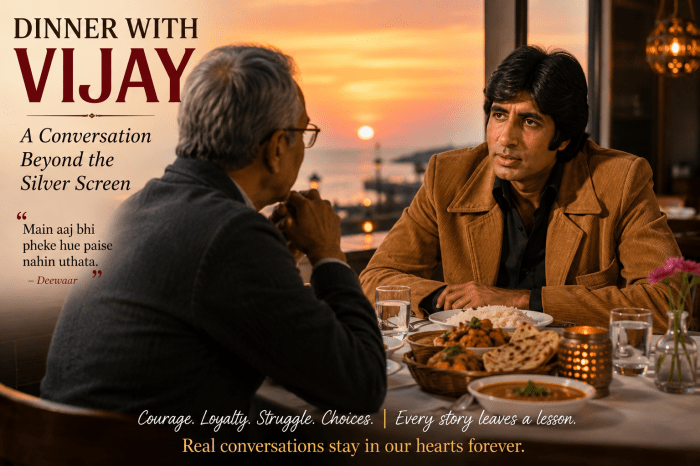
For me, one name that comes to mind is Sanjeev Kumar in the Hindi film Jaani Dushman.
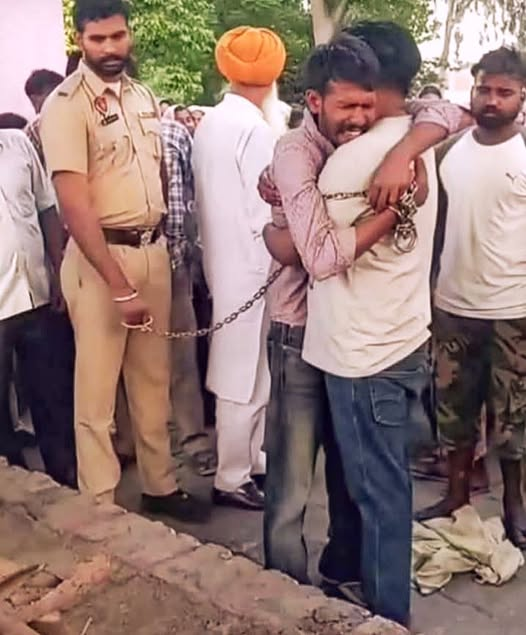
😒When the Villain Becomes Memorable
Sanjeev Kumar was an extraordinary actor. He could make even a complicated or negative character feel human.
Watching him, I never felt that I was simply watching a “villain.” I was watching a person with emotions, weaknesses, ambitions and conflicts.
And perhaps that is the secret.
We may dislike what a character does, but still become fascinated by why he does it.
“A memorable villain is not someone we simply hate; he is someone we cannot stop thinking about.”
That is what great acting can do.
😒The Villain Is Not Always Black
As a young moviegoer, I often looked at films in simple terms.
Hero = good.
Villain = bad.
End of story.
But age changes the way we look at people—and stories.
Today, I find myself more interested in the shades of grey.
Real people are not completely good or completely bad. We all have our strengths, weaknesses, fears, disappointments and contradictions.
Cinema sometimes reflects that truth beautifully.
The villain may make terrible choices, but behind those choices there may be a story.
Understanding that story does not mean approving of his actions.
Understanding and excusing are two very different things.

😒Why Villains Sometimes Steal the Show
Think about some of cinema’s unforgettable villains.
Darth Vader from Star Wars is terrifying, yet his journey from Anakin Skywalker to Vader and eventually towards redemption makes him deeply fascinating.
Severus Snape from Harry Potter initially appears cold and cruel, but his complicated past changes our understanding of him.
And then there are characters like the Joker, whose unpredictability and psychological complexity can sometimes overshadow the conventional hero.
Why do such characters remain in our memories?
Because they make us think.
The hero tells us what is right.
The villain makes us ask:
Why did he become this way?
😒What Age Has Taught Me
Perhaps I relate to these characters more today because growing older has changed my understanding of human nature.
I have learned that we should be careful before judging anyone.
Someone may appear rude, but perhaps they are carrying pain.
Someone may appear arrogant, but perhaps insecurity lies underneath.
Someone may seem distant, while inside they may be desperately looking for companionship.
We see the behaviour.
We rarely see the battle behind it.
“Every person you meet is fighting a battle you know nothing about.”
That thought has become more meaningful to me with the passing years.

😒Heroes Inspire Us, Villains Teach Us
I still love heroes.
Who doesn’t?
Heroes inspire courage, kindness, sacrifice and hope.
But villains can teach us about the consequences of anger, greed, jealousy, revenge and unchecked ambition.
They become warnings written into stories.
And sometimes, through their downfall, they remind us that our choices shape our destiny.
Perhaps that is why a well-written villain can stay in our memory longer than an ordinary hero.
😒A Little Nostalgia
For those of us who grew up watching Hindi films of an earlier era, characters like these are more than cinematic creations.
They are part of our memories.
We remember sitting in a dark cinema hall, following the story, cheering for the hero and waiting for the villain to get what he deserved.
But decades later, when we look back, we sometimes remember the villain’s performance more vividly.
That, to me, is the magic of a great actor.
The character may be negative, but the performance can be unforgettable.
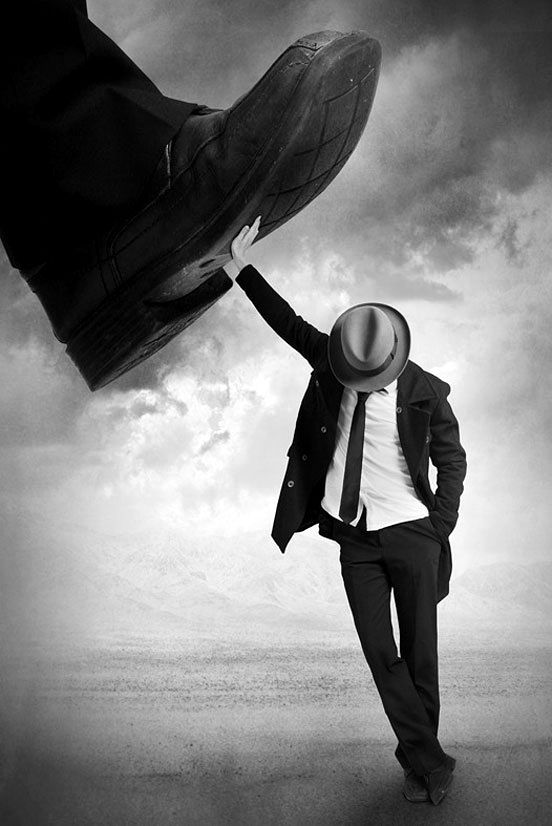
😒So, Who Do I Prefer?
Would I actually choose a villain over a hero?
Not necessarily.
I would choose the more interesting character.
And sometimes, that happens to be the villain.
Sanjeev Kumar’s performance in Jaani Dushman reminds me that cinema doesn’t always have to give us characters we simply love or hate. Sometimes it gives us characters we question, understand, and remember.
Perhaps that is also true of life.
As we grow older, we stop looking for perfect heroes and perfectly wicked villains.
We begin to understand people as they really are—complicated, imperfect and wonderfully human.
So, yes, I have sometimes liked the villain more than the hero.
Not because I admire his wrongdoing.
But because he made me think.
And perhaps that is the greatest compliment we can give any character:
“You stayed with me long after the movie ended.”
Categories: infotainment
 Retiredकलम
very nice .
LikeLiked by 2 people
Thank you so much.
LikeLiked by 1 person
I love villains that you learn to love – especially in TV series. For example, Dexter. You said this so well.
LikeLiked by 3 people
Absolutely! Dexter is a terrific example because he makes us question the very idea of a “villain.” We know what he does is morally disturbing, yet the storytelling makes us understand his motivations and become emotionally invested in him. That tension is exactly what makes such characters unforgettable.
LikeLiked by 2 people
It’s very interesting to see different portrayals of this in movies and books.
LikeLiked by 2 people
Absolutely! That is what makes the idea so fascinating. Movies and books give us so many different faces of strength—some characters fight with anger and force, while others demonstrate that real power can lie in patience, discipline and self-control.
LikeLiked by 2 people
Sometimes, I appreciate how good the villain acting his/her character. We are both hero and villain in life, I believe.
LikeLiked by 2 people
Absolutely! I feel the same way. Sometimes the villain’s performance is so convincing and layered that we find ourselves appreciating the actor even when we dislike the character.
LikeLiked by 2 people
This post is an explosion of the senses. I am not familiar with most of the moves mentioned. I have only seen one Star Wars, and I told my son Jar Jar Binks was cool. He only came to appreciate that recently.
LikeLiked by 2 people
Thank you! I’m glad the post managed to create an “explosion of the senses” even without having seen most of the movies! 😊
And I have to say, Jar Jar Binks was cool—you were simply ahead of your time! 😂 Perhaps your son just needed a few years to catch up with your excellent cinematic judgment.
LikeLiked by 1 person
Such a thoughtful reflection! 🎭 “A memorable villain is not someone we simply hate; he is someone we cannot stop thinking about” really nails it. Love the Sanjeev Kumar example, and the point about age changing how we see moral complexity is so true.
— Khadija 🤍
LikeLiked by 1 person
Thank you so much for your thoughtful words! 😊
I’m delighted that the Sanjeev Kumar example and that particular line resonated with you.
I agree—perhaps age and experience teach us to look beyond the simple labels of “hero” and “villain.” When we are younger, we often see the world in black and white; with time, we begin to notice the many shades of grey in human nature.
LikeLiked by 2 people
Beautifully put that shift from black and white to shades of grey feels like one of the quieter but more meaningful gifts of getting older. Thanks for such a rich reflection to think about today!
LikeLiked by 2 people
Thank you so much for your thoughtful words! I couldn’t agree more—growing older teaches us that life is rarely simply black or white.
Learning to appreciate the shades of grey brings a deeper understanding, patience, and peace. I’m glad my reflection resonated with you. 🙏
LikeLiked by 2 people
Beautifully said that deeper patience and peace really does seem to come with time. Thank you for such a rich exchange today! 🙏
LikeLiked by 2 people
Thank you so much! 🙏
I truly enjoyed our exchange too. Perhaps patience and peace are among life’s gifts that arrive quietly with time—and make the journey a little more beautiful. 🌷
LikeLiked by 2 people
Love the line about villains making us think while heroes tell us what’s right. That distinction really captures why the best-written antagonists linger so much longer in memory.
LikeLiked by 1 person
Thank you so much! I’m glad that line resonated with you. 😊
I think that’s exactly what makes a memorable villain so fascinating.
A hero often gives us an example to follow, but a well-written villain makes us pause and ask difficult questions about morality, choices, and human nature.
LikeLiked by 2 people
Well said those difficult questions are exactly what stay with us long after the story’s over. Great piece to reflect on today!
LikeLiked by 2 people
Thank you so much! I completely agree—sometimes the questions that don’t have easy answers are the ones that stay in our minds and hearts the longest. I’m glad the piece gave you something to pause and reflect on. That, for me, is the real joy of writing. 🙏
LikeLiked by 2 people
What a thoughtful reflection on a fascinating question! Sometimes the villain becomes more memorable precisely because he forces us to look beyond the simple division of good and evil. Your observation that understanding is not the same as excusing is particularly powerful.
Great villains often reveal the complexities of human nature the fears, wounds, ambitions and choices that lie beneath outward behaviour. In that sense, the hero may inspire us, but the villain can make us question ourselves and the world around us.
Your reflection on Sanjeev Kumar is also a beautiful reminder of the power of great acting. A truly memorable performance can make even a negative character feel deeply human without making his actions acceptable.
Perhaps that is why some villains remain with us long after the hero has left the screen not because we approve of them, but because they make us think.
A wonderful meditation on cinema, memory, human nature, and the many shades between right and wrong. 🙏
LikeLiked by 3 people
Thank you so much for this beautifully expressed and thoughtful response. You have captured exactly what I was trying to explore—the fascinating space between good and evil, where understanding a character does not mean justifying his actions.
I especially loved your thought that the villain can make us question ourselves and the world around us. And yes, Sanjeev Kumar’s remarkable acting made his character deeply human while never making his actions acceptable.
LikeLiked by 2 people
Sanjeev Kumar is a great pick for this one — he had a way of playing a negative role without ever letting it flatten into pure menace, so you end up watching him instead of the hero. Jaani Dushman is a good example. I think you’re right that we walk in already told who to cheer for, and the films that stay with us are the ones that quietly undo that.
LikeLiked by 2 people
Absolutely! Sanjeev Kumar had that rare ability to make even a negative character feel layered and human.
You’re right—sometimes the most memorable films are the ones that make us question our assumptions about whom we should really be rooting for.
That’s what makes great cinema stay with us. 😊
LikeLiked by 1 person