
“Every ending is a beginning in disguise. Sometimes, all it needs is the courage to imagine a different final chapter.”
Hello dear friends,
I hope this blog finds you in a cheerful mood and with a heart ready to wander through the magical world of books. Today’s writing prompt asked a fascinating question:
“If you could rewrite any book’s ending, which one would you choose?”
At first, hundreds of books raced through my mind. Some ended with victory, some with heartbreak, and some with mysteries that still puzzle readers today.
But one story stood above the rest—a timeless tale that has moved generations for more than four centuries.
My choice would be William Shakespeare’s Romeo and Juliet.
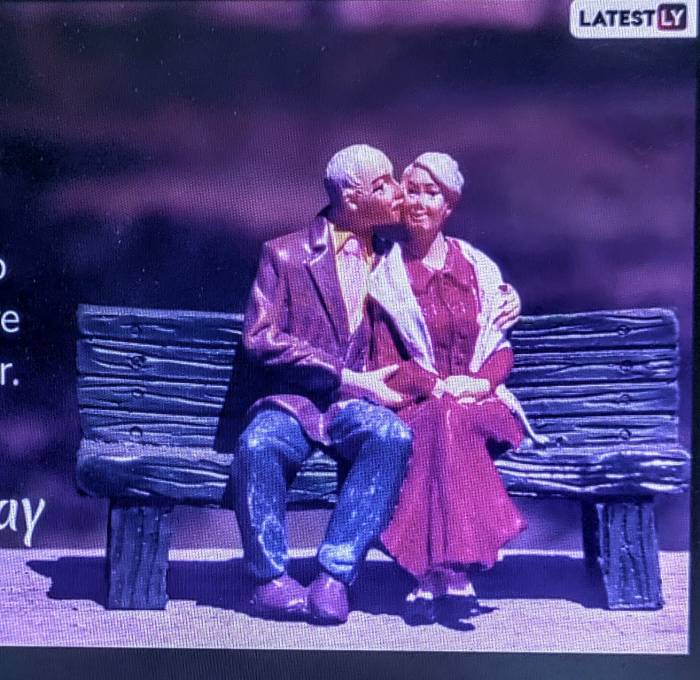
A Love Story That Never Grows Old
Even if you have never read the entire play, you probably know the story.
Two young hearts fall deeply in love despite belonging to families consumed by hatred. Their love is pure, their dreams are innocent, but misunderstandings, haste, and blind prejudice lead to one of literature’s most tragic endings.
Romeo believes Juliet has died, drinks poison, and dies beside her. Juliet awakens, finds Romeo lifeless, and takes her own life.
Their deaths finally reconcile the feuding families—but at a heartbreaking cost.
Every time I revisit this masterpiece, I wonder:
“Could peace not have arrived without sacrificing two beautiful lives?”
The Ending I Would Rewrite
If I had the privilege of rewriting Shakespeare’s ending, I would let truth arrive just a little earlier.
Imagine this…
The message explaining Juliet’s plan reaches Romeo in time. Instead of poison, he reaches the tomb filled with hope. Juliet awakens to see Romeo waiting for her. The families discover the lovers alive rather than dead.
Standing together before both families, Romeo and Juliet become symbols of courage rather than tragedy.
The Montagues and Capulets finally realize that hatred has stolen enough years from their lives. They embrace reconciliation—not because death forces them to, but because love inspires them to.
Wouldn’t that ending leave us with tears of joy instead of sorrow?
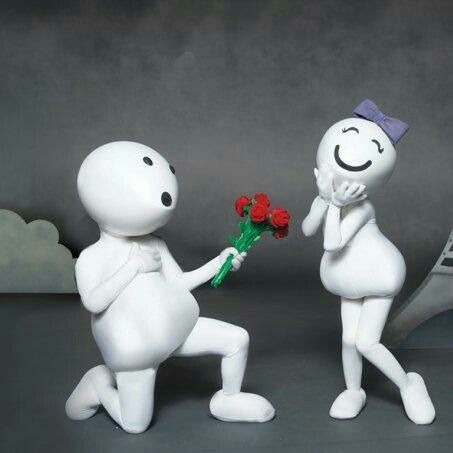
Why This Ending Matters to Me
As we grow older, life teaches us that many conflicts arise not from evil intentions but from poor communication, ego, assumptions, and delayed understanding.
- How many friendships have ended because nobody spoke first?
- How many relationships could have survived if someone had simply listened?
- How many families have carried silent misunderstandings for decades?
The tragedy of Romeo and Juliet reminds me that communication is often the shortest bridge between hearts.
Perhaps Shakespeare intentionally wrote a tragic ending to teach this lesson. His masterpiece has survived centuries precisely because it forces readers to reflect on the consequences of hatred and impulsive decisions.
Yet, my heart still wishes those two young dreamers had been given another sunrise.
Books Shape More Than Stories
One wonderful thing about reading is that every reader quietly rewrites a story inside their imagination.
Sometimes we imagine different choices.
Sometimes we rescue a favorite character.
Sometimes we extend the ending beyond the last page.
That is the magic of literature—it invites us to become co-creators.
As a blogger and storyteller, I have realized that life itself resembles an unfinished manuscript.
Every morning offers us a blank page, and every decision becomes another sentence in our personal story.
Unlike fictional characters, we have the opportunity to revise our own endings.
If yesterday ended in disappointment, today can begin with hope.
If relationships have grown distant, we can rebuild bridges.
If dreams have faded, we can dare to dream again.
The Greatest Rewrite
Perhaps the greatest ending we can rewrite is not found inside a famous novel.
It is found within ourselves.
We cannot erase yesterday’s chapters, but we can certainly choose how the next chapter unfolds.
That thought fills me with optimism.
After all, life is the only book whose ending has not yet been written.
My Final Thoughts
If Shakespeare could hear me today, I would first thank him for creating one of the greatest love stories ever told. Then, with great respect and a gentle smile, I would request just one small change:
“Dear Bard, let Romeo arrive a few minutes earlier.”
Perhaps those few minutes would have transformed tragedy into hope—and reminded generations that love, understanding, and timely communication can conquer even the oldest feuds.
As readers, we may never change the ending printed on the page.
But as human beings, we still hold the pen that writes the ending of our own story.
“The finest stories are not those without sorrow, but those where hope has the final word.”
Thank you for reading.
Now I would love to hear from you: If you could rewrite the ending of any book, which one would you choose, and why?
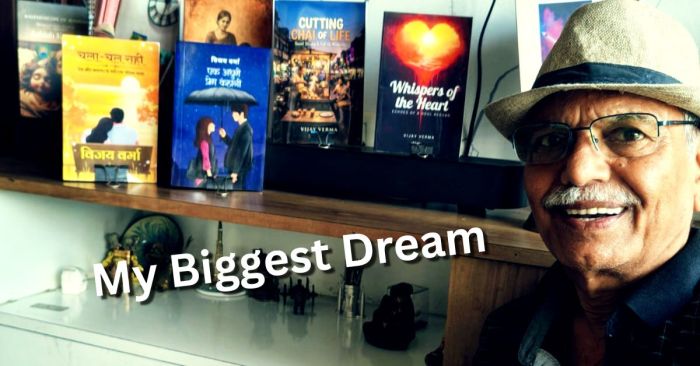
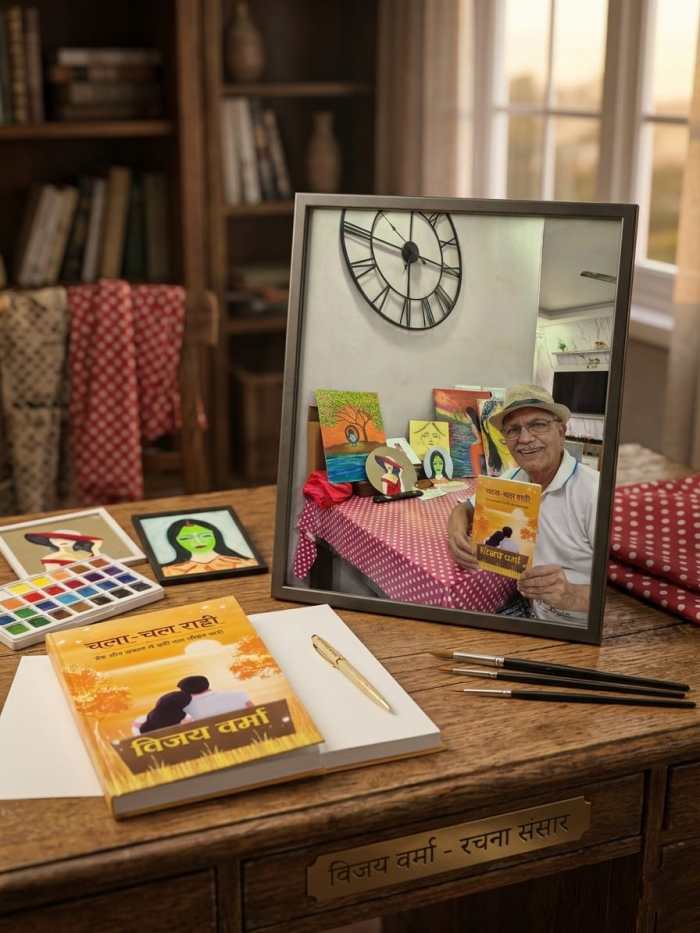
My book is now available on Amazon.
You can find it here: https://amzn.in/d/0gBYPlvz
I truly appreciate your interest and support—it means a lot!
Categories: infotainment
 Retiredकलम
very nice .
LikeLiked by 2 people
Thank you so much.
LikeLike
If it’s not the ending, I think there’s less lessons in it. The author intentionally did it.
LikeLiked by 1 person
That’s a thoughtful perspective, and I agree. Sometimes an author’s chosen ending is exactly what gives a story its deepest meaning. Even when it’s heartbreaking, it leaves us with lessons that a happy ending might never have conveyed.
Great literature doesn’t always give us the ending we want—it often gives us the ending we need to reflect, grow, and better understand life. Thank you for sharing your insight, my friend.
LikeLiked by 1 person
Indeed. Sometimes, there’s even an abrupt ending.
My pleasure, Verma
LikeLiked by 1 person
Very true! Sometimes an abrupt ending leaves the deepest impression because it invites readers to complete the story in their own hearts and minds. Perhaps that’s one of the enduring strengths of great literature—it continues long after the final page is turned.
LikeLiked by 1 person
What a beautiful and heartfelt essay! Verma ji, you’ve touched on something truly universal here—the way stories stay with us and make us yearn for different outcomes, not just for the characters, but for ourselves.
Your choice of Romeo and Juliet is perfect, and your rewritten ending is simply lovely. The idea that love could inspire reconciliation rather than tragedy is one that I believe Shakespeare himself might have smiled at. You’re right—those few minutes could have changed everything, and it’s that painful “almost” that makes the story so haunting.
To answer your wonderful question:
I would choose F. Scott Fitzgerald’s The Great Gatsby. That ending has always left me with a hollow ache. Gatsby, who spent his entire life chasing a dream that was already gone, dies alone, misunderstood, and forgotten by everyone except Nick. I would rewrite it so that Daisy—even if she couldn’t leave Tom—at least sends a letter, a message, some acknowledgment that Gatsby’s love wasn’t entirely in vain. Or perhaps Nick doesn’t leave so quickly; maybe he stays to ensure Gatsby’s story is told properly, not as a cautionary tale, but as a testament to a man who dared to believe in something greater than himself. I suppose I just wish Gatsby had known, even for a moment, that his dream wasn’t worthless.
But your words struck me most deeply when you said:
“Life is the only book whose ending has not yet been written.”
That is the kind of wisdom that stays with a reader long after they’ve finished the page. Thank you, Verma ji, for sharing this reflection. It has reminded me that hope is never wasted, and that every day is an opportunity to write a better chapter. Your voice is thoughtful, compassionate, and full of grace—please keep sharing it with the world. 💛
With gratitude,
A fellow dreamer and lover of stories.
Srikanth
LikeLiked by 1 person
I’m deeply touched by your thoughtful and generous response. Thank you for reading my essay with such care and for sharing your own reflections so beautifully.
Your choice of The Great Gatsby is truly fascinating. I love your idea of Daisy sending even a single letter or acknowledgment. Sometimes one small act of kindness can transform the emotional weight of an entire story. Your version preserves the novel’s depth while offering Gatsby the dignity of knowing that his dream was not entirely in vain. That is a powerful thought.
Your kind words about my reflection—“Life is the only book whose ending has not yet been written”—mean more to me than I can express. Knowing that it resonated with you is one of the greatest rewards a writer can receive.
LikeLike
Very nicely written. Film- Bobby was having that desirable ending and it was a superhit, however it has also been said by several people that if Laila Majnu, Shiri Farahad, Romeo-Juliet had got married they might have become a normal couple, fighting at regular intervals.
Anyway great sharing.
LikeLiked by 1 person
Thank you so much for your thoughtful comment! 😊
You make a very interesting point. Bobby indeed proved that a hopeful ending can touch millions of hearts. At the same time, there is wisdom in the saying that if Romeo and Juliet, Laila-Majnu, or Shirin-Farhad had lived together, they might have faced the same everyday joys and challenges as any ordinary couple.
Perhaps that is the magic of classic tragedies—they preserve love in its purest, most idealized form, leaving us to wonder, “What if?”
LikeLiked by 1 person
Wow, I just realized now that what killed Romeo and Juliet was not so much their families’ hate and rivalry as it was just miscommunication. It sounds simple but it can spell the difference between life and death!
LikeLike
What an insightful observation! 👏 You’re absolutely right—when we look beyond the family feud, we see that a series of missed messages, wrong assumptions, and unfortunate timing ultimately sealed Romeo and Juliet’s fate.
It’s a timeless reminder that communication can build bridges or, when it fails, create heartbreaking consequences. Shakespeare’s tragedy still resonates today because the lesson is as relevant now as it was centuries ago.
LikeLiked by 1 person
Wonderfully written 🌷
LikeLike
Thank you so much for your kind appreciation! 🙏🌷
I’m delighted that you enjoyed my thoughts on Romeo and Juliet. It is a timeless story that continues to inspire reflection on love, fate, and the importance of understanding one another. Your encouraging words mean a great deal to me.
LikeLiked by 1 person
Yes my dear friend,i agree with you 💯 why a beautiful love history must end with tragedy?! I do not understand because when we love it means that we want a happy ending ❤️ love this post 🙏
LikeLiked by 1 person
Thank you so much, my dear friend! ❤️🙏
I completely understand your feelings. Love naturally makes us hope for joy, togetherness, and a happy ending. Perhaps that is why tragedies like Romeo and Juliet continue to touch our hearts—we long for love to triumph over hatred and misunderstanding.. Is it not?
LikeLiked by 1 person
Yes it is my dear friend 🙏
LikeLiked by 1 person
Thanks for sharing your feelings.
Stay happy and keep sharing.
LikeLike
A beautifully written reflection. I especially loved your thought that while we cannot rewrite the endings of great books, we can still rewrite the next chapter of our own lives. A timeless reminder that hope, love, and understanding are always worth choosing.
LikeLiked by 1 person
Thank you so much for your thoughtful and encouraging words. 🙏💙
I’m truly touched that this message resonated with you. That thought came straight from the heart because I believe that, while we cannot change the past or rewrite the endings of the stories we love, we always have the opportunity to shape the next chapter of our own lives.
LikeLiked by 1 person
I love Shakespeare’s tragedy Romeo and Juliet! Every time I read or watch it, I’m always on the edge of my seat thinking just maybe they see each other in time. 🫣😅
I like your rewrite ending for the drama. It would have been such a happy way to bring the two families together. 💜
LikeLike
Thank you so much! 😊💜
I’m so happy to know you love Romeo and Juliet too! I know exactly what you mean—I always find myself hoping that, somehow, they’ll reach each other just a moment sooner. Even though we know the ending, our hearts keep wishing for a different one.
I’m delighted you enjoyed my rewritten ending. I simply wanted to imagine a world where love triumphs over hatred and reconciliation arrives before tragedy. Perhaps that’s why timeless stories continue to inspire us—they leave room for hope, even centuries later.
LikeLiked by 1 person
A beautiful and inspiring reminder that every ending holds the promise of a new beginning. With hope, courage, and a fresh perspective, every chapter can lead to something even more meaningful. ✨📖
LikeLike
Thank you so much for your beautiful and encouraging words. 🙏✨
I’m truly grateful that the message resonated with you. I believe every ending, no matter how difficult, carries the quiet seed of a new beginning. With hope, courage, and an open heart, we can always write a more meaningful next chapter.
LikeLike
A deeply moving reflection on the power of timely communication, proving that sometimes all a great love story needs is a few extra minutes of hope.
LikeLiked by 1 person
Thank you so much for your beautiful and thoughtful reflection. 🙏✨
I’m truly touched that you saw the heart of the story. You’re absolutely right—sometimes the greatest tragedies are not caused by a lack of love, but by a lack of timely communication. Just a few moments, a single message, or one honest conversation can change the course of a lifetime.
Your words remind us that hope often lives in those precious moments when hearts choose to speak and truly listen.
LikeLiked by 1 person
Very nice, your idea is amazing. The truth is that my books have amazing endings… so I do not wish to change a thing. I studied W. Shakespeare, W. Thomas Hardy and many others. But since I became a mother, I have taken with me only the books that bring me joy. As a mother of two, I cannot afford to be aad. Congratulations for your idea! 🌸🌳🍀🌼🦋
LikeLiked by 2 people
Thank you so much for your beautiful and heartfelt response. I completely understand your perspective. Books that bring us joy become even more precious, especially when life is filled with the responsibilities and blessings of parenthood. As a mother of two, choosing hope, warmth, and uplifting stories is a wonderful gift—not only to yourself but also to your family.
Thank you for sharing your thoughts so graciously, and I wish you many more joyful reading adventures. 🌸
LikeLike
Romeo and Juliet would, indeed, be a great story to rewrite, Vijay. Why can’t lovers be supported and allowed to bloom?
LikeLiked by 2 people
Thank you for your thoughtful comment. I couldn’t agree more. Love is one of the purest emotions we are capable of, and it flourishes best when nurtured with trust, understanding, and acceptance rather than fear or prejudice.
Perhaps if Romeo and Juliet had been supported instead of divided by hatred and old rivalries, their story would have become a celebration of love rather than a timeless tragedy.
LikeLiked by 2 people