How to De-Stress from Digital Dependence
My dear friends,
We live in a time where waking up often starts with a screen and sleeping ends with one. From school students attending online classes to adults scrolling endlessly through social media, digital devices have become inseparable from daily life.
While technology has made life easier, it has also introduced a quieter problem—digital dependence, often linked with stress, poor sleep, reduced attention span, and emotional fatigue.
According to global digital behavior studies, the average person spends 6–7 hours daily on screens, excluding work-related use. Teenagers can go even higher, often crossing 8–9 hours a day.
This constant engagement keeps the brain in a state of overstimulation, which psychologists increasingly link to anxiety, irritability, and burnout-like symptoms.
So the question is not whether we should stop using technology—but how we can use it without letting it control us.

Why Digital Overuse Creates Stress
Every notification, message, or video triggers a small dopamine response—the brain’s “reward chemical.”
Over time, this creates a loop where we keep checking our phones for tiny bursts of pleasure. The problem? The brain starts craving constant stimulation, making silence or offline time feel uncomfortable.
Research from behavioral neuroscience shows that frequent switching between apps or tasks can reduce attention span by nearly 40%, and multitasking digitally increases mental fatigue significantly.
Add poor sleep due to late-night scrolling, and the result is chronic stress that many people don’t even recognize.
Step 1: Create Boundaries, Not Bans
The goal is not to abandon technology but to set healthy limits.
- Turn off non-essential notifications. Most people receive over 50–80 notifications daily, many of which are unnecessary interruptions.
- Create “no-phone zones” like the dining table or bedroom. Studies show that keeping phones away from the bed improves sleep quality by up to 30%.
- Avoid early-morning scrolling. The first 30 minutes of your day shape your mental tone—starting with social media often increases stress before the day even begins.
Step 2: Try a Gentle Digital Detox
Instead of going cold turkey, adopt a “digital diet”:
- One day a week with limited social media use
- No phone during meals
- A fixed 1–2 hour “offline window” daily
- Email or message-free mornings once or twice a week
Even short breaks from screens help reset dopamine sensitivity, making you feel more focused and less mentally drained.

Step 3: Train the Mind to Pause
One of the simplest but most powerful habits is the 10-second rule. Before unlocking your phone, pause and ask: “Do I really need this, or am I just bored?”
This small gap interrupts automatic behavior and helps rebuild conscious control over usage. Over time, this reduces impulsive checking habits significantly.
Step 4: Replace, Don’t Just Remove
Stopping screen time without replacing it often fails. The brain needs alternatives.
Try:
- Reading physical books (improves focus and reduces stress hormones)
- Journaling thoughts (helps emotional processing)
- Cooking or gardening (boosts mindfulness)
- Outdoor walks (even 20 minutes in nature can reduce cortisol levels by up to 20%, according to environmental health studies)
Nature, in particular, has a calming effect on the nervous system. This concept, often called “attention restoration,” shows that natural environments help the brain recover from digital fatigue.
Step 5: Use Technology Against Itself
Ironically, technology can also help reduce its own negative impact.
- Screen time trackers help you become aware of usage patterns
- Focus apps can block distractions during study or work hours
- Greyscale mode reduces the visual stimulation that keeps users hooked on apps.
Awareness is the first step toward change—and data makes habits visible.
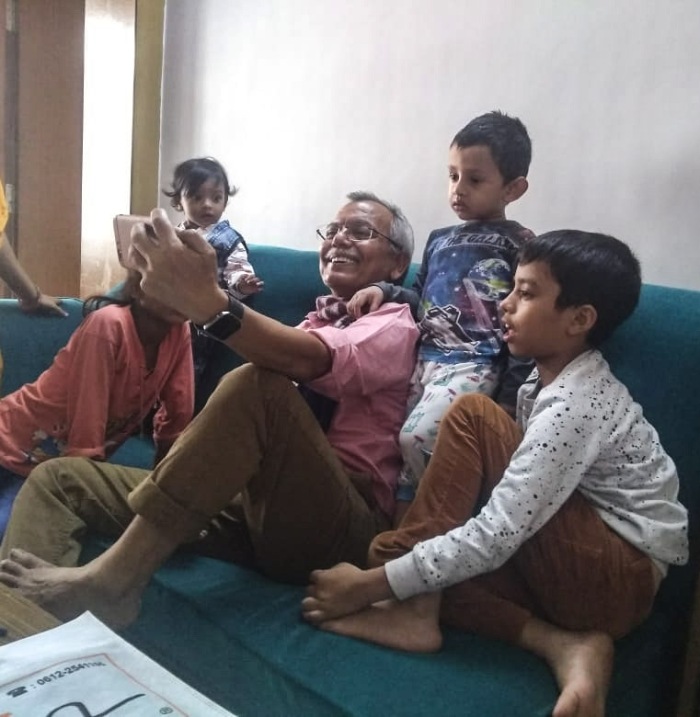
A Healthier Relationship with the Digital World
Digital dependence is not a personal failure—it is a design feature of modern apps optimized for engagement. But awareness gives us choice.
The aim is not to reject technology but to reclaim control over attention, which is one of the most valuable resources of the human mind.
When attention is free, creativity returns. Sleep improves. Conversations deepen. Life feels less rushed.
Even small changes—like one screen-free hour a day—can slowly rebuild mental clarity.
Final Submission
In a world that constantly asks for your attention, choosing when not to give it is a powerful act of self-care.
Digital detox is not about disconnecting from the world—it’s about reconnecting with yourself.“
And maybe that is the real balance we are all searching for.

My book is now available on Amazon.
You can find it here: https://amzn.in/d/0gBYPlvz
I truly appreciate your interest and support—it means a lot!
Categories: infotainment


What a thoughtful and well-researched piece, Verma ji! You’ve beautifully captured the silent struggle of digital dependence while offering practical, compassionate solutions. The way you balance science with simple, actionable steps—like the 10-second rule and replacing screens with nature—shows deep understanding and genuine care. Your closing line about reconnecting with oneself rather than disconnecting from the world is both powerful and peaceful. Thank you for this gentle reminder that reclaiming our attention is an act of self-care. Truly inspiring! 🙏
LikeLiked by 2 people
Thank you so much for your kind and thoughtful words 🙏
I’m really glad the piece resonated with you. Digital habits can quietly shape our attention and emotions, so I wanted to highlight that balance—not as restriction, but as gentle awareness.
Your reflection adds even more meaning to it. At the end of the day, it really is about coming back to ourselves, bit by bit, in simple and sustainable ways.
LikeLike
This was such a thoughtful and much-needed read Verma ji. 🤍✨ In a world constantly demanding our attention, your words gently remind us that peace still lives in silence, slow moments, nature, and real human connection. “Digital detox is not about disconnecting from the world it’s about reconnecting with yourself” such a powerful line. It truly feels less like advice and more like a quiet awakening for the mind and soul. 💚
LikeLiked by 1 person
Thank you so much 🤍✨
I really appreciate how deeply you’ve taken in the message. That line you highlighted carries the heart of it—it’s not about rejecting the digital world, but about not losing ourselves inside it.
Peace doesn’t usually arrive in big dramatic changes. It shows up in small pauses, in quieter thoughts, in moments where we’re simply present again. And sometimes, just noticing that is already a kind of awakening.
LikeLiked by 1 person
This is a very helpful post, especially the point about ‘Replace, Don’t Just Remove.’ That’s so true, we need good alternatives to fill the time. The whole article is nicely explained and a great reminder for everyone struggling with digital dependence. Thanks for sharing this!
LikeLiked by 1 person
Thank you so much, dear. 😊
I’m really glad that point resonated with you. “Replace, don’t just remove” is often the missing piece—because empty space naturally looks for something to fill it. Healthy alternatives make the change feel sustainable instead of restrictive.
LikeLike
very nice .
LikeLiked by 1 person
Thank you so much.
LikeLike
A timely and relatable reflection—gently highlighting how digital habits shape our daily rhythm and reminding us that real calm often begins when we step away from constant screens. 🌿✨
LikeLiked by 1 person
Thank you so much 🤍🌿
I really appreciate the way you’ve understood the intent behind it. Sometimes the smallest pause away from the screen brings the clearest kind of calm. Glad it resonated with you ✨
LikeLike
This is brilliant, I say to myself as I read it early in the morning while eating breakfast.
LikeLike
Thank you so much.❤️
Your comment brought a smile to my face. There is something especially heartening about imagining these words accompanying a quiet breakfast and the gentle beginning of a new day. To know that the piece resonated with you in that simple, unhurried moment is perhaps one of the greatest compliments a writer can receive.
LikeLiked by 1 person