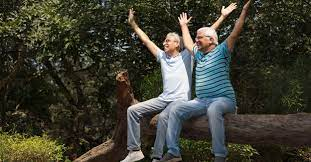
Secrets of Disease-Free Life of the Elderly
Hello dear friends,
I hope this Blog finds you in a cheerful mood. Today’s topic is very important for us, as it reveals the secrets of a disease-free life of the Elderly.
Reaching the age of 40 or stepping into the senior years marks a major milestone in life. By this time, the choices made over decades—financial, emotional, social, and particularly physical—begin to reveal their impact.
While wisdom and experience enrich our later years, habits that undermine health can also catch up with us.
The encouraging news is that adopting mindful practices can dramatically influence longevity and wellness, even in senior years.
Studies highlight that lifestyle adjustments in middle age and beyond not only increase life span but also ensure more years free of chronic diseases.
Longevity is not about merely “adding years to life” but about “adding life to years.”
Here are five key habits that seniors should consciously leave behind in order to enjoy a disease-free, healthy life.

1. Chronic Sleep Deprivation
One of the most overlooked problems in elderly life is inadequate sleep. For writers, late-night workers, or those struggling with stress, sleep often becomes compromised.
As someone who writes during late-night hours, I can relate to how easily rest takes a back seat.
Yet, research shows that adults who sleep less than seven hours regularly are at an increased risk of obesity, diabetes, heart disease, and even cognitive decline.
Chronic sleep deprivation not only weakens memory but also accelerates the natural aging process. To protect health, seniors should prioritize 7–9 hours of quality sleep every night.
Creating a sleep routine—switching off screens early, lowering room lights, sipping calming herbal tea, or practicing gentle breathing exercises—can create a peaceful sleep cycle.
Sleep is more than rest; it is medicine for the body and mind.
2. Neglecting Strength Training
Aging brings with it sarcopenia—an inevitable loss of muscle mass. After the age of 40, adults lose roughly 3–8% of muscle each decade.
Without conscious efforts, this loss can accelerate, leading to frailty, weak joints, slower metabolism, and reduced independence.
Strength training is not about heavy lifting but about maintaining functional strength.
Simple compound movements like squats, lunges, push-ups, planks, or resistance band exercises done 2–3 times a week are enough to counter muscle decline.
Resistance training not only helps maintain vitality but also improves balance, supports bone health, and prevents falls.
For seniors, it is one of the most powerful weapons against the loss of independence. In short, “muscles are medicine”
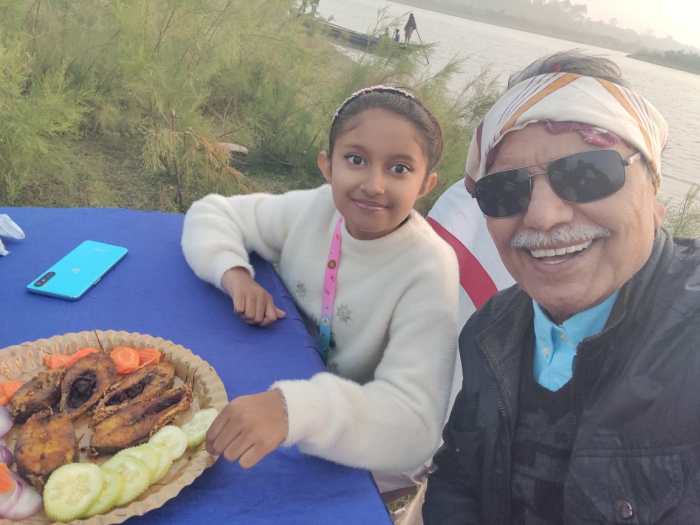
3. Excessive Ultra-Processed Snacking
Convenience-driven eating often leads to an over-dependence on packaged snacks—chips, cookies, instant noodles, or sugary beverages.
However, ultra-processed foods are loaded with refined flour, added sugars, and unhealthy fats.
These trigger chronic inflammation, which in turn accelerates aging and contributes to obesity, hypertension, diabetes, and cancer.
The antidote lies in making the kitchen healthier. Seniors should replace processed snacks with whole foods: fruits, nuts, yogurt, roasted chickpeas, or homemade smoothies.
Preparing simple snacks at home may feel like extra work but it is an investment in disease-free living.
Choosing colorful, whole, nutrient-dense food is one of the simplest ways to keep inflammation, and thereby many chronic diseases, at bay.
4. Living in Chronic Stress Mode
Chronic stress is often called the “silent killer.” It wears down the body invisibly by raising blood pressure, weakening the immune system, and increasing the risk of heart disease and depression.
Seniors often fall into a cycle of overthinking, loneliness, financial worries, or carrying unresolved emotional burdens, which fuels long-term stress.
The good news is that stress can be managed with conscious lifestyle practices. Yoga, meditation, journaling, gardening, or spending time in prayer are proven ways of calming the nervous system.
For many seniors, simply talking to loved ones more often or joining a hobby group can lift the burden of isolation.
What matters most is to refuse to live in “stress mode.” A relaxed mind makes the body stronger.

5. Avoiding Preventive Health Check-Ups
Many people avoid health check-ups until illness strikes. Unfortunately, this habit often leads to late diagnosis, which then requires aggressive treatment.
Regular preventive screening, on the other hand, empowers individuals to detect issues early and manage them before they escalate into serious conditions.
Blood pressure checks, cholesterol tests, sugar levels, prostate and breast screenings, or bone density scans done periodically can save lives.
They also provide peace of mind, which itself reduces stress. By midlife and beyond, seniors should look at preventive checkups not as a burden but as a privilege—an opportunity to stay ahead of disease.
My Final Submission
Aging with vitality is not a matter of chance but of choice. The habits we neglect often weaken health, while the mindful decisions we embrace can transform senior years into a truly flourishing chapter of life.
By prioritizing sleep, keeping muscles strong, choosing wholesome foods, managing stress, and embracing preventive care, seniors can unlock a future filled with resilience and peace.
The true secret of disease-free living lies not in extraordinary measures but in consistent, conscious actions.
In the golden years, the goal is not just survival but joyful living: to rise each morning with energy, walk with strength, eat with mindfulness, rest with peace, and live each day with gratitude.
These small habits, practiced daily, are indeed the timeless secrets of a disease-free life for the elderly.

BE HAPPY… BE ACTIVE… BE FOCUSED… BE ALIVE
If this post inspired you, show some love! 💙
✅ Like | ✅ Follow | ✅ Share | ✅ Comment
www.retiredkalam.com
Categories: infotainment
 Retiredकलम
Beautifully written, Verma ji! 👏
Your article is truly enlightening and touches upon the most essential aspects of healthy aging. I especially loved how you framed longevity as “adding life to years” rather than just adding years to life—that perspective shift is everything!
The five habits you’ve highlighted are spot-on. Chronic sleep deprivation is indeed the silent thief of health that many ignore. Your personal touch about late-night writing made it relatable and genuine.
And that point about strength training being “muscles as medicine” is powerful! So many seniors don’t realize that maintaining muscle is directly linked to maintaining independence.
Your kitchen advice about replacing processed snacks with whole foods is practical wisdom we can all apply starting today. Simple, doable, transformative.
Thank you for this gentle yet profound reminder that our golden years can truly be our best years—not by chance, but by the mindful choices we make. Your closing lines about rising with energy, walking with strength, and living with gratitude are simply beautiful.
Stay blessed and keep sharing such valuable insights! 🙏
LikeLiked by 3 people
Thank you so much for your thoughtful and uplifting words.
I’m truly grateful that the message resonated with you so deeply.
Your reflections captured the heart of it beautifully—especially your emphasis on mindful choices shaping not just how long we live, but how well we live.
LikeLiked by 2 people
We put so much effort into getting to this age, career, family, retirement, etc. we can’t stop now. We need to be more aware of our health, diet and exercise regimes than ever before. So many of our friends have looked at retirement as a time to sit back and do nothing. Far from it, it is a time to relax, but also a time to look after yourself. As you say, life is more about quality than quantity. Diet, exercise, walking, reading, doing your hobbies, time with family an friends all add that quality. Have a great day. Allan
LikeLiked by 2 people
Thank you, Allan.
You’ve expressed that so wisely. Reaching this stage of life isn’t a signal to slow down into stillness, but an invitation to live more intentionally.
I love how you frame retirement not as stopping, but as shifting focus—toward health, curiosity, connection, and the simple joys that enrich our days.
LikeLiked by 3 people
very nice .
LikeLiked by 2 people
Thank you so much.
LikeLiked by 1 person
this should be required reading for everyone Vijay. i hope WP picks this up on their recommended posts. great work on this! Mike
LikeLiked by 2 people
Thank you so much, Mike!
I truly appreciate your encouraging words and support. It means a lot to know the message resonated with you.
Staying healthy in our golden years is a blessing we should all strive for, and I’m grateful you feel it’s worth sharing.
Hopefully it reaches many more readers and inspires them too. Warm regards! 🌿
LikeLiked by 1 person
Aging well requires exercise and a healthy diet. Great post, Vijay.
LikeLiked by 2 people
Thank you so much! I really appreciate your kind words.
I completely agree—staying active and eating well truly make a big difference in how we age.
I’m glad the post resonated with you!
LikeLiked by 2 people
Thanks for the reminder, Sir V. I’m approaching 60, so I should take this advice seriously.
I’m most guilty of sleeping late. As a night person, my brain is active after 10 PM just when the rest of my body wants to go to bed. Every day is a struggle between my brain and body. As a nocturnal writer yourself, how do you handle the dilemma?
LikeLiked by 2 people
Thank you for sharing that so honestly! I can completely relate to that tug-of-war between a lively night-owl mind and a body that’s asking for rest. Many creative people find their thoughts flow most freely late at night, so you’re definitely not alone in that rhythm.
What I’ve found helpful is not forcing a total change, but gently creating a middle ground. Instead of fighting the night energy, you can work with it—perhaps letting yourself write or think creatively in the evening, then setting a soft “wind-down ritual” that signals your body it’s time to rest. Simple habits like dimming lights, stepping away from screens, or listening to calming music can help the body catch up with the mind. Consistency matters more than perfection; even small adjustments in sleep timing can make a big difference over time.
LikeLiked by 2 people
Thanks for the advice! Ease into a new routine instead of stopping cold turkey. That sounds reasonable and doable. Will try it tonight straightaway. It’s 8 PM now in my neck of the woods. I should be winding down by 10-ish.
LikeLiked by 2 people
Thank you for this! Consistent, conscious actions is what I’ve started this year as I am moving into my 50’s. Be blessed, stay well💖
LikeLiked by 2 people
Wow, Verma ji, such smart advice for staying healthy in our later years! I really like the tips on better sleep, building strength, and ditching stress—they’re spot on for living longer and feeling great. Super inspiring!
LikeLiked by 1 person
Thank you so much for your thoughtful encouragement 🙏
I’m really glad the advice resonated with you. As we move into our later years, health becomes less about chasing perfection and more about building consistency — better sleep, steady strength, and a calmer mind truly are quiet pillars of longevity.
LikeLiked by 1 person