
Positive Thinking For a Better Life
Positive thinking is more than a feel-good slogan or a motivational quote pinned to a wall.
It is a mindset—a deliberate way of approaching life that shapes how we respond to challenges, relationships, and even ourselves.
When practiced consistently, positive thinking doesn’t just make life happier; it makes it healthier, more resilient, and deeply meaningful.
At its core, positive thinking is not about ignoring problems or pretending everything is perfect.
Life is messy, unpredictable, and sometimes painfully hard. Positive thinking is about choosing a constructive perspective even when things go wrong.
It’s the belief that setbacks are temporary, that growth is possible, and that effort matters. This simple shift in mindset can quietly transform the quality of our lives.
The Power of Perspective
Every situation has multiple interpretations. Two people can face the same challenge and walk away with entirely different experiences.
One may see failure; the other sees feedback. Positive thinking trains the mind to look for opportunity, learning, or hope—even in difficulty.
This perspective doesn’t change reality, but it changes how reality affects us.
When we focus on what we can control rather than what we can’t, we feel less overwhelmed.
A positive mindset helps us replace questions like “Why is this happening to me?” with “What can I learn from this?” That single change can reduce stress and increase emotional strength.

Mental and Emotional Benefits
Positive thinking has a direct impact on mental health. Studies consistently show that optimistic individuals experience lower levels of stress, anxiety, and depression.
When the mind is trained to expect better outcomes, it becomes less reactive to fear and negativity.
Emotionally, positive thinkers tend to recover faster from disappointment. They don’t dwell endlessly on mistakes or regrets. Instead, they acknowledge emotions, accept them, and move forward.
This emotional flexibility builds resilience—the ability to bounce back stronger after adversity.
Positive thinking also nurtures self-confidence. When you believe in your ability to handle challenges, you’re more likely to take healthy risks, pursue goals, and step outside your comfort zone.

Physical Health and Positive Thinking
The mind and body are deeply connected. Chronic negative thinking triggers stress responses in the body, releasing hormones that can weaken immunity, raise blood pressure, and disrupt sleep. Over time, this takes a toll on physical health.
Positive thinking, on the other hand, supports better well-being. Optimistic individuals are more likely to engage in healthy behaviors such as exercising, eating well, and maintaining regular routines.
They often experience improved energy levels, better sleep, and even faster recovery from illness.
A positive outlook doesn’t cure diseases, but it creates an internal environment that supports healing.

Relationships and Social Life
Our mindset influences how we interact with others. Positive thinkers are generally more approachable, empathetic, and supportive.
They listen better, communicate more openly, and handle conflict with maturity. This naturally strengthens personal and professional relationships.
When you approach people with optimism and understanding, you create emotional safety. Others feel seen and valued, which deepens trust and connection.
Positive thinking also helps us forgive more easily—letting go of grudges that drain emotional energy and damage relationships.
Cultivating Positive Thinking
Positive thinking is a skill, not a personality trait. It can be learned and strengthened with practice. One powerful habit is gratitude.
Taking time each day to notice what’s going well—even small things—trains the brain to focus on abundance rather than lack.
Another practice is mindful self-talk. Pay attention to the way you speak to yourself. Replace harsh inner criticism with encouragement and realism.
Instead of saying, “I can’t do this,” try, “This is hard, but I’m learning.”
Surrounding yourself with positive influences also matters. The people you spend time with, the content you consume, and the conversations you engage in all shape your mindset. Choose environments that uplift and inspire you.
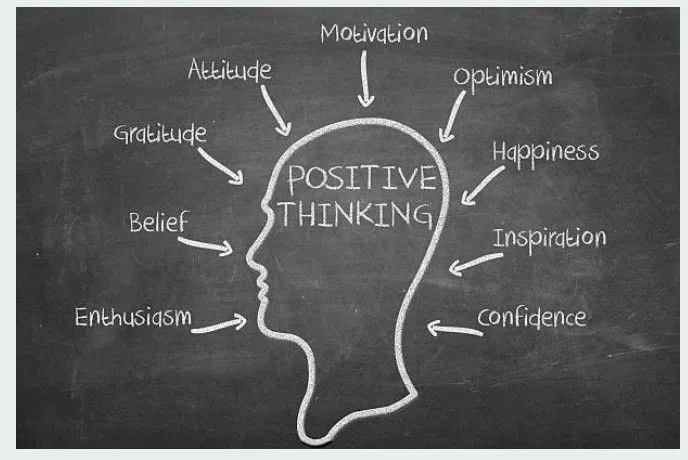
Positive Thinking in Daily Life
Positive thinking doesn’t mean every day will feel amazing. Some days will still be heavy.
The difference is that with a positive mindset, you trust that difficult moments will pass and that you have the strength to handle them.
Over time, positive thinking becomes a quiet inner ally—guiding decisions, softening disappointments, and amplifying joy. It helps you live with intention rather than reaction.
My Final Submission
A better life doesn’t come from perfect circumstances; it comes from a healthier way of thinking.
Positive thinking empowers you to face reality with courage, hope, and clarity.
It strengthens your mind, supports your body, enriches your relationships, and opens the door to personal growth.
By choosing positive thinking—one thought at a time—you don’t just improve your outlook on life. You improve the life you’re living.

BE HAPPY… BE ACTIVE… BE FOCUSED… BE ALIVE
If this post inspired you, show some love! 💙
✅ Like | ✅ Follow | ✅ Share | ✅ Comment
www.retiredkalam.com
Categories: infotainment


Verma ji, good evening 🙏
Your words carry quiet strength and clarity.
Positive thinking, as you’ve expressed, is not denial it’s discipline of perspective. The way you’ve connected mindset with resilience, health, and relationships makes the message both practical and inspiring.
Especially powerful is this shift:
“What can I learn from this?”
That single question truly transforms struggle into growth.
Beautifully written, thoughtful, and uplifting.
Keep spreading light through your reflections.
LikeLike
Good evening, and thank you sincerely for your generous and thoughtful message. Your words touched me deeply. I’m truly glad that the reflection spoke to you, especially that simple yet powerful question—“What can I learn from this?” To me, it has always been a guiding light in moments of difficulty, gently reminding us that growth often hides within challenges.
LikeLiked by 1 person
very nice
LikeLike
Thank you so much.
LikeLike
Awesome
LikeLiked by 1 person
Thank you so much.
I truly appreciate your kind words and encouragement. It means a lot to know you enjoyed it.
Your support really brightens the moment and keeps the inspiration flowing. Wishing you a wonderful day ahead!
LikeLike
Very well written post about how positivity is better for outcomes, learning and mental health. If everything always went perfectly, none of us would learn the power of problem solving and the ability to roll with the situation. As they say, you learn more from your mistakes than your successes. I have learned a lot over the years and while things can seem dark at times when you encounter problems and challenges, calm reasoning can help turn the light back on. Have a wonderful day. Allan
LikeLiked by 1 person
Thank you so much, Allan, for your thoughtful and insightful words. I truly appreciate your perspective—it’s so true that challenges often become our greatest teachers, shaping our resilience and sharpening our ability to navigate life with wisdom and calm. Your reflection adds such depth to the conversation, and I’m grateful you shared it. Wishing you a wonderful day filled with light and positivity as well.
LikeLiked by 1 person
Friend, your text reminds us that life doesn’t only change when the world changes; it transforms when our perspective changes. Thinking positively isn’t about denying the shadow, it’s about lighting a light within it.
There’s a silent strength in choosing hope when it would be easier to choose fear. It’s in this invisible gesture, repeated every day, that we build not a perfect life, but a conscious, whole, and vibrant one.
May we never lack this serene courage to adjust our thoughts to align our hearts. Thank you for bringing us this insight. 🙂🙏🏻✨🌌✍🏻
LikeLiked by 1 person
Thank you for such a profound and beautifully expressed reflection. Your words carry a quiet wisdom that truly resonates with the heart. I deeply appreciate how you captured the essence of the message—that true transformation begins within, in the gentle shift of our perspective and the courage to choose hope again and again.
Your thoughtful response means more than I can say. It’s exchanges like this that remind me how powerful shared insight can be, and how words, when felt sincerely, can connect souls across distance. Grateful for your kindness and for the light you’ve added to this conversation. 🙏✨
LikeLiked by 1 person
Thank you for the gentle reminder and for the beautiful way you express yourself.
LikeLiked by 1 person
You’re most welcome. Your kind words truly mean a lot, and I’m grateful that the message resonated with you. It’s always heartening to know that something expressed from the heart finds a place in another’s thoughts. Thank you for your warmth and encouragement—it’s deeply appreciated.
LikeLiked by 1 person
Positive thinking is, indeed, empowering. By yourself, it’s a sustainable mindset to have. What if your partner in life is not as positive? It’s quite a challenge to maintain such optimism in the face of daily pessimism. Right, Sir V?
LikeLiked by 1 person
You’re absolutely right—staying positive on your own can feel natural and strengthening,
but when a life partner tends to see the glass half empty, it can test even the most optimistic spirit.
It’s a real-world challenge many people quietly face.
LikeLiked by 1 person
Nicely shared.
LikeLiked by 1 person
Thank you so much for your appreciation.
Your words mean a lit to me.
LikeLiked by 1 person
My pleasure.
LikeLiked by 1 person
Pleasure is truly mine.
Stay happy and keep sharing.
LikeLiked by 1 person