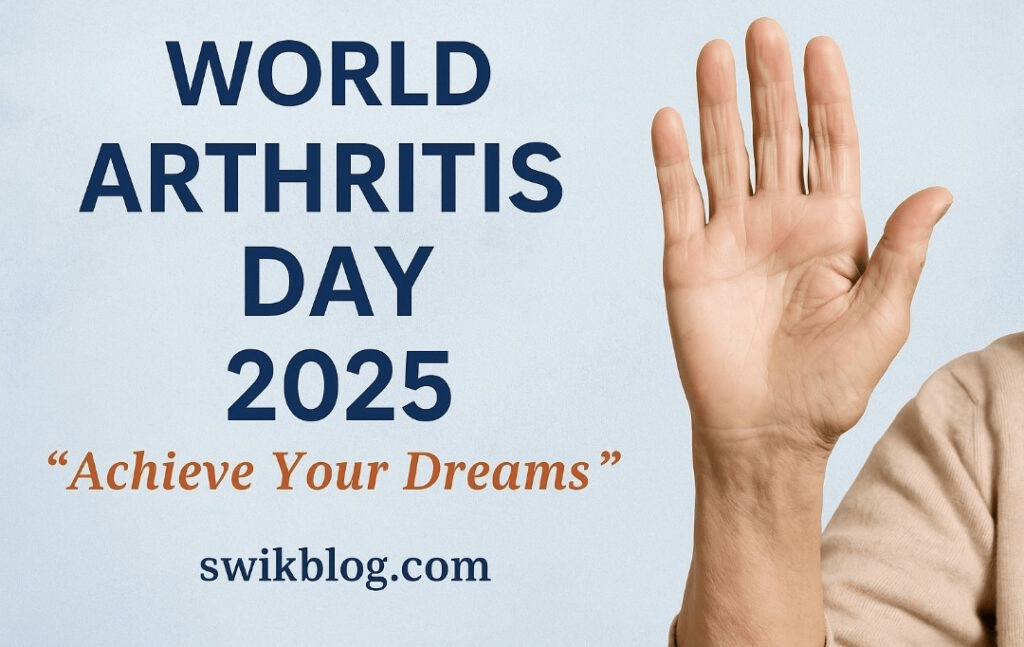
World Arthritis Day 2025
Dear friends,
Every year on October 12, the world observes World Arthritis Day, an initiative that began in 1996 to raise global awareness about one of the most widespread yet misunderstood conditions — arthritis.
Despite its prevalence, arthritis often remains hidden beneath smiles, ignored by the unaffected, and underestimated by society at large.
The Arthritis Foundation continues to champion this day annually, urging us all to better understand the disease that silently affects half a billion people worldwide.
As a senior citizen myself, this day holds personal significance. Many of us in our later years have either experienced arthritis firsthand or have loved ones who live with it daily.
But it’s important to remember — arthritis doesn’t just affect the elderly. It impacts children, young adults, and middle-aged individuals, sometimes as early as infancy.
Let’s explore the realities of this disease, why it deserves more attention, and some lesser-known facts that shed light on its true nature.
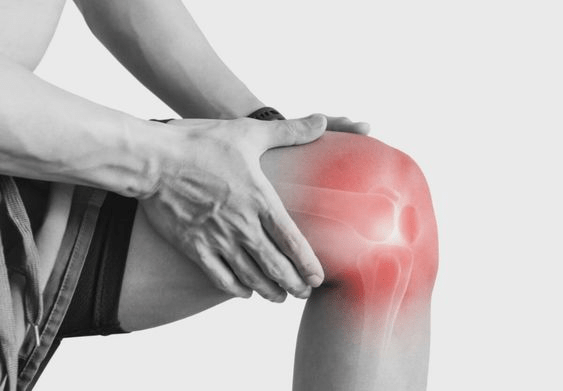
🌍 The Global Picture: More Than Just “Joint Pain”
Arthritis is not a single disease but an umbrella term that covers over 100 different types of joint and musculoskeletal disorders, collectively known as Rheumatic and Musculoskeletal Diseases (RMDs).
These range from the common osteoarthritis to the autoimmune rheumatoid arthritis (RA) and psoriatic arthritis (PsA), among others.
The statistics are staggering:
- 500 million people worldwide live with arthritis.
- Nearly 60 million adults and children in the U.S. are affected — that’s roughly 1 in 4 adults
. - Arthritis is the No. 1 cause of disability in the U.S., yet only 7% of people knew this, according to a 2018 Harris Poll
. - It accounts for almost 1 million hospitalizations annually.
- Among adults with arthritis, 47% have at least one other chronic condition, such as diabetes or heart disease.
This disease is not only physically painful — it carries emotional and financial consequences. The inability to move freely, work efficiently, or live without pain can erode one’s sense of independence and dignity.
And yet, because arthritis isn’t always visible, many people fail to grasp its severity.
💻 Navigating the Digital Maze
In today’s fast-paced digital world, people living with arthritis or other RMDs face an overwhelming sea of information. While technology offers empowerment, it also breeds confusion.
The internet is flooded with advice, home remedies, and sometimes, misinformation. Sorting fact from fiction can be daunting.
This is where trusted medical organizations and evidence-based resources play a crucial role.
Patients need credible information to make informed decisions — not quick fixes or miracle cures. Collaboration between patients and healthcare professionals remains the cornerstone of effective management.
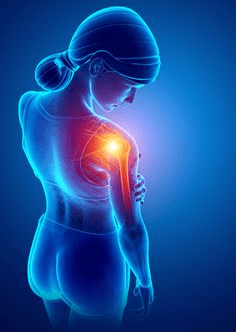
💔 The Emotional Burden
Arthritis is often called an invisible disease — its pain doesn’t always show, yet it deeply affects daily life.
Chronic pain can lead to fatigue, sleep issues, and even depression. Many individuals silently battle feelings of isolation or frustration when they can’t do simple tasks they once took for granted.
The emotional toll is as significant as the physical one. Support from family, friends, and patient communities can make a world of difference. Empathy and awareness are as vital as medical treatment.
🧠 Lesser-Known Facts About Arthritis
- It’s not just one disease: There are more than 100 types of arthritis, and each affects the body differently.
- Children can get arthritis: Juvenile idiopathic arthritis (JIA) affects thousands of children globally — some as young as a few months old.
- Weather can influence symptoms: Many arthritis sufferers claim their pain intensifies with humidity or falling barometric pressure — and some research supports this link.
- Exercise helps, not hurts: Low-impact exercises like yoga, swimming, and cycling can actually ease joint pain and improve flexibility.
- Diet plays a role: Anti-inflammatory foods like berries, leafy greens, and fatty fish (rich in omega-3) can help manage symptoms, while processed and sugary foods may worsen inflammation.
- It affects more women than men: Women are three times more likely to develop rheumatoid arthritis.
- The mind-body connection matters: Stress can trigger inflammation and worsen symptoms, so mindfulness and relaxation techniques can aid overall well-being.

🧩 A Senior’s Reflection
Having seen many friends and peers struggle with arthritis, I realize that awareness is only the first step. What’s truly needed is understanding and empathy.
The stiffness, pain, and fatigue aren’t signs of weakness — they are reminders of human resilience. Every person living with arthritis fights a daily battle that isn’t always visible.
As a senior citizen, I’ve learned that while aging is inevitable, suffering in silence doesn’t have to be.
Through awareness, early diagnosis, and lifestyle management, life with arthritis can still be active, meaningful, and fulfilling.
Movement, mindfulness, and medical care — these are our best allies.

💬 A Call to Awareness
On this World Arthritis Day 2025, let’s renew our commitment to spreading awareness and compassion. Let’s talk about arthritis — not just on October 12, but throughout the year.
Support research, share accurate information, and listen to those who live with this condition.
Arthritis may not have a cure yet, but understanding, awareness, and care can be powerful medicines in themselves.
Together, we can make the invisible pain visible — and bring hope to millions worldwide.

BE HAPPY… BE ACTIVE… BE FOCUSED… BE ALIVE
If this post inspired you, show some love! 💙
✅ Like | ✅ Follow | ✅ Share | ✅ Comment
www.retiredkalam.com
Categories: infotainment
 Retiredकलम
nice post .
LikeLiked by 1 person
Thank you so much.
LikeLiked by 1 person
This is such a beautiful and profoundly important piece, Verma ji. Thank you for sharing your perspective, which bridges the gap between stark statistics and the deeply human experience of living with arthritis.
Your words, “arthritis often remains hidden beneath smiles,” truly struck a chord. You have given a voice to the silent struggles of millions, reminding us that pain isn’t always visible, but it is always valid. The way you’ve woven together the global facts with the emotional and personal toll is both enlightening and moving.
As a senior citizen, your reflection carries the weight of experience and the grace of empathy. Your message that “aging is inevitable, but suffering in silence doesn’t have to be” is a powerful beacon of hope. You reframe the narrative from one of limitation to one of resilience, highlighting that a life with arthritis can still be “active, meaningful, and fulfilling.”
Your call for awareness, compassion, and accurate information is a vital one. You are not just observing a day; you are actively working to dismantle the misunderstandings that surround this condition.
Thank you, Verma ji, for using your voice to make the invisible visible. Your article is a gift of understanding and a true act of service on this World Arthritis Day. 🤝🌷 May your message of movement, mindfulness, and medical care reach and comfort many.🙏🏼
LikeLiked by 2 people
Thank you so much for your deeply thoughtful and heartwarming words. I’m truly humbled by your response. 🙏🏼
Your reflection beautifully captures the very essence of what I hoped to convey — that behind the statistics lie real human stories of endurance, strength, and quiet courage.
It means a great deal to know that my words resonated with you and helped shine a little light on the often-unseen struggles of those living with arthritis.
LikeLiked by 1 person
Everyone with arthritis has told me that you have to remain active.
LikeLiked by 2 people
That’s absolutely true.
Staying active is one of the most effective ways to manage arthritis.
Gentle movement helps keep the joints flexible, strengthens the muscles around them, and improves overall well-being.
Even light activities like walking, stretching, or yoga can make a big difference.
It’s inspiring to hear that so many people emphasize the power of movement — it truly is key to living well with arthritis. 🌿💪
LikeLike
This is an important post, Vijay.
LikeLiked by 1 person
Thank you so much for your kind words💕
I truly appreciate you taking the time to read it.
I’m glad you found the post meaningful — raising awareness about arthritis is something very close to my heart.
Your support and encouragement mean a lot! 🌿
LikeLiked by 1 person
The expression of silent pain underscores the profound human desire for recognition, healing, and truth. This unspoken suffering, encompassing emotional, psychological, and societal aspects, frequently remains latent due to its complexity, societal taboos, or overwhelming nature. However, when given a voice, it can be addressed.
LikeLiked by 1 person
Beautifully expressed — your words capture the essence of what lies beneath silent pain. Indeed, acknowledging and giving voice to unspoken suffering is the first step toward understanding, healing, and compassion. When silence transforms into expression,
it not only brings relief to the one who suffers but also opens the hearts of others to empathy and awareness.
Thank you for such a thoughtful and deeply meaningful reflection. 🌿
LikeLike
It is evident that the content of your post has been favorably received.
LikeLiked by 1 person
Thank you so much for your kind observation!
I’m truly heartened to know that the post has resonated with readers.
It’s encouraging to see such positive engagement on an important topic like arthritis awareness.
I’m grateful for the support and thoughtful responses — they inspire me to keep sharing and creating meaningful content. 🌷
LikeLike