

Hello dear friends,
I hope this Blog finds you in a cheerful mood. Today’s writing prompt question is quite thought-provoking as I read, “Do lazy days make you feel rested or unproductive?”
At first glance, it seems like a simple question—but when you pause to reflect, it opens a window into how we view time, rest, and our own sense of worth.
Lazy days can feel like a double-edged sword:
On one side lies the bliss of rest and renewal, and on the other, the unease of unproductivity..
The truth is more nuanced: lazy days hold value not in their activity or output, but in balance, intention, and self-awareness
The Paradox of Laziness
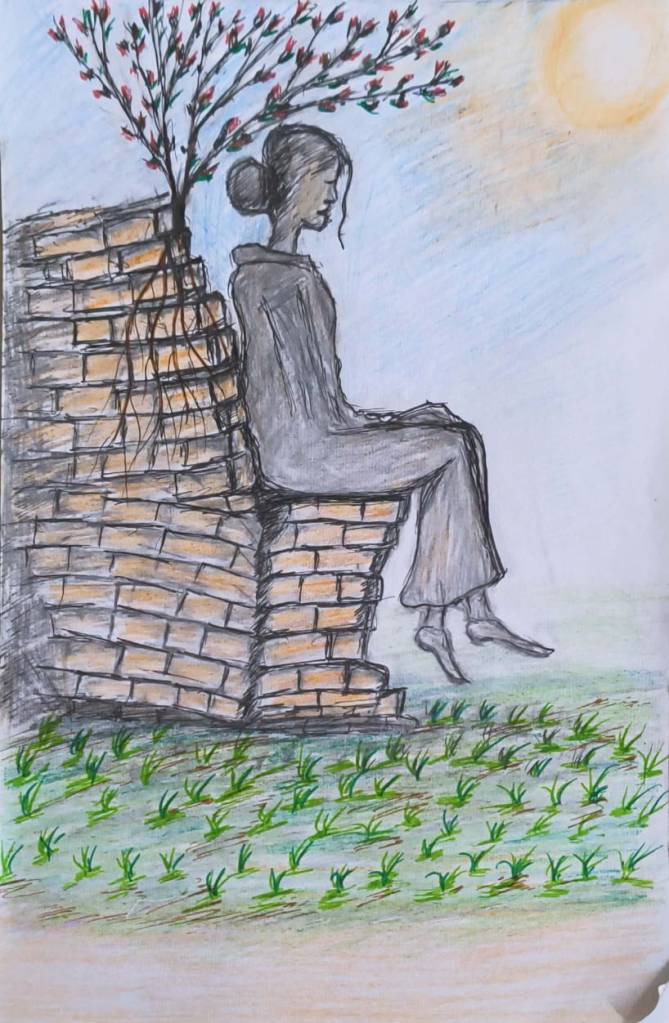
There is a duality to lazy days. On one hand, they are restorative.
After weeks or months filled with deadlines, routines, and responsibilities, a day spent lingering in bed, sipping tea, or simply watching the clouds drift by can feel like a gift.
These moments of stillness allow the mind to breathe, emotions to settle, and creativity to emerge.
For writers, artists, and thinkers, such pauses can be fertile ground.
A wandering mind often stumbles upon insights and metaphors that a busy schedule would never allow.
Yet, lazy days can also carry a shadow. Inactivity often breeds guilt. The cultural narrative of productivity equates busyness with worth, leaving those who rest feeling they are wasting time or falling behind.
For creatives, this tension can be particularly poignant. Writers and bloggers, whose work is often self-driven, may find themselves judging a day of rest as failure.
The tug-of-war between relaxation and perceived responsibility is real, and navigating it requires conscious attention.

Rest as a Necessity, Not a Luxury
Rest should not be treated as a luxury—it is essential.
Just as farmland lies fallow between harvests to regain fertility, humans need pauses to restore their energy, focus, and creativity.
Lazy days allow the senses to recalibrate: a painter might notice subtler shades of color, a poet may perceive the rhythm in everyday sounds, and anyone can feel the simple pleasure of slowing down their breath.
Intentional rest is the key.
It is not avoidance but a deliberate act of self-care. Viewing downtime as an investment rather than a loss transforms the way we experience lazy days.
Studies consistently show that deliberate rest improves problem-solving, boosts productivity, and protects mental health. When approached thoughtfully, lazy days are not wasted—they are foundational.
The Fine Line Between Rest and Inertia
The feeling of unproductivity often arises when lazy days lack structure or purpose. Mindlessly scrolling through social media, binge-watching shows, or procrastinating can leave a lingering sense of dissatisfaction.
The difference between restorative laziness and inert lethargy is subtle but crucial.
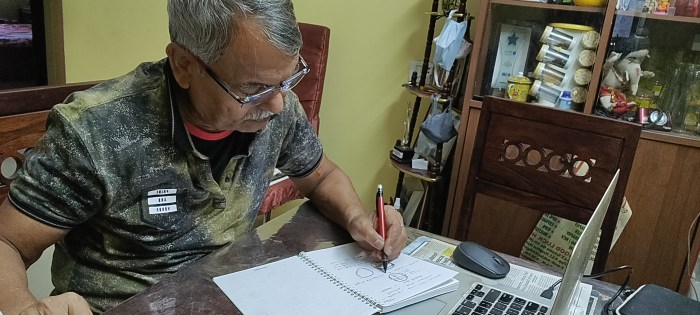
Mindful laziness, for instance, can include gentle rituals and nurturing activities: reading a favorite book, taking a slow walk in nature, journaling, meditating, or sketching.
These actions are chosen, not compulsive, and they honor the need for rest. In contrast, avoiding responsibility or drifting aimlessly often results in frustration, guilt, and a sense of emptiness.
The Writer’s Dilemma: Between Output and Idleness
For creatives, the challenge of lazy days is particularly acute.
The pressure to produce can make relaxation feel impossible, yet some of the richest creative breakthroughs come from moments of stillness.
Writers, poets, and bloggers often find that ideas flow most freely when the mind is unburdened by deadlines.
Free time allows thoughts to connect, metaphors to form, and inspiration to surface organically.
Accepting that not every moment must be productive is essential.
Creativity thrives in cycles: action followed by quiet, output followed by reflection, doing followed by being.
Lazy days, then, are not interruptions—they are integral to the creative rhythm.
Reframing Laziness for Growth and Well-being
Transforming lazy days into opportunities for rest and inspiration requires intention. Some strategies include:
- Setting gentle intentions: Choose one restorative activity, such as journaling, sketching, or walking.
- Practicing gratitude: Appreciate leisure as a gift rather than a guilty indulgence.
- Listening to the body and mind: Allow physical and emotional cues to guide the pace of the day
- Embracing creative daydreaming: Let ideas surface without pressure or judgment.
By integrating these practices, lazy days become more than a break from life—they become a form of deep self-care, fostering joy, creativity, and renewed energy.
The Power of Pause
Lazy days embody a paradox: they can feel both restful and unproductive. Their true value emerges only when approached with awareness, intention, and self-kindness.
Mindful rest restores energy, nurtures creativity, and strengthens mental health, while unmindful idleness can leave one feeling hollow and frustrated.
Each individual must find their balance, learning to honor these pauses as essential, natural, and necessary parts of life.
In the gentle rhythm of living, lazy days are not interruptions to productivity—they are opportunities for reflection, renewal, and growth.
When embraced without judgment, they allow life, creativity, and even work to bloom more fully.

BE HAPPY… BE ACTIVE… BE FOCUSED… BE ALIVE
If this post inspired you, show some love! 💙
✅ Like | ✅ Follow | ✅ Share | ✅ Comment
www.retiredkalam.com
Categories: infotainment
 Retiredकलम
Weekends of my sisters are their lazy days because I can feel that they sleep longer and just play some music. They deserved it for a week of work. You’re so right, Verma.
LikeLiked by 1 person
Absolutely! Weekends are the perfect time to recharge after a busy week.
Sleeping in, enjoying music, and simply relaxing is well-deserved.
It’s amazing how a little rest can make the week ahead feel lighter and brighter. 😊
LikeLiked by 1 person
Wow imaging post
LikeLiked by 2 people
Thank you so much❤️
I’m glad you enjoyed it—it means a lot to hear that. 😊
LikeLiked by 1 person
Fabolous post! If I’m going to be honest, I struggle with this all the time. I love being productive, going on adventures, and trying new things. Unfortunately, I will go go go until I simply cannot. Then feel immense guilt when I have a lazy day. I just hate that feeling of cabin fever and being idle. It’s like an odd sense of FOMO. You are so right about finding that perfect balance between work and rest. Especially the difference between restfulness and idleness. Thank you for your thought-provoking posts Verma :).
LikeLiked by 2 people
Thank you so much for sharing so openly❤️ I completely understand what you mean—
there’s a strange mix of FOMO and guilt that comes with slowing down, especially when we’re used to constant motion.
The key, I think, is learning to honor those lazy days as a form of self-care rather than a setback.
Even the most adventurous and productive souls need pauses to recharge, reflect, and let creativity flow.
Finding that balance isn’t always easy, but embracing rest with intention makes all the difference.
I’m glad the post resonated with you—it’s such an important conversation to have. 😊
LikeLiked by 2 people
Absolutely! Blessing for your journey ❤️.
LikeLiked by 2 people
Thank you so much! ❤️
Your kind words truly mean a lot.
Wishing you blessings and positivity on your journey as well. 🌷
LikeLiked by 2 people
very nice
LikeLiked by 2 people
Thank you so much.
LikeLiked by 1 person
How do define Rest . I haven’t figured that yet
LikeLiked by 3 people
That’s such a meaningful question—and honestly, one many of us are still figuring out. 💭
For me, rest isn’t just about sleep or doing nothing; it’s about anything that helps you feel grounded, recharged, and at peace.
It could be reading, walking, meditating, or even sitting quietly with your thoughts.
Rest looks different for everyone, and the beauty lies in discovering what truly restores you. 🌿
LikeLiked by 1 person
Dear Verma Ji,
It was essential to spend some time pondering on the post. Therefore, I am responding late. Your post is marvellous, as usual.
Thanks for liking my post, Reunion. 😊💖❤️🌹
LikeLiked by 2 people
Thank you so much for your kind and thoughtful words.
I truly appreciate the time you took to reflect and respond—it means a lot.
I’m so glad you enjoyed the post, and Reunion was a wonderful read as well. 🌸😊
Wishing you continued inspiration and joy in your writing journey. ❤️🌹
LikeLiked by 2 people