Hello dear friends,
I hope this blog finds you well. Today, we explore the intriguing world of superstitions—a mix of beliefs found in cultures around the globe.
While many know about avoiding walking under ladders or the bad luck of Friday the 13th, India has a variety of lesser-known superstitions that still subtly affect daily life.
Growing up in India, I too was introduced to various superstitions on numerous occasions.
These beliefs, often passed down through generations, have shaped behaviors and perceptions, adding layers of meaning to our everyday actions.
Let’s delve into some of these intriguing superstitions and their origins, exploring how they reflect the diverse cultural heritage of our nation.

1. Shaking Legs: A Drain on Wealth
In India, it’s commonly believed that shaking one’s legs while seated can lead to financial loss.
This superstition likely stems from the notion that such restless behavior signifies anxiety or impatience, traits traditionally associated with instability and potential monetary setbacks.
2. Washing Hair on Certain Days: Inviting Misfortune
Another prevalent belief discourages washing hair on specific days, such as Thursdays and Saturdays, as it’s thought to wash away good luck or wealth.
This practice underscores the cultural significance attributed to routine activities and their perceived impact on one’s fortune.
In fact, I still adhere to this superstition and avoid washing hair and hair cutting on these days.
3. Trimming Nails at Night: A Bad Omen
In India, trimming nails after sunset is often considered bad luck. Historically, before the advent of electricity, cutting nails in dim lighting posed risks of injury.
This practical concern may have evolved into a superstition discouraging the practice during nighttime hours.
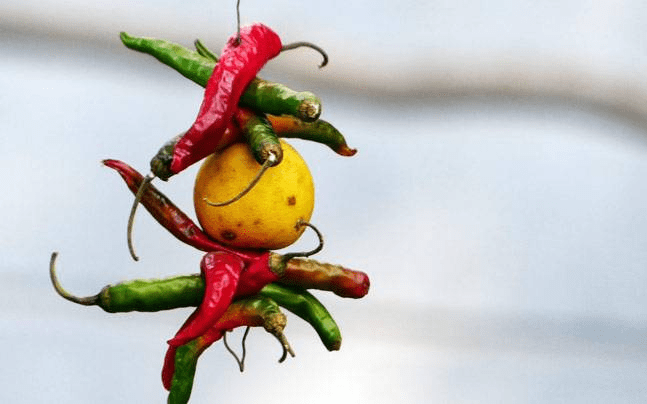
4. Hanging Lemon and Chillies: Warding Off Evil
It’s common in India to see a string of lemon and green chillies hanging at the entrance of homes or businesses.
This talisman, known as “Nimbu-Mirchi,” is believed to ward off the evil eye and bring prosperity. The acidity of the lemon and the spiciness of the chillies are thought to deter negative energies.
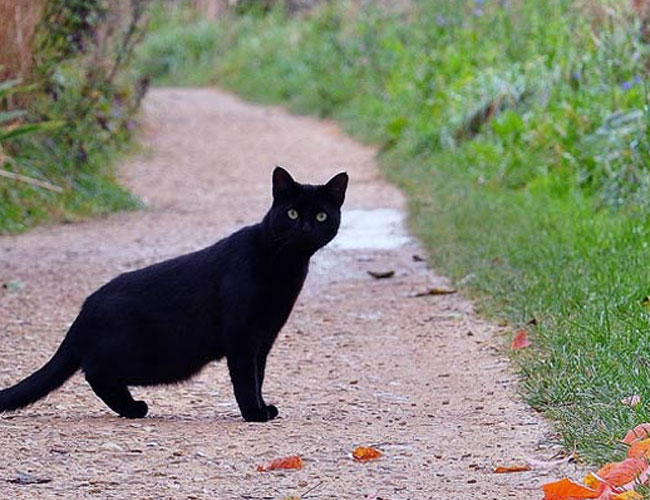
5. Black Cats Crossing Your Path: An Omen of Bad Luck
The belief that encountering a black cat brings bad luck has existed in many cultures for centuries.
In Western cultures, black cats have often been associated with witches and dark magic, thus earning a reputation as symbols of ill fortune.
This superstition finds its roots in ancient Celtic and Japanese folklore, where black cats were considered harbingers of misfortune and were believed to bring bad luck upon those whose paths they crossed.
6. Never Place Two Mirrors Opposite Each Other: Opening a Portal
In some cultures, placing two mirrors opposite each other is believed to open a doorway for the devil.
This superstition likely arises from the infinite reflections produced, creating an unsettling visual effect that evokes a sense of the supernatural.
7. Whistling at Night: Inviting Spirits
In South Korea, whistling at night is considered bad luck as it is believed to attract ghosts and bad spirits.
This superstition reflects a common theme in various cultures where certain sounds or actions are thought to summon supernatural entities.
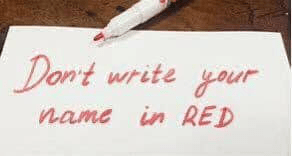
8. Writing Names in Red Ink: A Harbinger of Death
In South Korea, writing a person’s name in red ink is considered extremely bad luck, as red is symbolic of death.
This belief likely originates from the practice of writing the names of the deceased in red on funeral banners and gravestones.
9. Sleeping with Your Head Facing North: Disturbing the Soul
In Japanese culture, it’s believed that sleeping with your head facing north brings bad luck, as this is how the deceased are laid to rest.
This superstition underscores the importance of aligning one’s sleeping position with cultural beliefs to avoid misfortune.
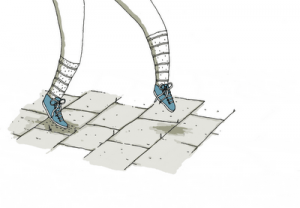
10. Stepping on a Crack: Harming Your Mother
The superstition “Step on a crack, break your mother’s back” suggests that stepping on cracks in the pavement can cause harm to one’s mother.
This belief, though seemingly whimsical, reflects a broader tendency to associate everyday actions with significant consequences.
11. Spilling Salt: A Bad Omen
Spilling salt is widely regarded as a bad omen, with various rituals developed to counteract the perceived misfortune.
One common practice involves throwing a pinch of the spilled salt over the left shoulder to ward off evil spirits.
This belief is rooted in ancient times when salt was a valuable commodity, and wasting it was considered unfortunate.
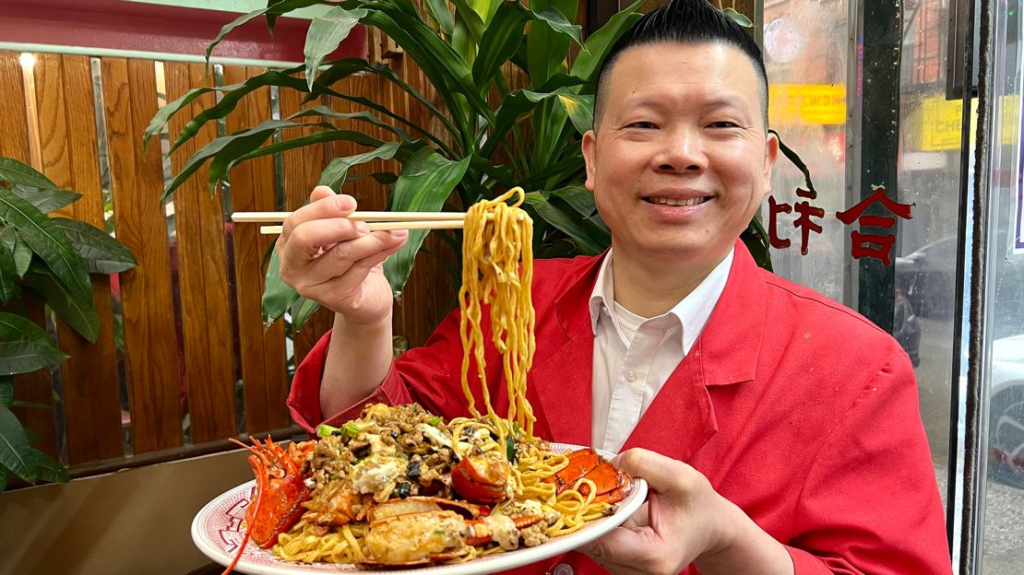
12. Cutting Longevity Noodles: Shortening Life
In Chinese culture, consuming longevity noodles during celebrations symbolizes a wish for a long life.
Cutting these noodles is considered unlucky, as it metaphorically shortens one’s lifespan. This superstition highlights the symbolic significance of food in cultural rituals and beliefs.
13. The Puffed Tortilla: A Sign of Marriage
In Mexican tradition, a tortilla that puffs up during cooking is seen as a sign that someone in the family will soon marry.
This belief adds a layer of anticipation and excitement to the simple act of preparing food, intertwining daily life with cultural superstitions.
14. Gifting a Knife: Severing Relationships
In Chinese culture, gifting a knife is believed to sever friendships unless a coin is given in return.
This practice ensures that the relationship remains intact despite the sharp nature of the gift.

15. Encountering a Garbage Truck: Predicting the Day’s Outcome
In some Indian cultures, seeing a garbage truck full of trash before leaving home is considered a sign that the day will go well, while encountering an empty garbage truck is seen as bad luck.
This superstition reflects the belief that abundance (a full garbage truck) symbolizes prosperity.

16. Nale Ba: The Witch’s Call
In Karnataka, India, there’s a legend of a witch who knocks on doors at night, calling residents by name.
To avoid harm, people write “Nale Ba” (Come Tomorrow) on their doors, believing the witch will read it and return the next day, thus perpetually postponing her entry.
Now, we can say
Superstitions, both well-known and obscure, continue to influence behaviors and traditions within various cultures. While some may dismiss these beliefs as mere folklore
BE HAPPY… BE ACTIVE… BE FOCUSED… BE ALIVE
If this post inspired you, show some love! 💙
✅ Like | ✅ Follow | ✅ Share | ✅ Comment
www.retiredkalam.com
Categories: infotainment
 Retiredकलम
All superstitions cataloged very nicely Verma ji 👍🏻🤝
LikeLiked by 1 person
Thank you so much for your kind words and encouragement.❤️
I’m delighted to hear that you found the compilation of superstitions engaging.
It’s fascinating how these beliefs, passed down through generations, continue to influence our daily lives.
If you have any personal superstitions or stories you’d like to share, I’d love to hear them!
Let’s continue exploring these intriguing cultural traditions together.
LikeLike
Yes most of the Indians believe many superstitious things which don’t have scientific value. Well shared 💐
LikeLiked by 2 people
Thank you for your thoughtful comment and kind words! 🌼
You’re absolutely right—many superstitions persist in India despite lacking scientific validation. These beliefs are deeply rooted in our cultural and traditional practices, often passed down through generations.
Interestingly, even among the educated populace, certain superstitions continue to hold sway. For instance, practices like consulting astrologers for auspicious timings or avoiding specific activities on certain days are still prevalent. This highlights the complex interplay between tradition and modernity in our society.
LikeLiked by 1 person
💐🙏🏼
LikeLiked by 1 person
Good morning, Priti.
Have a nice day.
LikeLiked by 1 person
Good morning 🌅 visit my YouTube channel 🙂 my daughter’s pree wedding shoot
LikeLiked by 1 person
What a wonderful milestone, ❤️
Sharing your daughter’s pre-wedding shoot on YouTube is such a beautiful way to celebrate this special time.
Your channel offers a heartfelt glimpse into a precious family moment,
Please convey my blessing to your daughter.❤️
LikeLiked by 1 person
Thank you so much 🙏🏼 yes absolutely your absolutely your blessings is very important in her life. Thank you so much 🙏🏼 I am glad 😊
LikeLiked by 1 person
I shared around 94 years of old my grandmother’s video 😁 please check it
LikeLiked by 1 person
That is great. I will watch that video.
LikeLiked by 1 person
very nice .
LikeLiked by 1 person
Thank you so much.
LikeLike
Cheap novelties reasonable nonprofit prices. (cotmedia)
LikeLiked by 2 people
If you’re seeking affordable novelty items at reasonable prices for your nonprofit, there are numerous options available that can effectively promote your cause without straining your budget.
LikeLiked by 2 people
I’m offering novelties at reasonable prices Vermavkv rather than only requesting them from others. It’s free and low cost promotion for a charitable cause.
LikeLiked by 2 people
That’s fantastic,👏 Offering novelties at reasonable prices to support charitable causes is a commendable initiative. By providing these items, you’re not only raising funds but also increasing awareness and engagement for your cause.
LikeLiked by 2 people
Yes.
LikeLiked by 2 people
Thank you so much.
LikeLiked by 2 people
So interesting! I’ve never heard the whistling at night one – how curious! Linda xx
LikeLiked by 2 people
I’m glad you found the superstition about whistling at night intriguing. Indeed, in South Korea, it’s believed that whistling after dark can summon spirits, ghosts, or even snakes . This belief is rooted in traditional Korean shamanism, where certain sounds are thought to attract supernatural entities .
It’s fascinating how a simple act like whistling can carry such varied meanings across different cultures. If you’re interested in exploring more about global superstitions, books like The Little Book of Superstitions or African and Caribbean Folktales, Myths and Legends offer insightful perspectives.
Thanks for sharing your emotions.❤️
LikeLiked by 2 people
In Australia whistling tends to just mean “I’m happy and relaxed and passing the time” – so interesting that it could have spookiness attached to it!
LikeLiked by 2 people
Hello Linda! 😊
It’s fascinating how cultural perspectives shape our interpretations of everyday actions like whistling. In Australia, as you mentioned, whistling is often a cheerful expression, signaling happiness and relaxation.
However, in various cultures across Asia, whistling at night carries a more ominous connotation.
In South Korea, for instance, there’s a long-standing belief that whistling after dark can attract malevolent spirits or even snakes.
Similarly, in Japan, the saying “If you whistle at night, snakes will come out!”
In Thailand, the belief is that whistling at night invites evil spirits into one’s home.
These beliefs highlight how a simple act can carry vastly different meanings across cultures. I
LikeLiked by 2 people
Wow! I’ve heard about a lot of these superstitions! I’ve kept some of them because they make some degree of scientific sense. For example, too much hair washing removes the hair’s natural oils. So for special days, you don’t want your hair too dry.
LikeLiked by 2 people
Absolutely, your observation is spot-on! Many traditional practices, often labeled as superstitions, have underlying practical wisdom. The belief in India that washing hair on certain days, like Thursdays or Saturdays, brings bad luck might have roots in the understanding that over-washing can strip the hair of its natural oils, leading to dryness.
It’s fascinating how cultural beliefs often align with scientific understanding, emphasizing the importance of moderation and attentiveness to our body’s needs.
Thanks for sharing your feelings.❤️
LikeLiked by 2 people
👍👍
LikeLiked by 3 people
Thank you for the thumbs-up! 👍
I appreciate your engagement and support. 😊
LikeLiked by 1 person
Very interesting!
LikeLiked by 1 person
Thank you for your thoughtful comment!
It’s fascinating how many traditional beliefs, often labeled as superstitions, have practical underpinnings.
As you mentioned, the idea of not washing hair too frequently aligns with modern hair care advice.
Over-washing can strip the hair of its natural oils, leading to dryness and potential damage.
So, the practice of avoiding hair washing on certain days might have been an early form of hair care wisdom.
LikeLiked by 1 person
These superstitions often cause stigma and racist belief surrounding India’s legacy, and it’s something we need to work on to remove.
LikeLiked by 1 person
Absolutely—it’s a crucial point you raise. While many of these superstitions may seem harmless, they often contribute to stigma and even reinforce harmful stereotypes about India.
Fortunately, India has active movements and legal frameworks working to confront these issues. Thanks for sharing your feelings.
LikeLike
Crows have long captured human imagination, their mysterious presence sparking both reverence and fear. Across cultures and traditions, these dark-feathered birds are viewed as messengers, guardians, or even warnings from the unseen world. Their symbolism is deeply tied to omens, offering insight into change, transformation, and the mysteries of life and death.
https://www.indianetzone.com/omens_related_a_crow_vastu_shastra
LikeLiked by 1 person
Absolutely! Crows are such fascinating creatures, blending mystery with intelligence. 🖤
Their symbolism across cultures—from messengers of the divine to guides through transformation—truly reflects the depth of human imagination and our connection to the natural world. Observing them often feels like glimpsing a bridge between the ordinary and the mystical.
LikeLiked by 1 person