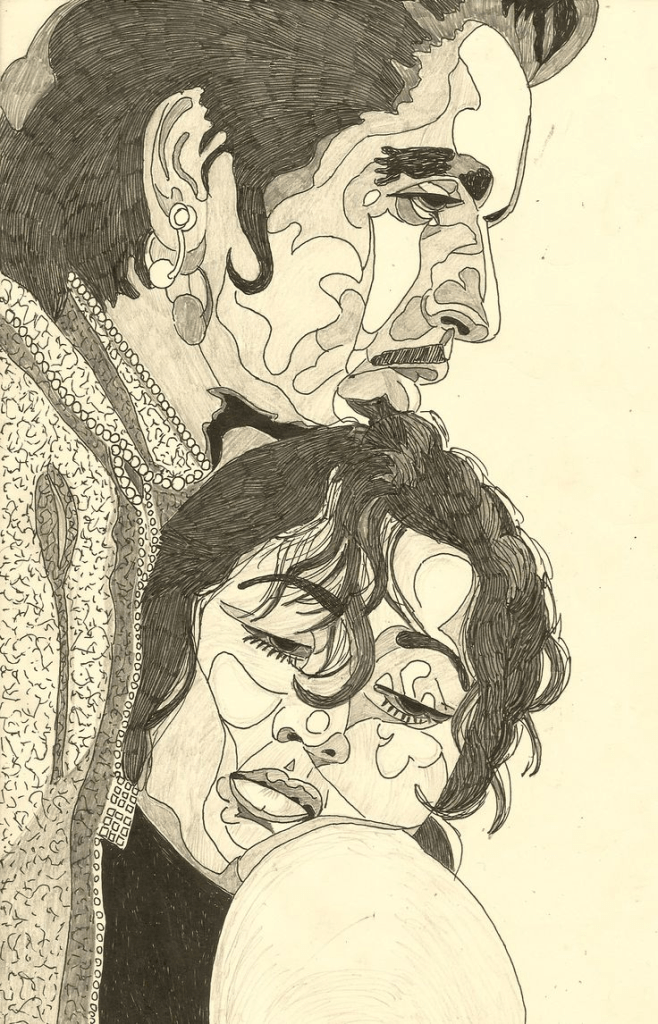
The Tragic Love Story of Madhubala and Dilip Kumar
Bollywood, India’s dream factory, has many iconic love stories, but few match the emotional depth and sadness of the romance between Madhubala and Dilip Kumar.
Their nine-year relationship is remembered by fans as a symbol of both the magic and sadness of classic Bollywood.
Behind the glamorous surface of the films was a love story filled with family issues, societal pressures, and personal struggles.
The Meeting of Two Stars
Madhubala, the ethereal beauty often hailed as “The Venus of Indian Cinema,” met Dilip Kumar, the “Tragedy King,” on the sets of Tarana in 1951. Sparks flew instantly, and their chemistry transcended the celluloid.
Their shared love for Urdu poetry, music, and acting deepened their bond, creating a relationship that seemed destined for eternity. However, the industry whispered of the complexities that simmered beneath their romance.
One of their most significant collaborations was the magnum opus Mughal-e-Azam (1960), a reflection of their real-life turmoil.
The film’s unforgettable scenes of forbidden love mirrored their personal struggles, adding an authentic poignancy to their performances.
It was during this time that their relationship began to unravel, a casualty of rigid egos and external pressures.
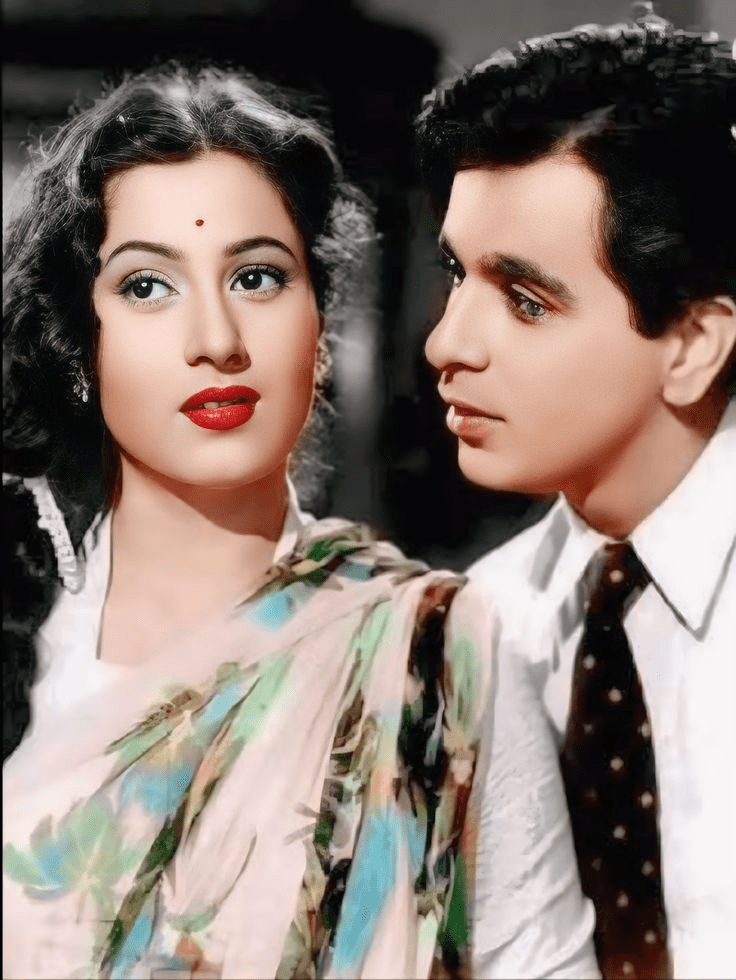
Ataullah Khan: The Unyielding Father
Ataullah Khan, Madhubala’s father, was a towering figure in her life, controlling her career with an iron grip. His protective nature often bordered on possessiveness, and he saw Dilip Kumar as a threat to his authority.
Madhubala, torn between her father’s dominance and her love for Dilip, found herself in an impossible situation.
The breaking point came when Dilip Kumar reportedly asked her to sever ties with her father, claiming that Ataullah’s interference was poisoning their relationship. For Madhubala, this demand was unthinkable.
Bound by a deep sense of duty and gratitude towards her father, who had steered her career from a young age, she could not bring herself to abandon him.
The Courtroom Drama
What many may not know is that their love story also played out in a courtroom. The controversy arose during the filming of Naya Daur (1957), when Madhubala was replaced by Vyjayanthimala after her father refused to let her shoot on location.
The producer sued Madhubala, and Dilip Kumar testified against her father, calling him controlling and unreasonable. His words, though spoken out of frustration, deeply hurt Madhubala. T
his incident marked the beginning of the end of their relationship, as it widened the already growing rift between them.

The Emotional Pleas
According to Madhubala’s sister, Madhur Bhushan, the actress tried to mediate between the two men she loved most—her father and Dilip Kumar.
In a tearful confrontation, she begged Dilip to understand her predicament. “Dekho humari zindagi barbaad ho jayegi,” she pleaded, hoping he would relent.
But Dilip Kumar, steadfast in his demand, retorted, “Tum itni zidd kyun kar rahi ho?” Their inability to find common ground culminated in a painful breakup.
The Aftermath
Heartbroken, Madhubala married Kishore Kumar in 1960. Many believe this decision was driven more by frustration and a desire to escape her circumstances than genuine affection.
Tragically, her marriage did little to alleviate her woes. Suffering from a congenital heart defect, Madhubala’s health began to deteriorate rapidly. Despite Kishore Kumar’s efforts to provide her with care, her final years were marked by isolation and pain.
Dilip Kumar, meanwhile, found solace in Saira Banu, whom he married in 1966. While he achieved personal stability, he reportedly never spoke publicly about his lost love, though his eyes betrayed a lingering sadness whenever Madhubala’s name was mentioned.

Lesser-Known Facts
- A Hidden Proposal:
Few know that Dilip Kumar once privately proposed to Madhubala during the shooting of Tarana. The moment was intimate, shared away from the prying eyes of the industry.
She accepted, marking the beginning of their courtship. - Letters of Love:
Madhubala and Dilip often exchanged letters during the early days of their romance, written in poetic Urdu.
These letters, brimming with passion, became relics of a love that could not withstand the test of time. - A Love Beyond the Screen:
While shooting for Mughal-e-Azam, director K. Asif noticed their real-life tensions and encouraged them to channel their feelings into their roles.
The famous sheesh mahal scene, where Salim and Anarkali share a moment of longing, is said to have brought tears to their eyes—tears rooted in their personal heartbreak. - A Final Goodbye:
Madhubala’s sister revealed that on her deathbed, Madhubala expressed a wish to see Dilip Kumar one last time. Whether he knew of her desire remains a mystery, but he did not visit her, leaving this chapter of their story poignantly incomplete.
The Legacy
The love story of Madhubala and Dilip Kumar serves as a touching reminder of how delicate human relationships can be under societal and family pressures. Their story is one of love that faced challenges and the sacrifices made for it.
Madhubala, known as the “Beauty with Tragedy,” and Dilip Kumar, the “Tragedy King,” shared a love that was strong yet ultimately affected by their situations.
Though separated in life, their legacy endures, immortalized in the annals of Indian cinema and in the hearts of those who continue to believe in the enduring power of love.
Categories: infotainment
 Retiredकलम
nice story.
LikeLiked by 1 person
Thank you so much.
LikeLike