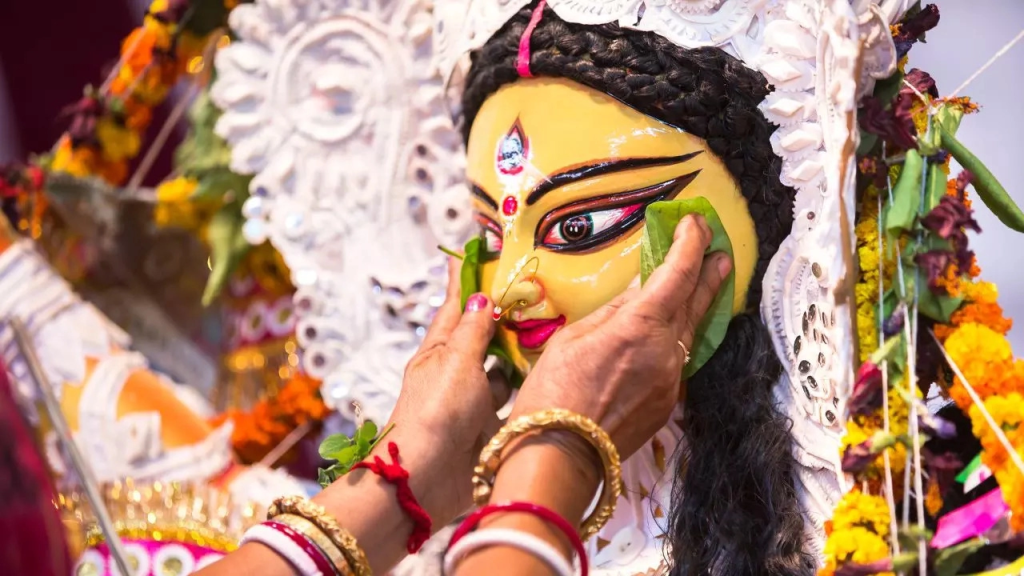
Shubho Bijoya: Celebrating Victory and Unity
As the vibrant hues of Durga Puja celebrations fade, the essence of Vijayadashami, or Shubho Bijoya, fills the air with warmth, festivity, and reflection.
Vijayadashami marks the victory of good over evil, a symbolic reminder of the goddess Durga’s triumph over the demon Mahishasura.
But beyond the spectacle of rituals, processions, and idol immersions, several deeper, lesser-known aspects of this festival make it an essential part of our cultural and spiritual heritage.
The Meaning Behind Shubho Bijoya
The term ‘Shubho Bijoya’ is more than just a greeting. Derived from the Sanskrit word “Vijaya,” which means victory, and “Dashami,” meaning tenth, it represents the ultimate triumph of righteousness.
But what is fascinating is that the festival is not limited to the victory of Goddess Durga over Mahishasura. It encompasses a broader interpretation that reverberates across the subcontinent.
In many parts of India, Vijayadashami commemorates Lord Rama’s victory over the ten-headed demon Ravana, as celebrated in Ramlila performances and the burning of effigies.
Both stories — Durga’s battle with Mahishasura and Rama’s confrontation with Ravana — serve as reminders that no matter how mighty evil forces may appear, they are bound to be vanquished by truth, justice, and virtue.
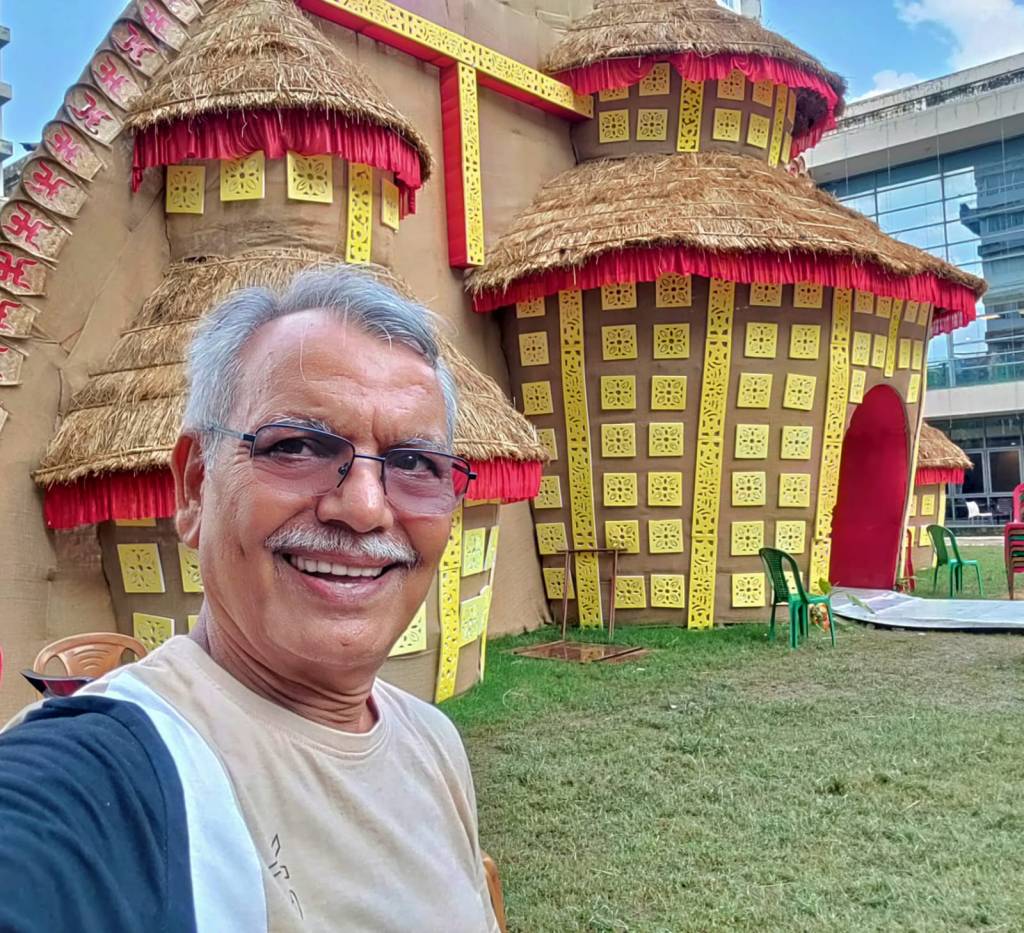
Durga Puja Pandal of Our Society
Lesser-Known Aspects of Vijayadashami
While most are familiar with the celebrations in Bengal, the immersion of Durga’s idol into rivers, and the joyous chanting of “Asche Bochor Abar Hobe” (We will celebrate again next year), the significance of Shubho Bijoya goes far beyond these popular traditions.
Here are some lesser-known facts about this festival:
- The Tika Tradition: –
In many parts of India, especially in Nepal, the festival is associated with the ritual of applying tika — a mixture of rice, yogurt, and vermillion — on the foreheads of family members.
This tika symbolizes the victory of purity and the blessings of strength and courage for the upcoming year. The eldest members of the family offer tika to the younger ones, along with gifts and well-wishes, fostering familial bonds and unity.
- Mahishasura’s Backstory:
Although we celebrate the defeat of Mahishasura, the demon king was not entirely a villain in his origins. In Hindu mythology, Mahishasura was a devoted follower of Lord Brahma, and through intense penance, he was granted a boon that no man could kill him.
This blessing made him overconfident, leading to his tyranny and destruction, which eventually necessitated Goddess Durga’s intervention.
Mahishasura’s tale serves as a cautionary reminder about the misuse of power and the perils of unchecked ambition.

- Ritual of Sindoor Khela:
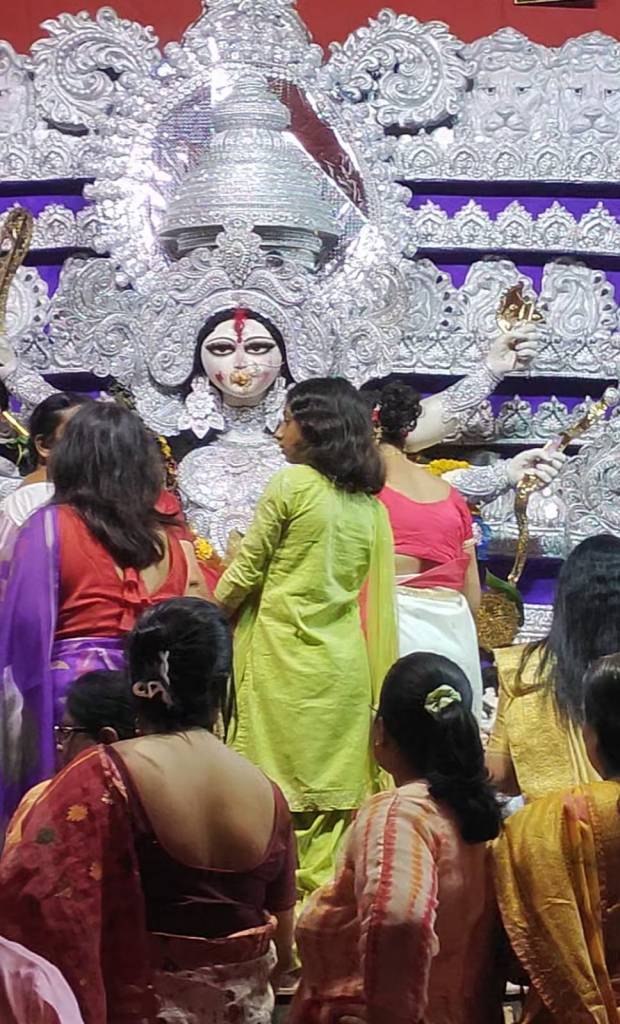
An important part of Vijayadashami in Bengal is Sindoor Khela, where married women put vermillion (sindoor) on each other, celebrating the strength of womanhood.
It represents fertility, prosperity, and the connection among women. In ancient times, Sindoor Khela was also a way for women to unite and wish each other good health and happiness.
- Environmental Awareness:
In recent years, Vijayadashami has taken on a new dimension as a platform for environmental consciousness. Many regions have adopted eco-friendly idols and biodegradable materials for immersion.
This growing movement represents a commitment to preserving nature while maintaining cultural traditions, merging the ideals of good triumphing over evil with a call to respect the environment.
The Spiritual and Social Significance
Beyond the mythology, Vijayadashami invites us to think about the internal struggles we all face. We all deal with challenges like stress, negativity, or outside obstacles.
This festival encourages us to have the courage of Durga to overcome these difficulties, remain true to our values, and keep progressing.
One of the most heartwarming aspects of Shubho Bijoya is its role in fostering social unity. Families and friends come together, often after long separations, to exchange greetings, sweets, and warm embraces.
It is a time for mending broken relationships, forgiving old grudges, and renewing social ties.
The festival stands as a testament to the power of collective strength and the importance of community in overcoming adversity.

The Universal Message of Shubho Bijoya
Although the festival has its roots in Hindu mythology, the message of Shubho Bijoya transcends religious boundaries. It is a celebration of the human spirit’s triumph over negative forces, both external and internal.
It encourages us to uphold righteousness, be courageous in the face of adversity, and always strive to be better versions of ourselves.
In today’s world, where divisions and challenges seem more pronounced, Shubho Bijoya serves as a timely reminder that unity, kindness, and truth will always prevail.
As we say goodbye to the goddess Durga for this year, we carry her blessings with us — a guiding light in our journey toward betterment.
So, as you meet your loved ones today, with a warm “Shubho Bijoya,” may you feel the divine presence and the victory of good in every aspect of your life. Let this Vijayadashami be a symbol of hope, strength, and unity for all of us.
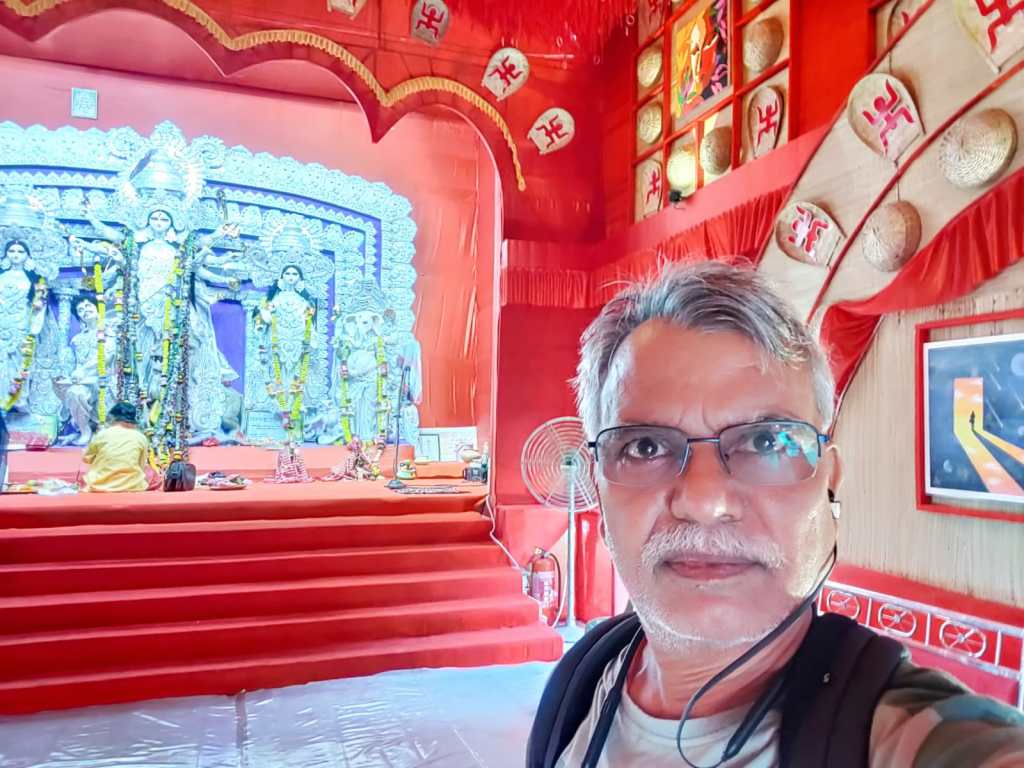
A Celebration of Tradition, Devotion, and Togetherness
Categories: infotainment
 Retiredकलम
I knew nothing about this festival but I love the vibrancy of it, and the triumph of good over evil!
LikeLiked by 3 people
I’m so glad you feel that way! 💕
Vijayadashami truly is a vibrant celebration, and its message of the triumph of good over evil resonates deeply.
It’s wonderful how festivals like this can bring us all together, even if we come from different backgrounds.
I hope you get to experience more of its joyful spirit in the future! Shubho Bijoya!
LikeLiked by 2 people
I hope so too, kind sir.
LikeLiked by 2 people
Thank you for your warm words!💕
I’m sure you will, and when you do, the festive spirit will be even more meaningful.
Here’s to shared joy and new experiences! Wishing you all the best, always. Shubho Bijoya!.
LikeLiked by 2 people
Shubho Bijoya!
LikeLiked by 1 person
Good evening.
How is your day ?
LikeLiked by 1 person
very nice.
LikeLiked by 3 people
Thank you so much.
LikeLiked by 1 person
The article is very nicely formated and easy to read, I also like reading news article from The Ditible.
LikeLike
Great Content
LikeLike
Thank you so much for appreciation.
Your words mean a lot.
LikeLike