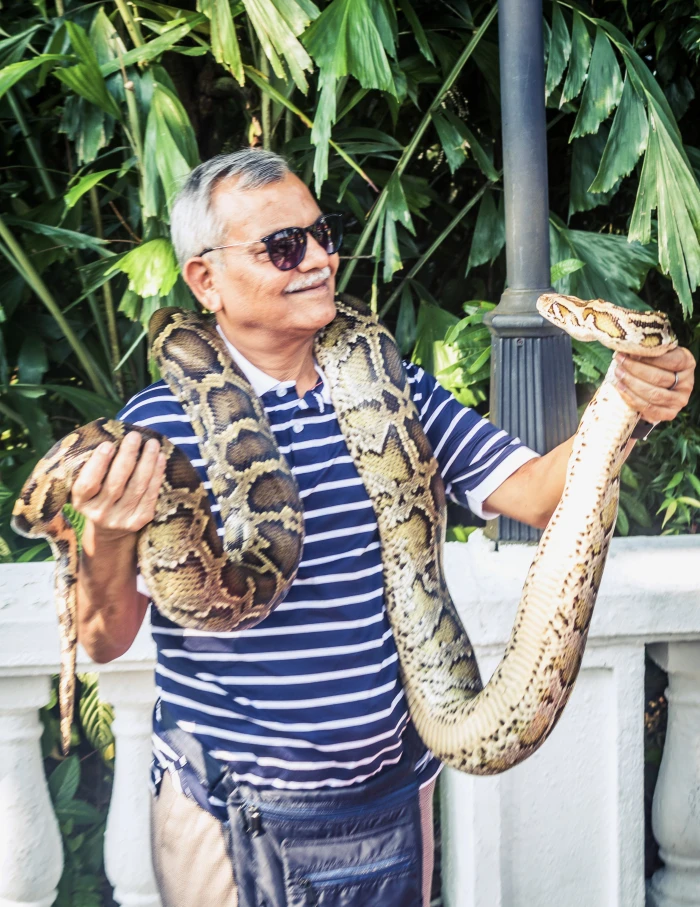
Snake Bites in India: Knowledge is the Antidote
Snakes. Just the word can send shivers down some spines. But these slithering creatures are more than just a source of fear.
Snakes are a diverse group of reptiles found worldwide. While their slithering movements might send shivers down some spines, they play a vital role in maintaining healthy ecosystems by controlling rodent populations and serving as prey for other animals..

Not All Snakes Are Venomous
Out of over 3,000 snake species, only around 600 are venomous. These snakes use venom to subdue prey or defend themselves.
Snake Bites in India: A Serious Threat
In India, snake bites are a significant public health concern. Although official statistics report 58,000 deaths annually, experts believe the actual number is much higher.
These incidents are most frequent during the monsoon season and primarily occur in rural areas (80% of cases).
The Culprits: Venomous Snakes in India
Among India’s 300 snake species, 60 are venomous. The “Big Four” – Russell’s Viper, Saw-Scaled Viper, Indian Cobra, and Common Krait – are responsible for most snake bite fatalities.
The Common Krait is particularly dangerous due to its tendency to bite people while they sleep.

Traditional Treatments vs. Medical Intervention
Sadly, many snakebite victims in rural areas resort to traditional treatments or succumb to superstitions, delaying crucial medical attention. Early intervention with antivenom is essential for surviving a venomous snake bite.
Identifying a Venomous Snake Bite
Sometimes, fear can cause a person to lose consciousness even after a non-venomous snake bite. However, there are signs to watch for:
- Two fang marks: This is a strong indicator of a venomous snake bite
- Burning pain, swelling, and redness: These symptoms may accompany a venomous bite.

What to Do After a Snake Bite
Here’s what to do if someone gets bitten by a snake:
- Stay calm: Remain calm and reassure the victim.
- Remove tight clothing or jewelry: This helps prevent circulation problems if swelling occurs.
- Keep the bite wound clean: Gently wash the area with soap and water.
- Immobilize the bitten limb: If possible, keep the bitten area below the heart.
- Seek medical attention immediately: Get the victim to the nearest medical facility for antivenom administration as soon as possible.

What Not to Do After a Snake Bite
Here are some harmful practices to avoid:
- Applying tourniquets: This can restrict blood flow and worsen tissue damage.
- Consuming stimulants: Alcohol, tea, or coffee can accelerate venom spread.
- Applying hot or cold compresses: This can further damage the tissues.
- Cutting or sucking the wound: This can introduce infection and worsen venom absorption.
Coexisting with Snakes
By understanding snake bites and proper responses, we can coexist safely with these fascinating creatures.
Remember, knowledge is the best antidote to snake bite fear. Stay informed, and appreciate the role snakes play in our ecosystem.

BE HAPPY….BE ACTIVE….BE FOCUSED….BE ALIVE…
If you liked the post, please show your support by liking it,
following, sharing, and commenting.
Sure! Visit my website for more content. Click here
Categories: infotainment
 Retiredकलम
Whoa! Thanks for sharing this.
LikeLiked by 1 person
Thank you so much, dear.
Good morning. have a nice day.
LikeLike
Very informative and interesting post, Sir. 👏👏❤
LikeLiked by 1 person
Thank you so much, Aparna.
How is your day ?
LikeLiked by 1 person
So far, it’s good. Thank you so much for asking, Sir. How are you doing?
LikeLiked by 1 person
I was a bit busy, as transferred from old to new place.
LikeLike
very nice
LikeLiked by 2 people
Thank you.
LikeLike
Well shared the post
LikeLiked by 1 person
Thank you so much, dear.💕
LikeLiked by 1 person
Very nice post with good advice in the case of snake bite. I was scared to see you with a snake on your shoulder.
LikeLiked by 2 people
Thank you so much, Sir.
I’m glad you found the advice helpful. I understand that seeing a snake can be frightening,
but we should take all necessary precautions. It’s important to stay calm and informed in such situations.
Stay happy and blessed.
LikeLiked by 1 person
Java Bean (inspecting snakes closely): “None of those is the one that got me. Fortunately!”
LikeLiked by 1 person
Thank goodness for that, Java Bean.
It must have been quite an adventure. Stay safe out there and keep your eyes sharp!
LikeLike
hey
lovely blog hope all is well
happy blogging.
https://ketodietrecipes.co.uk/
http://slickwaves.com/
LikeLiked by 1 person
Thank you so much for sharing.
LikeLike