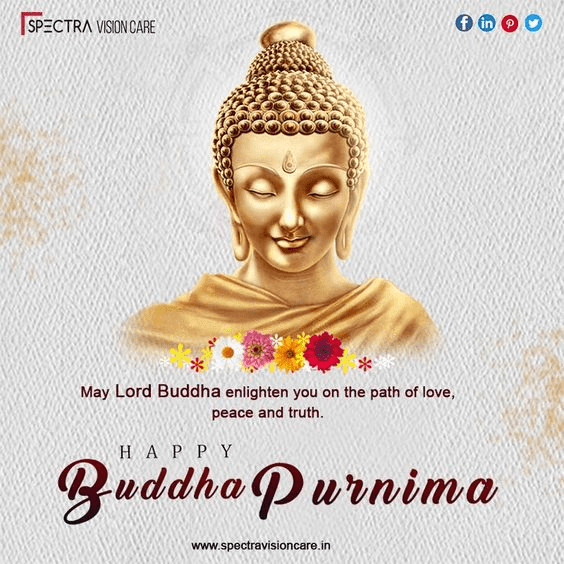
A Festival of Enlightenment, Birth, and Legacy
Buddha Purnima, also known as Buddha Jayanti, is a significant festival in the Buddhist tradition celebrated across South, Southeast, and East Asia.
This auspicious day commemorates the birth, enlightenment (Bodhi), and death (Mahaparinirvana) of Prince Siddhartha Gautama, who became known as Gautama Buddha and founded Buddhism.
Observed with immense enthusiasm, this festival holds profound spiritual importance for millions around the globe.
Historical Significance and Observance
According to archaeological findings, Gautama Buddha was born around 563-483 BCE in Lumbini, Nepal. His birth was marked by prophecies of greatness, leading his father, King Śuddhodana, to shield him from the harsh realities of life to ensure he would become a great monarch.
However, at the age of 29, Prince Siddhartha ventured beyond the palace walls and encountered an old man, a sick man, a corpse, and an ascetic. These sights profoundly impacted him, revealing the inevitable sufferings of life and igniting his quest for enlightenment.

Gautama Buddha’s journey towards enlightenment led him to renounce his royal life and become a wandering ascetic. After years of rigorous meditation and ascetic practices, he attained enlightenment under the Bodhi tree in Bodh Gaya, Bihar, India.
His teachings laid the foundation for Buddhism, emphasizing the path to overcoming suffering and attaining Nirvana, the ultimate state of liberation.
When and How is Buddha Purnima Celebrated?
The date of Buddha Purnima varies annually in the Gregorian calendar, typically falling in April or May, or sometimes June in leap years. This variation is due to the festival being based on the Asian lunisolar calendars.
On this full moon day of Vesakh, Buddhists worldwide gather to honor Buddha’s life and teachings through various rituals and celebrations.
In India, Buddha Purnima is a public holiday introduced by Dr. B. R. Ambedkar, a key figure in Indian history and a convert to Buddhism. The festival is especially prominent in regions with significant Buddhist populations, such as Sikkim, Ladakh, Arunachal Pradesh, and Maharashtra, which is home to 77% of India’s Buddhist community.
Celebrations include visiting Viharas (Buddhist monasteries), participating in group meditations, and reciting Buddhist scriptures.
The Mahabodhi Temple in Bodh Gaya, a UNESCO World Heritage site, becomes a focal point during Buddha Purnima. Devotees adorn the temple with colorful decorations and hold special prayers under the Bodhi tree.
In Delhi, the National Museum displays sacred relics of Lord Buddha, allowing devotees to pay their respects.
Unique Rituals and Practices
One of the distinctive aspects of Buddha Purnima is the preparation and sharing of Kheer, a sweet dish made from rice and milk. This tradition stems from a legend in which a village woman named Sujata offered Gautama Buddha a bowl of Kheer, which he accepted as his last meal before attaining enlightenment.
Across South and Southeast Asia, the festival is known as Vesak and is marked by a variety of cultural and religious activities. In Sri Lanka, Indonesia, and Malaysia, Buddhists observe the festival with temple visits, alms-giving, and processions.
Tibetan Buddhism, however, celebrates Buddha’s birth separately on the 7th day of the 4th month, while the enlightenment and Mahaparinirvana are commemorated on the 15th day of the same month during the Saga Dawa Duchen festival.
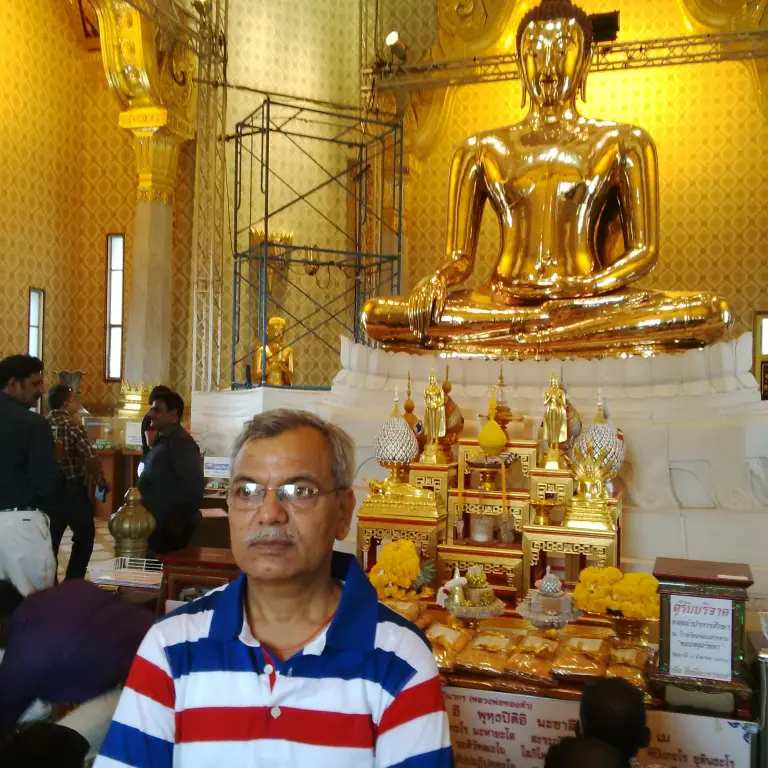
Lesser-Known Facts About Buddha Purnima
Historical Roots in India:
The celebration of Buddha Purnima as a public holiday in India owes much to the efforts of B. R. Ambedkar, who saw it as a way to honor and promote Buddhism in a predominantly Hindu country.
Ashoka’s Influence: The spread of Buddhism during the reign of Emperor Ashoka in the 3rd century BCE played a crucial role in establishing the observance of Buddha Purnima. Ashoka’s patronage led to the construction of stupas and the propagation of Buddhist teachings far beyond India.
Global Observance:
While primarily celebrated in Asian countries, Buddha Purnima has also gained recognition in Western countries with growing Buddhist communities. Events are held in places like Australia, the United States, and the United Kingdom, reflecting Buddhism’s global reach.
Symbolic Acts:
On Buddha Purnima, Buddhists engage in symbolic acts of kindness, such as freeing caged birds and animals, symbolizing liberation and compassion, key tenets of Buddhist philosophy.
Environmental Connection:
The festival often emphasizes environmental conservation, aligning with the Buddhist respect for all living beings. Activities like tree planting and clean-up drives are common in many regions.

Friends, Buddha Purnima is more than a religious festival; it is a celebration of enlightenment, compassion, and the profound teachings of Gautama Buddha.
As devotees across the globe engage in rituals, meditations, and acts of kindness, they not only honor Buddha’s legacy but also embrace the timeless wisdom that continues to inspire and guide millions.
BE HAPPY….BE ACTIVE….BE FOCUSED….BE ALIVE…
If you liked the post, please show your support by liking it,
following, sharing, and commenting.
Sure! Visit my website for more content. Click here
Categories: infotainment
 Retiredकलम
Wonderful post
Wishing you a happy celebration 💐
LikeLiked by 2 people
Thank you so much for your kind words.
I’m glad you enjoyed the post.
Wishing you a joyful and meaningful Buddha Purnima celebration as well! 🌸
LikeLiked by 1 person
You’re most welcome ❣️❣️❣️
LikeLiked by 1 person
Thank you so much!.
Wishing you a fantastic day ahead.💕💕
LikeLiked by 1 person
Wonderful share and a reminder of why this day is celebrated.
LikeLiked by 3 people
Thank you for your kind words.
It’s a profound reminder of why this day holds such significance for millions of Buddhists around the world.
The insights into the various rituals and lesser-known facts add depth to our understanding of this auspicious occasion.
Celebrating Buddha Purnima is truly a way to honor Gautama Buddha’s legacy of enlightenment, compassion, and wisdom..
LikeLiked by 1 person
Absolutely true sir and glad you shared your thoughts
LikeLiked by 2 people
Thank you so much.
Stay happy and blessed.
LikeLike
jai mahavir
LikeLiked by 2 people
Good evening.
Have a sparkling evening.
LikeLiked by 2 people
u too sir
LikeLiked by 1 person
Good morning,
Have a nice day.
LikeLiked by 1 person