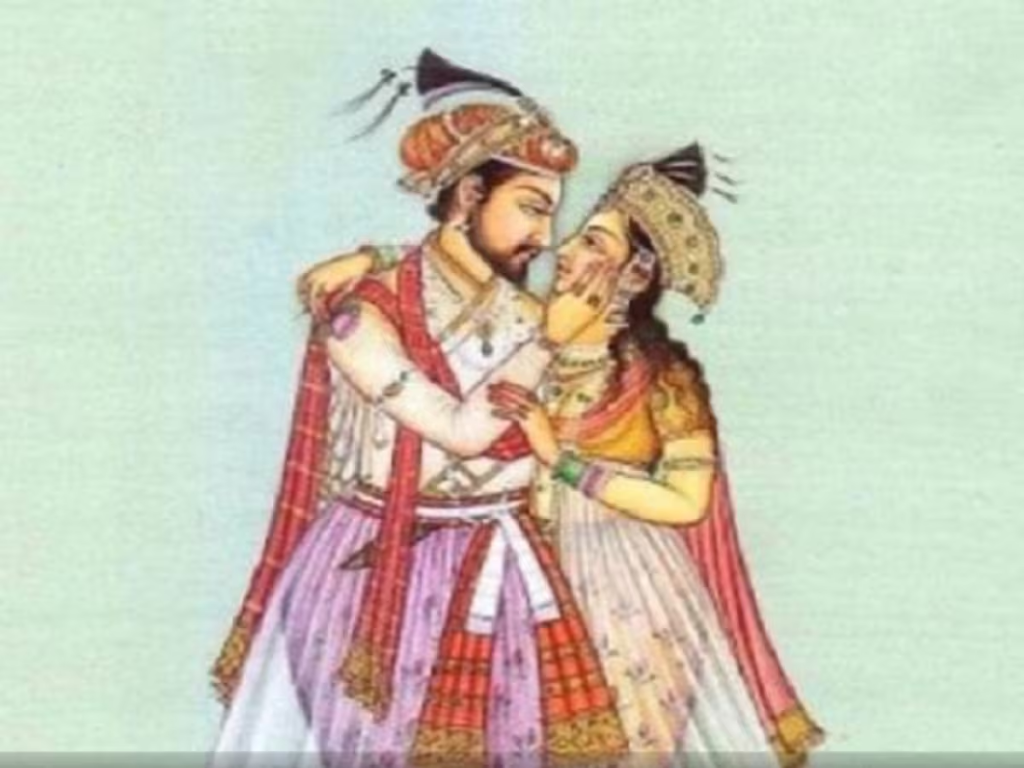
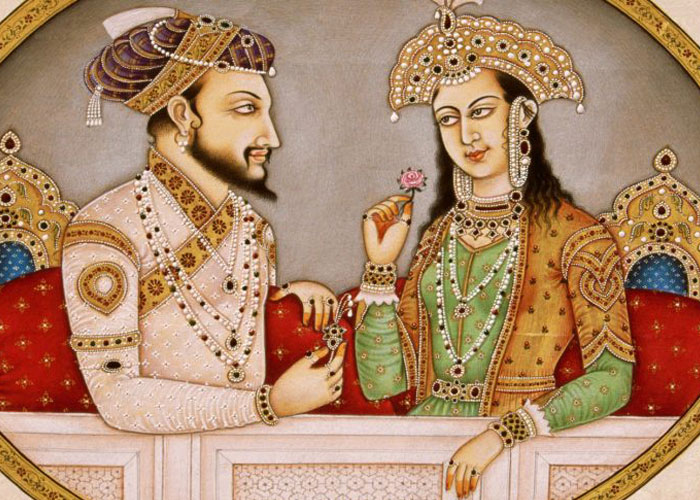
In the opulent courts of Shah Jahan, a love story unfolded that defied tradition and shook the Mughal Empire. The protagonist wasn’t a prince or a princess, but Rana-e-Dil, a captivating Hindu dancer known for her grace and unwavering spirit.
Her beauty was undeniable, but it was her fierce independence that truly set her apart.
Rana-e-Dil’s life took a dramatic turn when she caught the eye of Dara Shikoh, the crown prince and a scholar known for his tolerance. Unlike the other women in the harem, Rana-e-Dil wasn’t interested in fleeting attention.
She was a woman of deep faith, steeped in the Bhakti movement’s devotional traditions. Her soulful rendition of bhajans resonated not just in the halls, but also in Dara’s heart.
Dara fell hopelessly in love. He showered Rana-e-Dil with poems and pleas, but she remained a captivating enigma. Her condition was clear: only marriage, not a mere court liaison, would grant him her hand.
This posed a significant challenge. Dara, already married, needed his father’s approval for a second union, especially with a woman of a different faith and religion.
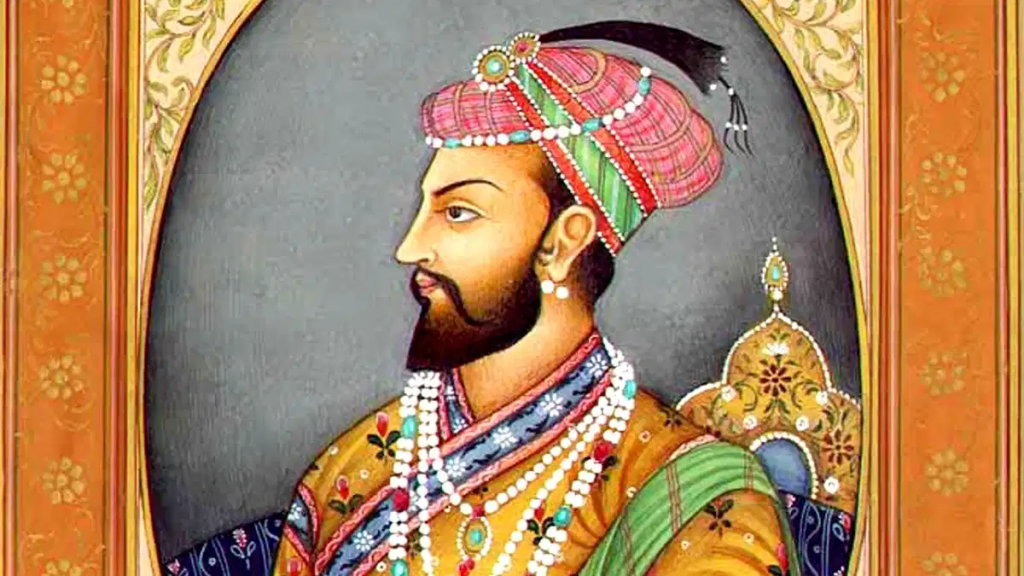
The Emperor, Shah Jahan, sensing his son’s growing obsession, sent Dara away to Allahabad, to govern a distant province, hoping the separation would cool his ardor.
However, distance only intensified Dara’s longing. Finally, Shah Jahan, fearing a scandal, reluctantly agreed to a muta marriage,(Due to Hindu girl, Nikah was not possible) a temporary union frowned upon by many.
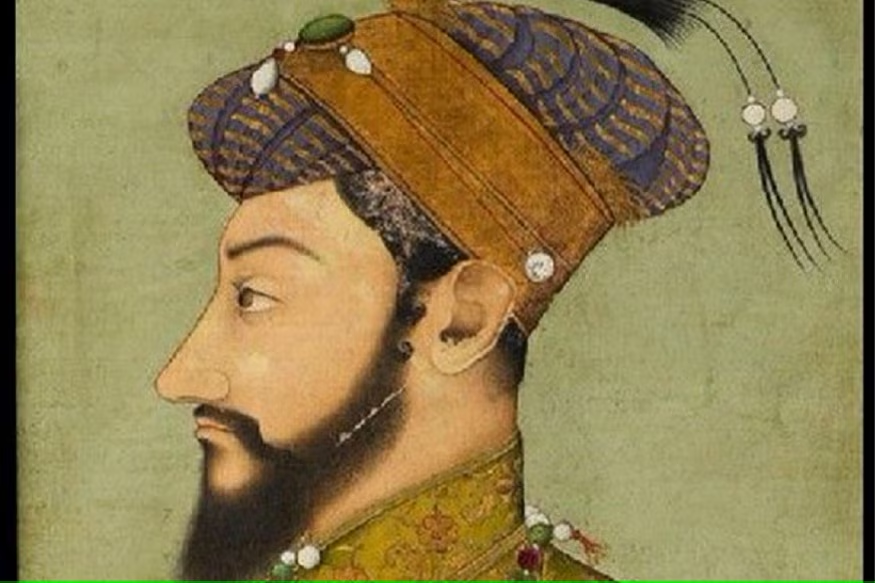
Meanwhile, on the fringes of the court, another prince harbored a dark desire for Rana-e-Dil. He was none other but Aurangzeb, Dara’s ambitious younger brother, who watched their love story with simmering jealousy. When Aurangzeb seized power in a bloody coup, his eyes fell upon Rana-e-Dil, now the widow of his elder brother.
Aurangzeb, accustomed to getting what he wanted, offered Rana-e-Dil a place in his harem. But Rana-e-Dil, a woman who had defied societal norms for love, wouldn’t be swayed by power. She remained steadfast in her devotion to Dara only, even in death.
The Rejected Proposal
Rana-e-Dil, however, was a woman of unwavering principles. She had been deeply in love with Dara Shikoh, Aurangzeb’s brother, and her heart remained faithful to him even after his tragic death.
Once Aurangzeb appreciated the beautiful hair he had fallen in love with, in a bold and defiant act, Rana-e-Dil cut off her long, flowing hair and sent it to Aurangzeb along with a letter. “Since you find my hair so appealing,” she wrote, “I offer it to you in the hope that it will satisfy your desires.”
This act of defiance was a clear message to Aurangzeb that she would never be his. Her shaved head, a stark symbol of her rejection, left everyone speechless. Even the emperor himself was taken aback by her audacity.
The Fearless Response
Again, Undeterred, Aurangzeb continued his pursuit of Rana-e-Dil. He showered her with compliments, praising her beauty and grace in an attempt to win her favor.
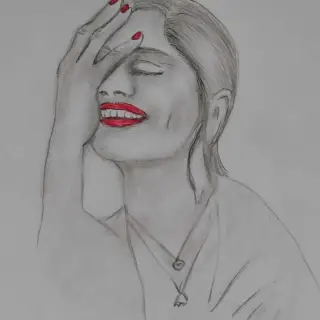
But Rana-e-Dil was not to be swayed. In a final, devastating blow, she took a knife and scarred her own face. She then sent the blood-stained knife to Aurangzeb along with a message:
“The beauty that you so admire is now marred forever. This is my final and irrevocable answer.”
This act of self-mutilation was a powerful statement of Rana-e-Dil’s love for Dara and her unwavering commitment to his memory. It was also a warning to Aurangzeb that she would rather die than submit to his desires.
The Emperor’s Retreat
Rana-e-Dil’s courage and determination left Aurangzeb shaken. He realized that he could never possess her, and he finally abandoned his pursuit.
Rana-e-Dil’s story is a testament to the power of love and the strength of the human spirit. It is a reminder that even in the face of tyranny and oppression, there are those who will stand up for what they believe in, no matter the cost.
Rana-e-Dil lived the rest of her life in seclusion, dedicating herself to her faith and memories of Dara. She passed away peacefully at an old age, leaving behind a legacy of bravery, love, and resistance..
Rana-e-Dil spent the rest of her life in seclusion, devoting herself to her faith and her memories of Dara. She died peacefully at a ripe old age, leaving behind a legacy of courage, love, and defiance.
Please click the link below for the next Blog.
Categories: story
 Retiredकलम
Amazing post 🌹🌹
LikeLiked by 3 people
Thank you so much, dear.
LikeLike
Loved the story
LikeLiked by 1 person
Thank you so much for your visit.
Stay connected and stay happy.
LikeLike
LikeLiked by 1 person
Thanks for sharing.💕
LikeLiked by 1 person