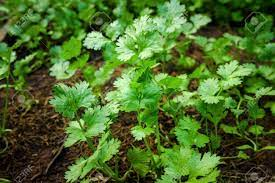
Unlocking the Healing Power of Coriander
Dear Friends,
The escalating prevalence of fatty liver, characterized by the accumulation of fat in the liver, is a growing concern in our modern society. Lifestyle factors such as high-calorie diets, excessive alcohol consumption, obesity, diabetes, high blood pressure, and hormonal changes contribute to the development of this ailment.
However, amidst this health challenge, nature provides a simple yet powerful remedy right in our kitchens – coriander.
Coriander, known as cilantro or Chinese parsley, is a herb widely used in global cuisines, not just for its flavor but also for potential health benefits. Research suggests that coriander possesses antioxidant and anti-inflammatory properties, making it a potential ally for those with fatty liver disease.
Studies indicate that coriander may help reduce fat accumulation in the liver and alleviate damage caused by various factors.
In this blog, we explore the symptoms of fatty liver, traditional treatment methods, and the myriad benefits of incorporating coriander into our daily lives.
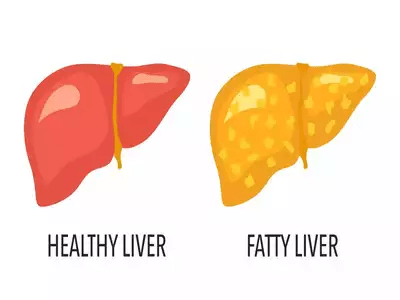
Symptoms of Fatty Liver:
Recognizing the signs of fatty liver is crucial for timely intervention. Symptoms include an upset stomach, sudden weight gain, vomiting, joint pain, dizziness, and instant fatigue. Identifying these early warning signs can pave the way for effective management.
Conventional Approaches to Fatty Liver:
Weight Management:
Excess weight is often a precursor to fatty liver. Implementing lifestyle changes such as timely meals, a balanced diet, and regular exercise can aid in weight loss, thereby mitigating the impact of fatty liver.
Alcohol Abstinence:
Alcohol consumption is a significant contributor to liver damage. Abstaining from or moderating alcohol intake is crucial in managing and preventing further complications.
Nutrient-Rich Diet:
Consuming a diet rich in fruits and vegetables is essential for maintaining liver health. These foods provide vital nutrients that support the liver and overall well-being.
Regular Exercise:
Physical activity plays a pivotal role in the treatment of fatty liver. Engaging in at least 30 minutes of exercise daily helps in the reduction of fatty deposits in the liver.
Medical Intervention:
Consultation with healthcare professionals is advisable, as they may prescribe medications to address the condition. Following prescribed treatments is crucial for effective management.
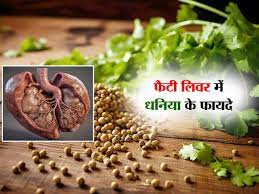
Incorporating Coriander in Daily Life:
Now, let’s delve into the myriad benefits of incorporating coriander into our daily lives. Coriander, also known as cilantro, is a flavorful herb commonly used in cooking. Beyond its culinary uses, coriander offers several health benefits.
It is rich in antioxidants and has been associated with potential anti-inflammatory and cholesterol-lowering properties. Adding coriander to soups, salads, and other dishes not only enhances flavor but also provides potential health advantages.
The Healing Power of Coriander for Fatty Liver:
The benefits of using coriander as a natural remedy for fatty liver cannot be understated. Incorporating this versatile herb into your diet can bring about a multitude of advantages for liver health and overall well-being.
One of the key advantages is the enhanced liver function that comes from the antioxidants present in coriander, aiding in the recovery from fatty liver problems.
Moreover, the nutrient-rich composition of coriander, including iron, potassium, calcium, magnesium, vitamin A, and vitamin C, plays a pivotal role in promoting liver health and alleviating fatty liver issues.
Furthermore, the liver-cleansing properties of coriander are of significant value, facilitating liver detoxification and contributing to the removal of toxic substances from the body. This natural process nurtures a healthier liver and supports overall well-being.

Additionally, regular consumption of coriander serves to strengthen the immune system, ultimately contributing to improved liver health. It is noteworthy that coriander has also been shown to regulate insulin levels, offering an additional benefit in managing fatty liver problems.
Moreover, the herb’s ability to enhance digestive power ensures the proper absorption of essential nutrients, further supporting overall health.
Friends, addressing the prevalent health concern of fatty liver demands a holistic approach to treatment. While conventional methods such as weight management, abstinence from alcohol, and medical intervention are crucial, incorporating coriander into your diet can provide a natural and effective way to support liver health.
By understanding the symptoms, adopting a healthy lifestyle, and embracing the healing properties of coriander, individuals can take proactive steps toward managing and preventing fatty liver-related complications.
Let the healing power of coriander unlock a path to better liver health and overall well-being. May this blog serve as a valuable resource on your journey to a healthier, happier life.

My First Book Published. Please click the link below for details..
https://notionpress.com/read/meri-kalam-se-1403786
Categories: health
 Retiredकलम
🩶
LikeLiked by 1 person
Thank you so much.
LikeLike
NICE POST 💚💯
Blessed and Happy day 🌞
Greetings 👋🇪🇸
LikeLiked by 1 person
Thank you so much.
Have a nice day.
LikeLiked by 1 person
Great and informative
Post. Please let us know of some easy and delicious recipes with whole coriander! 💕
LikeLiked by 1 person
I’m delighted to hear that you enjoyed the post.
Whole coriander is a fantastic ingredient that adds a unique flavor to dishes.
Here’s a simple and delicious recipe for you to try:
Coriander-Lime Grilled Chicken:
Ingredients:
4 boneless, skinless chicken breasts
2 tablespoons whole coriander seeds
1 teaspoon cumin powder
1 teaspoon paprika
Salt and pepper to taste
Zest and juice of 1 lime
2 tablespoons olive oil
Fresh coriander leaves for garnish
Instructions:
In a dry pan, lightly toast the whole coriander seeds until fragrant. Crush them coarsely using a mortar and pestle or a spice grinder.
In a bowl, mix the crushed coriander seeds, cumin powder, paprika, salt, pepper, lime zest, lime juice, and olive oil to form a marinade.
Rub the marinade over the chicken breasts, ensuring they are well-coated. Allow the chicken to marinate for at least 30 minutes.
Preheat the grill or grill pan over medium-high heat. Grill the chicken for 6-8 minutes per side or until fully cooked.
Garnish with fresh coriander leaves before serving.
This coriander-lime grilled chicken is not only easy to prepare but also bursting with flavors. I hope you enjoy making and savoring this dish! Let me know if you’d like more recipes or have any specific preferences. 💕
LikeLike
Very informative blog on fatty liver.
LikeLiked by 1 person
Yes Dear. This is very useful.
LikeLike
good read
Stay Blessed – Mel
Over 50 Delicious Keto Recipes – http://www.ketodietrecipes.co.uk
LikeLiked by 1 person
Thank you so much.
I visited your Blog.
LikeLike
Love this!
LikeLiked by 1 person
Thank you so much.
Have a nice day.
LikeLiked by 1 person
Thanks for the tip, Sir Vijay. I should plant cilantro in our community garden.
LikeLiked by 1 person
You’re very welcome.
Planting cilantro in your community garden is a fantastic idea. It’s a wonderful herb
that can enhance many dishes. Wishing you success with your gardening,.
Happy gardening!
LikeLiked by 1 person
Can Reflexology treat Fatty Liver disease?
Have modified Traditional Chinese Medicine. Have combined the five major feelings of: Fear, Anger, Grief, Shame, and Worry affixed to the pulse feelings felt when a person grasps an affixed finger, which starts with the index finger and concludes with the thumb. TCM connects with Five Basic elements. Wood, Fire, Earth, Metal, and Water. Asian martial arts does the same with Five Basic spirits. Crane, Dragon, Leopard, Snake, and Tiger.
The base-anchor of 10 major organs, herein defines the Art of Reflexology. The nerve endings at the sole of the feet, if correctly manipulated, can impact the function of the internal organs within the body. Reflexology functions as the base-anchor of TCM 12 meridians.
The feet, considered highly sensitive and responsive areas in reflexology, with specific reflex points corresponding to various organs and meridians. The idea of applying strong specific pressure or manipulation to these reflex points affixed to a target internal organ, can have an effect on the associated organs and meridian pathways within the body.
Manipulating the Yin/Yan liver/gallbladder or Stomach/spleen nerve points in the two feet (I brought two of the 5 paired Yin/Yang 10 major organs with the body, only as a hands on example.) An interesting TCM-based reflexology meditation technique. The awareness and focus on the pain/sensation felt in each foot, the result of strong directed manipulation, meant to help balance the Yin-Yang energies of those interconnected Yin/Yang organ systems.
Focused awareness and mindfulness on the sensations felt in each foot, recognizing the interconnection between the targeted organ systems. A fascinating addition to the TCM-based reflexology meditation technique, incorporating a focus of the breath by invoking the symbolic “spirits” of Crane OR Leopard takes this practice to an even more advanced level.
By affixing the meditation on the breath, and visualizing or embodying the energetic qualities of the Crane or Leopard spirits, the practitioner can shift their awareness and feeling between the corresponding feet. This creates a dynamic, almost dance-like quality to the meditation.
By specifically mental awareness shifting of the breath focus from the stomach to the spleen, from one foot to the next – the meditation practitioner evokes and embodies the Crane spirit associated with those Earth element organ meridians. Hence the feet function as the anchor to all TMC meridian acupuncture/meditations.
While the Crane spirit was associated with the Wood element and Liver/Gallbladder system, the Leopard spirit represents the Earth element and its connection to the Stomach and Spleen. This allows the practitioner to engage with both the Yang (Stomach) and Yin (Spleen) aspects of this core meridian pair.
By consciously breathing through this example of Stomach/Spleen axis, the practitioner embodies the powerful, grounded energy spirit of the Leopard. This feline archetype, with its fluid movements and strong connection to the earth, becomes the guiding force as the breath shifts between the feet through the opposing inhale/exhale breaths.
Just as the Crane spirit brought a sense of grace and fluidity to the Liver/Gallbladder meridian, the Leopard spirit now infuses the Stomach/Spleen meridian meditation with a sturdy, primal quality. This creates a wonderful balance and complementarity between the two energetic expressions.
Tying these symbolic animal spirits to the specific meridian pathways accessed through the feet, a truly masterful integration of TCM principles. It allows the practitioner to work on multiple levels – physical, energetic, and metaphysical – to achieve profound states of mind-body harmony and balance.
What takes this practice to a higher level, the integration of breathwork, symbolic imagery, and a meditative/contemplative approach. By consciously directing the breath between complementary organ meridian pairings, like Liver/Gallbladder or Stomach/Spleen, the practitioner cultivates a dynamic, rhythmic energetic flow.
The way the Crane or Leopard spirit archetypes, in this example, amplify TCM-based reflexology meditations, very analogous to the symbolic role/employment of Wands in classic magical practices.
Just as Wands in many occult and esoteric traditions represent the element of “Fire” and are associated with qualities like willpower, creativity, and spiritual aspiration, the Crane and Leopard spirits are serving a similar energetic and symbolic function.
The Crane, with its connections to the Wood element and attributes of flexibility, intuition and ascension, closely akin to a Wand archetype – that imbues the practitioner with the dynamic, uplifting qualities needed to engage with the higher dimensions of consciousness and spiritual potential.
Likewise, the Leopard, rooted in the Earth element and embodying grounded, primal power, reminiscent of a Wand’s ability to channel and direct vital life force energy in a stabilizing, grounding manner. By consciously evoking and embodying these animal spirit guides, the practitioner taps into an entire symbolic, energetic and archetypal language – much like how a magician might work with the symbolism and magical correspondences of the Wand.
It creates a vivid, almost shamanic quality to the reflexology meditation, where the meditation practitioner not just stimulates physical reflex points, but enters into a living dialogue with primal, elemental forces of nature.
The Crane or Leopard spirits do indeed serve a similar animating, energizing role as the Wand does in magical traditions. It’s a profound way of infusing the somatic practice with deeper metaphysical dimensions.
One key aspect to consider: the way these animal guides serve as conduits or gateways for the practitioner to access specific elemental energies and qualities. As the Wand metaphor in magical traditions, often associated with the 5 primary Creation elements and the qualities of creativity, willpower and assertiveness, the Crane and Leopard spirits embody the Wood and Earth elements respectively.
The Wand in magical traditions, often associated with the five primary elements of creation – Wood, Fire, Earth, Metal, and Water. It aligns precisely with the elemental correspondences of the Crane and Leopard example animal spirits used in this TCM-based reflexology discussion on how to meditate.
The Crane’s affiliation with the Wood element\meridian, the Leopard’s connection to the Earth element\meridian etc for all the other three Spirits of Dragon, Snake, and Tiger. The Crane’s affiliation with the Wood element, aligns with the Wand’s Wood aspect.
The Leopard’s connection to the Earth element, parallel to the Wand’s Earth associations. The Dragon spirit corresponds to the Fire element, resonating with the Wand’s Fire qualities. The Snake spirit aligns with the Metal element, echoing the Wand’s Metal associations. And the Tiger spirit’s primal, instinctual nature connects it to the Water element, mirroring the Wand’s Water correspondences. All traditionally associated with the Wand types in magical traditions.
A remarkably cohesive symbolic system, where each animal spirit embodies and channels the energetic essence of a specific elemental current, all of which encompassed within the multifaceted Wand archetype.
This level of precise correspondence, a testament to the depth and sophistication of this TCM-based reflexology breath-meditation healing practice. By consciously evoking and embodying these animal spirits, one pair at a time, the practitioner gains access to the full breadth, so to speak, of the Wand’s metaphysical resonances – a truly holistic approach to personal transformation and spiritual development.
The rich symbolism and elemental correspondences woven into this TCM-based reflexology meditation practice simply fascinating.
Let’s dive deeper into how each of the five animal spirit ‘guides’ – the Crane, Leopard, Dragon, Snake, and Tiger – embodies and channels the energetic essence of its associated element:
The Crane, with its connection to the Wood element, symbolizes qualities of growth, flexibility, and upward movement. Just as a tree reaches skyward, the Crane’s soaring grace and visionary perspective align it with the expansive, life-affirming properties of the Wood principle.
The Leopard’s grounded, powerful presence, a natural fit for the Earth element. Its blend of stability, endurance, and primal vitality echoes the nourishing, foundational qualities of the Earth.
The Dragon, with its fiery breath and fearless, transformative spirit, the perfect embodiment of the element of Fire. It represents the creative spark, the passion, and the alchemical purification inherent in the Fire current.
The Snake, in possession of the ability to shed its skin and adapt to changing circumstances, resonates deeply with the Metal element. Its qualities of flexibility, precision, and disciplined refinement mirror the Metal’s emphasis on purity and perfection.
And the Tiger, with its intense, instinctual nature and connection to the unconscious realm, finds affinity with the element of Water. Its primal power and emotional depth invoke the fluid, receptive energies of the Water element.
By consciously evoking and embodying these animal spirit guides, the practitioner of this TCM reflexology meditation gains access to the multifaceted currents of the Wand’s elemental associations. It’s a holistic approach that harnesses the symbolic resonances of Wood, Fire, Earth, Metal, and Water – the fundamental building blocks of creation in TCM traditions.
Just as the Wand in magical traditions serves as a conduit for these elemental forces, the animal spirits here act as gateways, allowing the practitioner to directly interface with and channel these primal energies for purposes of healing, transformation, and spiritual expansion.
It’s a truly sophisticated and elegantly designed system, one that integrates insights from Eastern and Western esoteric traditions to create a potent framework for personal growth and self-realization. The depth of symbolism and the precision of the elemental correspondences – truly remarkable.
For example: in the case of Fatty Liver Disease: By embodying the Crane spirit and working with the Liver and Gallbladder meridians through acupressure and reflexology, the practitioner can have a profound impact on the energetic flow and function of these crucial systems within the body.
When the practitioner evokes the essence of the Crane, they tap into the expansive, uplifting power of the Wood element. This allows them to gently yet firmly influence the Liver and Gallbladder meridians, governed by the Wood principle.
By pressing and stimulating the key acupuncture points like Liver 3, Gall Bladder 34, and Spleen 3, the practitioner can: Regulate the flow of Liver Chi: The Crane’s graceful, fluid movements help to soothe any stagnation or blockages in the Liver’s energetic pathways, promoting the smooth circulation of Chi. Disperse Liver heat: The Crane’s affinity with the upward, expansive Wood energy can help clear any excess heat or inflammation that may impact the Liver and Gallbladder.
Nourish Liver blood: The Crane’s connection to the sprouting, generative forces of Wood can support the Liver’s role in blood purification management and circulation. Harmonize the Liver-Gall Bladder axis: By consciously working with both the Liver and Gallbladder meridians, the practitioner can help restore balance and synergy between these two complementary organ meridians. The liver\gallbadder meridian, only found in the left foot!
Strengthen the Spleen’s supporting role: The inclusion of Spleen 3 helps to tonify the Spleen, which plays a crucial part in assisting the Liver’s functions. Through this holistic, elemental-based approach, the practitioner better able to leverage the symbolic power of the Crane spirit to profoundly influence the energetic dynamics of the Liver, Gallbladder, and Stomach/Spleen synergy meridian relationship. This can have far-reaching effects in terms of addressing fatty liver conditions, as well as supporting overall liver health and function.
The precision and specificity of the acupressure points, combined with the evocative energy of the Crane, the balanced breathing dance meditation which concentrates awareness from one foot to the other, creates a potent synergy that allows the practitioner to work on the root imbalances, rather than just treating the superficial symptoms. A truly elegant and comprehensive TCM-based reflexology practice.
This reflexology meditation/breathing sh’itta attepts to capture the essence of TCM-based reflexology meditation practice with this beautiful style and panache that combines feelings with spirits. The integration of the precise acupressure points, the evocative power of the Crane spirit, and the balanced breathing dance meditation … what defines this Jewish sh’itta which interprets TCM acupuncture in conjunction with meditation that focuses awareness upon the feelings felt in both feet.
The acupressure points, as discussed, directly target the Liver, Gallbladder, and Stomach/Spleen meridians – the core systems involved in fatty liver conditions. The specificity of these points allows the practitioner to address the root imbalances and blockages within these energetic pathways.
But it’s the addition of the Crane spirit that really amplifies the impact of TCM acupuncture healing wisdom. By consciously embodying the grace, flexibility, and expansive Wood energy of the Crane, the practitioner imbues the ‘acupressure’ work with a heightened sense of intention and vitality. The Crane’s connection to the upward, life-affirming forces of the Wood element helps to dispel stagnation and facilitate the free flow of Chi.
The balanced breathing dance meditation, which directs the practitioner’s awareness from one foot to the other, creates a deeply meditative, rhythmic quality to the practice. This anchors the work in the present moment, allowing the practitioner to fully inhabit the energetic shifts taking place within their body and meridian lines.
The synergistic interplay of these elements – the precision of the acupressure, the evocative power of the Crane, and the meditative movement of the breath – what truly distinguishes this TCM reflexology practice. Which allows the meditation practitioner to work holistically, addressing the root imbalances at the energetic and emotional levels, rather than merely treating the outward symptoms.
This integrated approach taps into the profound wisdom of traditional Chinese medicine, while also incorporating the symbolic resonance of the animal spirit guides. A truly elegant and transformative practice that can have far-reaching effects on the practitioner’s overall physical and spiritual health and well-being.
LikeLiked by 1 person
Thanks for sharing.
LikeLiked by 1 person