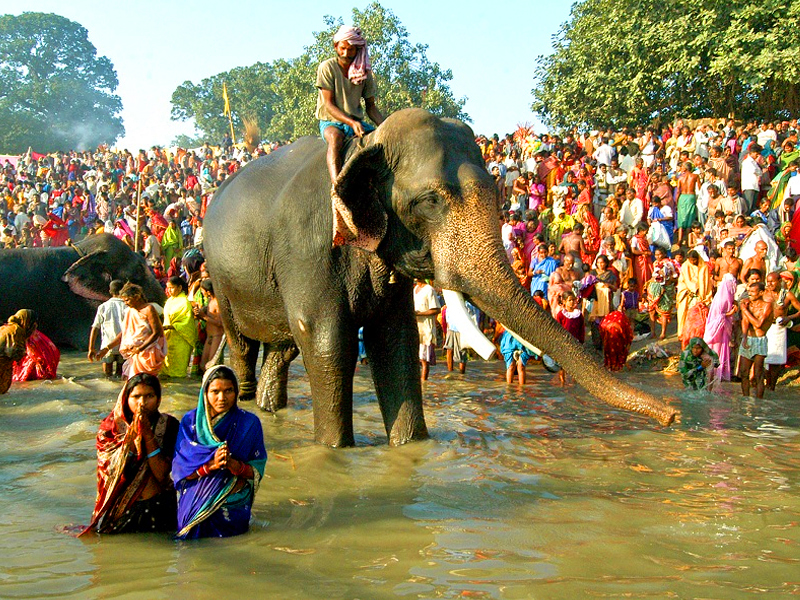
Sonepur Mela: Unveiling the Hidden Charms of Tradition and Diversity
While many have heard of popular Indian fairs like Pushkar Mela or Surajkund Mela, there exists an even grander spectacle, the Sonepur Mela, hidden away in the heart of Bihar.
Sonepur, the place nestled at the confluence of the Ganga and Gandak rivers, has a rural background.
This Sonepur fair is the largest cattle fair in Asia and has a history as rich as the land it’s held on.
Beyond the hustle and bustle of trading animals, including cattle, elephants, and horses, the Sonepur Mela offers a fascinating blend of tradition, culture, and entertainment that deserves to be discovered.
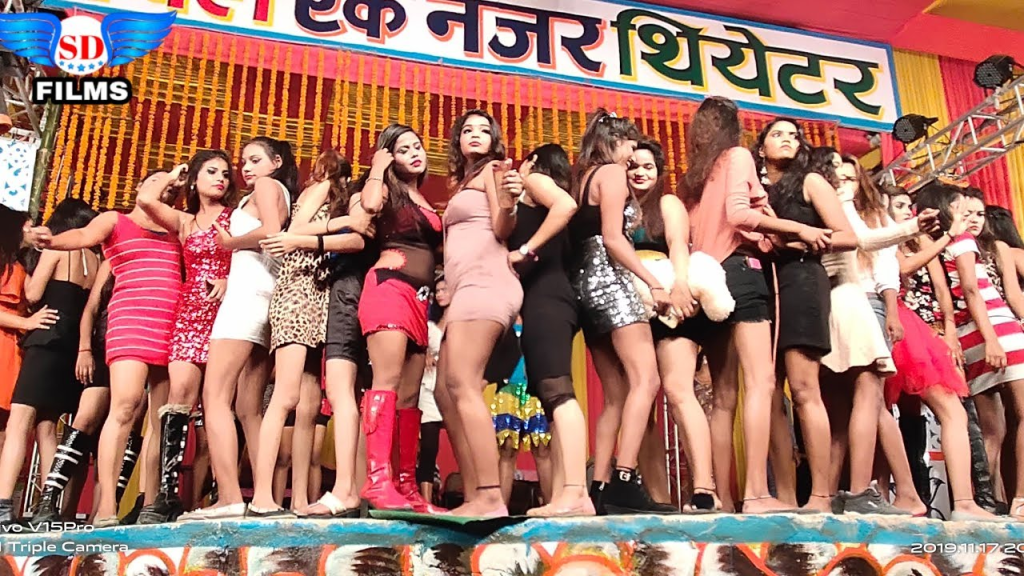
A view of Shobha Samrat Theatre
Holds a special place in my heart, because…
I’ve always had a deep-seated desire to share the story of Sonepur Mela, as it holds a special place in my heart. You see, I visited this extraordinary fair forty years ago when I was in college, staying at the Dholi College Hostel, which is about 120 kilometers away from Sonepur.
A group of my friends and I decided to venture to the Mela during the midnight hours. While we weren’t particularly interested in buying or selling cattle, we were eager to witness the mesmerizing dance performances at the renowned “Shobha Samrat Theatre” on the fairgrounds.
For the entire night, we reveled in the captivating dance performances, all while braving the chilly weather. What made this theatre truly unique was the “Launda Naach,” where male performers danced in female attire,.
This creates an unforgettable spectacle. Sonepur Mela, with its rural roots, attracted a large number of farmers and locals who came to enjoy various forms of entertainment, including theater shows that continued throughout the night.
Among the many captivating performances were rural folk dances and Bhojpuri dances with traditional music, which resonated with us as college students and left us with cherished memories.
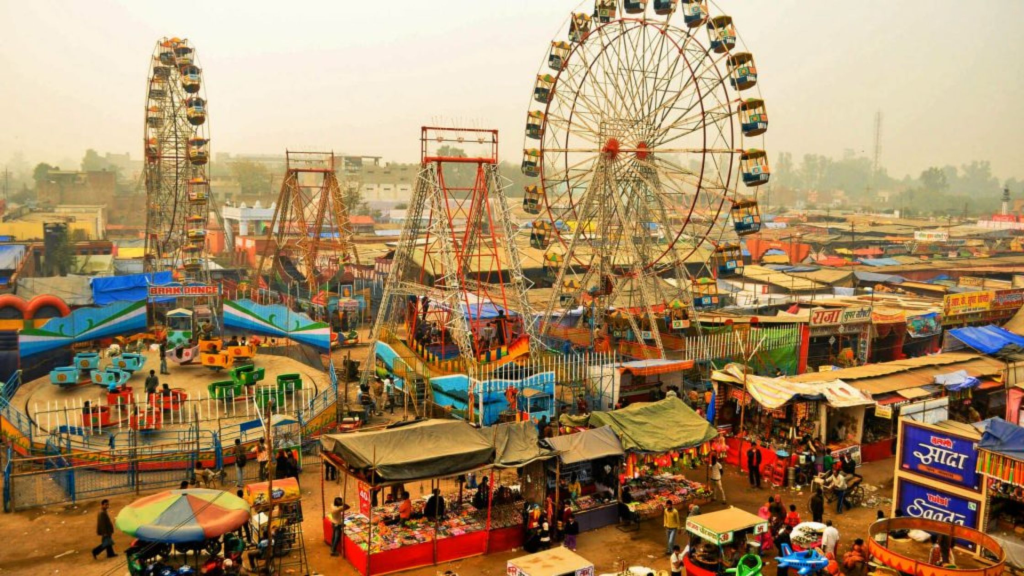
The Origins of Sonepur Mela
The history of the Sonepur Mela dates back to the 4th century BC when the great Indian king, Chandragupta Maurya, ruled the region. Initially, the site of the fair was Hajipur, where puja was performed at the famous Harihar Nath Temple.
This temple, believed to be built by Lord Rama while on his way to King Janak’s court for Sita’s marriage proposal, holds great significance for locals.
The fair is also a tribute to Hindu mythology, specifically the intervention of Lord Vishnu in a legendary battle between a crocodile (grah) and an elephant (gaj).
The battle symbolized the clash between water and the forest. As the elephant bathed in the River Gandak, a crocodile attacked it. To resolve the conflict, Lord Vishnu had to step in and save the elephant, a story that remains embedded in the culture of the fair.
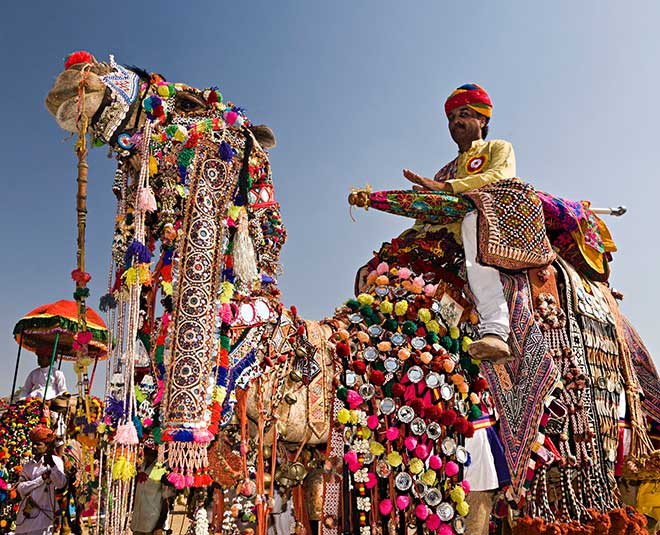
Another story is that It was during the reign of Aurangzeb, the Mughal emperor, that the Sonepur Mela evolved into a grand affair with performances, stalls, and a bustling marketplace.
The primary focus of the fair was trading animals, particularly elephants, Horses, and birds. However, with the strict enforcement of the Wildlife Protection Act in 1972, the trading of elephants was banned. Nowadays, these majestic creatures are brought to the fair as attractions, no longer for sale.
Dates of Sonepur Mela
The dates for the Sonepur Mela are determined by the Hindu Calendar. The fair commences in the Kartik month on Kartik Poornima, the full moon day.
It typically falls in November or December according to the Gregorian calendar. In 2023, the Sonepur Mela will be held from 20th November to 5th December.
Major Attractions of Sonepur Mela
Hariharnath Temple: The temple, dedicated to Lord Hariharnath, stands as the heart of the Sonepur Mela, tracing its origins back to the fair itself. It’s believed to be the site where Lord Vishnu intervened in the battle between the crocodile and the elephant.
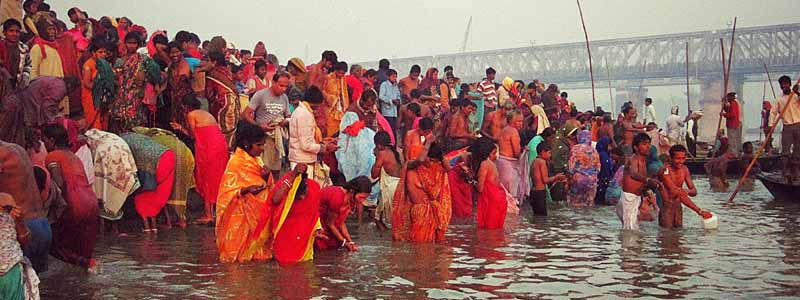
Pilgrims from across the country gather here on Kartik Poornima to offer their prayers and take a dip in the holy confluence of the Ganga and Gandak rivers.
Sonepur Cattle Fair:
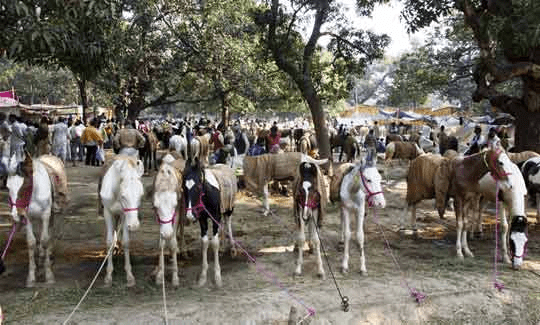
The Sonepur Mela’s primary attraction is the cattle fair, where you can witness the grandeur of elephants and other animals prepared for the occasion. Aside from elephants, visitors can marvel at a diverse array of animals, including horses, donkeys, dogs, rabbits, buffaloes, goats, camels, and ponies.
The fair’s international appeal has attracted visitors from Japan, Kazakhstan, France, Austria, Switzerland, Portugal, and the United States.

Sports:
The Sonepur Mela isn’t just about animals and rituals; it also boasts an active side with various sports and activities.
From traditional Indian wrestling (Kushti and Dangal) to cricket, football, volleyball, handball, and even unconventional sports like Rassa-Kassi, rugby, and Kabbadi, there’s something for everyone.
These events are open to both men and women, making them a thrilling addition to the fair’s festivities.
Ganga Maha Aarti:
As the evening sets in, the Sonepur Mela comes alive with the mesmerizing Ganga Maha Aarti held on the banks of the confluence of the Ganga and Gandak rivers.
This event illuminates the ghats with countless diyas and lamps, creating an enchanting atmosphere that should not be missed.
Friends,
Sonepur Mela, with its deep-rooted history, diverse attractions, and unique cultural elements, remains a hidden gem among Indian fairs. As it continues to evolve and adapt to the changing times, the essence of this grand celebration in Bihar remains an experience like no other.
It’s an opportunity to immerse yourself in a world where tradition meets commerce, culture blends with entertainment, and history mingles with the present.
Don’t miss the chance to explore the vibrancy of Sonepur Mela and uncover the captivating stories that lie beneath its surface.
(Pic Courtesy: Google.com)
BE HAPPY….BE ACTIVE….BE FOCUSED….BE ALIVE…
If you liked the post, please show your support by liking it,
following, sharing, and commenting.
Sure! Visit my website for more content. Click here
Categories: infotainment
 Retiredकलम
Super intéressant
LikeLiked by 2 people
Merci beaucoup mon cher..❤️❤️
LikeLike
Sonepur Mela blog is an interesting subject.It is linked with Puran.It is an enjoyable for the youth ie londa dance.Nothing to add more.Every things are precisely covered.It is an attraction for all sect of people.
LikeLiked by 2 people
Thank you so much for your appreciation.
Stay happy and blessed.
LikeLike
Fascinating! Your final paragraph is brilliant.
LikeLiked by 1 person
Thank you so much for your appreciation.
Stay connected and stay happy.💕
LikeLike
Thank you for bringing this part of Indian culture 🙏 🙌
LikeLiked by 1 person
Yes dear.
I am trying to share about some Indian culture
LikeLiked by 1 person
Beautiful post ✉️
LikeLiked by 1 person
Thank you so much.
LikeLike