Would you rather work from an office or remotely?
View all responses
Hello, dear friends!
I hope this blog finds you in a cheerful mood.
Today’s writing prompt raises an interesting question: “Would you rather work from an office or remotely?”
It is a question that has become increasingly relevant in today’s changing professional world. The traditional office, once considered the heart of professional life, now competes with the convenience of working from home.
Both arrangements have their advantages and disadvantages, but which one offers a better working experience?
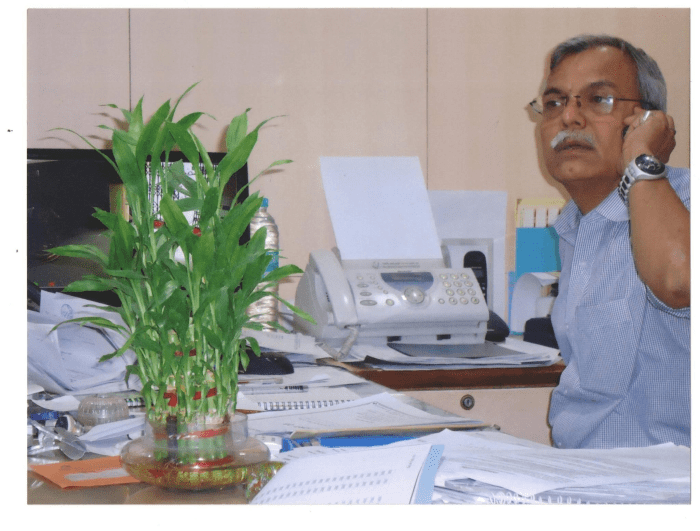
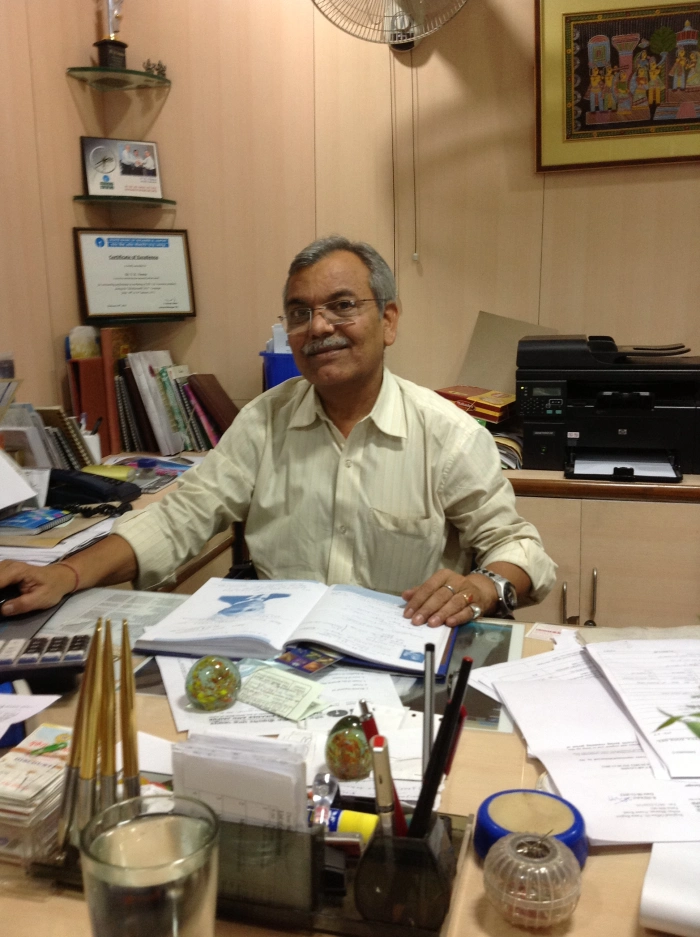
Having spent more than three decades in the banking profession, I have experienced the traditional office environment. Although remote working was not a common option during most of my professional journey, I can certainly appreciate the opportunities and challenges it offers today.
Let’s explore both sides!
The Charm of Working from an Office
For many of us, an office is much more than a physical workplace. It is a place where professional relationships develop, friendships blossom, and teamwork becomes a part of everyday life.
I spent nearly 32 years as an officer with the State Bank of India. Those years taught me that working in an office is not merely about completing assignments or achieving targets. It is also about interacting with colleagues, serving customers, sharing responsibilities and learning from one another.
I still cherish memories of colleagues, lunchtime conversations, occasional celebrations and the satisfaction of accomplishing challenging assignments together.
An office provides a structured environment. Fixed working hours, face-to-face discussions and immediate communication can improve coordination and accountability.
As the saying goes:
“Alone we can do so little; together we can do so much.” — Helen Keller
Human interaction also contributes to emotional well-being. A friendly conversation with a colleague can sometimes make a difficult working day much easier!

The Freedom of Working Remotely
Remote working has transformed the modern workplace. Technology has made it possible to attend meetings, collaborate with colleagues, manage projects and deliver results without travelling to an office.
Imagine saving two hours of daily commuting, enjoying breakfast with family and beginning your workday without the morning traffic!
Working remotely offers flexibility, saves travel expenses and allows people to maintain a better balance between professional and personal responsibilities.
It can be particularly beneficial for parents, caregivers, people with disabilities and professionals living far from major business centres.
However, remote working also has its challenges. Distractions at home, social isolation, communication gaps and difficulty separating professional responsibilities from personal life can sometimes affect productivity.
There is also a danger of remaining connected to work throughout the day. When your home becomes your office, switching off can become surprisingly difficult!

Productivity Matters More Than Location
In my opinion, the real question is not where we work but how effectively we work.
A dedicated employee can be productive in an office as well as at home. Similarly, an undisciplined person may struggle in either environment.
Technology has changed the way we communicate and conduct business, but certain qualities remain timeless: sincerity, commitment, punctuality, teamwork and responsibility.
“Work is not a place you go to; it is something you do.”
The future of employment may therefore depend on flexibility rather than insisting that everyone follow the same working arrangement.
My Choice: A Hybrid Working Model
If I were working in today’s professional environment, I would probably prefer a hybrid arrangement.
A combination of office and remote working offers the best of both worlds. Office days provide opportunities for collaboration, brainstorming, relationship-building and teamwork, while remote days offer flexibility and uninterrupted concentration.
Of course, the ideal arrangement depends on the nature of the job, organisational requirements and individual circumstances.
Not every profession can operate remotely. Banking, healthcare, manufacturing, hospitality and several essential services require people to be physically present.
My banking experience has taught me the importance of personal interaction, particularly when dealing with customers who value trust, understanding and human connection.
My Submission: Work to Live, Not Live to Work
Whether we work from an office or from the comfort of our homes, we should never forget that work is only one part of life.
Our health, family, relationships, hobbies and personal happiness deserve equal attention.
Looking back at my professional journey, I feel grateful for the experiences, friendships and lessons that working in an office provided.
Today, during retirement, I enjoy the freedom to pursue my passions for writing, painting, blogging and staying active.
Perhaps this is another reminder that every phase of life offers a different kind of freedom.
My verdict? I would choose the hybrid model if given an opportunity today. It combines professional interaction with personal flexibility.
After all, the best workplace is not necessarily an office building or a room at home. It is an environment where people feel motivated, respected, productive and happy.
What about you? Would you rather work from an office, work remotely, or choose a combination of both?
I would love to hear your thoughts in the comments section.
Until we meet again, keep smiling, keep learning and keep moving forward!

BE HAPPY… BE ACTIVE… BE FOCUSED… BE ALIVE
If this post inspired you, show some love! 💙
✅ Like | ✅ Follow | ✅ Share | ✅ Comment
www.retiredkalam.com
Categories: infotainment


Your evaluation is true, Verma. Work is only part of life and to spend time to the things that we love is never to be missed. It’s very needed.
LikeLike
Dear Verma’ji, having spent a considerable part of my professional life building communication teams and working across different organisations, I find your reflections on the hybrid model particularly relevant. I agree that the real question is not where we work, but how effectively we work. An office offers something that technology, for all its brilliance, cannot entirely replicate: the spontaneous exchange of ideas, the energy of collective brainstorming and the relationships that grow through everyday human interaction. Some of the best ideas emerge not during scheduled meetings, but over an informal conversation or a chance encounter in the corridor.
At the same time, remote working has given professionals a degree of flexibility that was difficult to imagine a couple of decades ago. The ability to reclaim commuting hours, concentrate without interruptions and create a healthier balance between professional and personal responsibilities is certainly valuable. I particularly appreciate your observation that the ideal arrangement must depend on the nature of the work and the needs of the organisation. In healthcare, for instance, physical presence is indispensable in many functions, but several aspects of communication, strategy and creative work can benefit enormously from remote flexibility.
Your closing thought, Work to Live, Not Live to Work, is perhaps the most important takeaway. We devote so much of our lives to building careers that we sometimes forget to make room for the things that make life worth living. The friendships, family, creative pursuits and simple pleasures deserve their share of our time. Perhaps the best workplace is indeed one that allows us to do meaningful work without losing sight of the life waiting beyond it. A very balanced and thoughtful perspective, dada.
LikeLike