
How do you write what people actually want to read?
View all responses
Hello dear friends,
I hope this blog finds you in a cheerful mood.
Today’s writing prompt question is very interesting:
“How do you write what people actually want to read?”
At first, this question made me pause. As a blogger, should I write what I want to say, or should I write what others want to read?
Perhaps the answer lies somewhere in between.
Writing is personal, but reading is emotional. A writer puts his thoughts on paper, but a reader decides whether those thoughts are worth carrying in the heart.

❤️Write From the Heart, But Think About the Reader
I believe good writing begins with honesty.
When I started writing after retirement, I never imagined that my experiences, thoughts, poems and simple observations would find readers. I was not trying to become a famous writer. I simply wanted a place where I could express myself.
Over time, I understood something important:
“Write what you know, but write it in a way that others can feel.”
My experiences may be personal, but emotions are universal.
A retired person’s loneliness, a mother’s memory, the joy of friendship, the fear of growing old, the excitement of learning something new, or the happiness of spending time with grandchildren—these may be my stories, but they can become our stories.
❤️People Read to Feel Something
Why do people read?
Sometimes they want information. Sometimes entertainment. Sometimes inspiration. And sometimes they simply want to know that someone else feels the same way they do.
That is why emotions are powerful in writing.
A technically perfect article may be forgotten, but one honest sentence can stay with a reader for years.
“People may forget what you wrote, but they remember how your words made them feel.”
When I write about retirement, fitness, art, family, ageing or happiness, I try not merely to provide information. I try to share an experience.
Perhaps that is what makes a reader stop scrolling and start thinking.

❤️Solve a Problem or Answer a Question
Another simple way to write something people want to read is to understand their needs.
A reader may be asking:
- How can I stay happy after retirement?
- How can I keep myself active in old age?
- How do I overcome loneliness?
- Can I start something new at sixty?
- How can I find purpose after leaving my job?
If my writing can offer even one useful thought, it has served a purpose.
Good writing does not always have to provide a big solution. Sometimes it only needs to offer a small spark.
“A useful idea, expressed simply, can become a light in someone else’s day.”
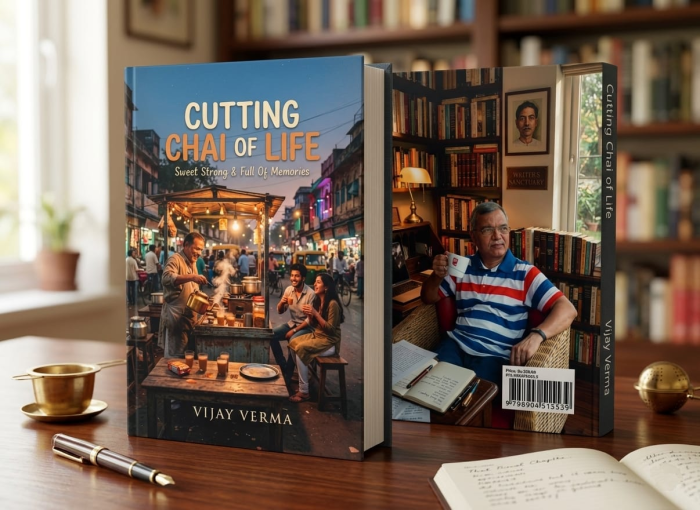
❤️Keep It Simple and Real
Readers don’t need complicated vocabulary to understand a meaningful idea.
They want authenticity.
I have learned that my ordinary experiences can become interesting when I share them honestly. A morning walk, a conversation in the park, a painting session, a family outing or even a quiet cup of tea can become a story.
Life itself provides endless content.
The secret is to observe it.
❤️Give Readers a Reason to Return
Writing one good article may attract a reader. Writing consistently can create a relationship.
A blogger should listen to readers—their comments, questions, appreciation and even criticism. These responses tell us what touches them.
But there is a danger too.
If we constantly chase trends and write only what others demand, we may slowly lose our own voice.
So I believe:
“Don’t write to please everyone. Write to connect with someone.”
That connection is more valuable than numbers.
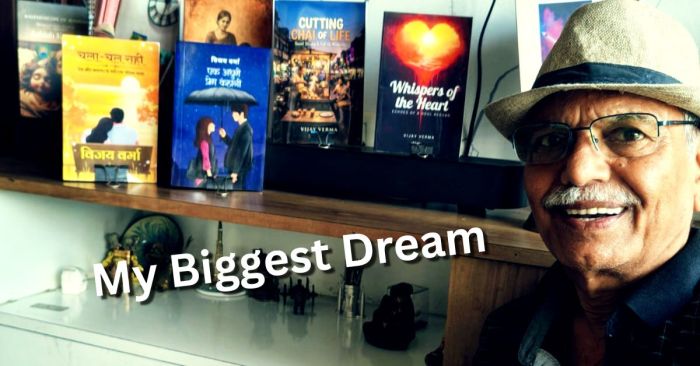
❤️My Writing Mantra
After years of writing, I have developed a simple philosophy:
- Write from the heart.
- Think about the reader.
- Keep the language simple.
- Share something useful.
- Tell the truth.
- And leave the reader with a thought.
We cannot always predict what people will want to read.
But we can give them something genuine.
And perhaps that is the real secret.
- Write what you believe.
- Write what you experience.
- Write what you feel.
- Then shape it so that someone else can see a little of themselves in your words.
Because ultimately, writing is not merely about putting words on a page.
It is about building a small bridge between one heart and another.
And when a reader crosses that bridge and says,
“I felt exactly the same,”
we know that our writing has done its job.

BE HAPPY… BE ACTIVE… BE FOCUSED… BE ALIVE
If this post inspired you, show some love! 💙
✅ Like | ✅ Follow | ✅ Share | ✅ Comment
www.retiredkalam.com
Categories: infotainment
 Retiredकलम
I loved this line: “Write from the heart, but think about the reader.” 🤍 That’s exactly what makes writing feel real and connects one heart to another.🦋✨
LikeLiked by 2 people
Thank you so much for connecting with that line. 🤍 I truly believe that writing becomes meaningful when it begins with the heart but finds its way into another heart.
For me, writing is not just about expressing what I feel; it is about creating a little bridge between the writer and the reader. If a few honest words can make someone pause, smile, remember, or feel understood, then the writing has done its job.
LikeLiked by 1 person
Very relatable. My approach is slightly different. I call it idea incubation. I never force myself to maintain a streak. I let the idea incubate.
Insight first, articulation next.
Since I deal with absurdities, I try to create humour by escalating the premise and following it to its logical—and often ridiculous—conclusion.
The reader is then invited into that escalated premise and, hopefully, gets to discover the absurdity along with me.
LikeLiked by 1 person
Thank you for sharing such an interesting perspective. I really like the idea of “idea incubation”—allowing a thought to mature naturally instead of forcing the writing process. “Insight first, articulation next” is a wonderful way to put it.
I also love your approach to humour: taking an ordinary or absurd premise, pushing it to its logical extreme, and allowing the reader to discover the absurdity along the way. That makes the reader a participant rather than merely an observer.
LikeLiked by 1 person
Beautifully expressed, Verma ji! You’ve captured the heart of writing—honesty first, connection always. Your line ‘People may forget what you wrote, but they remember how your words made them feel’ says it all. This piece itself is proof of your philosophy: simple, sincere, and deeply relatable. Keep writing from the heart. 🙏❤️
LikeLiked by 1 person
Thank you so much for your beautiful and encouraging words. 🙏❤️ They truly mean a lot to me. I believe writing becomes meaningful only when it creates a connection between hearts, and comments like yours remind me why I continue to write.
Your appreciation gives me the motivation to keep sharing thoughts, experiences, and little reflections from life. Grateful to have readers like you walking alongside me on this journey. 🙏❤️
LikeLike
Thank you so much.
LikeLike
When we write,we must do it from the heart like you have done, because on my opinion is the most beautiful writtings that we can read 🌻⭐⭐⭐⭐⭐
LikeLiked by 1 person
Thank you so much for your beautiful words and encouragement. 🌻
I completely agree—when we write from the heart, our words carry a sincerity that readers can feel.
For me, writing is less about finding perfect words and more about sharing genuine thoughts and emotions.
LikeLike
Very good points, here! As writers, we want to say what we want to say. But if no one wants to read what we want to say, then we have no audience. We are writing to ourselves. So if we want to write something for people to read, then we need to do two things: write what makes us happy and interests our readers.
LikeLiked by 2 people
Thank you for putting it so beautifully. I completely agree—writing needs a balance between what inspires the writer and what interests the reader.
If we write only for ourselves, it may remain a private conversation; if we write only to please others, we may lose our authentic voice.
LikeLiked by 2 people
😊
LikeLiked by 3 people
Thank you so much for your time and visit.😊
LikeLiked by 1 person
You have outlined this topic very well. You need to write what you know and what you feel with honesty. Superfluous words often detract from the message so keeping it simple and interesting is the best way to go. Also, breaking up posts into short paragraphs with proper punctuation helps readers follow. There is noting worse that seeing one long run on paragraph or page. It is very difficult if not impossible to follow. Have a wonderful day. Allan
LikeLiked by 1 person
Thank you, Allan, for such a thoughtful and practical comment. I completely agree—honest writing does not need unnecessary decoration. When we write from what we know and genuinely feel, the message becomes more natural and relatable.
And yes, presentation matters too. Short paragraphs, clear punctuation, and a little breathing space make a big difference to the reader. A good message should invite the reader in, not make them search for the exit! 😊
LikeLiked by 1 person
‘Writing is not merely about putting words on a page. It is about building a small bridge between one heart and another’ is such a beautiful way to put it! Your philosophy of keeping language simple while sharing genuine experiences really shines through this piece. 🙏❤️
LikeLiked by 1 person
Thank you so much for your thoughtful words. 🙏❤️
I truly believe that when we write honestly and simply, our words can travel beyond the page and touch another heart.
LikeLiked by 1 person
That truth shines so clearly through your writing! ❤️ Simple, honest writing is always the most powerful, and it really does bridge the distance between hearts. Thank you for sharing your gift with us—wishing you a peaceful and inspiring week ahead! ✨
LikeLiked by 1 person
Thank you so much for your beautiful and heartfelt words. ❤️
They truly mean a lot to me. I believe writing becomes meaningful when it comes straight from the heart and touches another heart, even across distances.
LikeLiked by 1 person
That sentiment is so beautiful, and it truly comes through in everything you share! ❤️ Connecting across distances through honest writing is what makes blogging so special. Wishing you a peaceful and inspiring rest of your week! ✨
LikeLike
Thank you so much for your beautiful and heartfelt words. ❤️
I completely agree—honest writing has a wonderful way of crossing distances and creating connections between hearts, even when we have never met.
LikeLike