
Hello dear friends,
I hope this Blog finds you in a cheerful mood.
Today’s writing prompt question is both fascinating and surprisingly philosophical:
“What villain actually had a good point?”
At first glance, the question seems straightforward. Villains are supposed to be evil, while heroes stand for justice and goodness. Yet literature, mythology, and modern storytelling often blur that distinction.
The most memorable villains are rarely those who are evil for the sake of being evil. Instead, they begin with a reasonable concern but choose destructive methods to pursue it.
As the old saying goes:
“Every villain is the hero of their own story.”
That simple sentence explains why some fictional antagonists leave such a lasting impression. Their goals may contain an element of truth, but their actions ultimately betray those ideals.
When the Cause Is Right but the Method Is Wrong
One example that immediately comes to mind is Thanos from the Marvel Universe. His belief was that unchecked population growth would eventually exhaust the u
niverse’s resources, leading to suffering and collapse. While his horrifying solution—eliminating half of all life—was morally indefensible, the concern itself was not entirely imaginary.
Even today, humanity debates issues such as overpopulation, environmental degradation, climate change, and the sustainable use of natural resources.
Thanos identified a genuine problem, but his answer was cruelty instead of compassion, destruction instead of innovation.
His story reminds us that a noble objective loses its virtue when pursued through inhumane means.
Fear Can Create a Villain
Another intriguing example is Magneto from the X-Men stories. Having survived unimaginable persecution, he believed mutants would never truly be accepted by ordinary humans.
His fears were rooted in painful experience rather than blind hatred.
History repeatedly teaches us how prejudice and discrimination can scar generations.
Magneto’s warning about intolerance deserves reflection, even though his willingness to dominate others ultimately undermines the justice he sought.
His tragedy lies not in what he feared—but in what he became because of that fear.
The Villain Within Every Human Heart
Perhaps the greatest lesson is not found in fictional characters but within ourselves.
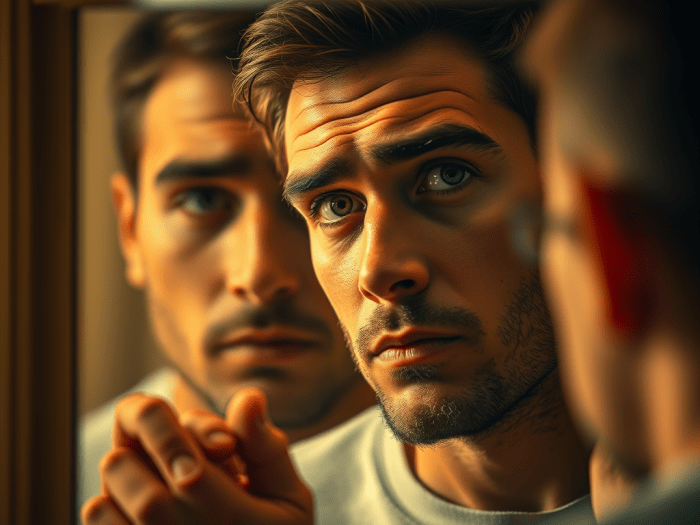
I believe every human being carries both a hero and a villain within the heart. One represents kindness, patience, forgiveness, and compassion. The other whispers pride, anger, greed, jealousy, and revenge.
Our true character is shaped by which voice we choose to strengthen.
As the Cherokee proverb beautifully expresses:
“Inside every person, there are two wolves fighting. The one that wins is the one you feed.”
Life constantly presents us with choices. Two people may recognize the very same problem, yet respond in entirely different ways. One seeks dialogue, while another chooses aggression. One builds bridges; another burns them.
The difference lies not only in what they believe, but in how they choose to act upon those beliefs.
History Repeats the Same Lesson
History offers countless reminders that destructive movements often begin by pointing to genuine problems. Poverty, inequality, corruption, injustice, and oppression are real concerns.
However, when leaders attempt to solve these issues through hatred, violence, or tyranny, noble intentions become corrupted.
As the philosopher once observed:
“The road to hell is paved with good intentions.”
Good ends can never justify evil means.
That is one of the quiet but profound lessons great stories continue to teach us.
Learning Without Admiring
When we encounter a fictional villain with a convincing argument, we are challenged to think critically rather than emotionally.
Ideas themselves are not always good or bad. Context matters. Intentions matter. Most importantly, methods matter.
This prompt also teaches us empathy—not sympathy for wrongdoing, but the willingness to understand why people think differently from us.
Listening to opposing viewpoints does not weaken our values. Instead, it helps us identify the real issues before they grow into conflicts that divide society.
As readers, we should never admire cruelty simply because it is presented with confidence. At the same time, we should not dismiss every argument simply because it comes from an antagonist.
True wisdom lies in separating the message from the messenger.
My Final submission
In the end, I believe the best answer to today’s prompt is this:
Many villains had a good point, but almost all of them chose the wrong path to prove it.
Their stories remind us that truth without compassion becomes tyranny, and justice without humanity becomes revenge.
Perhaps that is why great stories endure across generations. They do not merely entertain us with battles between heroes and villains. They invite us to examine our own choices, our own convictions, and the methods we use to pursue what we believe is right.
The world does not need more people who think they are heroes at any cost. It needs people who pursue worthy goals with wisdom, humility, courage, and kindness.
“Character is revealed not only by what we fight for, but by how we choose to fight.”
Thank you for reading!
I would love to hear your thoughts. Which fictional villain do you think actually had a good point, and why? Share your perspective in the comments below—I’d be delighted to continue the conversation.

BE HAPPY… BE ACTIVE… BE FOCUSED… BE ALIVE
If this post inspired you, show some love! 💙
✅ Like | ✅ Follow | ✅ Share | ✅ Comment
www.retiredkalam.com
Categories: infotainment


Good points Vijay. Truly inspiring.🌿🍂
LikeLiked by 2 people
Thank you so much for your kind words and encouragement.
I’m truly glad the thoughts resonated with you. Your appreciation means a great deal to me and inspires me to keep reflecting and writing.
Wishing you peace, joy, and many moments of inspiration. 🌿🙏
LikeLiked by 2 people
very nice .
LikeLiked by 2 people
Thank you so much.
LikeLiked by 1 person
Interesting. There is good and bad in all of us . Nothing is black and white, there are always shades of gray. Whenever I read about villains I remember some of the best villains of Hindi cinema of earlier days. Pran was the best.
LikeLiked by 3 people
Thank you for your thoughtful comment. I completely agree—human nature is rarely black and white. Most of us carry both strengths and flaws, and it is often those shades of gray that make characters, and people, so fascinating.
And yes, Pran was truly one of the greatest villains of Hindi cinema. His performances were so convincing that audiences loved to hate him, yet off-screen he was known to be a remarkably kind and gracious person. That contrast itself beautifully illustrates the point you made. Thank you for sharing your perspective.
LikeLiked by 2 people
Verma ji, this is an absolutely masterful reflection. I was particularly struck by how you connected the grand, cosmic scale of Thanos’s concerns right down to the intimate, daily battle of the ‘two wolves’ within us. It’s a powerful reminder that the most dangerous villains aren’t always wearing capes or wielding infinity stones—sometimes, the villain is the voice of pride and anger we choose to feed in our own hearts.
Your point about separating the message from the messenger is so crucial in today’s world, where it’s easy to dismiss an entire argument based on who is presenting it. You’ve beautifully articulated that wisdom isn’t just about knowing what is right, but about having the humility to pursue that rightness with kindness.
To answer your question: I’ve always found Killmonger from Black Panther to be a fascinating example. His point about Wakanda’s isolationism and their complicity in the suffering of the global Black diaspora was a painful, necessary truth. He forced T’Challa to confront a legacy of silence. However, like you said, his method—seeking to arm the oppressed with weapons of war to become the oppressors—ultimately betrayed his own noble cause. He wanted to tear down the master’s house but chose to use the master’s tools.
Thank you for such a thought-provoking read. It’s rare to find such a perfect blend of pop culture and profound philosophy. Truly, this was a gem to read!”
LikeLiked by 2 people
Thank you so much for this wonderfully thoughtful and generous response. I am truly humbled by the care with which you read the post and by the depth of your reflections.
I especially appreciated your example of Killmonger. I agree completely—his critique of Wakanda’s isolationism exposed an uncomfortable truth, but his choice of violence ultimately undermined the justice he sought. As you so eloquently put it, he chose to use the master’s tools, and that is a profound insight.
Your observation about the “two wolves” within us also resonated deeply with me. Perhaps our greatest battles are not against external villains, but against the pride, fear, and anger that quietly compete for space within our own hearts.
LikeLiked by 1 person
The best stories (books and movies) include villians who are not two dimensional. You sympathize with them, and even though they are the villian, you understand why they do what they do (even if you don’t agree).
LikeLiked by 2 people
I couldn’t agree more. The most memorable villains are often those with believable motives and genuine human complexity.
They remind us that people are rarely entirely good or entirely evil, and that circumstances, choices, and beliefs can shape anyone’s path.
LikeLiked by 2 people
You have brought forth many valuable and true points Sir. Life is hardly ever black and white. We live in shades of gray where things are constantly changing. Many of those we regard as villains are not always acting as villains and may even show rare moments of empathy and even kindness. It is not our position to judge but to accept. And that does not mean that we have to hold villains up as we would good people, it simply means that given the circumstances we might have become that villain ourselves. There, but for the grace of God. Thank you for a very enlightening post. All the best!
LikeLiked by 2 people
Thank you so much for your thoughtful and insightful reflection, Sir.
I truly appreciate the depth of your perspective.
I completely agree that life is rarely black and white. Human nature is complex, and circumstances often shape people in ways we may never fully understand. While we should never excuse harmful actions, understanding the humanity behind them can foster compassion without compromising our values.
LikeLiked by 2 people
So true Sir, we should not ever excuse harmful actions, that is for sure, but we also must not fully and inexorably demonise the evil doer. We do not know what led him/her to it. Compassion and kindness always supersede punishment and hate.
LikeLiked by 2 people
Thank you, Sir, for your thoughtful reflection.
I completely agree that while harmful actions must never be justified, it is equally important not to lose sight of our shared humanity. Often, we cannot fully understand the circumstances, pain, or choices that lead someone down the wrong path.
LikeLiked by 2 people
Quite right you are Sir. Thank you! Best wishes for a sparkling evening!
LikeLiked by 2 people
Thank you so much, Sir. Your kind words and thoughtful encouragement are always a pleasure to receive.
I wish you a sparkling evening as well—one filled with peace, good health, creative inspiration, and the quiet joy that comes from meaningful moments.
LikeLiked by 1 person
Thank you! And a very good night to you Sir. Looking forward to catching up in the morning.
LikeLiked by 1 person
Good morning, Sir,
I am on morning walk track.
LikeLiked by 1 person
Good morning! I hope you enjoyed your walk Sir! I will be on my own walking track very soon!
LikeLike
Thank you so much, Sir.😊
I did enjoy my walk—it was refreshing and a wonderful way to spend the morning. I hope your walk was equally enjoyable and left you feeling energized and peaceful.
Wishing you a pleasant afternoon filled with good health, happiness, and creative inspiration. Take care and enjoy the rest of your day! 🌿☀️
LikeLiked by 1 person
Thank you so much Sir! I did enjoy my walk through the old medieval town today and I felt like I was walking through the XIIth Century. It was quite a feeling. Now I am updating some posts, planning and programming others as I will be travelling (the reason why I’ve not been reading posts) for a few days until I settle into the actual summer routine for VALENCIARTIST. Hope you enjoy a most wonderful day Sir, in peace and in the tranquillity that the creative process provides.
LikeLiked by 1 person
Thank you so much for sharing your day, Sir.
Your walk through the old medieval town sounds absolutely fascinating. I can imagine the wonderful feeling of strolling through streets that carry centuries of history, almost as if time had stood still. Experiences like these are a rich source of inspiration for any artist.
LikeLiked by 1 person
Without a doubt Sir. I love those walks through time.
LikeLiked by 1 person
Thank you, Sir. 😊
I couldn’t agree more. Those walks through time have a special way of slowing us down and reminding us of life’s simple yet enduring truths.
LikeLiked by 1 person
Have a peaceful and restful night my friend. Catch you in the morning.
LikeLiked by 1 person
Good morning, Sir.
I am enjoying swimming session.
LikeLiked by 1 person
Good morning! I hope you have truly enjoyed your swim. And a most wonderful day!
LikeLike
Thank you so much, Sir. 😊 I did enjoy my swim, and it was a refreshing start to the day. It’s afternoon here now, and I hope your day has been going wonderfully as well.
Wishing you a peaceful afternoon and a delightful evening ahead. Take care! 🌿🙏
LikeLiked by 1 person
Thank you 🙏🏻 so
Much my friend !
LikeLiked by 1 person
You are welcome, Sir.
Good night.
Have a restful night.
LikeLiked by 1 person
Good night Sir! Catch you in the morning!
LikeLiked by 1 person
Good morning, Sir.
I am on morning walk track.
LikeLiked by 1 person
Good morning! Hope you had a nice refreshing walk Sir! My best wishes for a wonderful day! I will be travelling today so it will be a different day than usual but I am grateful for its blessings.
LikeLiked by 1 person
Good afternoon, Sir. 😊 Thank you so much for your kind wishes.
Yes, I had a refreshing morning walk, and it has made for a pleasant start to the day. I hope your journey is going smoothly and that your travels bring you safe passage, enjoyable moments, and perhaps a few delightful surprises along the way.
LikeLiked by 1 person
Thank you kindly Sir! May you enjoy a most delightful and productive day!
LikeLiked by 1 person
Thank you so much, Sir, for your kind and generous wishes. They are sincerely appreciated.
I hope your day is equally delightful, productive, and filled with moments of peace, creativity, and happiness. Wishing you continued inspiration in all that you do. Have a wonderful day ahead! 😊
LikeLiked by 1 person
A good analysis. Often, villains and heroes start from the same point. The difference is in the approach. Villains will try to achieve their desired result by any means, while heroes will take a more humane approach. Have a wonderful day. Allan
LikeLiked by 2 people
Thank you very much, Allan, for your thoughtful insight.
I completely agree that the difference often lies not in the goal itself, but in the path chosen to achieve it. Means matter just as much as ends, and it is compassion, integrity, and respect for others that distinguish a hero from a villain, even when their objectives may appear similar.
LikeLiked by 1 person
A truly thought-provoking read Verma ji✨. I completely agree that a worthy cause loses its value when pursued through cruelty or hatred. Your conclusion beautifully reminds us that character is defined not just by what we fight for, but by how we choose to fight. Brilliantly written! 👏🤍✨
LikeLiked by 1 person
Thank you so much for your thoughtful and encouraging words. I am truly grateful that the message resonated with you.
I wholeheartedly agree that even the noblest cause loses its moral strength when pursued through hatred or cruelty. The values we uphold are reflected not only in what we stand for but also in the compassion, integrity, and dignity with which we pursue them.
LikeLiked by 2 people
Vermavkvさん、こんばんは。いつも有難うございます🙇♂️
反対意見を聞く、価値観を弱めるものでなく、社会を分断する対立に発展してしまう以前に、問題の本質を特定する助けとなります😊こうしたことは現代の世界に当てはまることです。全面戦争、局地的な紛争は世界で頻繁に発生しています。それは、反対意見を無視することによって起きるものです。この段階ですでに「悪」が誰かが明らかになっているのです😄
残酷さが提示されるからと称賛すべきではありませんし、敵対者からの議論だとしてすべての議論を否定するのはよくありません。なぜなら知恵は、「メッセージ」と伝達者を切り離すことにあるからです☺️多くの悪にも一理あります。ですが全員がそれを証明しようと間違った道を選ぶことにあるのです😅
思いやりがない真実は専制となります。人間性のない正義は復讐への道を突き進むことになり、私たちに自身の選択、信念、正しいことのを追求のために方法を見つめ直すことを促します😄
この世界では、犠牲を払ってでも自分が英雄と思い込人を必要とはしないのです。知恵、謙虚さ、勇気、優しさで目標を追求する人を必要としているのです。その人格は、何のために戦うかではなく、どのように戦うかによって結果が明確になることです🤗
こうしたことを共有できることはとても素晴らしいことです🤗
LikeLiked by 1 person
Good evening, my friend.
Thank you so much for your thoughtful and beautifully expressed reflections. I truly appreciate the time and care you took to share your perspective.
I completely agree that listening to opposing views is not a sign of weakness but an essential step toward understanding the true nature of a problem. As you rightly pointed out, many of the conflicts we see in today’s world arise when dialogue is replaced by intolerance and people stop listening to one another.
LikeLike
This is an interesting topic to think about.
LikeLiked by 1 person
Thank you so much.
I’m glad you found it interesting. It’s one of those prompts that encourages us to pause, reflect, and appreciate how even our most difficult chapters have shaped who we are today.
I look forward to reading your thoughts as well. 😊🌿
LikeLiked by 1 person
I always enjoy reading your insightful posts.
LikeLiked by 1 person
Thank you so much for your kind and encouraging words. 🙏😊 It truly means a lot to me that you enjoy reading my posts.
Please accept my sincere apologies for my delayed reply. I somehow missed your lovely comment earlier, and I’m grateful for your patience and understanding.
Your continued support and thoughtful encouragement inspire me to keep writing and sharing my experiences.
LikeLike