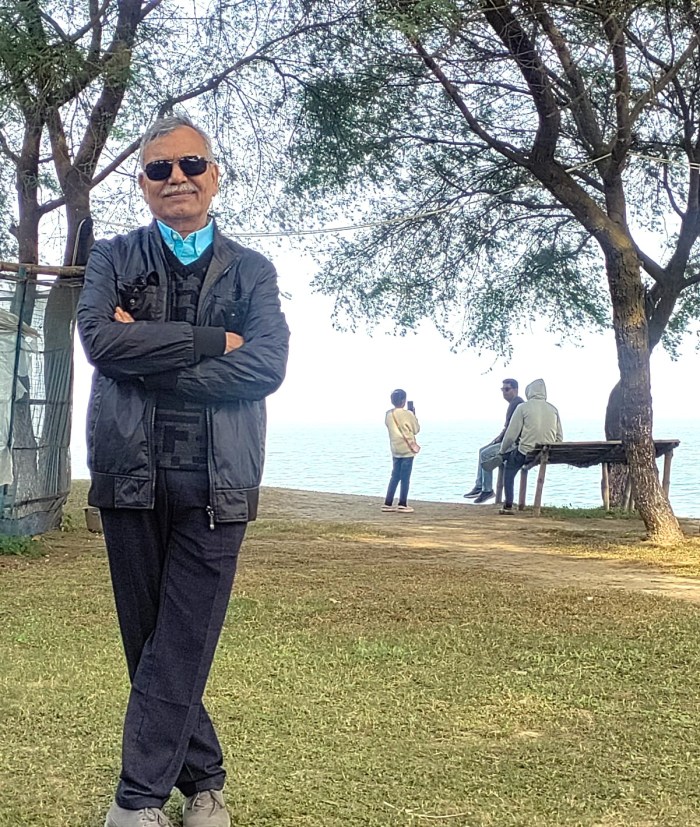

What Do You Love Now, That You Hated When You Were Younger?
Hello dear friends,
I hope this blog finds you in a cheerful mood.
Today’s writing prompt is both simple and deeply thought-provoking:
“What do you love now, that you hated when you were younger?”
At first glance, it sounds like a playful trip down memory lane. We may laugh as we remember our childhood battles with vegetables, bedtime routines, or the constant reminders from our parents to “be responsible.” Yet beneath the humour lies an invitation to reflect on one of life’s most beautiful realities—we change.
As we journey through life, our dislikes often transform into our greatest appreciations. Why does this happen? Perhaps because age doesn’t merely add years to our lives; it adds perspective.
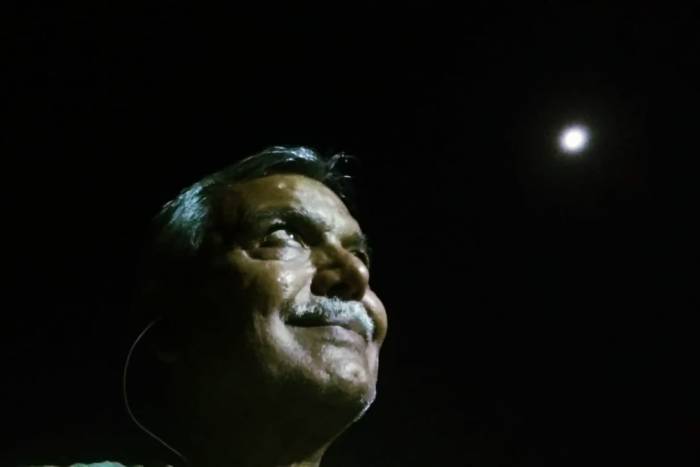
When Bedtime Becomes a Blessing
As children, many of us viewed sleep as the enemy.
Why go to bed when there were games to play, stories to read, and adventures waiting just outside our imagination? We fought bedtime negotiations with remarkable determination.
Now, however, a peaceful night’s sleep feels like a priceless gift.
After juggling responsibilities, deadlines, and the unexpected demands of adulthood, we discover that rest is not laziness—it is healing. Sleep replenishes the mind, restores the body, and prepares us to face another day with renewed energy.
How ironic that what we once resisted has become something we eagerly look forward to.
The Unexpected Beauty of Silence
There was a time when silence felt uncomfortable.
We craved noise, excitement, and constant activity. A quiet afternoon seemed boring, and being alone with our thoughts felt unfamiliar.
Today, many of us treasure those moments of stillness.
- A cup of tea enjoyed before sunrise.
- The soothing rhythm of rainfall.
- An evening walk without distraction.
Silence no longer feels empty. Instead, it becomes a refuge where we reconnect with ourselves and find clarity amidst life’s chaos.
Understanding the Wisdom We Once Ignored
As youngsters, advice from elders often sounded like unwanted interference.
We believed we knew enough. After all, weren’t we capable of making our own decisions?
Then life gently humbles us.
- Mistakes teach lessons that success cannot.
- Disappointments deepen our understanding.
- Unexpected turns reveal how little certainty we truly possess.
Suddenly, the words we once dismissed begin to echo with wisdom. We realise that guidance offered by parents, teachers, and mentors was rarely intended to restrict our freedom.
More often, it was an expression of care born from experience.

From Burden to Purpose: Learning Responsibility
Few children enjoy chores.
Cleaning rooms, completing assignments, keeping promises, and fulfilling obligations can feel like unfair punishments.
Yet adulthood reveals a different truth.
Responsibility gives meaning to our lives.
Caring for family members, honouring commitments, supporting friends, and contributing to society create a profound sense of purpose. What once felt heavy gradually becomes a source of dignity and self-respect.
Responsibility teaches us that true freedom is not the absence of duty but the ability to fulfil it with integrity.
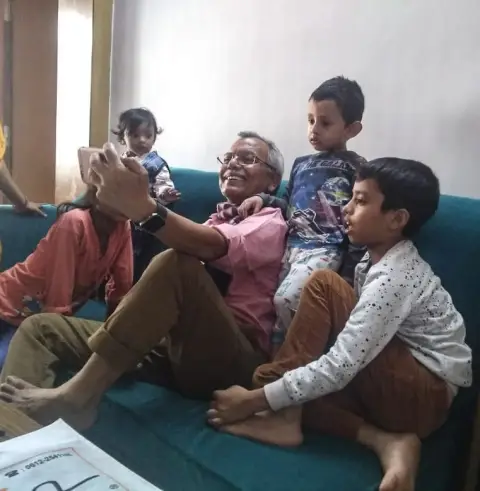
Falling in Love with Simplicity
Perhaps one of the greatest transformations is learning to appreciate simple things.
When we are young, bigger often seems better. We chase excitement, recognition, and endless possibilities.
With maturity comes a quieter wisdom.
- We begin to value heartfelt conversations over noisy crowds.
- Authentic friendships over popularity.
- Contentment over comparison.
- A home-cooked meal shared with loved ones.
- The fragrance of the soil after rain.
- A favourite song from years gone by.
- A handwritten note tucked inside a book.
These ordinary moments become life’s hidden treasures.
Growth Changes More Than Preferences
This prompt reminds us that growing older is not simply about changing our tastes.
It is about expanding our understanding.
We don’t become entirely different people. Rather, we learn to see familiar things through wiser eyes.
We recognise value where we once saw inconvenience and discover joy in places we previously overlooked.
And perhaps that is one of life’s greatest gifts—the ability to keep evolving.
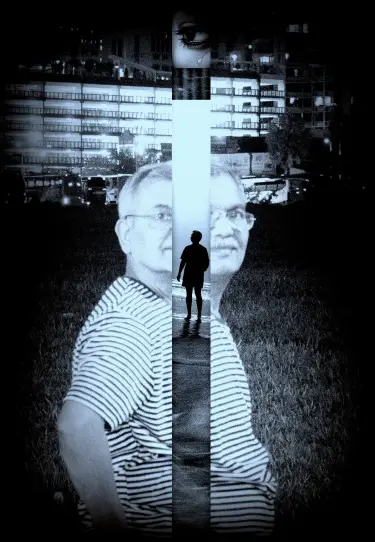
A Question Worth Asking Yourself
Everyone’s answer to this prompt will be unique.
- You may now love reading after avoiding books in your youth.
- You may appreciate exercise, gardening, early mornings, mathematics, or solitude.
- Perhaps you’ve learned to value patience, forgiveness, discipline, or even admitting when you were wrong.
Whatever your answer, it tells a story.
It speaks of lessons learned, perspectives gained, and the person you have become.
So, dear friends, I invite you to reflect:
What do you love now that you once hated when you were younger?
What changed—your circumstances, your experiences, or simply your way of seeing the world?
You may discover that your answer is not merely about preferences. It is a celebration of growth itself.
Thank you for reading.
I would love to hear your thoughts in the comments. What is something you absolutely disliked in your younger years but cannot imagine life without today?
Until next time, take care, embrace the wisdom that comes with experience, and never stop growing.
After all, some of life’s greatest blessings arrive disguised as the very things we once tried to avoid.

BE HAPPY… BE ACTIVE… BE FOCUSED… BE ALIVE
If this post inspired you, show some love! 💙
✅ Like | ✅ Follow | ✅ Share | ✅ Comment
www.retiredkalam.com
Categories: infotainment


Dear Verma ji,
What a beautiful and deeply reflective piece! Your words have a way of gently nudging us to pause and look inward.
I could relate to every single transformation you described, but the one that struck me most was “Falling in Love with Simplicity.” I remember chasing the loud, the shiny, and the grand in my younger days—thinking that’s where happiness lived. Now, some of my most cherished moments are the quiet ones: a cup of chai with an old friend, an empty park bench on a winter morning, or the familiar scent of my mother’s kitchen.
You’re so right—it’s not that we become different people, but that we learn to see with different eyes. That line will stay with me for a long time: “Some of life’s greatest blessings arrive disguised as the very things we once tried to avoid.”
Thank you for this gentle reminder that growth isn’t about losing ourselves—it’s about finding deeper layers of who we are.
Looking forward to more of your thoughtful writing!
With gratitude,
Srikanth
LikeLiked by 2 people
Thank you so much for your beautiful and heartfelt reflection. Your words touched me deeply.
I smiled when I read about the cup of chai with an old friend, the empty park bench on a winter morning, and the familiar scent of your mother’s kitchen. Isn’t it remarkable how the very things we once overlooked become the anchors of our happiness? Those quiet, ordinary moments often carry an extraordinary tenderness that only experience teaches us to recognise.
LikeLiked by 1 person
A beautiful reflection on how maturity changes not only our choices but also our understanding of life.
What I once disliked and now deeply cherish is solitude. In younger years, I sought constant company and activity. Today, quiet moments have become a sanctuary for reflection, creativity, and inner peace. They remind me that some of life’s richest conversations happen within ourselves.
Thank you for this thoughtful prompt it beautifully celebrates the wisdom that comes with experience. 🙏
LikeLiked by 2 people
Thank you for sharing such a thoughtful reflection. I was especially moved by your words about solitude becoming a sanctuary.
How true it is that, in our younger years, we often equate being alone with loneliness, seeking constant activity and companionship to fill every quiet space. Yet, with time and experience, solitude reveals its gentler nature. It becomes a place where we can breathe deeply, listen to our inner voice, nurture creativity, and rediscover ourselves without the noise of the world.
LikeLiked by 1 person
very nice .
LikeLiked by 2 people
Thank you so much.
LikeLiked by 1 person
I could relate to all the examples you gave, but I think for me the biggest surprise was how much I appreciate quiet now. I used to fill every second with sound, need distraction like air, but after raising my kids, they taught me to appreciate a moment of silence. Being together and watching a sunset or staring at the fireplace has become one of my greatest joys and is deeply connected to my sense of being loved.
LikeLiked by 2 people
Thank you for sharing this beautiful reflection. I was especially touched by your words, “they taught me to appreciate a moment of silence.” What a lovely reminder that our children often become our unexpected teachers.
I can relate to the idea that silence once felt like something to avoid, while now it has become a language of its own. There is something profoundly comforting about sitting beside the people we love, watching a sunset fade into evening or gazing quietly at a fireplace, with no need to fill the space with words. Those moments speak of trust, presence, and belonging.
LikeLiked by 2 people
Well said. You hit many of the same points I would have. Sleep, once resisted is now a precious gift, I prefer small groups of people and do not do well in crowds and the best gift I can receive is the company of a family member or friend. Exciting is a walk in the country, not the city. That is 72 years of perspective, I guess. Have a wonderful day. Allan
LikeLiked by 2 people
Thank you, Allan. I smiled as I read your reflections. There is a quiet wisdom in discovering that life’s greatest luxuries are often the simplest ones—a good night’s sleep, meaningful conversations with a few cherished people, and the companionship of family and friends.
I especially loved your observation that excitement now means “a walk in the country, not the city.” Perhaps 72 years of perspective teach us that peace is more valuable than noise, and connection more fulfilling than crowds. What once seemed ordinary reveals itself as extraordinary when viewed through the lens of experience.
LikeLiked by 2 people
Your approach is so clinical and well thought out. I was wrestling with the question with the kids as they fight bed time and other times relish it.
I asked them if they always eat chicken nuggets at every meal and their answer was predictably
Sure.
It’s all about perspective as the same four year old could name most of the flags of countries in World Cup.
LikeLiked by 2 people
You raise such an interesting point. Children can hold two seemingly contradictory truths at the same time. Bedtime is the greatest injustice ever inflicted upon them… until they’re exhausted and suddenly it’s the best idea in the world. They would happily eat chicken nuggets for every meal without hesitation, yet that same four-year-old can amaze us by memorising the flags of dozens of World Cup countries.
LikeLiked by 1 person
I used to love my devices. How I loved playing with my iPad and scrolling on my phone. Now I absolutely despise it, and I try to limit my screen time. Real life is a whole lot more fun than social media 🙂 I’m currently on a journey of limiting screen time, with my ultimate goal being getting a flip phone. I found fulfillment in other areas of my life. I refuse to be addicted and obsessed over these invisible expectations that flood social media, which are ultimately put there to promote revenue for higher-ups. I hope that more people follow this path of going back in time.
LikeLiked by 2 people
Thank you for sharing this. I can really relate to the feeling of seeing our relationship with technology change over time.
What struck me most is that you are not rejecting technology itself—you are choosing to be intentional about how much space it occupies in your life. That’s a powerful distinction. Devices can be wonderful tools, but when they begin to dictate our attention, our mood, or our sense of self-worth, it is worth stepping back and asking who is really in control.
LikeLiked by 2 people