

Hello dear friends,
I hope this blog finds you in a cheerful mood and good health.
Today’s writing prompt presents a fascinating question: “What’s a cultural tradition from another country that you wish existed in yours?”
The world is a beautiful tapestry woven from countless cultures, customs, and traditions. Every nation has practices that reflect its values, history, and way of life.
While I deeply appreciate the rich heritage and vibrant traditions of India, there is one cultural practice from another country that I find particularly inspiring and wish were more widely embraced here—the Danish tradition of “Hygge” (pronounced hoo-gah).
At first glance, Hygge may seem difficult to translate into a single word. It is not merely about comfort or relaxation. It is a philosophy of creating warmth, contentment, togetherness, and joy in everyday moments.
In a world increasingly driven by speed, competition, and digital distractions, Hygge offers a gentle reminder to slow down and appreciate life’s simple pleasures.

What Exactly Is Hygge?
Originating in Denmark, Hygge is a cultural concept centered around creating a cozy atmosphere and enjoying the good things in life with good people.
It may involve sharing a meal with family, reading a book beside a window on a rainy day, lighting candles during dinner, or simply spending quality time with loved ones without any agenda.
What makes Hygge special is that it encourages people to value experiences over possessions and relationships over status.
As the famous saying goes:
“Enjoy the little things, for one day you may look back and realize they were the big things.”
Hygge beautifully embodies this wisdom.
Why This Tradition Appeals to Me
Over the years, I have observed that modern life often leaves little room for genuine connection.
Many people are constantly busy, rushing from one task to another, checking notifications, attending meetings, and worrying about future goals.
While ambition and hard work are important, they can sometimes come at the cost of peace of mind.
The Hygge philosophy encourages us to pause and savor the present moment.
Imagine families sitting together without mobile phones, neighbors dropping in for meaningful conversations, or friends gathering simply to enjoy each other’s company without any special occasion.

Such moments nourish the soul.
In many ways, Hygge reminds us that happiness is not always found in grand achievements. Often, it resides in ordinary moments shared with extraordinary people.
Could India Benefit from Hygge?
India already possesses strong family values and community bonds. Festivals such as Diwali, Holi, Eid, Christmas, and countless regional celebrations bring people together in joyful ways.
However, our increasingly hectic lifestyles sometimes make it difficult to enjoy these connections fully.
The spirit of Hygge could complement our culture beautifully.
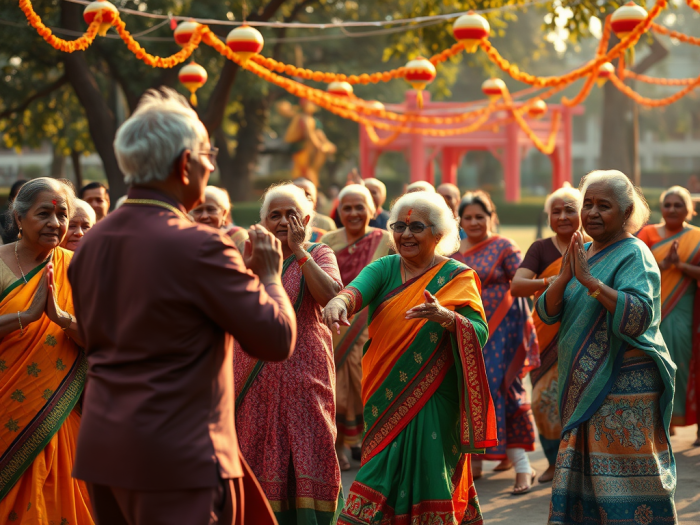
Imagine dedicating one evening each week as a “family evening,” where everyone disconnects from screens and reconnects with one another.
Imagine neighborhoods organizing simple gatherings without elaborate planning or expense. Imagine people spending less time comparing their lives on social media and more time appreciating the blessings they already have.
These small changes could significantly improve emotional well-being and strengthen relationships.
Lessons Beyond Comfort
What I admire most about Hygge is that it is accessible to everyone. It does not depend on wealth, social status, or luxury.
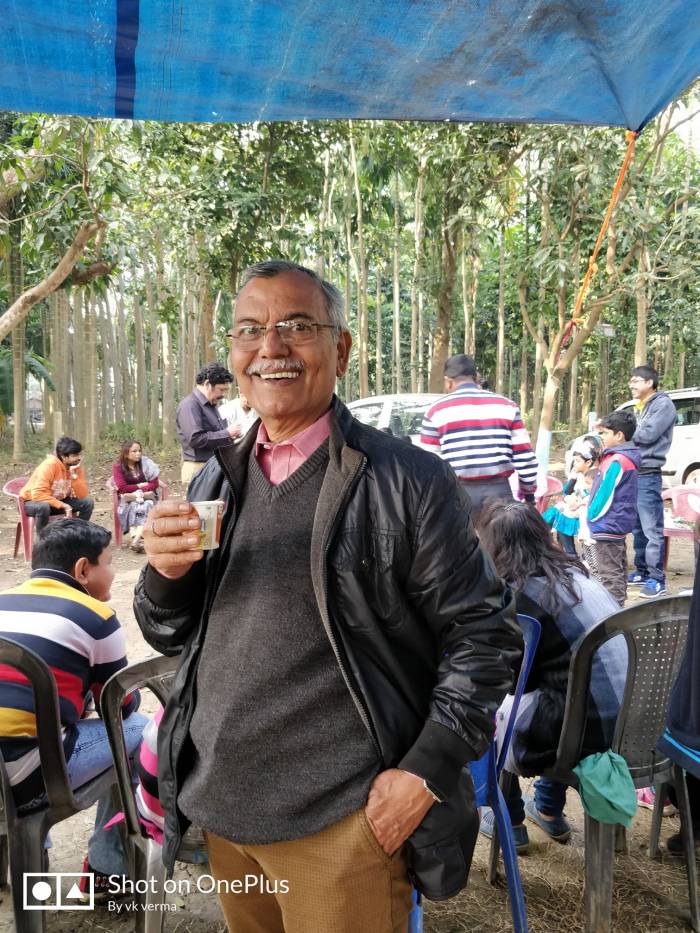
A cup of tea shared with a friend.
A meaningful conversation with a spouse.
A quiet walk at sunset.
Listening to old songs that bring back cherished memories.
These simple experiences cost very little, yet they often provide the deepest satisfaction.
In today’s consumer-driven world, where people are often encouraged to seek happiness through buying more and achieving more, Hygge teaches a refreshing lesson: happiness can be found by appreciating what we already have.

Similar Wisdom in Indian Traditions
Interestingly, the essence of Hygge is not entirely foreign to India.
Our grandparents often practiced something very similar without giving it a special name. Families gathered on verandas in the evening, neighbors shared stories, children played outdoors, and meals were enjoyed together.
Life moved at a gentler pace.
Perhaps the real lesson is not to import a foreign tradition wholesale but to rediscover values that once existed in our own communities as well.
Sometimes progress means moving forward. At other times, it means reclaiming what we have unintentionally left behind.
My Final Submission
If I could bring one cultural tradition from another country into everyday life in India, it would undoubtedly be the Danish concept of Hygge.
Not because it is fashionable or foreign, but because it encourages something deeply human: connection, gratitude, simplicity, and presence.
In a world that constantly urges us to hurry, Hygge invites us to slow down.
In a society focused on acquiring more, it reminds us to appreciate what we already possess.
And in lives often crowded with noise, it helps us rediscover the quiet joy of simply being together.
Perhaps true happiness is not hidden in distant dreams or future achievements. Perhaps it is waiting patiently in the warmth of a shared conversation, a peaceful evening, and the company of those we love.
Thank you for reading.
What cultural tradition from another country would you like to see adopted in your own nation? I would love to hear your thoughts in the comments.
“The richest moments in life are often the simplest ones.”

BE HAPPY… BE ACTIVE… BE FOCUSED… BE ALIVE
If this post inspired you, show some love! 💙
✅ Like | ✅ Follow | ✅ Share | ✅ Comment
www.retiredkalam.com
Categories: infotainment


very nice .
LikeLiked by 2 people
Thank you so much.
LikeLiked by 1 person
We discovered hygge during the pandemic. We always have some kind of string lights throughout our living room and change them according to the season. We also have multiple scented candles. Everything about our home oozes hygge! Lighting, blankets, cozy nooks, you name it. Two writers to read on hygge and the lifestyle: The Year of Living Danishly by Helen Russell and any book by Katherine May 😉
LikeLiked by 3 people
That sounds like you’ve really turned your home into a little sanctuary of calm and comfort—almost like a living, breathing version of hygge itself. The string lights changing with the seasons is such a beautiful touch; it gives time a gentle visibility, like your home is quietly keeping up with nature’s moods alongside you. And the scented candles… honestly, they’re like emotional punctuation marks for a space—softening everything without asking for attention.
What I love most is that hygge isn’t just in the objects you mentioned, but in the intention behind them. Blankets, cozy corners, warm lighting—all of it becomes meaningful because it’s shaping a slower, more grounded way of being at home. It’s less about “decorating” and more about how it feels to exist there.
LikeLiked by 2 people
Beautifully written, Verma ji! You’ve perfectly captured how Hygge isn’t just about cozy candles and blankets, but about reclaiming the lost art of genuine human connection. Your observation that Indian traditions once mirrored this very spirit—those slow evenings on verandas, neighbors dropping in unannounced, families eating together without screens—really resonated with me. Perhaps we don’t need to borrow a Danish word so much as revive what we’ve quietly let slip away. Thank you for this gentle reminder that the richest moments truly are the simplest ones. 🙏
LikeLiked by 2 people
Thank you so much for this beautiful reflection 😊🙏
I really appreciate the way you’ve extended the idea beyond hygge itself and connected it to lived traditions closer to home. That comparison to older Indian ways of living—slow evenings, open doors, shared meals, and unhurried conversations—brings a lovely sense of continuity to the thought.
LikeLiked by 1 person
A thoughtful and heartwarming read Verma ji🌷 I loved the observation that Hygge is less about candles and cozy corners and more about presence, connection, and gratitude. In a world that constantly encourages us to hurry, the reminder to slow down and simply enjoy the people around us feels especially valuable. 🤍✨
LikeLiked by 2 people
Thank you so much 😊🌷
I really appreciate how you’ve picked up on the deeper essence of hygge. It’s easy for it to be reduced to just aesthetics—candles, blankets, warm lighting—but at its core, it’s really about the quality of presence we bring into ordinary moments.
LikeLiked by 2 people
A warm and engaging blog introduction—greeting readers with wishes for good health and a positive mood before presenting an intriguing writing prompt designed to spark reflection and conversation. ✨📖😊
LikeLiked by 2 people
Thank you so much for your kind words. ✨😊
I have always believed that a blog is more than just an article—it is a conversation. That is why I enjoy beginning with a warm greeting and wishing readers good health, happiness, and a positive frame of mind before exploring the topic at hand.
LikeLiked by 1 person
This was a lovely reflection.
What stood out to me most was your point that perhaps the real lesson is not to import a foreign tradition but to rediscover values that already existed within our own communities. That felt especially insightful. So often we look elsewhere for answers when many of the things we are seeking were once a natural part of everyday life.
Your description of grandparents gathering on verandas, neighbors sharing stories, and families spending unhurried time together brought back a sense of something many societies seem to be losing. In that way, Hygge feels less like a Danish idea and more like a reminder of a universal human need for connection and presence.
I also appreciated your observation that Hygge is accessible to everyone. A meaningful conversation, a cup of tea, or a quiet walk can create more lasting happiness than many things we spend money chasing.
Thank you for sharing such a thoughtful perspective. Your posts consistently encourage readers to slow down, reflect, and find value in the simple things that often matter most.
LikeLiked by 2 people
Thank you so much for this thoughtful and generous reflection.
You captured the heart of my message perfectly. While Hygge may have a Danish name, the longing it speaks to—connection, presence, warmth, and belonging—is something deeply human and universal. In many ways, our grandparents practiced these values naturally, without ever needing a special word for them.
LikeLiked by 2 people
So true 👍 😄
LikeLiked by 1 person
Thanks for sharing your feelings.
Stay happy and keep sharing.
LikeLiked by 1 person
Wonderful post Verma! I have to agree, I think society is moving quite fast. I struggle with that too. I really want to learn the art of slowing down and taking a breath.
LikeLiked by 1 person
Thank you so much for your thoughtful comment. I think many of us are feeling the weight of how fast the world seems to move these days. We rush from one task to the next and often forget that life isn’t meant to be a race. I’m still learning the art of slowing down myself—pausing to notice the little things, enjoying quiet moments, and giving myself permission not to have everything figured out at once.
LikeLiked by 1 person