Hello dear friends,
I hope this blog finds you in a cheerful mood. Today’s writing prompt is truly thought-provoking: “Share a proverb you think is completely wrong and make your case.”
Among the many popular sayings repeated across generations, one proverb stands out to me as deeply misleading:
“Money can’t buy happiness.”
We hear this phrase so often that many people accept it without question. It sounds wise, humble, and philosophical.
But if we examine real life carefully, the proverb begins to fall apart. While money may not guarantee everlasting joy, it certainly plays a powerful role in human happiness, comfort, and peace of mind.
The Difference Between Luxury and Security
Many people misunderstand this debate because they imagine happiness only in terms of luxury cars, mansions, or expensive jewelry. But happiness is often much simpler than that.
For a struggling family, money may mean:
- Paying rent on time
- Buying nutritious food
- Affording medical treatment
- Sending children to school
- Sleeping peacefully without financial fear
These are not luxuries. They are the foundations of a stable life.
“The lack of money is the root of all evil.” — Mark Twain
A person drowning in financial stress rarely feels emotionally free. Constant anxiety about bills, debt, or survival can steal joy from everyday life.
In such situations, money absolutely improves happiness because it removes suffering.

Money Buys Freedom
One of the greatest gifts money provides is freedom. Financial stability allows people to make choices instead of merely surviving.
A person with enough money can:
- Spend more time with family
- Take vacations
- Pursue hobbies
- Rest when exhausted
- Follow creative dreams
Meanwhile, someone working endlessly just to survive may never experience these opportunities.
“Wealth consists not in having great possessions, but in having few wants.” — Epictetus
This quote reminds us that wealth should not be confused with greed. Money becomes meaningful when it creates balance, time, and emotional space for living fully.
Experiences Often Create Happiness
Another reason this proverb feels inaccurate is because many joyful experiences require money.
Think about:
- Traveling to a beautiful destination
- Celebrating birthdays and festivals
- Buying books or musical instruments
- Attending concerts or sports events
- Learning new skills
These experiences enrich life deeply. They create memories, relationships, and personal growth.
Of course, happiness cannot be purchased like a product from a store shelf. But money often opens the door to experiences that nourish the soul.

Poverty Is Not Romantic
Sometimes society glorifies struggle in unhealthy ways. People repeat “money can’t buy happiness” as if financial ambition is something shameful. But there is nothing noble about unnecessary suffering.
Ironically, those who say this proverb most confidently are often themselves financially comfortable. It is much easier to dismiss money when your own needs are already secure.
Imagine saying this proverb to:
- A parent unable to afford medicine for a child
- A student forced to abandon education because of poverty
- A worker struggling to buy food
For them, money could dramatically improve life overnight.
“It is better to have money and not need it than to need money and not have it.” — Francesc Petit
This quote feels far closer to reality than the old proverb.
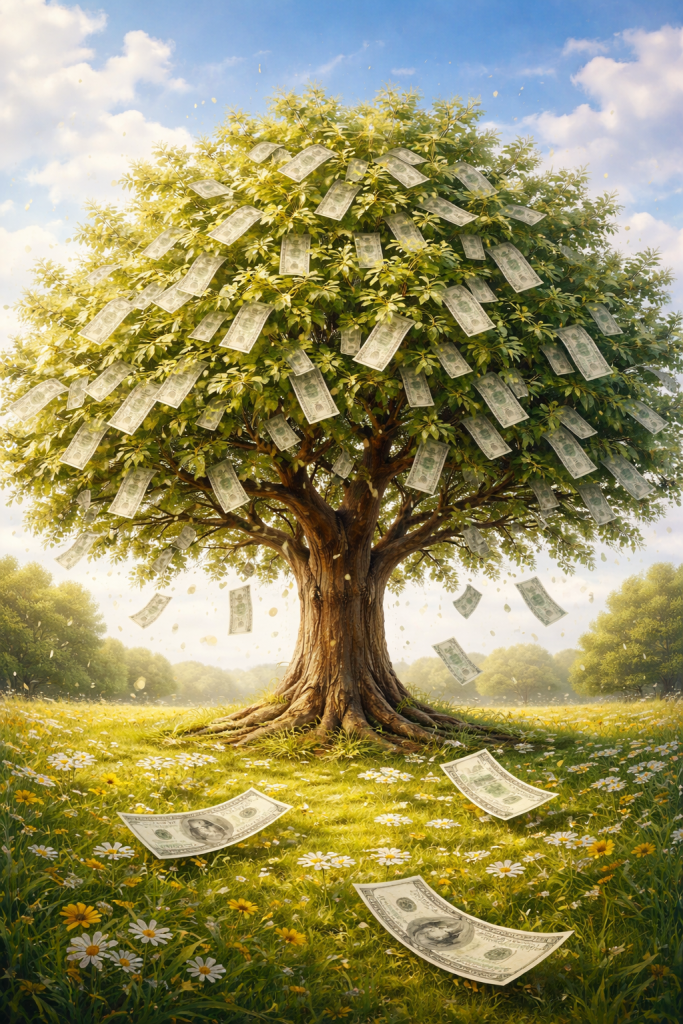
But Can Money Buy Complete Happiness?
Now, to be fair, the proverb contains a small grain of truth. Money alone cannot create a meaningful life. A wealthy person can still feel lonely, depressed, or emotionally empty.
Love, friendship, purpose, health, and inner peace matter enormously too.
A millionaire without genuine relationships may still feel miserable. Meanwhile, someone with modest means but strong family bonds may feel deeply fulfilled.
So perhaps the real issue is not that the proverb is entirely false—but that it is incomplete.
A more honest version might be:
“Money cannot guarantee happiness, but it can remove many causes of unhappiness.”
That statement feels balanced and realistic.

Happiness Needs Both Heart and Stability
Human happiness is complex. Emotional well-being and financial security are not enemies; they often work together. It is difficult to focus on personal growth, kindness, or creativity when basic survival feels uncertain.
Money is not the ultimate purpose of life, but it is a tool—one that can provide comfort, dignity, opportunity, and freedom.
The real danger of this proverb is that it oversimplifies reality. Young people may grow up believing money does not matter, only to later discover how deeply finances influence quality of life.
My Final Thoughts
Proverbs are meant to guide us, but not all proverbs deserve blind acceptance. Some contain timeless wisdom, while others need to be questioned in light of modern reality.
In my opinion, “Money can’t buy happiness” is one such proverb. Happiness may not come directly from wealth itself, but money undeniably shapes the conditions in which happiness can grow.
At the end of the day, a peaceful mind, a secure home, good health, and freedom from constant stress are all closely connected to financial stability.
And if money can help create those things, then perhaps this old proverb is far less wise than we have been taught to believe.
BE HAPPY… BE ACTIVE… BE FOCUSED… BE ALIVE
If this post inspired you, show some love! 💙
✅ Like | ✅ Follow | ✅ Share | ✅ Comment
www.retiredkalam.com
Categories: infotainment
 Retiredकलम
Verma ji, this is a brilliantly reasoned and heartfelt take. You’ve dismantled a tired old proverb not with cynicism, but with genuine compassion for those who struggle. I especially loved how you distinguished between luxury and basic security—and how you reminded us that poverty is not romantic. Your proposed revision—“Money cannot guarantee happiness, but it can remove many causes of unhappiness”—is far wiser than the original. Thank you for sharing such a balanced, human perspective. 👏
LikeLiked by 3 people
Thank you so much for this thoughtful and generous response. Your understanding of the deeper intention behind my words truly means a lot to me. I never wanted to dismiss the emotional or spiritual dimensions of happiness, but simply to acknowledge the very real struggles that arise when basic human needs remain unmet.
LikeLiked by 1 person
very nice .
LikeLiked by 2 people
Thank you so much.
LikeLiked by 1 person
My fifth sister agreed when I say: the most important thing is we are healthy, alive, and have money. 😄 Though, I’m not thinking very big amount. Honest piece, Verma.
LikeLiked by 1 person
Your sister sounds very wise 😄
Honestly, when you strip life down to its essentials—health, being alive, and having enough to live with dignity—that already covers so much. It doesn’t have to mean huge wealth or luxury. Just enough peace of mind to breathe without constant worry is a kind of richness on its own.
LikeLiked by 1 person
So true, Verma. When there is enough and a grateful heart, life is richer.
LikeLiked by 1 person
Exactly. A grateful heart changes the meaning of “enough.”
Sometimes richness isn’t found in having more, but in being able to sit peacefully with what already fills our lives—health, love, simple comforts, meaningful moments, and the people who stay genuine with us.
That kind of wealth feels quieter, but far more lasting. 🌿
LikeLiked by 1 person
This is such a thoughtful and well-argued reflection. 🤍
I really appreciate how you looked at the proverb beyond its surface meaning and connected it with real-life struggles, especially around basic needs, education, and mental peace. You didn’t just reject the saying—you broke it down carefully and showed where it falls short and where it still holds a small truth.
Your final balanced view is especially strong: money may not be happiness itself, but it shapes the conditions that make happiness possible.
Thank you so much for sharing this wonderful post.🙏❤️
LikeLiked by 1 person
Thank you so much for your kind and thoughtful words. 🤍🙏
Your reflection truly means a lot to me. I always feel that some popular sayings sound beautiful on the surface, but when we look closely at real life, they deserve deeper examination.
Happiness is emotional, yes—but peace, dignity, security, and opportunity are also deeply connected to our practical needs.
LikeLiked by 1 person
You’re the most welcome 🤗
LikeLiked by 1 person
Thank you so much,
Stay happy and keep sharing.
LikeLiked by 1 person
You’re the most welcome 🤗
LikeLiked by 1 person
Thank you so much.
I hope you enjoy the day.
LikeLiked by 1 person
Yes, I am enjoying my day with both memories and hopes for the future. Some memories bring sadness, while others remind me of the people I love and miss. At the same time, I keep looking forward with hope, praying for better days, peace, and happiness ahead. Thank you for your kindness and concern. ❤️
LikeLiked by 1 person
Thank you for sharing that so openly. ❤️
I think many of us live somewhere between memory and hope. The memories remind us of where we have been, the people we have loved, and the moments that shaped us. Some memories bring a smile, while others carry a quiet ache because they are tied to people and times we can never fully revisit.
LikeLiked by 1 person
You’re the most welcome 🤗
LikeLiked by 1 person
Thank you so much. 🤗
Your kindness and thoughtful comments always add an extra layer of joy to the writing experience.
It is wonderful to connect with readers who not only read the words but also feel the emotions behind them.
LikeLiked by 1 person
I suppose that back in the day many proverbs were the modern day version of what we now say is “click bait”
You have literally dismantled the old proverb exceedingly well.
My wife and I married as students 54 years ago, she was from Kathmandu and myself an Englishman. Both from relatively poor backgrounds which influenced us in many ways.
We began saving for retirement from day 1, I kid you not! And now we live financially AND emotionally happy and secure .
Your view on the proverb is the same as ours was all those years ago 🙏🕉️
LikeLiked by 1 person
What a beautiful and deeply meaningful reflection. 🙏
Your opening thought about proverbs being the old version of “click bait” genuinely made me smile — there is so much truth in that observation. Many sayings survive because they sound wise and comforting, even when real life is far more complex.
LikeLike
Beautifully expressed Verma ji. Too often we treat money and happiness as opposites, when in reality they are deeply connected in many practical ways. Your article reminds us that financial stability is not about greed it is about freedom, security, and the ability to live with less fear. Thank you for sharing such a nuanced and honest perspective.” ✨💖
LikeLiked by 1 person
Thank you so much for your thoughtful and heartfelt words. ✨💖
You expressed the core idea so beautifully — financial stability is often misunderstood as materialism, when in truth it is closely tied to peace of mind, dignity, and freedom from constant worry. There is a big difference between greed and the simple human need for security.
LikeLiked by 1 person
Verma ji, this was such a thoughtful and realistic perspective. I agree that money may not buy perfect happiness, but it definitely brings security, freedom, and peace of mind — and those things matter deeply in real life. The line about money removing causes of unhappiness felt especially true. Beautifully written and very honest.
LikeLiked by 1 person
Thank you so much for your thoughtful and encouraging words. 🙏
I truly appreciate how deeply you understood the heart of the article. That was exactly the point I hoped to express — money may not guarantee perfect happiness, but it can certainly provide stability, dignity, choices, and relief from many everyday anxieties.
LikeLiked by 1 person
“Verma ji, this is such a balanced and honest take. You’ve perfectly highlighted that while money isn’t everything, it provides the essential foundation of security and dignity that allows for true peace of mind. A very necessary perspective!”
LikeLiked by 1 person
What a thoughtful and beautifully expressed reflection. ✨
I truly appreciate how clearly you captured the essence of the article. The connection you made between financial security, dignity, and peace of mind is deeply important and often overlooked in simplified discussions about happiness.
LikeLike
“Thank you so much for your kind and thoughtful words, Verma ji.
LikeLiked by 1 person
You are most welcome, dear, and thank you as well for your kindness and encouragement. 🙏
Thoughtful conversations like these make writing feel truly meaningful. I’m grateful that the words resonated with you
LikeLike
I had a saying about this early on in my career, when I went from poverty to having a bit of money. “Money can’t buy happiness, but it can sure make a darn good down payment.” But money is not about what you have, its more about what you do with it. Many get money and then spend more than they earn, changing happiness back into misery. Still others treat shopping like a sport and buy stuff they do not need or never use. Coming from poverty as we did made us respect what money can facilitate and we instilled this into our children as well. Lastly money can indeed buy happiness, when you donate it to a worthwhile cause or charity and when you give a surprise gift to relatives or friends. It is truly more pleasurable to give than to receive and we have just come through that experience. Have a day rich with rewards. Allan
LikeLiked by 1 person
Thank you, Allan, for such a wise and beautifully grounded reflection. Your saying made me smile because it captures the truth with both humor and honesty: money may not guarantee happiness, but it certainly creates stability, opportunity, and breathing room for life to grow more peacefully.
I especially appreciate your point that money is less about what we possess and more about how we manage and use it. That distinction is so important. Financial comfort without wisdom can quickly turn into another form of stress, while thoughtful stewardship can create lasting security and freedom.
LikeLiked by 1 person
A warm and friendly blog introduction—inviting readers into a thought-provoking writing prompt centered on sharing meaningful proverbs and reflections. 🌿✨
LikeLiked by 1 person
There’s something truly special about beginning a conversation with wisdom that has already stood the test of time. Proverbs carry that quiet strength—simple words on the surface, yet layered with meaning that unfolds differently for every reader.
LikeLike
Thoughtful analysis as usual. I’m not ‘into’ money, but would miss the basics I enjoy.
LikeLiked by 1 person
That’s a pretty grounded way to look at it. There’s a real difference between being driven by money and simply recognizing that it quietly supports the parts of life we actually value.
LikeLiked by 1 person
Nice blog on money. Some times we say money can’t do anything but it can do our requirements. It increases our mental strength and security.
LikeLiked by 1 person
That’s a thoughtful way to put it, and it keeps the idea nicely balanced.
Money often gets talked about in extremes—either as something meaningless or something that solves everything—but in real life, it sits somewhere in between. It doesn’t replace peace of mind, but it can definitely reduce certain stresses and make space for stability, planning, and even confidence.
LikeLike
A wonderful and realistic perspective, I completely agree. What you’ve highlighted is actually scientifically proven.
Research in psychology and economics shows that while money might not buy pure joy, it directly increases happiness by removing the chronic stress, anxiety, and misery of poverty. In difficult situations, money buys security, dignity, and freedom.
As you beautifully put it: ‘Money removes many causes of unhappiness.’ Thank you for this honest and deeply accurate piece
LikeLiked by 1 person
A thoughtful and refreshingly honest reflection. I appreciate how you move beyond clichés and acknowledge a reality that many people experience but rarely express so clearly. Your insight that money may not guarantee happiness, yet can remove many sources of stress and hardship, is both practical and profound.
LikeLiked by 1 person
I couldn’t agree more ,thanks for your insightful words.
LikeLiked by 1 person
Thank you for your kind words and thoughtful feedback. 🌹
I’m glad the reflection resonated with you. While money alone may not guarantee lasting happiness, it certainly provides security, opportunities, and peace of mind, which can make a significant difference in our quality of life.
LikeLiked by 1 person