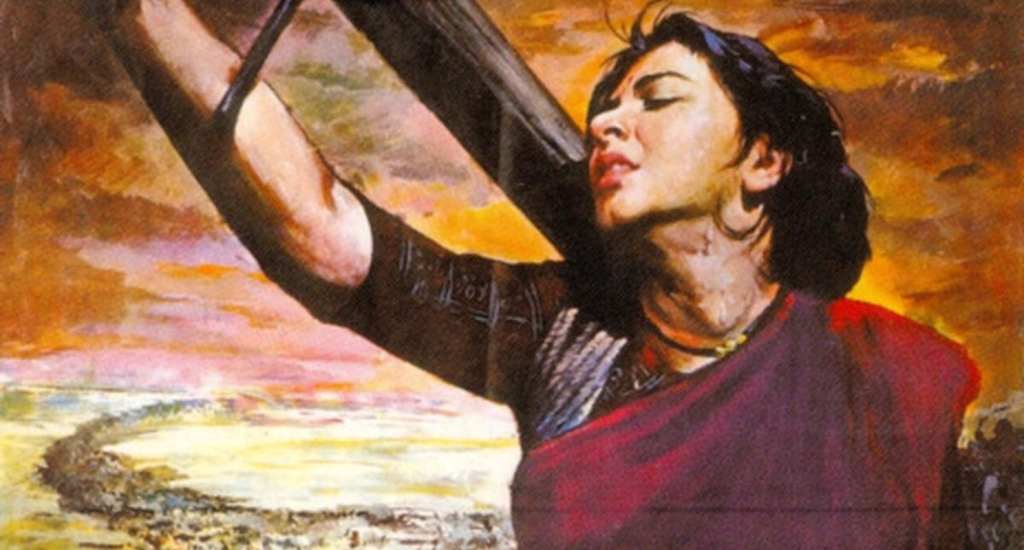
A Movie I Expected to Hate but Ended Up Loving: Mother India
Hello dear friends,
I hope this Blog finds you in a cheerful mood.
Yes, there are certain movies we approach with hesitation. Sometimes it’s because they are too old, too long, or too famous to live up to their reputation.
That was exactly my feeling about the classic Hindi film Mother India (1957).
Before watching it, I assumed it would be slow, overly dramatic, and difficult for a modern audience to connect with.
After all, black-and-white films from the 1950s are often unfairly labeled as “outdated” by today’s viewers.
But to my surprise, Mother India turned out to be one of the most emotionally powerful and unforgettable films I have ever experienced.
Instead of feeling old-fashioned, it felt timeless. What I expected to dislike eventually became a film I deeply admired.
Why I Initially Thought I Would Dislike It
One major reason was the film’s age. Modern cinema has trained audiences to expect fast pacing, visual effects, and quick entertainment. In comparison, a nearly three-hour-long rural drama from 1957 sounded intimidating.
Another reason was its reputation as a “serious classic.” Sometimes, films praised by critics and historians feel more educational than entertaining.
I feared Mother India would be one of those movies respected for historical importance but difficult to emotionally enjoy.
The traditional setting, emotional dialogues, and melodramatic storytelling style also made me skeptical. I expected exaggerated acting and predictable scenes that would not connect with today’s generation.
However, within the first hour, the film completely changed my opinion.
The Story That Changed Everything
Directed by Mehboob Khan, Mother India tells the story of Radha, a poor village woman struggling to raise her children while facing poverty, debt, natural disasters, and social injustice.
The film stars Nargis in what is considered one of the greatest performances in Indian cinema history.
Her portrayal of Radha is filled with emotional depth, dignity, and strength. Rather than appearing dramatic for the sake of drama, her struggles feel painfully real.
As the story progresses, Radha becomes a symbol of sacrifice, resilience, and moral courage. Even during unbearable suffering, she refuses to abandon her values. That emotional honesty is what makes the film so powerful.
What surprised me most was how deeply invested I became in the characters. I did not just watch the story—I felt it.
Facts and Figures That Make the Film Legendary
Mother India is not just a successful movie; it is a landmark in Indian cinema history.
Academy Award Recognition
The film was nominated for the Academy Award for Best Foreign Language Film in 1958. It became the first Indian film ever to receive an Oscar nomination in this category. Remarkably, it reportedly lost by just one vote.
This achievement introduced Indian cinema to global audiences at a time when international recognition for Bollywood was extremely rare.
Box Office Success
The movie was also a massive commercial success in India. It became one of the highest-grossing Indian films of its time and ran in theatres for more than a year in some regions.
Considering the limited number of cinema halls and technology available during the 1950s, this was an extraordinary accomplishment.
Even decades later, Mother India continues to appear on lists of the greatest Indian films ever made.
A Powerful Female Lead Ahead of Its Time
One of the most surprising aspects of the film is how progressive it feels. In an era when female characters were often limited to supporting roles, Radha stands at the center of the narrative.
She is not portrayed as weak or dependent. Instead, she becomes the emotional and moral backbone of her family and community. Her character represents strength through endurance rather than physical power.
For a film released in 1957, this was revolutionary.
Even today, many modern films struggle to create female characters with the same emotional complexity and dignity.
Themes That Still Feel Relevant Today
Another reason I ended up loving Mother India is because its themes remain relatable even in modern times.
Poverty and Survival
The film realistically portrays the struggles of poor farmers trapped under debt and exploitation. These issues still exist in many parts of society today.
Morality vs. Emotion
One of the film’s strongest themes is the conflict between personal love and moral responsibility. Radha faces heartbreaking decisions that challenge her as both a mother and an individual.
Strength Through Sacrifice
The film shows that true strength often comes from patience, resilience, and integrity rather than dominance or aggression.
These universal themes make the story timeless.
Cinematic Excellence Beyond Its Time
Despite being made nearly seventy years ago, the cinematography and storytelling remain impressive. The rural landscapes, flood scenes, and emotional close-ups are visually striking even today.
The music also plays a major role in shaping the emotional atmosphere of the film. Songs are not simply inserted for entertainment; they become part of the storytelling itself.
The emotional intensity, combined with strong performances and meaningful symbolism, creates an experience that stays with viewers long after the film ends.
My Final Submission
Mother India is the perfect example of a movie I expected to hate but ended up loving. What initially seemed like an outdated black-and-white drama turned out to be a deeply emotional, socially relevant, and artistically brilliant masterpiece.
The film taught me an important lesson: we should never judge cinema purely by its age or style. Sometimes, the stories that appear the oldest carry the most timeless truths.
Today, Mother India is not just a film I respect—it is a film I genuinely admire. Its emotional depth, unforgettable performances, and cultural importance prove that true cinematic greatness never fades with time.

BE HAPPY… BE ACTIVE… BE FOCUSED… BE ALIVE
If this post inspired you, show some love! 💙
✅ Like | ✅ Follow | ✅ Share | ✅ Comment
www.retiredkalam.com
Categories: infotainment
 Retiredकलम
Your words gave Mother India the same dignity and emotion that the film itself carries. Beautifully written, Verma ji. You didn’t just review a classic you explained why timeless cinema still matters today. ❤️✨
LikeLiked by 2 people
Thank you so much for your beautiful and heartfelt words. They truly mean a lot to me.
Mother India is not just a film; it is an emotion, a reflection of sacrifice, dignity, motherhood, and the spirit of our nation. While writing about it, my only intention was to honor the timeless soul of the cinema and the values it continues to inspire even today.
LikeLiked by 2 people
Verma ji, your reflection on Mother India is as timeless as the film itself. The way you’ve captured the journey from hesitation to deep admiration—acknowledging the fears of “too old, too long, too famous” only to discover emotional truth—is both honest and inspiring. Your observation that true cinematic greatness never fades with age is a reminder every modern viewer needs. Thank you for this thoughtful piece. It makes me want to watch Radha’s story with fresh eyes.
LikeLiked by 2 people
Thank you so much for this deeply thoughtful and generous response 🙏
You understood exactly what I was trying to express — that sometimes we approach classics with hesitation, only to discover that their emotional honesty still speaks powerfully across generations. Mother India is not remembered merely because it is old or famous, but because its humanity, sacrifice, strength, and moral conflicts remain timeless.
LikeLiked by 1 person
very nice .
LikeLiked by 2 people
Thank you so much.
LikeLiked by 1 person
There’s something so special about a classic film. I recently watched Gone With The Wind from 1939 and I cry and laugh every time! It sounds like Mother India is one of those classics that never go out of style. I know there are many more older films to check out but like you said we can often judge them wrongly. As always great post! Have a wonderful evening!
LikeLiked by 2 people
You said it beautifully — there really is something magical about classic films. The fact that Gone With the Wind can still make you laugh and cry after all these years proves how timeless powerful storytelling can be. Great cinema may belong to another era, but genuine emotion never becomes outdated.
LikeLiked by 2 people
I’ve heard about this movie but never seen it. I enjoy watching Vintage movies.
I love being surprised by a movie or a book. The true definition of a classic is that which with stands the test of time.
LikeLiked by 2 people
I completely agree with you. One of the greatest pleasures in watching vintage films or reading older books is discovering that they still have the power to surprise, move, and resonate decades later. That’s when you realize a work has become more than entertainment — it has become timeless.
LikeLiked by 1 person
A warm and engaging blog introduction—sharing a surprising personal reaction to the classic film Mother India, and setting up a thoughtful reflection on unexpected appreciation. 🎬✨
LikeLiked by 4 people
✨ I went into Mother India expecting a dated classic, but what I experienced was something far more powerful. Somewhere between its quiet moments and emotional intensity, I found myself unexpectedly moved—questioning not just the story, but my own assumptions about old cinema.
It’s interesting how some films don’t demand attention—they simply earn it over time. And this one did exactly that.
LikeLike