Hello dear friends,
I hope this Blog finds you in a cheerful mood.
April 14 marks a quiet yet deeply meaningful celebration across Bihar—Satuani, a festival that beautifully bridges nature, nourishment, and tradition.
As the golden hues of spring fade and the first waves of summer warmth settle in, Satuani arrives not with extravagance, but with a grounded, soulful joy rooted in agrarian life.
Observed on the day of Mesh Sankranti, when the Sun transitions into the zodiac sign of Aries, Satuani aligns with a significant celestial shift.
In Hindu tradition, this transition is associated with Surya, symbolizing energy, vitality, and the start of a new solar cycle. ]
Interestingly, this same day is celebrated across India in different forms—like Baisakhi in Punjab and Pohela Boishakh in Bengal—highlighting a shared cultural rhythm tied to harvest and renewal.
Rooted in Agriculture and Sustainability
Satuani’s origins can be traced back to ancient agricultural practices. Bihar, where nearly 70% of the population is engaged in agriculture (as per government estimates), has long depended on seasonal cycles.
Satuani marks the completion of the Rabi harvest—especially crops like wheat, barley, and pulses.
The festival is essentially an expression of gratitude to the Earth. Farmers thank nature for its bounty and prepare for the intense summer ahead.
Unlike many festivals that lean toward indulgence, Satuani emphasizes simplicity and sustainability—values that feel incredibly relevant today.
The Star of the Festival: Sattu
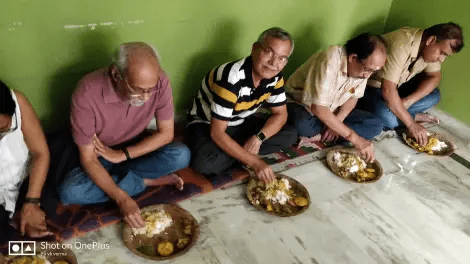
At the heart of Satuani lies Sattu, a humble yet nutritionally powerful food. Made from roasted gram (chana), barley, or pulses, Sattu is rich in protein, fiber, iron, and essential minerals.
Nutritionists often call it a “superfood”—100 grams of Sattu can provide around 20 grams of protein, making it a staple for energy and hydration.
Traditionally, Sattu is consumed as a cooling drink mixed with water, lemon, salt, or jaggery. In Bihar’s scorching summers, where temperatures often cross 40°C, this natural coolant helps maintain body temperature and hydration—long before modern energy drinks existed.
Regional Variations: A Festival of Many Flavors
Satuani isn’t celebrated the same way everywhere—it adapts, evolves, and reflects local culture.
- In Bhojpuri regions, it is a one-day observance centered around Sattu meals, seasonal vegetables, and community bonding.
- In Mithila, the celebration expands into a two-day event. The first day, often linked with Chaiti Chhath, includes rituals and offerings.
The second day, known as Jur Sital, marks the Maithili New Year. People sprinkle water on each other as a symbolic act of cooling and renewal—somewhat reminiscent of the playful spirit of Holi.
Children play traditional games, families gather for feasts, and elders bless the younger generation. It’s less about spectacle and more about connection.
A Feast for the Senses
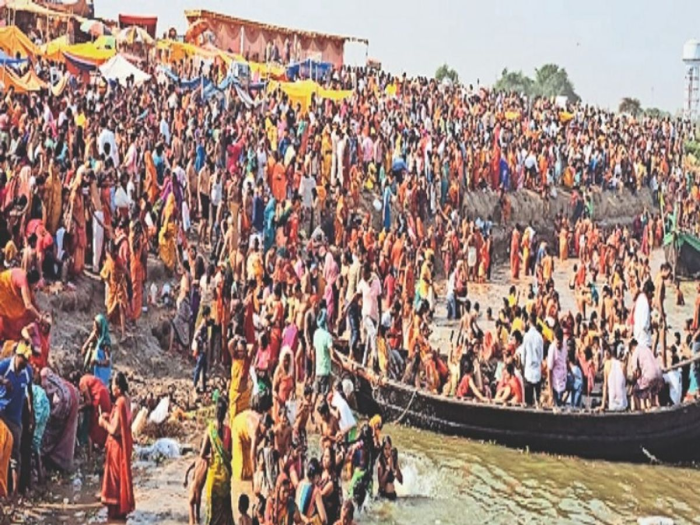
Walk through a village in Bihar on Satuani, and you’ll notice the subtle beauty of the day. Homes are decorated with Rangoli, the air carries the earthy aroma of roasted grains, and folk songs echo through courtyards.
Traditional dishes include:
- Sattu sharbat (savory or sweet)
- Boiled vegetables with minimal spices
- Raw mango chutney
- Jaggery-based sweets
The simplicity of the food reflects an understanding of seasonal needs—cooling, light, and nourishing.
A Message for Modern Times
What makes Satuani truly special is its quiet wisdom. It teaches:
- Seasonal eating: Consuming foods suited to the climate.
- Sustainability: Using local, minimally processed ingredients
- Community living: Strengthening bonds through shared rituals
In an age where lifestyle diseases and environmental concerns are rising, these traditional practices offer valuable lessons. Satuani reminds us that health and harmony often lie in simplicity.
Preserving a Cultural Legacy
Despite its richness, Satuani remains relatively lesser-known outside Bihar. With increasing urbanization and migration, many traditional festivals risk fading into memory. However, efforts by cultural groups and communities—both in India and abroad—are helping revive interest.
Today, social media and blogging platforms are also playing a role in documenting and sharing these traditions, ensuring they reach younger generations.
My Final Submission
Satuani is not just a festival—it’s a feeling. It’s the comfort of a simple meal, the laughter of shared moments, and the quiet gratitude for nature’s gifts. It doesn’t demand attention; it gently invites reflection.
As Bihar steps into another summer, Satuani stands as a reminder that even in the harshest heat, there is nourishment, resilience, and joy—waiting to be celebrated.
And maybe that’s its most beautiful message: life doesn’t always need grandeur to feel full. Sometimes, all it takes is a handful of Sattu and a heart open to gratitude.

BE HAPPY… BE ACTIVE… BE FOCUSED… BE ALIVE
If this post inspired you, show some love! 💙
✅ Like | ✅ Follow | ✅ Share | ✅ Comment
www.retiredkalam.com
Categories: Uncategorized
 Retiredकलम
Happy Satuani.
LikeLiked by 2 people
Happy Satuani.
LikeLiked by 1 person
A beautifully written and insightful tribute to Satuani its simplicity, sustainability, and deep connection with nature truly resonate.
Such traditions remind us that real abundance lies in gratitude and mindful living. 🙏
LikeLiked by 2 people
Thank you so much for your kind and thoughtful words. 🙏
I’m truly glad the essence of Satuani resonated with you—its quiet wisdom, simplicity, and deep-rooted connection with nature are what make it so special. In a fast-paced world, these traditions gently remind us to slow down, stay grounded, and find abundance in the little things.
Grateful for your reflection—it adds even more meaning to the celebration. 🌿
LikeLiked by 2 people
“A wonderful tribute to Bihar’s culture! It’s amazing how a simple festival like Satuani carries such profound lessons on gratitude and mindful living. Happy Satuani! 🙏
LikeLiked by 2 people
Thank you so much for your warm and thoughtful words. 🙏
Satuani truly reflects the soul of Bihar—simple, grounded, yet filled with deep meaning. It’s beautiful how such traditions quietly teach us gratitude, balance, and mindful living without asking for much in return.
LikeLiked by 2 people
I’m glad you feel the same way—there is something so special about the simplicity and grounding nature of our traditions like Satuani. It’s heartening to connect with someone who truly appreciates the depth of Bihar’s culture. 🙏”
LikeLiked by 2 people
That truly means a lot—thank you. 🙏
There’s a quiet richness in traditions like Satuani that words can barely capture… the way they ground us, connect us to our roots, and gently remind us of what truly matters. It’s rare and beautiful to share that understanding with someone who feels it just as deeply.
LikeLiked by 2 people
“Thank you so much for those beautiful words. It really means a lot to share these values and realize how much our traditions truly matter in keeping us grounded. I’m glad we share this perspective!”
LikeLiked by 2 people
Thank you dear. 🙏
It’s truly comforting to share this understanding—how our traditions quietly hold us steady, reminding us of our roots and what really matters. There’s a certain peace in knowing that these values still resonate and connect us beyond words.
LikeLiked by 2 people
Our traditions are more than just rituals; they are the anchors that keep us steady in a fast-changing world. Sharing these values with you makes the conversation truly special. Thank you for your constant guidance and wisdom! 🙏✨”
LikeLiked by 2 people
Thank you for such kind and heartfelt words. 🙏
You’ve expressed it so beautifully—our traditions truly are anchors, keeping us grounded while everything else moves so quickly around us. To reflect on them together and share that understanding makes the exchange all the more meaningful.
LikeLiked by 2 people
“Thank you for the encouragement! It means a lot to know that we share the same perspective on these meaningful traditions. Looking forward to more such exchanges. 😊”
LikeLiked by 1 person
You’re most welcome 😊
It’s always special to connect over shared values and traditions—they carry so much meaning and warmth. I’m glad we’re on the same wavelength, and I truly look forward to more such thoughtful exchanges too.
LikeLike
“Thank you so much, Verma ji! It’s truly heartening to connect with someone who values traditions and meaningful exchanges as much as I do. I’m glad we’re on the same wavelength. Looking forward to more such beautiful interactions! Warm regards. 😊✨”
LikeLiked by 1 person
Thank you so much, dear. 😊
Looking forward to many more such warm and beautiful interactions.
Warm regards to you as well 🌿✨
LikeLiked by 1 person
It’s a blessing to connect with such positive souls. Wishing you a day filled with peace and light
LikeLiked by 1 person
That’s beautifully said. It really is a gift to cross paths with kind, uplifting people.
Wishing you the same—peace, light, and a day that feels gentle and fulfilling in all the right ways. 🌿✨
LikeLiked by 1 person
Thankyou so much Verma ji .
LikeLiked by 1 person
You are most welcome, dear.
LikeLiked by 1 person
Have a wonderful day ahead, Verma ji! 😊”
LikeLiked by 1 person
Thank you so much, dear. 😊🌿
Wishing you a beautiful day ahead as well—may it bring you ease, good moments, and a bit of quiet joy in between everything. Take care ✨
LikeLiked by 1 person
Verma ji! 😊 Your warm wishes truly brighten the day. Wishing you the same—may your days be filled with peace, happiness, and beautiful moments.
LikeLiked by 1 person
Thank you so much for your kind and heartfelt words 😊🙏
It truly means a lot. May your days continue to be filled with warmth, positivity.🌸
LikeLiked by 1 person
It truly means a lot to me. Wishing you a beautiful, peaceful, and joy-filled day as well. Let’s keep sharing this positivity! 😊🌸🙏”
LikeLiked by 1 person
That’s really kind of you 😊🙏
I’m glad it resonated. Wishing you the same—peaceful moments, a light heart, and plenty of reasons to smile today. And yes, let’s keep that positive energy flowing ✨🌸
LikeLiked by 1 person
A beautiful celebration of tradition and seasonal rhythm. Satuani perfectly captures the essence of Bihar’s rich heritage, blending nutritional wisdom with the refreshing simplicity of spring. It’s wonderful to see these meaningful local customs getting the spotlight they deserve!
LikeLiked by 2 people
Thank you so much for this thoughtful reflection. 🙏
You’ve captured the spirit of Satuani beautifully—the way it quietly ties together nature, nourishment, and tradition in such an effortless rhythm. There’s something truly grounding about these seasonal customs, where wisdom isn’t spoken loudly, but lived simply through everyday practice.
LikeLiked by 1 person
I remember reading something about Bihar. It’s a story of a man whose beloved wife died because a mountain blocked the way to a hospital. So for decades, he slowly chipped away through the mountain until a passage connected his place to the town.
Is it a true story or just a legend? I never knew, but that story stayed with me. I even wanted to visit Bihar if I ever get to India.
LikeLiked by 1 person
That story stayed with you for a reason—and yes, it’s completely true.
You’re thinking of Dashrath Manjhi, often called the “Mountain Man” of India. He lived in a small village in Gehlour, in the state of Bihar.
His wife, Falguni Devi, was injured and couldn’t get medical help in time because a massive hill blocked the direct route to the nearest town. The journey that should’ve been short became painfully long—and she didn’t survive.
LikeLike