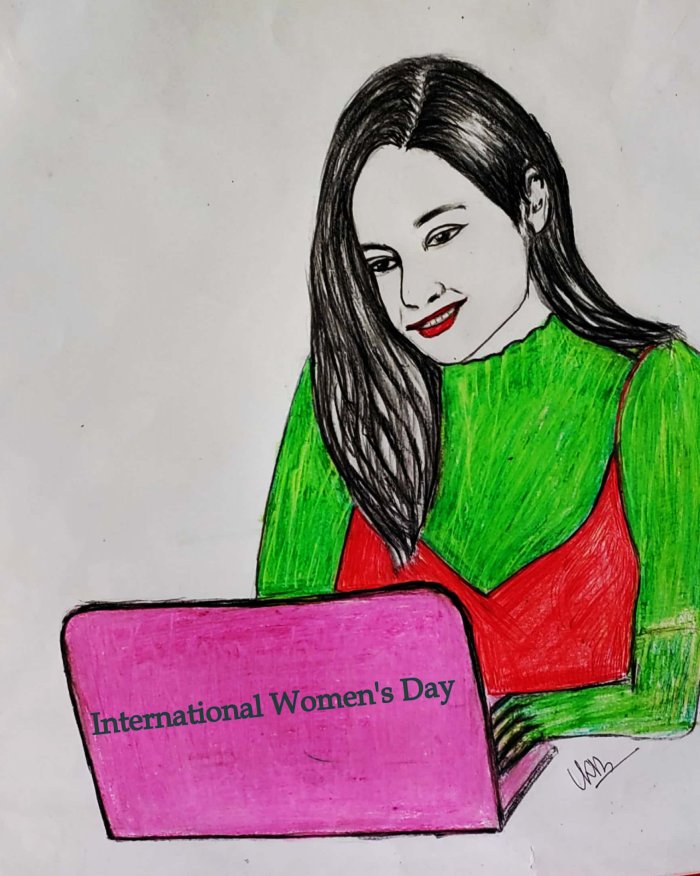
Celebrating Progress, Challenging Inequality
Every year on International Women’s Day, celebrated on March 8, the world pauses to recognize the remarkable contributions of women and to reflect on the ongoing journey toward gender equality.
It is not merely a symbolic celebration; it is a reminder of the struggles, resilience, and achievements of women across generations.
From social reformers and scientists to educators, artists, and leaders, women have shaped societies in countless ways.
Yet, despite significant progress, the global community still faces persistent inequalities that demand attention and action.
A Historical Movement for Rights
The roots of International Women’s Day stretch back more than a century. In 1908, around 15,000 women marched through New York City demanding better pay, reduced working hours, and voting rights.
Their voices represented millions of women who were excluded from political participation and fair working conditions.
Inspired by these movements, the idea of a global day for women was proposed in 1910 at the International Socialist Women’s Conference in Copenhagen by Clara Zetkin, a German activist and advocate for women’s rights.
Her proposal was unanimously accepted by delegates from several countries. The following year, the first International Women’s Day was observed, marking the beginning of a global tradition that continues today.
Since 1975, the celebration has been officially recognized by the United Nations, which uses the occasion to highlight critical issues affecting women and to encourage global dialogue on gender equality.

Progress Worth Celebrating
Over the past century, women have made extraordinary strides in education, employment, politics, and social leadership.
For instance, according to UNESCO, global literacy rates among women have risen dramatically, with nearly 90% of young women worldwide now able to read and write, compared to significantly lower levels a few decades ago. More girls are attending school today than at any other time in history.
In politics, progress is visible though still limited. Data from the Inter‑Parliamentary Union indicates that women currently hold about 26% of parliamentary seats worldwide.
While this is a significant improvement compared to the 11% representation in 1995, it also highlights that true political parity remains far from reality.
In the workforce, women are increasingly becoming entrepreneurs, executives, and innovators. In India alone, millions of women are leading small businesses, contributing significantly to economic development and community welfare.

Persistent Challenges
Despite these advances, gender inequality remains a pressing issue in many parts of the world.
One of the most alarming statistics relates to gender-based violence. According to global estimates from the United Nations, one in three women worldwide experiences physical or sexual violence during her lifetime.
This staggering figure reflects the urgent need for stronger laws, awareness, and social transformation.
Another major concern is the gender pay gap. Research from the International Labour Organization suggests that women globally earn about 20% less than men on average.
This inequality affects economic independence, career growth, and financial security for millions of women.
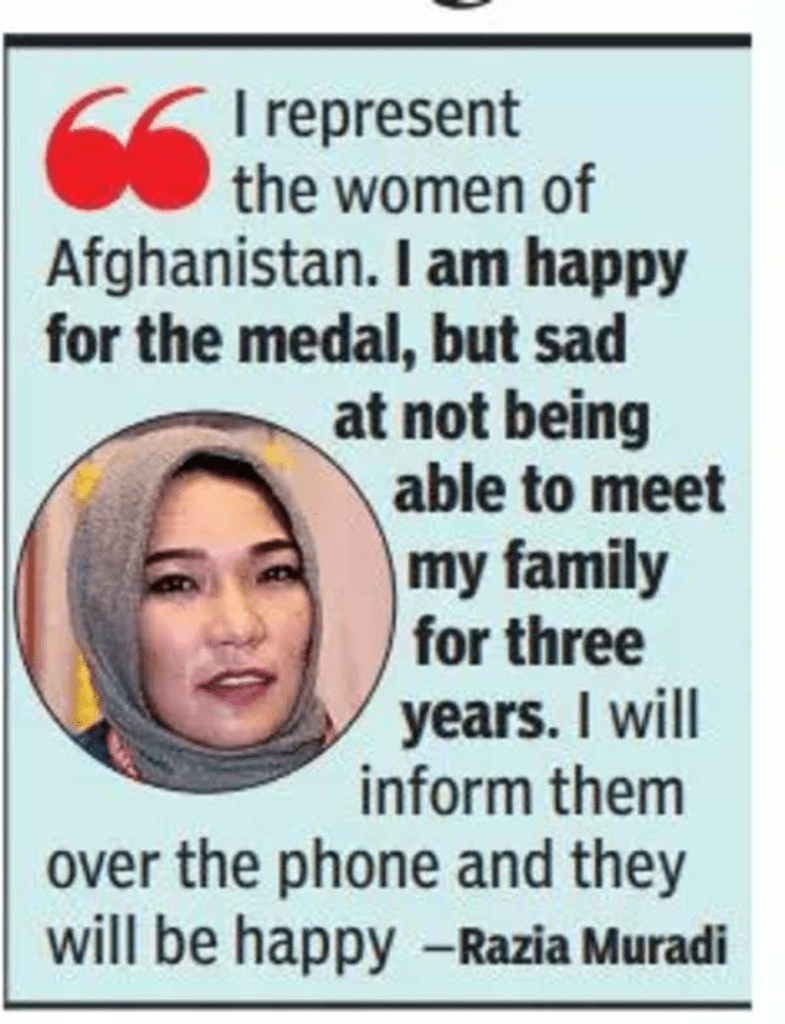
Education, although improving, still faces barriers in certain regions. In countries affected by conflict or restrictive policies, many girls are denied the basic right to attend school.
Afghanistan, for example, has witnessed severe restrictions on female education in recent years, highlighting the fragile nature of progress when rights are not protected.
Education: The Most Powerful Equalizer
Education remains one of the most effective tools for empowering women. When girls receive quality education, the benefits extend far beyond individual success.
Studies show that educated women are more likely to participate in the workforce, earn higher incomes, and contribute to healthier families and communities.
Educated mothers are also more likely to ensure that their children attend school, creating a positive cycle that strengthens future generations.
Furthermore, education helps break down gender stereotypes and encourages young girls to pursue careers in science, technology, leadership, and innovation—fields where women have historically been underrepresented.
Women in Leadership
Another critical aspect of gender equality is representation in leadership roles. When women participate in decision-making processes, policies tend to become more inclusive and responsive to societal needs.
Countries with higher representation of women in leadership often demonstrate stronger social policies related to healthcare, education, and community development.
Encouraging women’s participation in politics, business, and governance is therefore not only a matter of fairness but also a pathway toward sustainable progress.
The Spirit of International Women’s Day
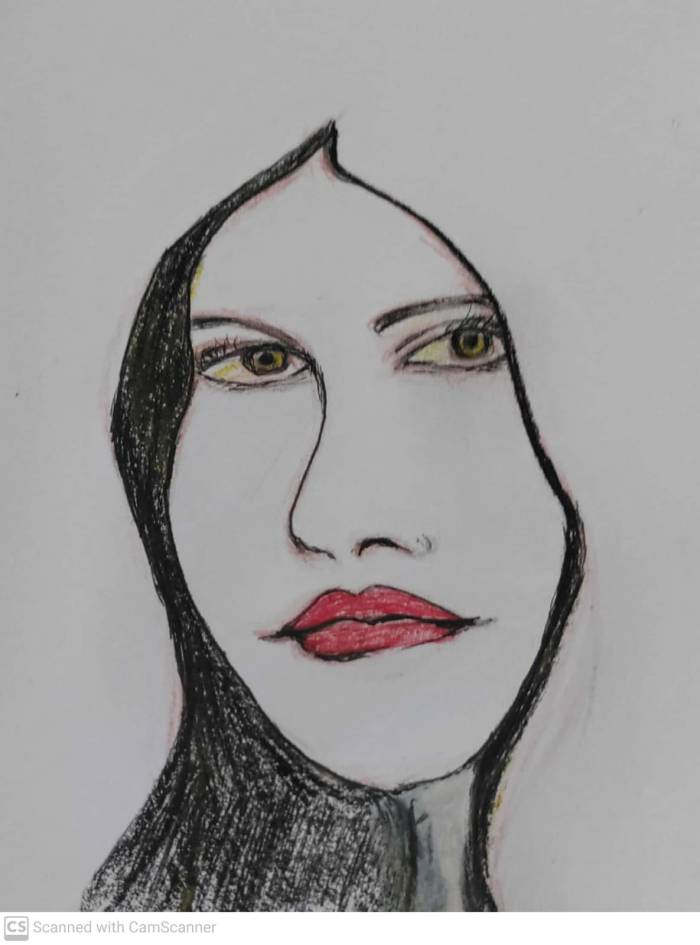
International Women’s Day is more than a celebration; it is a global call to action. Each year highlights themes that encourage people to challenge discrimination, promote equality, and recognize the achievements of women in all spheres of life.
It invites individuals, communities, and institutions to reflect on how they can contribute to building a fairer society.
Whether by supporting girls’ education, advocating for equal opportunities in the workplace, or challenging harmful stereotypes, every effort contributes to meaningful change.
Looking Ahead
The journey toward gender equality is ongoing, but history shows that change is possible when societies unite around shared values of justice and dignity.
The courage of past generations of women has opened doors that once seemed permanently closed.
Today, as we celebrate International Women’s Day, we honor not only the achievements of women but also their resilience, determination, and vision for a better world.
Let this day remind us that equality is not a distant dream—it is a goal within reach if we continue to challenge injustice, support opportunity, and believe in the power of women to transform the world.
Together, we can build a future where every
BE HAPPY… BE ACTIVE… BE FOCUSED… BE ALIVE
If this post inspired you, show some love! 💙
✅ Like | ✅ Follow | ✅ Share | ✅ Comment
www.retiredkalam.com
Categories: infotainment
 Retiredकलम
Happy women’s day.
LikeLiked by 1 person
Happy Women’s Day.
LikeLike
Happy International Women’s Day
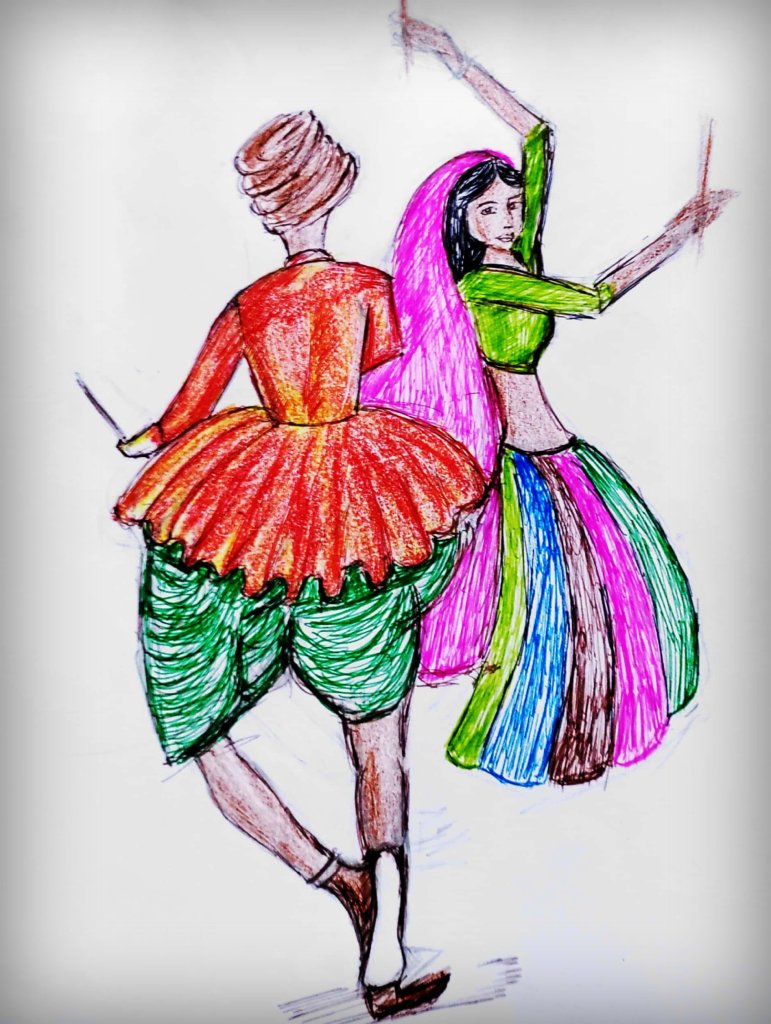
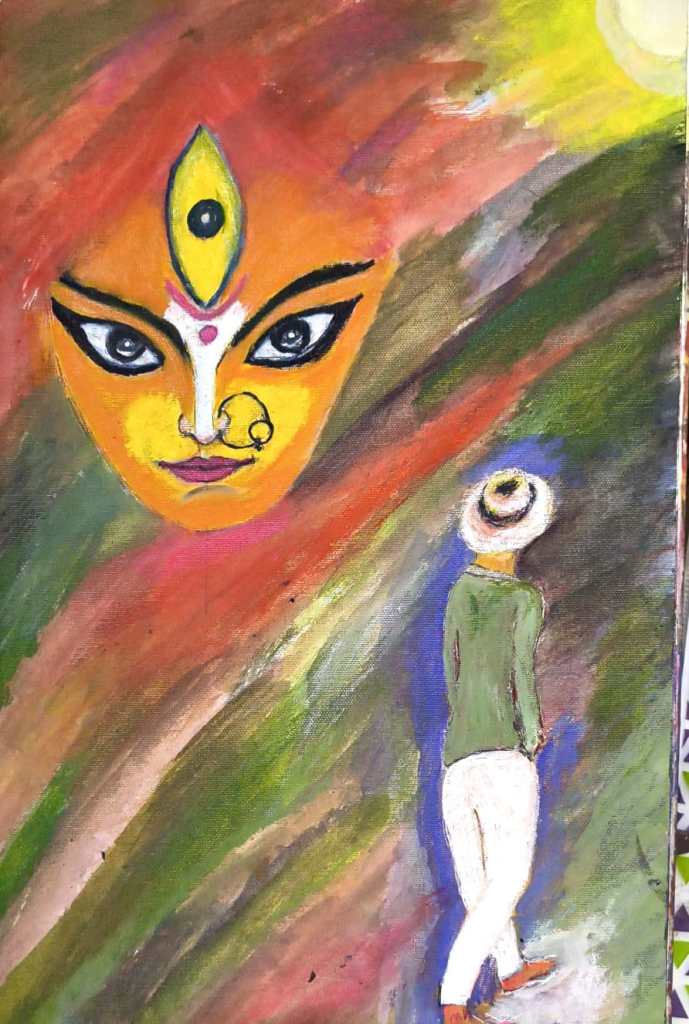
The drawings are beautiful!
LikeLike
Happy International Women’s Day to you as well!
Thank you so much for your kind words. I’m really glad you liked the drawings.
Your appreciation truly means a lot and encourages me to keep creating. Wishing you a wonderful day celebrating the strength, creativity, and achievements of women everywhere! 🌸
LikeLiked by 1 person
You are so very welcome my dear Verma!
It was my pleasure as always!
LikeLiked by 1 person
Thank you so much for your kindness. Your thoughtful support always means a great deal to me. I truly appreciate your encouragement and the warmth you bring to our conversations. Grateful as always!
LikeLike
How did you learn to draw? Or, is it natural born talent? I wish to know so I can learn more drawing techniques!
LikeLike
Thank you for your interest! I wouldn’t say it’s purely natural talent. Like most things, drawing is a mix of curiosity, practice, and patience. I started by simply sketching things around me and slowly tried to observe shapes, light, and details more carefully. Over time, I learned a lot by experimenting, watching tutorials, and studying the work of other artists.
LikeLiked by 1 person
Excellent!
LikeLiked by 1 person
Thank you so much for your kind words.
Stay connected and keep sharing.
LikeLiked by 1 person