


Hello dear friends,
I hope this blog finds you in a cheerful mood. Today, let us delve into a question that has fascinated philosophers, thinkers, and change-makers for centuries: What truly makes a good leader?
Leadership, in my view, is not defined by titles, authority, or positions of power. Instead, it is a blend of values, behaviors, and attitudes that enable an individual to inspire, guide, and positively influence others.
Leadership is less about commanding and more about serving; less about control and more about connection. At its core, leadership is a lifelong journey of self-awareness, continuous learning, and purposeful action.
While formal roles may grant authority, true leadership is rooted in character, competence, and a sincere desire to uplift others.
A good leader does not chase recognition but strives to create meaningful impact. With this understanding, let us explore the qualities that truly answer the question: What makes a good leader?
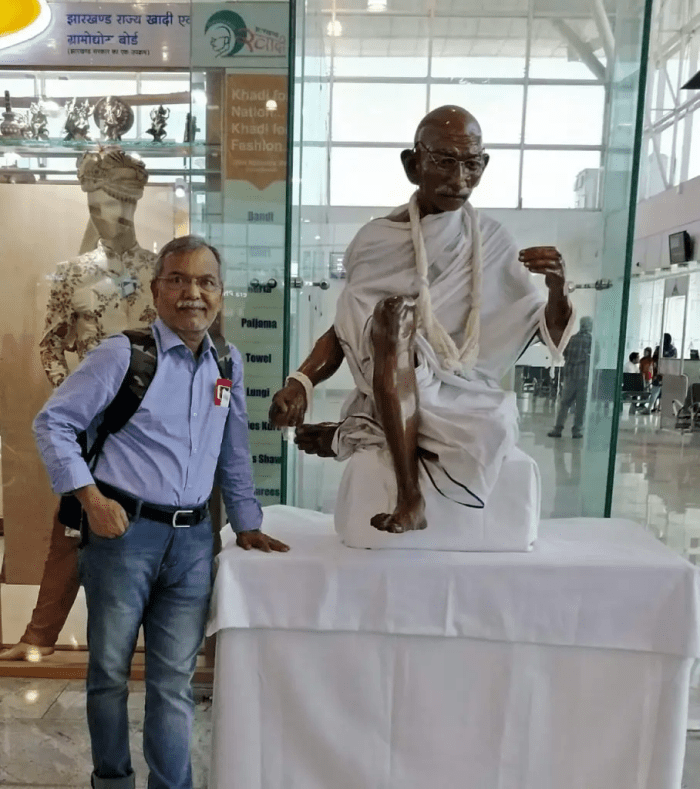
Visionary and Purpose-Driven
Great leaders possess a clear and compelling vision. They are able to look beyond the present and imagine a better future.
This vision provides direction and purpose, not only for the leader but also for those they guide. Importantly, their purpose transcends personal success; it is centered on collective growth and long-term impact.
By articulating their vision with clarity and conviction, leaders inspire others to believe in possibilities and work toward shared goals.
Empathetic and Humane
Leadership is ultimately about people. Empathetic leaders understand that every individual brings unique emotions, experiences, and perspectives.
By listening with compassion and respect, they build trust and strengthen relationships. Such leaders create inclusive environments where people feel valued, heard, and safe to express themselves.
Empathy transforms leadership from authority into influence, nurturing loyalty and collaboration.
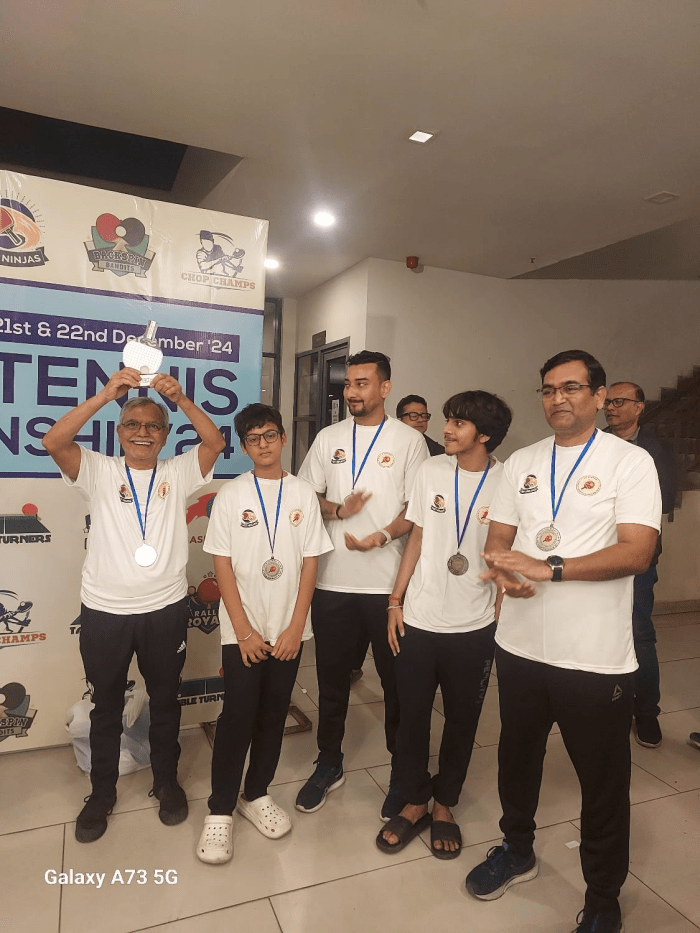
Adaptable and Resilient
The path of leadership is rarely smooth. Challenges, failures, and uncertainty are inevitable.
What distinguishes good leaders is their resilience and adaptability. Rather than being discouraged by setbacks, they view obstacles as opportunities for learning and growth.
Their ability to remain composed under pressure and adapt to change provides stability and confidence to those they lead.
Communicative and Transparent
Effective communication is the backbone of leadership. Leaders who communicate openly and honestly foster trust and clarity.
They listen actively, encourage dialogue, and welcome diverse perspectives. Transparency ensures alignment and understanding, allowing teams to work with confidence and shared purpose.
Ethical and Self-Aware
Leadership is a responsibility, not an identity claimed lightly. It demands integrity, humility, and accountability.
Good leaders align their actions with their values and accept responsibility for outcomes. Self-awareness plays a crucial role, as leadership begins with self-leadership.
Before guiding others, leaders must manage their own emotions, choices, and behaviors with discipline and reflection.
Influential and Empowering
Leadership is measured not by authority but by influence. A teacher motivating students, a parent shaping values, or a colleague offering support during difficult times all exemplify leadership in action.
Empowering leaders encourages growth, recognizes potential, and inspires confidence. They create environments where people feel motivated to contribute and excel.

Courageous and Accountable
Courage is a defining trait of leadership. True leaders face difficult decisions, stand by their principles, and embrace accountability.
They are willing to take risks, learn from mistakes, and treat failure as a stepping stone toward improvement. Leadership, therefore, is an evolving journey rather than a fixed destination.
Reflecting on my personal journey, particularly during my tenure as a Bank Branch Manager, I have experienced leadership in practice.
One defining moment occurred when our branch expanded to include insurance services. With tight deadlines and high expectations,
I chose to lead by example, working alongside my team rather than directing from a distance. Not only did we exceed our targets, but we also strengthened team unity and morale.
Effective communication proved equally transformative. I recall a junior colleague proposing a new approach to recovering bad loans.
Instead of dismissing the idea, I listened attentively and encouraged its implementation. This openness led to innovative solutions and reinforced trust within the team.
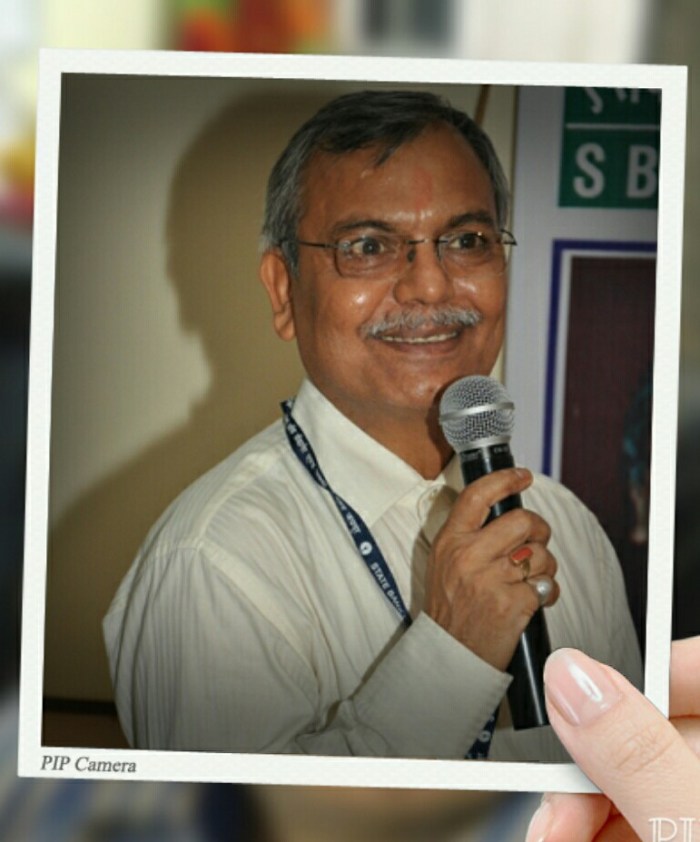
Embracing failure has been another valuable lesson. On one occasion, we lost a key customer due to a misunderstanding.
Rather than assigning blame, we reflected collectively, improved our processes, and turned the setback into a learning opportunity. This experience strengthened both our systems and our resilience as a team.
Mentoring and nurturing growth in others has always been central to my leadership philosophy.
Supporting junior staff, offering guidance, and creating learning opportunities allows individuals to flourish while fostering a culture of continuous improvement.
Witnessing their growth has been one of the most rewarding aspects of my journey.
So, do I see myself as a leader? Absolutely. Leadership is not about perfection, but intention and action.
It is a daily choice to serve, inspire, and uplift others—at work, in the community, and at home.
Dear friends, I invite you to pause and reflect: How do you lead in your own life? Leadership is closer than we imagine.
By embracing it consciously, we can inspire change, create impact, and leave a lasting legacy of purpose, courage, and growth.
BE HAPPY… BE ACTIVE… BE FOCUSED… BE ALIVE
If this post inspired you, show some love! 💙
✅ Like | ✅ Follow | ✅ Share | ✅ Comment
www.retiredkalam.com
Categories: infotainment
 Retiredकलम
very nice .
LikeLiked by 3 people
Thank you so much.
LikeLiked by 1 person
What truly makes a good human being? Is it kindness in action, integrity in silence, or compassion shown when no one is watching? In a world shaped by rapid change and constant noise, this question invites us to pause, reflect, and rediscover the values that quietly define our character and guide our choices.
LikeLiked by 4 people
That’s a powerful question, and the way you frame it already feels like an answer in motion. A good human being, I think, is shaped in the quiet spaces you point to—where choices are made without applause and values are lived rather than declared.
Kindness becomes meaningful when it costs something, integrity matters most when it goes unnoticed, and compassion shows its truest strength when it’s extended without expectation.
LikeLiked by 1 person
Im actually covering leadership with a class on Friday and will be touching on many of the characteristics you’ve mentioned. Integrity, honesty, being authentic … it should be a good class. And you’re right, good leadership don’t need a label or a name badge, they show it through their behaviours, their values and the example they set.
LikeLiked by 2 people
That sounds like it’s going to be a really meaningful class. Leadership grounded in integrity, honesty, and authenticity always lands deeper because it’s lived, not just taught. And I completely agree with you—true leaders don’t announce themselves.
Their values, consistency, and the example they set speak far louder than any title ever could.
Wishing you a great session on Friday—it sounds like your students will take away something lasting.
LikeLiked by 2 people
I hope so. Thanks Vijay
LikeLiked by 2 people
You are welcome, dear,
Stay happy and blessed.
LikeLiked by 2 people
Many leaders are history buffs and also enjoy philosophy.
LikeLiked by 1 person
Absolutely—there’s a strong connection there. Many leaders turn to history and philosophy because they offer perspective beyond the moment.
History shows patterns of power, failure, resilience, and consequence, while philosophy sharpens ethical thinking and self-awareness.
Together, they help leaders make more thoughtful decisions, question assumptions, and lead with depth rather than impulse.
LikeLike