
The Timeless Power of “Thank You”:
From the dawn of civilization, human beings have searched for ways to connect with one another. Long before instant messages and social media, people relied on handwritten words to share thoughts, emotions, and goodwill.
Ancient Egyptians wrote messages on papyrus sheets, while the Chinese used early forms of paper to communicate.
These messages often carried greetings, blessings for the New Year, words of encouragement—and very likely, expressions of gratitude.
One can almost picture a carefully rolled scroll ending with what we would now call a heartfelt thank you.
The Origin of Gratitude in Language
The word thank itself has a meaningful history. Scholars trace its origin to between c. 450 and c. 1100, where the Old English word þanc meant “thought.”
According to the Oxford English Dictionary, the meaning slowly evolved into “favorable thought or feeling, goodwill.”
By the Middle Ages, it had deepened into “kindly thought or feeling entertained towards anyone for favor or services.”
Gratitude, therefore, began as an internal thought before becoming a spoken and written expression—a beautiful evolution that mirrors human emotional growth.

Greeting Cards and the Rise of Written Appreciation
As societies advanced, so did the ways people shared emotions. By the 1400s, Europeans had begun exchanging greeting cards with family and friends.
These cards were handwritten and hand-delivered, making them deeply personal. This new form of social expression strengthened bonds and allowed emotions—especially appreciation—to be preserved in words.
Centuries later, this tradition expanded significantly thanks to Louis Prang, a German immigrant who settled in Boston, Massachusetts.
In 1873, Prang produced and sold greeting cards to the European market during Christmas. By 1874, he was creating and selling Christmas cards in the United States as well.
His work revolutionized the greeting card industry, and soon, thank you cards became a social staple.
From weddings to birthdays to simple acts of kindness, gratitude finally had a keepsake form.

Saying “Thank You” Becomes a Social Norm
Gratitude didn’t remain limited to paper. During the commercial revolution of the 16th and 17th centuries, the habit of saying “thank you” became common, particularly among the middle classes.
As commerce expanded, polite language became essential in offices, shops, and marketplaces. Saying “thank you” was no longer optional—it became a mark of respect, professionalism, and good character.
Over the past 500 years, this simple phrase has crossed borders, cultures, and languages, uniting humanity through courtesy and kindness.

My Thankful Day: Gratitude Beyond the Calendar
Hello dear friends,
I hope this blog finds you in a cheerful and peaceful mood.
Yesterday, the world celebrated World Thanks Day, a reminder to pause and appreciate life.
While the calendar marked it yesterday, I chose to celebrate My Thankful Day today—because gratitude doesn’t need a date to be meaningful.
Today, I feel deeply thankful.
I am thankful to God for blessing me with a beautiful life to enjoy. I am grateful to my well-wishers and online friends whose support, encouragement, and kind words make my journey richer.
In today’s digital world, meaningful connections are no longer limited by geography, and I treasure the friendships that exist beyond physical boundaries.
- I am thankful for good health, a gift that silently supports every dream we chase.
- I am thankful for mental happiness, which allows me to face challenges with balance and hope.
- I am grateful for social connections—the conversations, shared experiences, and emotional bonds that bring warmth to everyday life
. - Financially, I am okay—and that is more than enough. True contentment doesn’t always come from abundance; it comes from recognizing that what we have today is sufficient.
I celebrate my Thanksgiving today for everything I have, not focusing on what’s missing, but honoring what’s present.
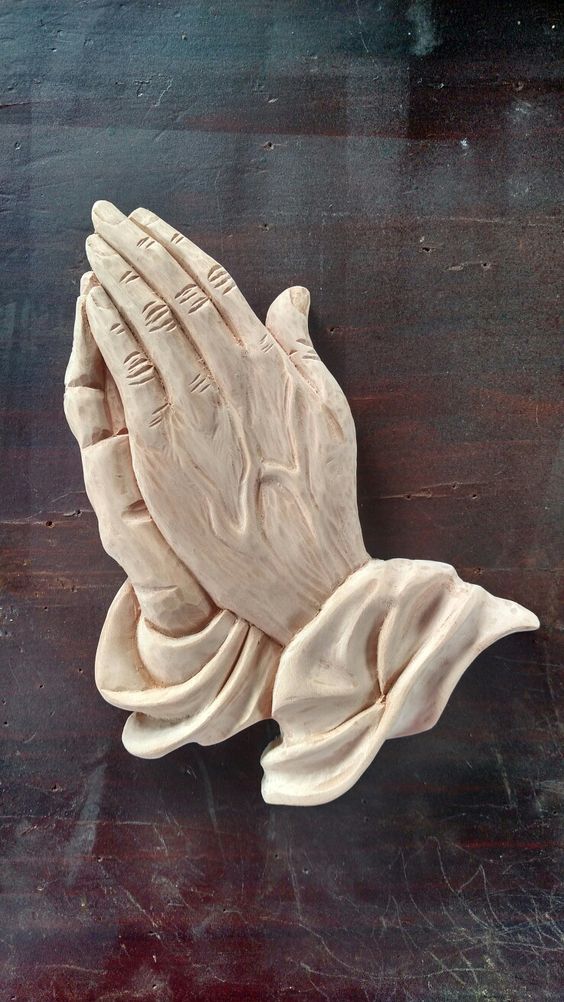
Gratitude: A Practice, Not a Moment
Gratitude is one of the oldest languages known to humanity, yet it remains timeless. It shifts our focus from scarcity to abundance, from worry to peace.
When practiced daily, it transforms ordinary moments into meaningful ones.
So today, I pause. I reflect. And I say thank you—with intention.
May we all take a moment to celebrate our own Thankful Day, whenever we choose.
Because gratitude, when sincerely felt, has the power to make life lighter, richer, and infinitely more beautiful.
BE HAPPY… BE ACTIVE… BE FOCUSED… BE ALIVE
If this post inspired you, show some love! 💙
✅ Like | ✅ Follow | ✅ Share | ✅ Comment
www.retiredkalam.com
Categories: infotainment
 Retiredकलम
very nice .
LikeLiked by 3 people
Thank you so much.
LikeLiked by 1 person
Well said our own thankful day 👌👌I think sometimes we need it
LikeLiked by 1 person
Absolutely—we really do need it sometimes. 💛
Having our own Thankful Day reminds us to pause, breathe, and acknowledge the good that often gets lost in the rush of daily life. It doesn’t need a calendar or celebration—just a moment of awareness and a grateful heart. When we take time to reflect on what we have, it gently shifts our mindset from stress to strength, from lack to abundance. A small pause for gratitude can make a big difference. 👌
LikeLiked by 1 person
A thoughtful start—this emphasizes how simple expressions of gratitude have always held profound power, shaping human connection and fostering lasting bonds across time.
LikeLiked by 1 person
Thank you — that means a great deal. 🌱
You’ve captured exactly what I was hoping would come through: that gratitude, in its simplest form, is not small or sentimental, but foundational. It’s one of the quiet forces that has always stitched people together across time, cultures, and circumstances.
When we pause to name it, we’re really honoring connection itself.
LikeLiked by 1 person
This is beautifully written. The way you’ve expressed gratitude feels calm, grounding, and deeply sincere. It’s a gentle reminder to pause and acknowledge the quiet abundance around us. Thank you for sharing something so thoughtful it truly resonates 🤍✨
LikeLiked by 2 people
Thank you so much for your kind and thoughtful words 🤍
I’m truly touched that the message resonated with you. Gratitude has a quiet way of grounding us, doesn’t it? In those gentle pauses, we often realize how much abundance already surrounds us. Your response reflects that same warmth and awareness, and I’m grateful you took the time to share it.
Wishing you many moments of peace, reflection, and thankfulness along the way. 🌿
LikeLiked by 2 people
Thank you for receiving it with such openness 🤍
Your words carry the same quiet calm and depth that gratitude brings gentle, grounding, and deeply reassuring.
I’m truly glad this connected with you. Wishing you continued moments of peace and gentle reflection as well. 🤍✨
LikeLiked by 2 people
Thank you—your words feel like a soft exhale 🤍
There’s such grace in the way you express gratitude, and it’s truly comforting to read.
I’m grateful for this shared moment of calm and connection; it’s a beautiful reminder of how meaningful gentle exchanges can be.
Wishing you the same—steady peace, quiet joy, and many reflective moments that nourish the heart. 🤍✨
LikeLiked by 2 people
I am also thankful for the many blessings that God has given me. I wish you a wonderful 2026!
LikeLiked by 2 people
That’s beautifully said. Gratitude has a way of keeping us grounded and open to grace. Thank you for the kind wishes—I wish you a 2026 filled with continued blessings, peace, good health, and moments that quietly remind you how supported you are. 🌿✨
LikeLiked by 2 people
You’re welcome and thank you for your kind words. I wish you the wonderful things you have wish for me: blessings, peace, good health, and good moments.
God’s blessings…
LikeLiked by 2 people
Thank you so much 🤍
Your words are deeply appreciated and received with gratitude.
May God’s blessings return to you manifold—granting you peace in your heart, good health in your days,
and countless moments of joy and contentment. Wishing you a life filled with gentle blessings and meaningful moments. 🙏✨
LikeLiked by 2 people
“Saying thank you with intention…” 🌷 is the best thing I’ve heard recently. Thank you for these Gems and more on your Site. I’ve been reading off and on, blest.
Wishing you a beautiful 2026
🎶🌱🌏🌿🎶
LikeLiked by 2 people
Thank you from the heart 🌷
Your words are a true gift, and I’m deeply grateful that the message found a place with you. Knowing that you’ve been reading and feeling blessed makes this journey of sharing so meaningful. “Saying thank you with intention” is something we can all carry gently through our days.
Wishing you a beautiful, grace-filled 2026 as well—may it bring you peace, good health, and many moments of quiet joy. Blessings always 🤍
LikeLiked by 2 people
If we’re grateful every day, we won’t have to look back regretting what we missed. Great post, Vijay.
LikeLiked by 2 people
Thank you so much!
I truly appreciate your kind words. Gratitude really does have a way of keeping us present and content—
it’s a reminder to value what we have while we’re living it. I’m glad the post resonated with you 🙏✨
LikeLiked by 1 person