


Hello dear friends,
I hope this blog finds you well. Today’s writing prompt is an interesting question: Are you a good judge of character? The journey is intriguing, so stay with me.
It happened at a family gathering one summer evening. I remember meeting a man who seemed instantly likable—confident handshake, bright smile, lively conversation. “What a genuinely good soul,” I thought.
Months later, the same man’s actions told another story altogether—small betrayals, broken promises, excuses that didn’t align with his earlier charm.
That experience left me wondering: was my intuition wrong, or had I simply been too eager to believe in appearances?
Moments like these make us pause and ask one of life’s most intriguing questions: Am I really a good judge of character?
We make judgments every day, sometimes within seconds of meeting someone.
Yet what we decide in those moments can ripple deeply through our lives—building trust, shaping friendships, or steering us into disappointment.

The Ancient Instinct Behind Modern Decisions
Our ability to judge character is an ancient survival tool. Long before resumes and social media profiles, early humans had to assess at a glance who could be trusted. Reading faces, tones, and gestures wasn’t curiosity—it was protection.
In today’s world, the dangers are different, but the need remains. At work, in relationships, in communities—we all try to gauge others’ integrity.
But while our instincts still whisper their judgments, modern life demands a more thoughtful lens.
When Intuition Deceives
Most of us have faith in our gut feelings. Intuition often feels like an invisible compass guiding us toward or away from someone.
It’s built from years of experience, subconscious observations, and even emotional memory. But intuition, powerful as it is, can be deceptive.
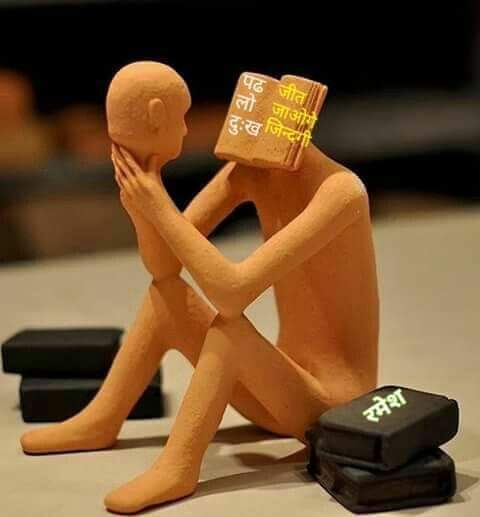
It’s shaped by our past—our upbringing, culture, and biases—all of which can cloud our judgment.
Sometimes our instinct is truly insightful. Other times, it’s bias wearing the disguise of confidence.
A wise judge of character learns to respect intuition, yet cross-check it with observation and patience.
The Fragility of First Impressions
Science suggests we form first impressions in less than seven seconds. In those heartbeats, we decide who seems trustworthy, competent, or kind—all based on surface cues: a smile, posture, attire, tone. But appearances can lie.
The quiet one might be thoughtful, not cold; the witty one might be charming yet unreliable.
True character takes time to reveal itself. It lives in patterns of consistency—how someone speaks about others, how they handle power, and how they behave when no one is watching.

Seeing Beyond a Single Moment
We often define people by isolated actions. But context matters. A bad day doesn’t make a bad person, just as one kind gesture doesn’t prove virtue.
Circumstances draw out different sides of us all; what matters is how someone strives to make amends, learns, or grow.
Good judgment is therefore less about being right every time and more about recognizing change—the ability to see people not as fixed portraits but as evolving stories.
The Inner Mirror of Self-Awareness
Good judges of character share one secret trait: they know themselves. Before reading others, they examine their own biases and patterns.
Do we distrust certain personalities because they mirror traits we dislike in ourselves? Are we lenient toward those who share our background or beliefs?
Only through self-awareness can we filter perception from projection. Judging character begins not with assessing others, but with observing the lens through which we see.

Listening as a Window to Character
Listening—truly listening—is perhaps the purest form of judgment. Pay attention not only to what people say, but how they say it.
Do they speak with respect, empathy, and curiosity? Do their actions echo their promises?
Integrity is found in the rhythm between words and deeds. A person who is kind when the world watches is polite; one who is kind when no one does, is good.
Lessons from Experience
Over the years, both joy and betrayal refine our ability to judge character. Trusted friends teach us warmth; deceivers teach us caution. Each encounter sharpens discernment, provided we don’t let pain turn into cynicism.
The art lies in balance—keeping our hearts open, but our eyes discerning. People can surprise us, both for better and worse, and that unpredictability is part of life’s texture.

So, Are You a Good Judge of Character?
The truth is both humbling and hopeful: sometimes we are, sometimes we aren’t. Our perceptions, though flawed, grow wiser each time we reflect.
Judging character well is not about perfection—it’s about patience, empathy, and humility.
To judge character deeply is not to categorize, but to understand. When we trade assumption for curiosity, we see people more clearly—and in doing so, understand ourselves better too.
Perhaps then, the best judge of character isn’t the one who’s never misled, but the one who keeps learning, forgiving, and discerning with grace.
In the end, that openness—the willingness to keep evolving—may be the surest sign of good character of all.

BE HAPPY… BE ACTIVE… BE FOCUSED… BE ALIVE
If this post inspired you, show some love! 💙
✅ Like | ✅ Follow | ✅ Share | ✅ Comment
www.retiredkalam.com
Categories: infotainment
 Retiredकलम
very nice
LikeLiked by 2 people
Thank you so much.
LikeLiked by 2 people
You were truthful with this prompt. Yes no one can be 100 percent right all the time.
LikeLiked by 4 people
Thank you for saying that. I agree—honesty matters, and none of us can be right all the time.
LikeLiked by 2 people
Nice one!
LikeLiked by 3 people
Thank you so much.
Your words mean a lot.
LikeLiked by 3 people
Verma ji, this is a truly profound and beautifully articulated reflection. You’ve woven personal experience, wisdom, and psychological insight into something that feels both intimate and universal. What stands out is not just your keen observation of human nature, but the compassion and humility with which you approach it. You remind us that judging character isn’t about being flawless, but about being mindful, patient, and ever-willing to learn.
This piece doesn’t just ask a question—it offers a gentle guide for living and relating to others with more depth and grace. Thank you for sharing such thoughtful and enriching wisdom. It’s a gift to read. 🙏
LikeLiked by 5 people
Thank you so much for such a generous and thoughtful response.
I’m deeply moved that the reflection resonated with you in this way.
Your words capture the spirit in which it was written—an ongoing practice of mindfulness, patience,
and learning rather than a claim of perfection.
If the piece offered even a gentle nudge toward deeper understanding or compassion, then it has truly served its purpose.
I’m grateful you took the time to read it so attentively and share such meaningful feedback.
LikeLiked by 2 people
A great piece of writing. 💯👍
LikeLiked by 3 people
Thank you so much for your kind words! 😊
I’m truly glad you enjoyed the piece and found it meaningful.
Your appreciation really encourages thoughtful writing and reflection.
Grateful for your time and positive feedback—stay inspired and keep reading! 🌟✍️
LikeLiked by 2 people
First impressions don’t answer everything about a person. We need time with him/her to know if the person is good or bad. Lovely reflection, Verma.
LikeLiked by 2 people
Thank you so much for your kind words. 🌸
You’re absolutely right—first impressions are only a beginning, never the whole story. Time, shared moments, and consistent behavior reveal far more than any initial feeling ever can. I’m really glad the reflection resonated with you, and I appreciate you taking the time to share your thoughts.
LikeLiked by 1 person
You’re most welcome, Verma. Happy Tuesday!
LikeLiked by 1 person
Happy Tuesday.
Stay happy and keep sharing.
LikeLiked by 1 person
Verma, this really hit close to home. I’ve had those moments too where someone feels instantly trustworthy and later you realise the charm was just that… charm. It makes you question whether your instinct failed or whether you wanted to believe the best a little too quickly.
What I liked here is how you didn’t dismiss intuition, but also didn’t glorify it. That middle ground you talk about watching patterns, giving time, checking your own biases is something I’ve learned the hard way. You’re right, character shows up quietly and consistently, not in first impressions.
This felt less like an answer to a prompt and more like lived wisdom. Honest, balanced, and reflective in a way that comes only from experience.
LikeLiked by 1 person
Thank you so much for this thoughtful response—it truly means a lot. 🌱
You’ve captured exactly what I was hoping to express: that intuition isn’t wrong, but it isn’t infallible either. Sometimes it’s less about instinct failing and more about our hope getting ahead of evidence. I really resonate with what you said about wanting to believe the best a little too quickly—that’s such a human impulse.
I’m glad the idea of watching patterns and allowing time stood out to you. For me, that balance has come only through missteps and quiet recalibration, learning to observe without rushing to conclusions—about others and about myself. You’re absolutely right: character rarely announces itself; it reveals itself in the small, consistent ways.
LikeLike
A very thoughtful, helpful post, Vijay, and a truly intriguing photo at the beginning. 💜
(I hope you share the story behind the photo someday!) 🤗
LikeLiked by 2 people
“Thank you so much for your kind words 💜
I’m really glad the post resonated with you—and I’m happy the photo caught your eye too.”
LikeLiked by 1 person
💜
LikeLiked by 1 person
Thank you so much,
I am grateful for your time and support.
LikeLiked by 1 person
Judging one ‘s character is not a difficult task. We can judge one from many angle. Some time we become prey of our own judgement.Nive blog.
LikeLiked by 1 person
You make a very thoughtful point. Judging someone’s character can seem easy when we look from different angles,
but our own judgments are often shaped by assumptions, emotions, or limited perspectives.
Sometimes, as you said, we become prey to our own judgments rather than to the truth of the person we’re observing.
LikeLike