


Hello dear friends,
I hope this blog finds you in a cheerful mood and in good health. Today’s writing prompt is truly fascinating: “What major historical events do you remember?”
It is a question that invites not only recollection but reflection — on how the tides of history have touched our lives, shaped our societies, and lingered quietly in our memories.
For those of us who have lived through many decades, history is not just a textbook chapter but a series of lived moments — moments that once vibrated with excitement, fear, or hope.
Each of us carries within us a small museum of memories, from local happenings to world-changing events.
Let me revisit a few milestones that many of us may remember vividly — and some lesser-known stories behind them.
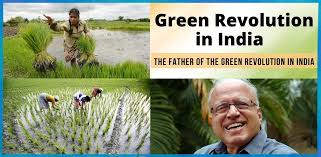
The Green Revolution and Growing Modern India
The 1960s and 70s witnessed another kind of transformation — the Green Revolution, led by visionaries like Dr. M.S. Swaminathan.
It turned India from a food-deficit country to a self-sufficient one. The success was so remarkable that within just a decade, wheat output doubled, and Punjab became the granary of India.
Yet few people know that the seeds of this movement were imported from Mexico and that its pioneer, Norman Borlaug, first tested them under Indian conditions at the Indian Agricultural Research Institute before launching the program nationwide.
It was one of those historical moments when global cooperation and local wisdom worked hand in hand.
The Moon Landing: A Global Memory
Every generation shares some universal memories, and one such event was the 1969 Moon Landing.
Even those who didn’t have televisions recall crowding around radios to hear Neil Armstrong’s voice announcing mankind’s first step on the Moon.
To many, that moment symbolized the height of human achievement — proof that curiosity and courage could overcome all limits.
Interestingly, less known is that Armstrong’s heart rate spiked to 150 beats per minute during the moon descent — a testament to the intense pressure and fragility of that mission.
The computer onboard had only 64KB of memory, less than what we use in a simple smartphone app today.

The Emergency: A Nation Paused
In India, the Emergency of 1975–77 remains one of the most controversial periods in our democracy.
Civil rights were curtailed, newspapers censored, and political opponents imprisoned. Those years taught us how precious democracy truly is.
Many of us remember whispered conversations and the eerie quietness that hung in the air when freedom of speech was temporarily suspended.
Few recall, however, that one of the earliest forms of resistance came not from politicians, but from underground student organizations that circulated hand-written newsletters and pamphlets, keeping the spirit of free thought alive.

The Fall of the Berlin Wall
The world rejoiced on November 9, 1989, when the Berlin Wall — long a symbol of division — finally crumbled.
Across television screens, people witnessed citizens from both sides embracing, laughing, and weeping with relief.
This historic moment resulted from a confluence of factors: growing public protests and mass demonstrations in East Germany, a mistaken announcement about eased travel restrictions by an East German official,
And the broader political thaw encouraged by Mikhail Gorbachev’s reforms in the Soviet Union.
Together, these pressures culminated in a spontaneous breach of the wall, soon followed by its official dismantling.
That night marked more than the physical fall of a barrier; it symbolized the end of the Cold War and a profound psychological victory over decades of fear, separation, and suspicion.
Interestingly, the wall’s collapse was not the outcome of a planned government reform, but rather a bureaucratic misunderstanding.
When a spokesman declared that East Germans were “free to travel,” he was referring to movement with proper approvals — yet the phrase was misinterpreted as immediate freedom.
Within hours, thousands rushed to the checkpoints, and bewildered border guards, with no clear orders, simply opened the gates.
The Digital Revolution
For those who witnessed the world before the internet, the Digital Revolution feels nothing short of miraculous.
Personal computers, then mobile phones, and finally the internet transformed every aspect of human life.
The way we communicate, learn, and create has changed beyond recognition within a single generation.
It is remarkable to think that when the first email was sent in 1971, hardly anyone predicted that billions would one day carry a device in their pocket more powerful than the computers that sent astronauts to the Moon.

The Pandemic We All Endured
Most recently, the COVID-19 pandemic became a shared chapter of global history.
Empty streets, masked faces, and the haunting silence of locked cities will remain vivid in memory.
Yet amid the fear, acts of kindness, solidarity, and resilience reminded us of the unbreakable human spirit. Health workers, scientists, and ordinary citizens became the heroes of our time.
A lesser-known fact is that several nations saw dramatic environmental recovery during lockdown months — cleaner rivers, clearer skies, and wildlife returning to urban spaces, showing how swiftly nature can heal when given a chance.

The Dawn of Independence
For me, the most important Historical event was India Partition.
Yes, Indians born before or shortly after 1947, the air of freedom that came with Independence Day remains unforgettable.
August 15, 1947, was not merely a change of flag but a rebirth of national identity. People celebrated with tears of joy, temple bells rang across the land, and streets echoed with chants of “Jai Hind!”
Yet, behind that joy lay pain — the anguish of Partition, when millions crossed borders in search of home and safety.
A lesser-known fact is that India’s first Independence Day speech by Jawaharlal Nehru was delivered close to midnight because, according to astrologers, August 14 was viewed as inauspicious.
Thus, the historic “Tryst with Destiny” address was intentionally timed after midnight to usher in a new and auspicious hour.

Reflecting on Memory and Meaning
Remembering historical events is more than a nostalgic exercise. It helps us understand who we are — witnesses to the unfolding story of humanity.
Each event, whether global or local, becomes a thread in the larger tapestry of human experience. Some evoke pride, some pain, but all teach us the profound truth that time never truly erases memory; it only reshapes it.
So, dear readers, what major historical events do you remember?
Perhaps your memories are of a school flag-hoisting day, a family huddled around a radio during a war bulletin, or your first experience using the Internet.
Whatever the event, it is worth recalling — because history is not just what happened, but what we remember of it.

BE HAPPY… BE ACTIVE… BE FOCUSED… BE ALIVE
If this post inspired you, show some love! 💙
✅ Like | ✅ Follow | ✅ Share | ✅ Comment
www.retiredkalam.com
Categories: infotainment
 Retiredकलम
nice write up.
LikeLiked by 3 people
Thank you so much.
LikeLike
It gives me a glimpse of what happened to India some years ago. Though, I’m not into history, so I’ll pass the question below.🙈 Wonderful piece, Verma
LikeLiked by 2 people
Thank you so much for your kind words! 😊
I truly appreciate that you took the time to read it, even though history isn’t usually your area of interest.
The Partition is one of those events that continues to shape our present in subtle ways,
and I’m glad this piece could offer a small glimpse into that chapter.
Your appreciation means a lot — it encourages me to keep sharing such reflections. 🙏✨
LikeLiked by 1 person
My pleasure, Verma. Have a wonderful day as you are!
LikeLiked by 1 person
Thank you so much! 😊
That’s such a kind and heartwarming message. Wishing you a wonderful day as well — bright, peaceful,
and filled with little moments of joy! 🌸✨
LikeLike
Wow that’s a masterful piece giving remembrance and a history lesson along the way to things I had no idea. Beautiful and informative.
LikeLiked by 2 people
Thank you so much for your kind and thoughtful words.❤️
I’m truly glad the piece resonated with you. The Partition is such a powerful chapter of history—filled with lessons, emotions,
and stories that continue to shape who we are today.
If it helped shed light on some lesser-known aspects and inspired reflection, then I feel deeply fulfilled.
History becomes meaningful when it connects hearts across time, and your appreciation truly means a lot. 🙏
LikeLiked by 1 person
I love learning history, I’m way more interested now than I was in history class as a child .
LikeLiked by 1 person
I completely relate to that! 😊 History feels so much more engaging when we explore it out of genuine curiosity rather than from a textbook. It’s amazing how, as adults, we start to see the stories, emotions, and lessons behind the events we once memorized for exams.
I’m glad to know you enjoy learning history too — it truly connects us to the world in a deeper way. 📖✨
LikeLiked by 1 person
That’s forsure, so much more engaging now and learning through conversation and reading than worrying about a test to decide you didn’t listen when you did but don’t do well with tests.
LikeLiked by 1 person
Exactly! 🌟 Conversations and reading allow us to experience history rather than just memorize it.
Tests often miss the heart of learning — the curiosity, emotion, and personal connection that make knowledge meaningful.
It’s wonderful that you’ve found joy in exploring history your own way; that’s the kind of learning that truly lasts. 📚✨
LikeLiked by 1 person
So true, thank you 😊 for a wonderful conversation about history.
LikeLiked by 1 person
You’re most welcome! 😊
I really enjoyed our conversation too — it’s always refreshing to share thoughts with someone who appreciates history’s depth and humanity. Thank you for bringing such warmth and insight to the discussion.
Looking forward to many more meaningful exchanges! 🙏📖✨
LikeLiked by 1 person
Me too, have a blessed day!
LikeLiked by 1 person
Thank you so much! 😊
Wishing you a truly wonderful and blessed day as well — filled with peace, positivity, and moments that make you smile. 🌸🙏✨
LikeLiked by 1 person
The same right back to you my friend. 😊
LikeLike
Thank you, my friend 😊.
That means a lot! Here’s to both of us continuing to reach for our dreams
and finding joy in the journey along the way. 🌙💫✨
LikeLiked by 1 person
Absolutely!!!💯 🙌😊💕🙏
LikeLiked by 1 person
Thanks again.
Stay connected and keep sharing.💕
LikeLiked by 1 person
You too!! Thank you!😊
LikeLiked by 1 person
Good evening.
Enjoying Diwali festival this evening.
LikeLiked by 1 person
Oh I bet that’s so fun .. enjoy!!!
LikeLiked by 1 person
Thank you so much.😊
I’m really looking forward to it and will definitely enjoy every moment! ✨
LikeLiked by 1 person
🙏🌻
LikeLiked by 1 person
Good morning.
Have a nice day.
LikeLiked by 1 person
You too ,have the best day ever!!
LikeLiked by 1 person
Thank you so much.
Have a sparkling evening.
LikeLiked by 1 person
✨✨
LikeLiked by 1 person
Thank you so much.👏👏
LikeLiked by 1 person
🙏🙏🙏
LikeLiked by 1 person
Thank you so much,
How is your day ?
LikeLiked by 1 person
I haven’t had. Much time lately to be able to answer everyone and check in but all good , we just had a hugs storm.. how about you?
LikeLiked by 1 person
“Varmaji, you’ve beautifully brought history to life with your reflections. The way you’ve shared the lesser-known stories behind major events like the Green Revolution and the Moon Landing makes us feel the emotions and struggles behind the facts. The section on Independence and Partition, capturing both joy and pain, is especially powerful. Your words make history feel alive and personal. Thank you for sharing this wonderful piece!”
LikeLiked by 2 people
Thank you so much for your heartfelt appreciation! 🙏 I
’m truly glad that my reflections could bring these moments of history to life for you. The human stories behind major events often carry as much weight as the facts themselves, and I tried to capture that emotion and struggle.
Knowing that it resonated with you makes all the effort worthwhile. Your kind words inspire me to continue exploring and sharing these personal perspectives on history. 💙
LikeLike
What a beautifully crafted and profoundly thoughtful piece of writing. This is not merely a collection of historical facts, but a soulful meditation on the very nature of memory and its inseparable link to history. You have masterfully woven together the grand tapestry of global and Indian milestones with the delicate, personal threads of lived experience.
Your writing stands out for its remarkable balance—you celebrate human achievement, like the Moon Landing and the Green Revolution, without shying away from the sobering lessons of periods like the Emergency. The inclusion of those “lesser-known stories” is a brilliant touch, reminding us that history is made not just by great forces, but by human fragility, bureaucratic errors, and quiet, underground resistance.
The closing reflection is particularly powerful, transforming the piece from a recollection into an invitation for us all to become active participants in the remembering. You remind us that our personal memories, whether of a flag-hoisting ceremony or a first email, are the very cells that make up the body of history.
This is a truly magnificent piece of work. Thank you for sharing such a poignant, insightful, and deeply human perspective.
LikeLiked by 2 people
Thank you from the bottom of my heart for such an eloquent and thoughtful response.
Your words beautifully capture what I hoped to convey—that history is not merely a series of events, but a living tapestry woven from individual experiences, emotions, and reflections.
It is deeply gratifying to know that the balance between human achievement and the sobering lessons of the past resonated with you.
LikeLike
Like it
LikeLike
Thank you so much.
I am glad you like it.❤️
LikeLike
Verma ji, Such a beautifully written piece, it reminds us that history isn’t just dates and events, but the living memories that shape who we are and how we see the world.
LikeLiked by 1 person
Thank you so much for your kind words! 😊
I truly believe that history lives within us—not just in books, but in the stories, emotions, and memories passed down through generations.
I’m glad the piece resonated with you and evoked that connection between the past and our present understanding. 🙏
LikeLike
Verma ji you are absolutely right. I like it. 👍🏻
LikeLiked by 1 person
Thank you so much! 😊
I truly appreciate that you liked it.
Your kind words mean a lot and encourage me to keep sharing and reflecting. 🙏✨
LikeLike
I enjoyed seeing major world events through your eyes. I spent a summer in the Soviet Union, bought a ton of books to see how did they interpret events compared to my American view (I spoke/read Russian at that time–don’t expect it now!). Usually quite differently! I hope you do more of these posts.
LikeLiked by 1 person
That’s truly fascinating! 🌍📚
Spending a summer in the Soviet Union and exploring history through Russian perspectives must have been an eye-opening experience.
It’s incredible how the same events can be interpreted so differently depending on where we stand.
Thank you for sharing that insight — it adds so much depth to the conversation.
I really appreciate your encouragement, and yes, I’ll definitely keep writing more pieces like this! 🙏✨
LikeLike