

Hello dear friends,
I hope this blog finds you in a cheerful mood and open to a little journey through memory, tradition, and pride.
Today’s prompt – “What aspects of your cultural heritage are you most proud of or interested in?” – invites us to pause and look inward at the invisible threads that shape who we are.
For me, cultural heritage is not just an abstract concept.
It’s the aroma of simmering spices wafting from a family kitchen, the rhythm of a folk song that makes my feet tap without thinking, the stories passed from grandparents whose voices tremble with wisdom.
It’s the comfort of knowing that I belong to a lineage of thinkers, dreamers, and makers who left behind clues about how to live with dignity, joy, and curiosity.
The Power of Storytelling
One of the first treasures I cherish is the storytelling tradition of my community.
Long before I ever picked up a book, I was cradled by tales told on moonlit rooftops: epics of courage, parables about honesty, humorous anecdotes about clever village elders.
These stories were not mere entertainment; they were vessels carrying values, ethics, and history.
Today, in an age of streaming videos and instant news, I still return to the oral tradition as a grounding force.
The cadence of a well-told story keeps alive the art of listening and the patience to understand before responding.

Festivals That Celebrate Togetherness
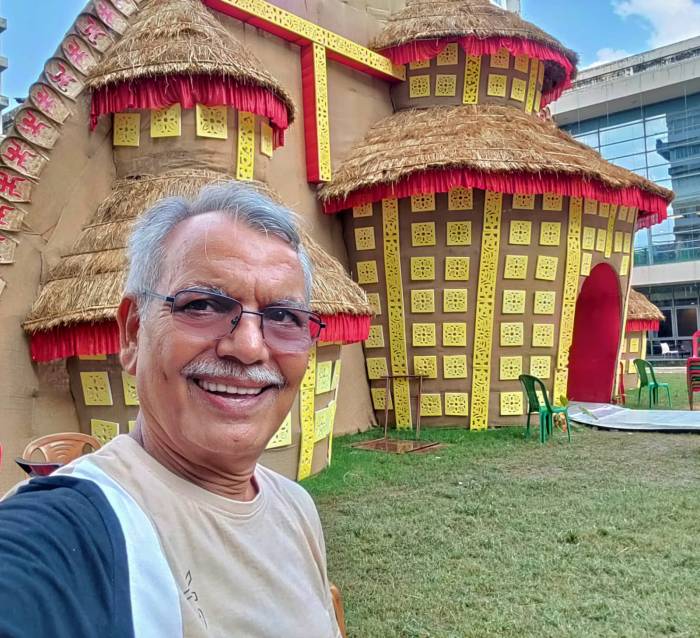
One of the most beautiful aspects of my heritage is the vibrant culture of festivals. Whether it’s Diwali’s sparkling lamps, Holi’s joyful splash of colors, or the grand spectacle of Dussehra (Durga Puja), every celebration carries a story and a heartbeat of its own.
Above all, my heart belongs to Chhath Puja, my most cherished festival. It’s that special time when our family converges from far and wide at our native place, filling the air with laughter, devotion, and anticipation.
Chhath Puja is far more than a ritual; it is a soulful celebration of unity, simplicity, and gratitude. In a world rushing forward at lightning speed, this festival stands as a gentle reminder of our roots, drawing together people across caste, creed, and social divides.
Each year, it’s inspiring to watch more people discover the significance of Chhath Puja — not just as a religious event, but as a cultural phenomenon that upholds timeless values of purity and togetherness.
Festivals like these are the heartbeat of Hindu culture, evolving gracefully through generations while preserving the essence of our traditions.
They invite us to pause, adorn our homes, prepare festive dishes, and open our doors to neighbors and friends. They prove that joy grows exponentially when shared.

What I love most is how devotion and playfulness coexist in these celebrations: lighting diyas while teasing cousins, offering prayers before savoring sweets, or exchanging warm wishes with someone you might not otherwise meet.
In a fragmented world, these moments are gentle rebellions against loneliness — radiant reminders of how connected we truly are.
Culinary Heritage – A Symphony of Flavors
No reflection on cultural pride is complete without mentioning food. From slow-cooked curries to crisp street snacks, from heirloom pickles to fragrant teas, our cuisine is an archive of creativity and resilience.
Recipes travel through generations, sometimes adapting to new ingredients but retaining their soul.
Cooking a traditional dish is like time travel; I can almost see my grandmother measuring spices with her palm, hear the sizzling of tempering seeds, and feel the warmth of family gathered around a table.
It’s an edible connection to the past that nourishes body and spirit alike.

Language and Literature
I’m also deeply fascinated by the languages of my heritage. Each tongue carries its own music, metaphors, and ways of framing thought.
Regional proverbs often contain entire philosophies distilled into a sentence, while classical poetry reveals a sensitivity to nature and human emotion that feels timeless.
Reading or writing in these languages reminds me that words are not just tools; they are custodians of memory. They protect wisdom that might otherwise fade in translation.
Handicrafts and Art
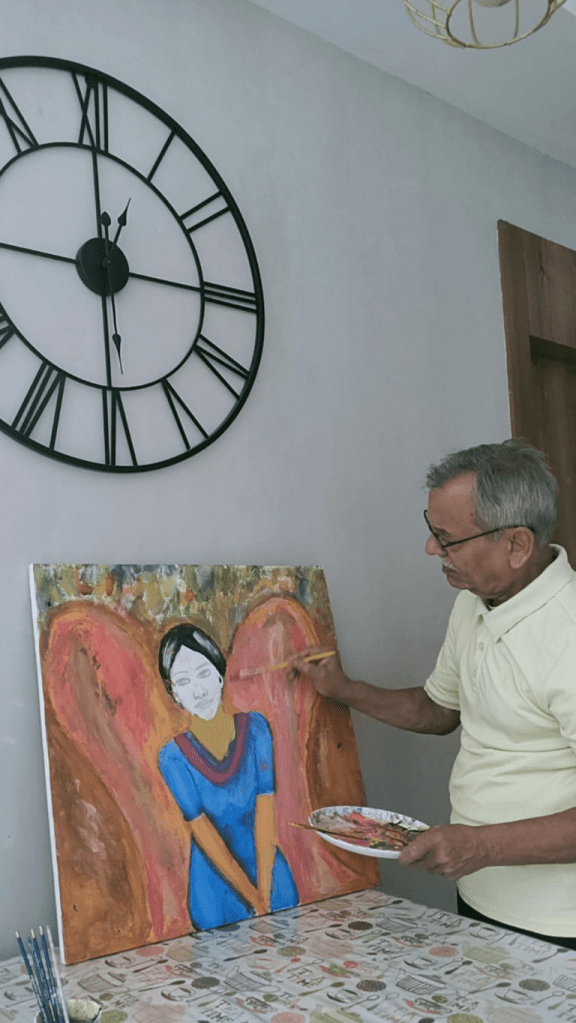
Another source of pride is the craftsmanship embedded in local art forms – from delicate embroidery and block printing to terracotta figurines and intricate rangoli patterns.
These creations are not just decorative; they embody patience, skill, and an understanding of beauty rooted in everyday life.
Supporting artisans and learning even a fraction of their techniques keeps me connected to an aesthetic lineage that predates mass production.
Values That Endure
Beyond tangible expressions, my cultural heritage gifts me enduring values: respect for elders, hospitality towards guests, reverence for nature, and an instinct to seek harmony rather than conflict.
These principles aren’t perfect or frozen in time – they evolve with every generation – but they offer a compass when life feels directionless.
A Living, Breathing Legacy
Most importantly, I’m proud that culture is not a museum exhibit. It is alive, constantly reshaped by conversations, migrations, and innovations.
When I teach a child a folk song, post a traditional recipe online, or blend an old custom with modern sensibilities, I participate in keeping heritage relevant.
Curiosity is key here. Instead of clinging to the past for nostalgia alone, I explore
– how its wisdom can meet today’s challenges:
– how sustainability hides in ancestral farming techniques,
– how empathy shines in ancient philosophies,
– how inclusivity thrives when we remember our festivals were designed to bring strangers together.
Our cultural heritage is a quiet superpower. It gives us belonging without demanding uniformity. It anchors us while encouraging us to sail further.
As I write this, I realize that pride in one’s roots is not about shutting out other influences; it’s about standing tall so we can welcome the world with confidence.
So, dear friends, I invite you to look into your own trove of traditions. Which songs, recipes, rituals, or philosophies make you smile with recognition?
Which ones would you love to pass on? By celebrating and sharing them, we ensure that the vibrant mosaic of humanity remains whole — and ever more beautiful.

Categories: infotainment
 Retiredकलम
This is absolutely beautiful. Thank you for sharing such a profound and heartfelt piece of yourself. Reading your words felt less like reading an article and more like being invited to sit at your family’s table, to hear the stories and smell the spices.
You’ve articulated something so crucial: that heritage is not a relic to be preserved behind glass, but a living, breathing, and deeply sensual experience. The way you weave together the aroma of food, the rhythm of music, the visual spectacle of festivals, and the tactile nature of crafts creates a stunningly complete portrait of what culture truly is—an experience for all the senses.
Your description of Chhath Puja particularly moved me. You transformed it from a mere “festival” into a feeling—one of unity, anticipation, and gentle rebellion against the loneliness of the modern world. That phrase will stay with me.
And you are so right—this pride isn’t about building walls. It’s about having such a strong, confident anchor in your own story that you can fearlessly welcome and appreciate the stories of others. It’s about knowing your roots so you can grow taller and branches that can intertwine with others.
You’ve inspired me to think of my own “quiet superpowers”—the recipes, the sayings, the small rituals that form the bedrock of my own identity. Thank you for this generous invitation to reflect and celebrate.
This was a truly gorgeous read. Please keep sharing these stories; the world needs more of this thoughtful, connecting wisdom.
LikeLiked by 3 people
Thank you so much for your heartfelt words — they truly mean a lot
and inspire me to keep sharing with the same warmth and sincerity.
LikeLiked by 2 people
Obtuse British Press. Two Independent YouTube News sources
LikeLiked by 2 people
Thank you so much for visit.
LikeLiked by 2 people
Elon Musk communicates with both rational and subliminal techniques. Musk speaks
LikeLiked by 1 person
😊😊
LikeLiked by 1 person
Educative
LikeLiked by 2 people
Thank you! 😊
I’m glad you found it informative — sharing knowledge and insights is always a joy.
LikeLiked by 2 people
Every festival has its meaning and purposes. Eg Chat puja is the festival of Son God. We Indian celebrate the festival to worship the nature that the magic.Nice blog.
LikeLiked by 2 people
Thank you for sharing such thoughtful insight! 🌟
You’ve beautifully summed up how every festival carries its own meaning and honors nature’s magic — that’s what makes our traditions so rich and inspiring.
LikeLiked by 1 person
Excellent read!
You have pointed out some significant aspects of our Indian festivals. Celebrating festivals is not only to preserve, protect and pass on our traditions to the next generation, , but it means togetherness with family and friends.
Thank you for sharing this wonderful article.
LikeLiked by 3 people
Thank you so much! 🙏
I’m glad the article resonated with you — indeed, festivals are as much about togetherness and joy as they are about preserving our rich traditions.
LikeLiked by 2 people
What you have described here is similar in the traditional African villages and homes. There is a tradition of oral storytelling and celebrating festivals together that has disappeared from Western society. Nice to read about your life and experiences.
LikeLiked by 2 people
Thank you for sharing that perspective! 🌍
It’s fascinating to see how storytelling and communal celebrations resonate across cultures — it truly shows the universal power of heritage to connect and inspire.
LikeLiked by 1 person
Yes, it does 🌷
LikeLiked by 2 people
Indeed 🌟 — those shared moments make life so much brighter and more meaningful.
LikeLike
Such a warm and inviting start! 🌸 Reflecting on cultural heritage is such a meaningful way to connect with our roots and share stories that shape who we are. ❤️🌍
LikeLiked by 2 people
Thank you so much! 🌟
I’m glad you felt the warmth — celebrating our heritage truly helps us connect with ourselves and with others in a deeper way.
LikeLiked by 1 person
Thank you for your like, but your views mean more than likes! Please take a moment to read my full post—every view helps me to grow. Your views inspire me to create better content, so I kindly request you to read my entire blog and share your thoughts within the blog!
LikeLiked by 2 people
Absolutely! 😊
I’d be delighted to read the full post and leave my thoughts there. Your writing always carries such depth and sincerity — it deserves more than just a quick like.
Thank you for inviting us to engage more meaningfully with your work!
LikeLiked by 1 person
oh yes, togetherness. I love that part too.
LikeLiked by 2 people
Absolutely! 🌟
Togetherness is truly the heart of every celebration — it’s what turns simple moments into lasting memories.
LikeLiked by 1 person
Absolutely! 💫
That spirit of togetherness is what makes every occasion so warm and memorable —
it’s the real magic behind any celebration.
LikeLiked by 1 person
It appears that life is a celebration in India. What a wonderful way to live, Vijay.
LikeLiked by 3 people
Thank you so much for your lovely words! 🌸
Yes, in many ways life here is a colorful celebration — finding joy in traditions, togetherness, and the simple moments makes every day feel special.
LikeLiked by 1 person