

Hello dear friends,
I hope this blog finds you in a cheerful mood. Today’s writing prompt is truly fascinating:
“How would you design the city of the future?”
It’s a question that blends imagination, practicality, and vision. Designing the city of the future is not just about gleaming skyscrapers or driverless cars;
it’s about re-imagining urban life so that it nurtures its people, respects nature, and thrives on innovation. Let us journey together into this vision.
1. A City Where People Come First
Most of today’s cities are designed around vehicles, but in the future, the priority should shift to people.
Imagine walking through broad, tree-lined boulevards where the air is fresh, and the sound of birdsong mingles with gentle conversation. Sidewalks are wide, shaded, and safe for children, seniors, and differently-abled individuals.
Public squares and community spaces are abundant — places where neighbors meet for open-air concerts, weekend markets, or spontaneous games of chess. This kind of design fosters not just convenience, but connection. After all, the soul of a city is its people.

2. Sustainability as the Backbone
The city of the future must be sustainable, not as an optional extra, but as a fundamental principle. Every building should be energy-efficient, using solar panels, rainwater harvesting systems, and green roofs that not only insulate but also grow food.
Waste will be minimal because the city will embrace a circular economy. Materials will be reused, recycled, or composted, and smart sensors will ensure that bins are collected only when full, reducing unnecessary fuel use. Public transportation will run on renewable energy, making air pollution a relic of the past.
Imagine this: your apartment lights adjust automatically to natural daylight levels; your kitchen waste is composted into nutrient-rich soil used in community gardens; and every breath you take feels clean.
3. Nature Woven into the Urban Fabric
Rather than being concrete jungles, future cities will look more like urban forests. Parks will be plentiful, not just as large public grounds but also as small green pockets scattered between streets and buildings.
Rivers and lakes will be clean, serving as both water sources and recreational areas.
Vertical gardens will climb up high-rises, creating habitats for birds and pollinators. Green corridors will connect neighborhoods so wildlife can move freely — even in the heart of the city.
This integration of nature will not only improve mental and physical health but also help fight climate change by cooling urban heat islands.
4. Technology as a Servant, Not a Master
In the future city, technology should work silently in the background to make life smoother — without overwhelming us. Smart traffic systems will reduce congestion by rerouting cars dynamically.
Autonomous buses and shuttles will whisk people to their destinations efficiently, making private car ownership unnecessary for most.
Your home might have an AI-powered system that manages energy use, reminds you of community events, and even helps you connect with neighbors who share your interests. Sensors will monitor air and water quality, alerting authorities instantly if action is needed.
But most importantly, technology will be designed with human control in mind — enabling convenience without compromising privacy or freedom.
5. Affordable Housing and Inclusive Living
A truly futuristic city will not be a playground for the wealthy alone. Housing will be affordable, varied, and available for all — from small, cozy apartments for singles to family-friendly homes and senior-friendly residences.
Mixed-income neighborhoods will ensure diversity and equality, reducing the social divisions that plague many current urban areas.
Public services — healthcare, education, and recreation — will be high-quality and accessible to everyone, regardless of income level.
No one will have to travel long distances for basic needs, because facilities will be embedded within walking or cycling distance.

6. Resilience to Climate and Crisis
Cities of the future must be designed to handle the unexpected. This means resilient infrastructure that can withstand floods, earthquakes, or heatwaves.
Buildings will be modular and adaptable, allowing spaces to be repurposed quickly during emergencies.
For example, a sports complex could transform into a relief shelter during natural disasters, complete with stored emergency supplies. Water management systems will prevent flooding, and green spaces will help absorb excess rainfall.
7. A Culture of Community and Creativity
The city of the future should not be just functional — it must also inspire. Art installations will adorn public spaces; music will fill metro stations; libraries will double as innovation hubs. Community theaters, makerspaces, and open workshops will encourage people to create, learn, and share.
Festivals will celebrate diversity, honoring the traditions of every cultural group living there. The goal will be to foster a sense of belonging so strong that residents feel not just like citizens of a city, but stewards of a shared dream.
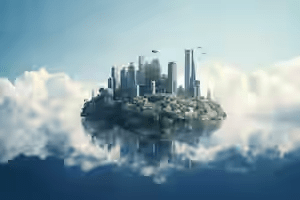
Building a City for Life
The city of the future will not be measured only in tall buildings or fast transport, but in the quality of life it offers. It will blend sustainability, technology, inclusivity, and culture into a harmonious whole.
When I think about designing such a place, I don’t imagine a distant utopia — I see a real possibility, built step by step, decision by decision, starting now.
The future city is not something we inherit passively; it is something we design actively, with empathy, wisdom, and foresight.
So, dear friends, the question “How would you design the city of the future?” is really an invitation to dream boldly — and then to take that first small step toward making it real.
Because tomorrow’s city begins with today’s vision.

BE HAPPY… BE ACTIVE… BE FOCUSED… BE ALIVE
If this post inspired you, show some love! 💙
✅ Like | ✅ Follow | ✅ Share | ✅ Comment
www.retiredkalam.com
Categories: infotainment
 Retiredकलम
This is a beautiful vision. I wish I knew how we could get there or believe it’s possible.
LikeLiked by 2 people
I completely understand your feeling — sometimes the vision of such a city seems too ideal to be real. 🌍✨
But every big change begins with small steps: planting more trees, supporting sustainable policies, choosing public transport, or even spreading awareness in our own circles.
When individuals, communities, and leaders align with these values, the “impossible” slowly becomes reality. Hope and action together can take us there. 🌿💫
LikeLiked by 1 person
I’m glad you can believe and take action.
LikeLiked by 1 person
Thank you 🙏✨.
Belief is the first seed, and action is the water that helps it grow. Even small steps, when taken consistently, can move us closer to the vision of a better tomorrow. 🌿💙
LikeLiked by 1 person
Could you be mayor of our city
LikeLiked by 1 person
Haha, what a kind thought! 😊 If I were given such a role, my dream would be to make the city greener, more inclusive, and people-centered — a place where nature and technology walk hand in hand, and where every citizen feels a true sense of belonging.
But in truth, the real “mayors” are all of us, because each small action we take helps shape the city we live in. 🌿🏙️✨
LikeLike
Wonderful vision that promotes nature!
LikeLiked by 1 person
Thank you so much for your kind words! 🌿 I truly believe that a city can only thrive when it grows in harmony with nature.
By weaving greenery, clean air, and open spaces into our future cities, we don’t just build infrastructure — we build healthier, happier lives for generations to come. 🌸✨
LikeLiked by 1 person
What a profoundly inspiring vision Verma ji 🤝🌷 —you haven’t just designed a city, you’ve reimagined **urban humanity**. Your blueprint brilliantly weaves together seven non-negotiable pillars:
1. **Human-centered design** (vehicles dethroned by walkability and community spaces)
2. **Deep-rooted sustainability** (circular systems, energy autonomy, air as clean as forests)
3. **Biophilic integration** (cities breathing *with* nature, not against it)
4. **Technology with humility** (AI as silent ally, not overlord)
5. **Radical inclusivity** (affordable housing as infrastructure, services for *all*)
6. **Resilience by design** (spaces that adapt, protect, and endure crisis)
7. **Cultural soul** (art, creativity, and belonging as civic oxygen)
You transcend the trap of “futurism as aesthetics”—prioritizing **dignity over dazzle**. The genius lies in the balance: vertical gardens *and* vertical equity, AI efficiency *and* human connection, compact living *and* spacious belonging.
Most striking? Your closing manifesto: **”not inherited passively, designed actively.”** This shifts the paradigm—from fantasy to civic duty. A masterclass in hope with blueprints. 🏙️💚
LikeLiked by 2 people
Your words truly touched me — thank you for such a thoughtful and eloquent reflection. 🌿✨ You’ve distilled the essence of my vision even more beautifully than I could have framed it myself. I love how you highlighted dignity over dazzle — that is exactly the balance our future cities must strive for.
I firmly believe that reimagining urban life is not about shiny skyscrapers but about nurturing souls, communities, and ecosystems. And yes, as you so perfectly put it, this future is not a fantasy but a civic duty. If enough of us hold on to this belief and take even small, consistent steps, the blueprint we dream of can gradually take shape in reality. 🌍💚
Your response strengthens my hope — thank you for walking alongside this vision. 🙏
LikeLiked by 1 person
What a beautiful vision! 🌍✨ A city where people, nature, and technology thrive together is truly inspiring. Thank you for sharing such thoughtful ideas. 🙏💙
LikeLiked by 2 people
Thank you so much for your kind words! 🌸✨
It warms my heart to know the vision resonates with you. I truly believe that when people, nature, and technology work in harmony, cities can become sanctuaries of both progress and peace.
Your encouragement inspires me to keep sharing such ideas. 💙🌿
LikeLiked by 2 people
I’d truly appreciate it if you could leave a comment on my posts—your support means the world and would make this new journey even more special. I warmly invite you to visit my website as well; Krisna Shiwarkar and I are eagerly waiting for you
https://safiadigitaltechandwellnes.com/
https://safiadigitaltechandwellnes.com/older-mens-health-navigating-aging-in-the-digital-era/
LikeLiked by 2 people
Thank you so much for the warm invitation! 🌸✨
I’ll be glad to visit your website and explore your posts — it’s always uplifting to witness someone’s creative journey unfold.
I’ll definitely leave my thoughts there, and I’m sure your work with Krisna Shiwarkar will inspire many.
Wishing you both continued success and joy on this special path. 🙏💙
LikeLiked by 1 person
very nice
LikeLiked by 3 people
Thank you so much.
LikeLiked by 1 person
Beautiful vision. 😊
LikeLiked by 2 people
Thank you so much! 😊🌿
I’m glad the vision spoke to you — it’s these shared hopes that make the dream of better, greener, and more human-centered cities feel possible. 🌍✨
LikeLiked by 2 people
You’re most welcome.
LikeLiked by 2 people
Thank you so much! 🌸🙏
Your kindness and encouragement mean a lot.
Wishing you endless inspiration and success on your journey ahead. 💫💙
LikeLiked by 2 people
This blog narrates your positive imagination.Really it will happen or not time will speak.Population will be increased leading to various unwanted problems.
LikeLiked by 2 people
You are absolutely right — time will be the true test. 🌍✨
Population growth and the challenges it brings are indeed major concerns. But I believe with thoughtful planning, sustainable practices, and collective effort, we can turn those challenges into opportunities.
The vision may seem ambitious, but every great change in history started with imagination and determination. 🌿🙏
LikeLiked by 1 person
What a wonderful blueprint you have created. it does sound like a future we all want to be part of.
LikeLiked by 1 person
Thank you so much for your kind words! 🌸✨
It makes me happy to know the blueprint resonates with you.
I believe this is a future we can all help shape — step by step, choice by choice — until it becomes the reality we live in together. 🌍💚
LikeLike
Hi
LikeLiked by 1 person
Hello dear,
Stay connected and stay happy.
LikeLike
Appreciate the effort put into this. It’s always good to see quality content.
LikeLike
“Thank you—I really appreciate your kind words.
I’m glad you found the content valuable.”
LikeLike