
Hello dear friends,
I hope this blog finds you in a cheerful and peaceful state of mind.
Today’s writing prompt question gently nudges us to pause and reflect: “Do you practice religion?”
A simple question at first glance, but it leads us down the path of deeper self-inquiry. Before we can answer that question, perhaps we need to ask: What does religion truly mean?
In modern times, the word religion often carries a weight of formality, sometimes even controversy.
But strip it down to its essence, and you’ll find something deeply beautiful:
a system of belief and practices designed to connect us to something greater than ourselves—be it God, nature, the cosmos, or the higher self.
As for me, yes, I follow my religion. But not merely by rituals or customs passed down blindly.
I strive to understand the spirit behind them. I believe religion, at its best, is not dogma—it is dharma, a way of righteous living, compassion, and truth.
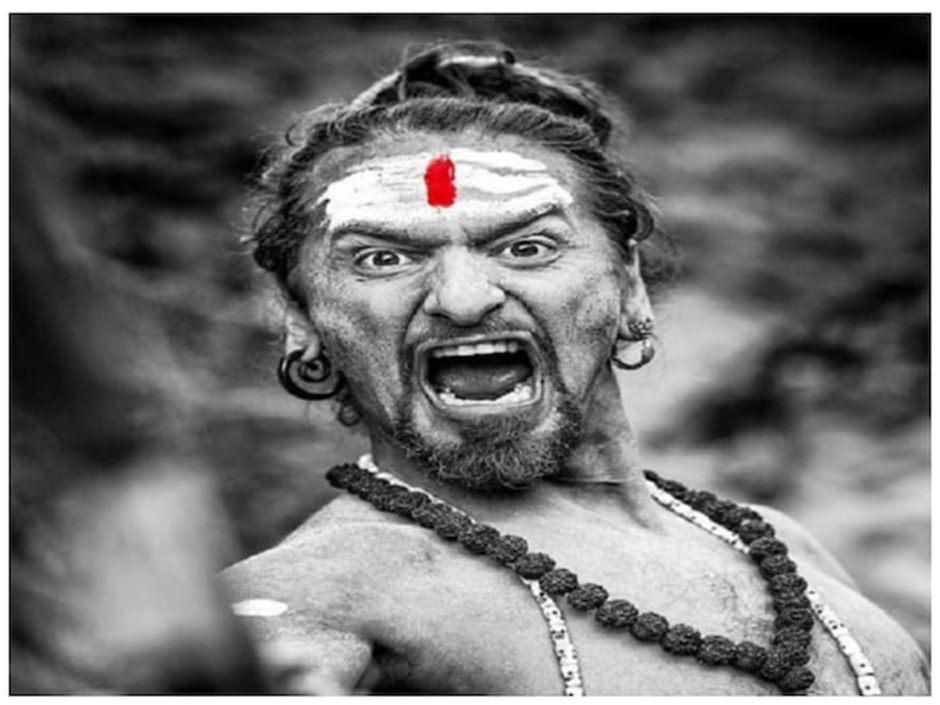
Understanding the Real Meaning of Religion
The English word “religion” stems from the Latin religare, which means “to bind” or “to reconnect.” It suggests a return—a reunion of the soul with its source.
It implies that we are not isolated islands but a part of an eternal ocean of consciousness.
In Sanskrit, the closest equivalent to “religion” is “Dharma,” which doesn’t mean religion in the Western sense.
Dharma is the moral order, the law of life, the path that sustains and upholds the universe. It is deeply personal and doesn’t always require a temple or mosque or church.
That’s why Lord Krishna, in the Bhagavad Gita, says:
“One’s own dharma, though imperfectly performed, is better than the dharma of another performed perfectly.”
This implies that each soul has its own path, and living authentically is more important than conforming to labels.
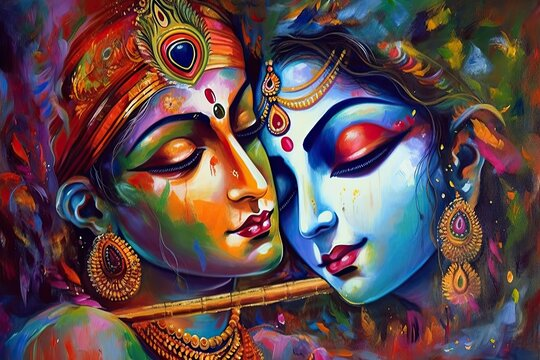
Do I Practice Religion? … Yes—but in My Way
I was born into a Hindu family, and I honor its teachings. But more than the rituals, I try to embrace the values that my faith encourages—truth, non-violence, compassion, and inner inquiry.
In the morning, I light a lamp. But it’s not just about fire—it’s a symbol of knowledge. I chant prayers not just for divine blessings but to calm the mind and purify the heart.
I read the Gita not for religious pride, but for spiritual clarity. And I greet others with “Namaste,” acknowledging the divinity within them.
Practicing religion, to me, is not limited to visiting temples. It’s in helping a stranger, forgiving a hurt, sitting in silence, or marveling at a sunrise. It is in remembering that God is not outside—He resides within.

Lesser-Known Facets of Religion
Let me share a few lesser-known but fascinating insights:
- Ancient Greeks and Romans didn’t have a word for “religion.” Their beliefs were woven into every aspect of life—agriculture, war, politics. There was no division between sacred and secular.
- In Buddhism, there’s no concept of a personal God, yet it is one of the most practiced religions in the world. It teaches a path of self-awareness, ethical conduct, and meditation.
- Sikhism, though born in India, abolished the caste system and emphasized equality centuries ago. The community kitchen (Langar) serves free meals to anyone, regardless of religion.
- Jainism’s vow of non-violence (Ahimsa) is so deep that devout followers filter water and walk with care to avoid harming even the tiniest of creatures
. - In Sufism (the mystical branch of Islam), love is the pathway to God. The whirling dervishes of Turkey dance in ecstasy, seeking union with the Divine.
Isn’t it remarkable? Despite differences in form, all religions sing the same song of surrender, love, service, and self-realization.

The Inner Compass
In today’s world, people often argue for or against religion. But I believe we need to shift the question: Does your practice make you a better human being?
If it makes you more loving, forgiving, ethical, and joyful—then yes, you are practicing true religion, regardless of labels.
Albert Einstein once said, “Science without religion is lame, religion without science is blind.” Even the rational mind, when it reaches its limits, must bow to mystery.
My final thought
So dear friends, as I sit with my evening tea, looking at the fading sunlight, I ponder again:
Yes, I do practice religion—but not as a duty, rather as a path of transformation.
I strive to be kind, to see the divine in others, to listen more, and to judge less.
I may not know every mantra by heart, but I try to live with a heart full of gratitude. And perhaps, that is the purest religion of all.
What does religion mean to you, dear reader? I’d love to hear your thoughts in the comments.
Until next time,
Vijay Verma
✍️ retiredkalam.com
Categories: infotainment
 Retiredकलम
Impressive review ..all religions believe in God ,,,,having different names ! And all teachings are for instilling humanity in human beings.👍🏽
LikeLiked by 2 people
Thank you so much for your kind and thoughtful words! 🙏🏽
You’re absolutely right—all religions, at their core, believe in one supreme power, even though they may call it by different names—Ishwar, Allah, God, Waheguru, Buddha, or Ahura Mazda. These names may vary, but the essence remains the same: love, compassion, and righteousness.
It’s truly beautiful how every faith ultimately strives to instill humanity, kindness, and inner awakening in us. If we follow these values with sincerity, we naturally rise above divisions and embrace the spirit of unity.
Let us continue to walk on this path of understanding, tolerance, and peace—because that is the true practice of religion. 🌸
Thanks once again for your warm encouragement!
LikeLiked by 2 people
I am skeptical of religion, this was enlightening
LikeLiked by 3 people
Thank you for your honest and open response. 🙏🏽
It’s completely natural to feel skeptical about religion—especially in a world where its misuse often overshadows its essence. I truly appreciate that you gave the blog a read with an open mind.
My intention wasn’t to promote any particular belief, but rather to explore how religion—when understood beyond rituals and dogma—can simply be a guide toward compassion, self-reflection, and peace.
At its heart, it’s less about doctrine and more about human values.
LikeLiked by 1 person
very nice
LikeLiked by 2 people
Thank you so much.
LikeLiked by 1 person
Beautifully described! 🙂
LikeLiked by 2 people
Thank you so much for your kind words! 🙂
I’m truly glad the message resonated with you. Sometimes, when we take a step back and look at the deeper meaning behind our beliefs,
everything feels more connected and purposeful.
Your appreciation encourages me to keep sharing such reflections.
Let’s continue exploring these meaningful questions together—because every thoughtful conversation brings us closer
to understanding ourselves and the world around us. 🌼🙏🏽
LikeLiked by 2 people
I enjoyed this post very much.
LikeLiked by 2 people
Thank you so much! 😊
I’m truly happy to hear that you enjoyed the post. It means a lot to know that the thoughts and reflections resonated with you. These kinds of heartfelt connections and shared understandings make writing so rewarding.
Your support keeps the inspiration flowing! 🌿🙏🏽
LikeLiked by 2 people
The Sonar caste, traditionally known for its association with goldsmithing and jewelry making, holds a distinctive place in the social and cultural fabric of India. The word “Sonar” or “Sunar” is derived from the Sanskrit word “Suvarna,” meaning gold, reflecting the community’s age-old expertise in working with precious metals. Over centuries, the Sonars have built a reputation for their craftsmanship, artistry, and precision, making them one of the most respected artisan groups in Indian society.
https://www.indianetzone.com/sonar_hindu_caste
LikeLiked by 1 person
A very well-articulated and informative write-up! 👏
You’ve beautifully captured both the linguistic and cultural essence of the Sonar community. The connection you drew between “Suvarna” and the Sonars’ traditional artistry highlights not only their craftsmanship but also their enduring contribution to India’s rich heritage.
Your description honors their skill and legacy with both accuracy and grace — truly a thoughtful portrayal of a community that has turned art into tradition. 🌿
LikeLike