


Hello dear friends,
Superstitions are fascinating aspects of human behavior, blending cultural traditions, psychological mechanisms, and personal experiences.
They often serve as a lens through which we navigate uncertainty and seek control over our lives.
Understanding Superstition
Superstitions are beliefs or practices that arise from the assumption that certain actions or events can influence unrelated outcomes.
Common examples include avoiding black cats, refraining from walking under ladders, or carrying lucky charms. These beliefs persist across cultures and generations, often defying logical explanation.
The Psychological Underpinnings
Psychologically, superstitions can be attributed to the human tendency to recognize patterns and seek control in uncertain situations.
This phenomenon, known as “patternicity,” leads individuals to associate specific behaviors with outcomes, even when no causal link exists.
Engaging in superstitious rituals can provide comfort and reduce anxiety by offering a sense of predictability and control.
For instance, athletes might follow strict routines before competitions, believing these actions enhance performance, thereby reducing stress and boosting confidence.
Cultural Variations
Superstitions vary widely across cultures, reflecting diverse histories and values. In many cultures, spilling salt is considered bad luck, leading to the counter-ritual of tossing a pinch over one’s shoulder to ward off misfortune.
In Chinese culture, gifting a knife is thought to sever relationships unless a coin is exchanged in return.
These cultural nuances highlight how superstitions are deeply embedded in societal norms and practices.

Personal Anecdote: The Tale of the Lucky Shirt
Reflecting on my own experiences, I recall a period two decades ago during the computerization of our bank branch.
Amid technological transitions and staff apprehensions, I clung to certain superstitions for comfort.
One such belief was avoiding new clothes, fearing they might usher in bad luck. This led me to wear the same outfit for an entire week on occasions.
During this time, a domestic mishap left me with no clean shirts except for two brand-new ones, which I hesitated to wear due to my superstition.
In my search, I found an old shirt given to me by a friend on a rainy day when I got drenched. This shirt had since become a symbol of good fortune.
Wearing it to the bank that day, I received unexpected praise for my work, reinforcing my belief in its luck.
This shirt became my talisman, accompanying me through various professional milestones until it wore out and was repurposed by my wife, marking the end of its journey as my lucky charm.
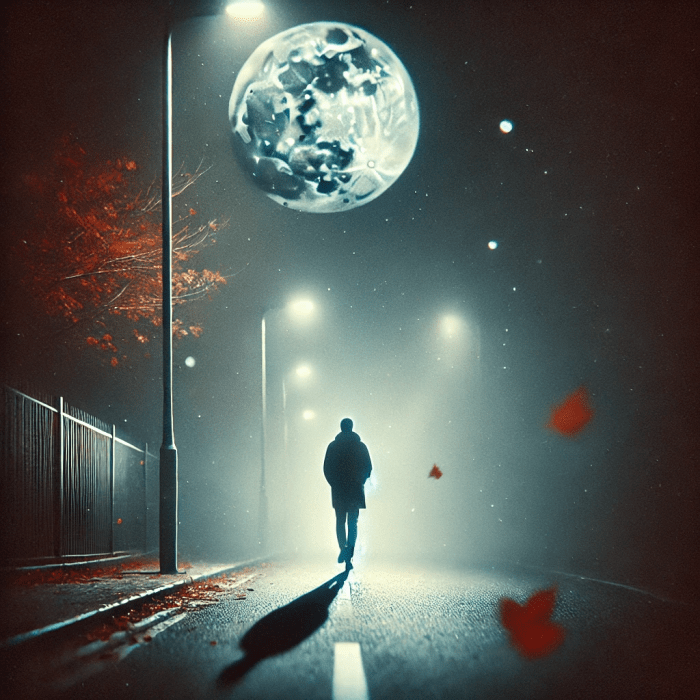
The Fine Line Between Harmless and Harmful Superstitions
While many superstitions are benign and can provide psychological comfort, they can become problematic when they lead to avoidance behaviors or heightened anxiety.
For example, a study found that individuals with strong paranormal beliefs reported higher distress levels and reduced ability to cope with stress.
This suggests that while superstitions can offer short-term relief, they may contribute to long-term stress if they become pervasive.
Superstitions in Modern Society
Despite advancements in science and technology, superstitions remain prevalent. Surveys indicate that a significant portion of the population adheres to various superstitious beliefs and practices.
For instance, a survey revealed that 72% of New Yorkers engage in New Year’s Eve rituals, such as wearing lucky clothing or sharing a midnight kiss, to attract good fortune.
Additionally, superstitions can influence consumer behavior, with some individuals avoiding certain products or activities due to associated beliefs.
Balancing Belief and Reason
Navigating the space between superstition and rationality involves self-awareness and critical thinking.
Recognizing the psychological comfort that superstitions provide can help individuals make conscious choices about their beliefs and behaviors. It’s essential to assess whether a superstition enhances one’s life or imposes limitations.
For instance, while carrying a lucky charm may boost confidence, avoiding necessary medical treatment in favor of superstitious practices can be detrimental.

It reflects our innate desire
Superstitions are intricate threads woven into the fabric of human culture and psychology. They reflect our innate desire to find patterns, exert control, and seek comfort amidst uncertainty.
By understanding the origins and impacts of our superstitious beliefs, we can appreciate their role in our lives while ensuring they don’t hinder our growth or well-being.
Dear friends, what about you? Are you superstitious? Do you have any lucky charms or rituals that you follow? Or do you firmly believe that life is purely governed by reason and logic?
I would love to hear your thoughts. Let us continue to explore the fascinating ways in which our minds work, and may we always find the perfect balance between belief and reason.

BE HAPPY….BE ACTIVE….BE FOCUSED….BE ALIVE…
If you liked the post, please show your support by liking it,
following, sharing, and commenting.
Sure! Visit my website for more content. Click here
Categories: infotainment


Very interesting thoughts, thanks for sharing! 😊
LikeLiked by 3 people
Thank you so much for your kind words!
I’m thrilled to hear that you found the insights on superstitions engaging. It’s fascinating how these beliefs shape cultures worldwide.
If you have any personal superstitions or stories you’d like to share, I’d love to hear them! Let’s continue exploring this intriguing topic together.
LikeLiked by 1 person
great post
LikeLiked by 1 person
Thank you so much.
Your words mean a lot.
LikeLiked by 1 person
very nice
LikeLiked by 2 people
Thank you so much.
LikeLiked by 1 person
amazing post
LikeLike
Thank you so much for your kind words.
Your words mean a lot.💕
LikeLike
best
LikeLiked by 2 people
Thank you for your kind words💕
I’m delighted you enjoyed the discussion on superstitions. If you have any personal experiences or beliefs you’d like to share, feel free to do so.
Let’s continue exploring these fascinating cultural traditions together!
LikeLiked by 1 person
Good Post👋
LikeLiked by 1 person
Thank you so much.
Your words mean a lot for me.
LikeLiked by 1 person
amazing
LikeLiked by 1 person
Thank you so much.
Your words mean a lot for me.
LikeLiked by 1 person