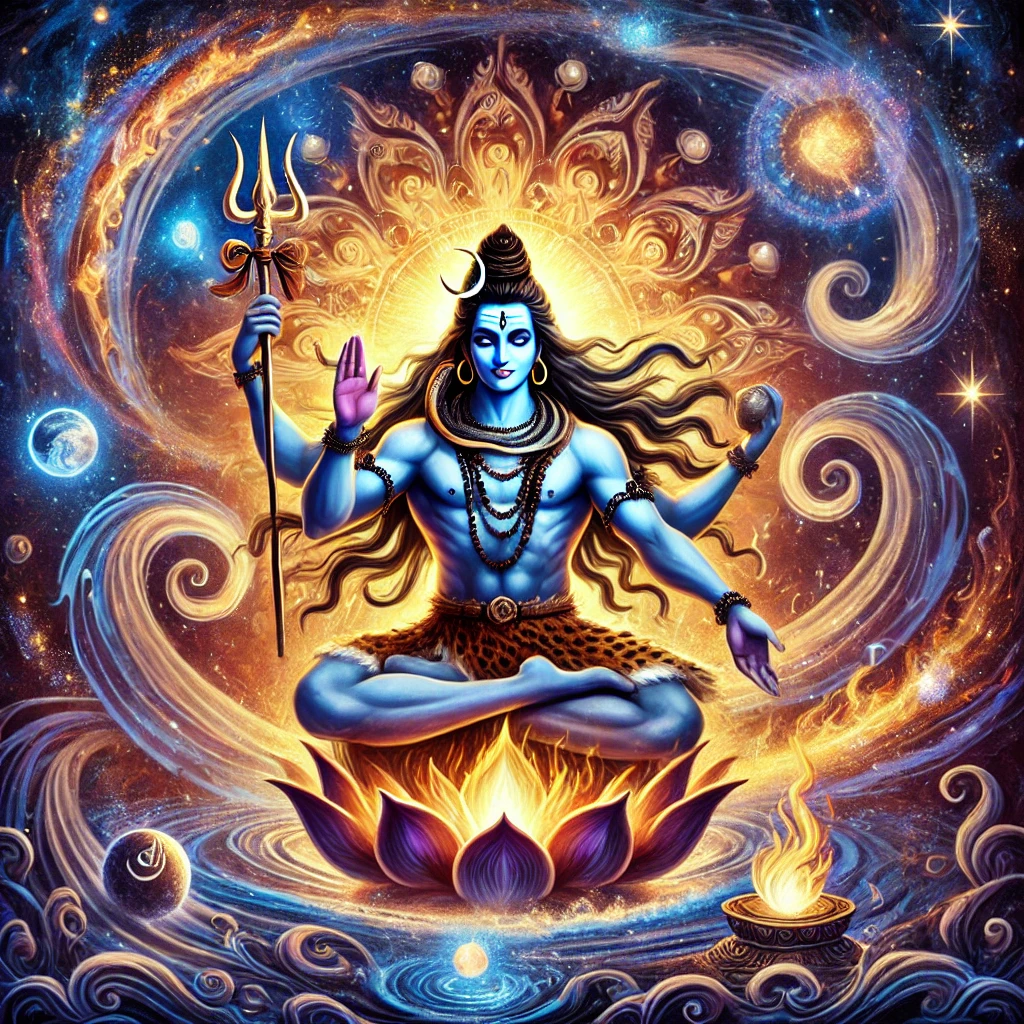
The Night of Awakening and Divine Energy
Maha Shivaratri, one of the most revered festivals in Hinduism, is not just a celebration but a profound spiritual event dedicated to Lord Shiva, the supreme deity of transformation and destruction.
Unlike other Hindu festivals, which are often characterized by grand feasts and vibrant daytime rituals, Maha Shivaratri is observed through night-long vigils, fasting, and deep meditation, symbolizing the victory of light over darkness and ignorance.
In 2025, Maha Shivaratri falls today, a Wednesday, marking the divine union of Lord Shiva and Goddess Parvati.
This festival is a night of great cosmic significance, believed to be a time when divine energies are at their peak, offering devotees the opportunity to connect with their inner consciousness.
The Deeper Significance of Maha Shivaratri
Maha Shivaratri translates to “The Great Night of Shiva.” It is believed that on this night, the alignment of planetary positions enhances spiritual vibrations, making it an ideal occasion for meditation and self-reflection.
Devotees chant mantras, perform pujas, and offer prayers to Lord Shiva, seeking his blessings for prosperity, inner peace, and liberation from the cycle of birth and death.
Fasting on Maha Shivaratri is not merely an act of devotion but also a means to detoxify the body and discipline the mind.
Many devotees observe a strict fast, consuming only water and fruits, while others follow a partial fast with light vegetarian meals. I am also fasting today to celebrate Maha Shivratri.
Lesser-Known Facts About Maha Shivaratri
1. The Celestial Dance of Shiva
One of the most fascinating legends associated with Maha Shivaratri is that Lord Shiva performed the divine cosmic dance, the ‘Tandava,’ on this sacred night.
The Tandava is said to represent the cycle of creation, preservation, and destruction, encapsulating the essence of the universe’s rhythm.
2. The Shiva Lingam and Its Mysterious Glow
The Shiva Lingam, the symbolic representation of Lord Shiva, is worshipped with great devotion on Maha Shivaratri.
Interestingly, there are beliefs that certain Shiva Lingams emit a natural radiance or glow on this night, signifying the divine presence of Shiva.
3. The Story of the Hunter and the Bilva Leaves
A lesser-known tale recounts the story of a hunter who unknowingly worshipped Lord Shiva on Maha Shivaratri.
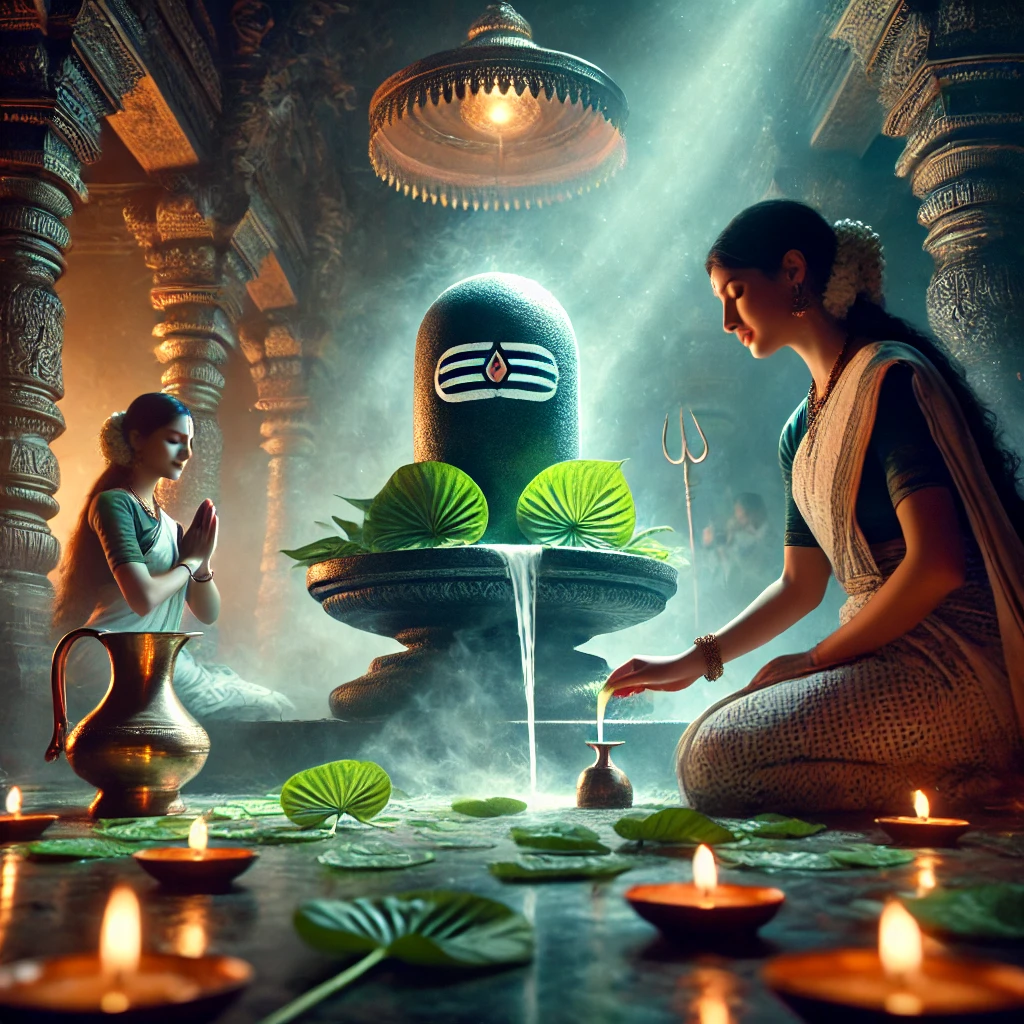
The hunter, unaware of the significance of the day, spent the night on a Bilva tree, shedding its leaves onto a Shiva Lingam beneath.
This unintentional act of devotion pleased Lord Shiva, who granted the hunter liberation (moksha). This story emphasizes that even unknowing devotion can yield divine blessings.
4. Why Shivaratri Is Observed at Night
Unlike most Hindu festivals, which take place during the day, Maha Shivaratri is celebrated throughout the night.
According to Hindu scriptures, the night is symbolic of the ignorance that shrouds human beings, while staying awake and chanting Shiva’s name signifies enlightenment and self-awareness.
5. The Scientific Connection
Modern science suggests that the gravitational forces on the night of Maha Shivaratri impact the human body in a unique way.
Spiritual experts believe that on this night, the human spine naturally aligns itself in a way that enhances energy flow, making meditation particularly effective.
6. The Role of the Ganges in Shivaratri Rituals
Offering water, especially from the sacred Ganges River, to the Shiva Lingam is considered highly auspicious on Maha Shivaratri.
According to mythology, when Shiva held the mighty Ganges in his matted locks to prevent its catastrophic descent on Earth, he blessed the river with divine purity.
Celebrations Across India
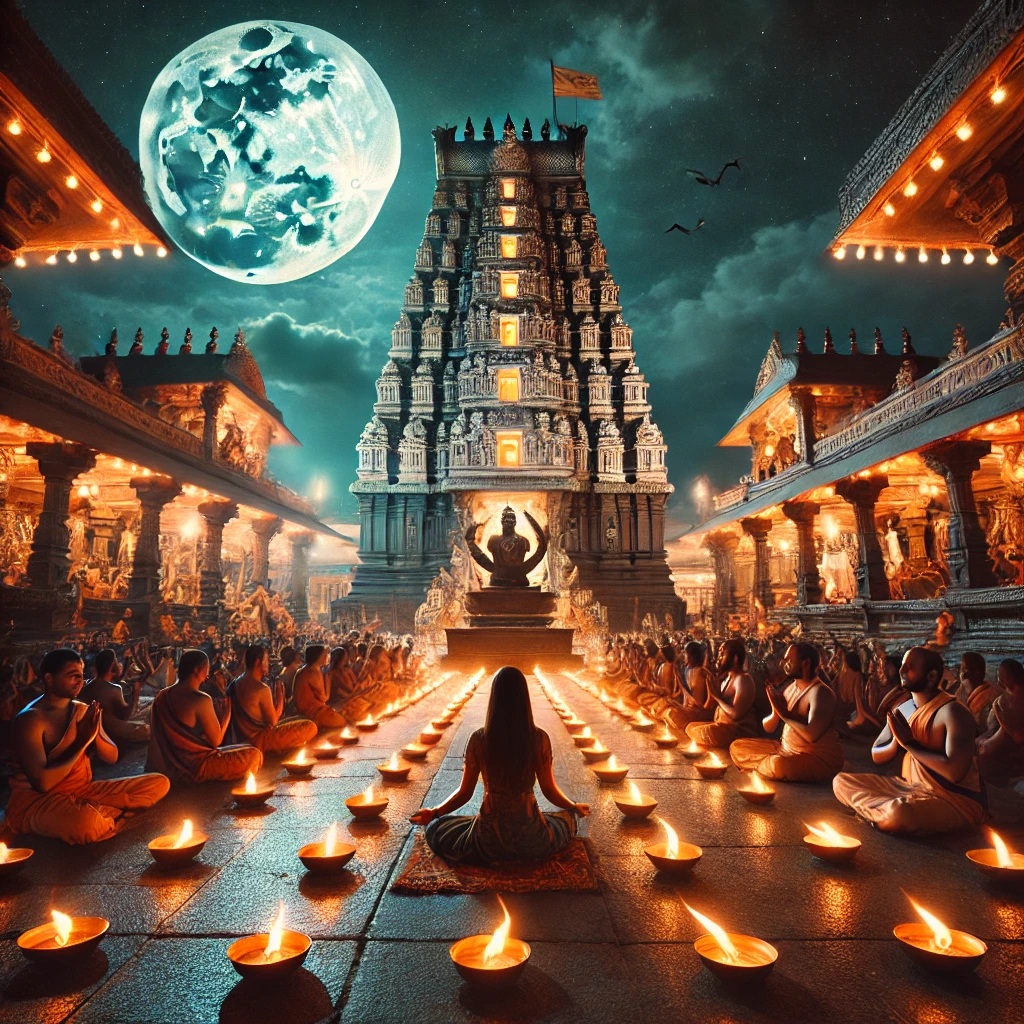
While Maha Shivaratri is observed throughout India, some places hold unique traditions:
- Ujjain, Madhya Pradesh: The Mahakaleshwar Temple in Ujjain sees grand celebrations, with thousands of devotees gathering to witness the special Bhasma Aarti (offering of sacred ash).
- Varanasi, Uttar Pradesh: The city of Shiva comes alive with deep chants of ‘Har Har Mahadev,’ processions, and temple rituals.
- Kashmir: Kashmiri Pandits celebrate Maha Shivaratri as ‘Herath,’ a festival symbolizing abundance and prosperity.
The Path to Self-Realization
Maha Shivaratri is not merely about external rituals but an opportunity to delve deep into one’s consciousness.
It is a night of self-discipline, self-control, and devotion. It reminds us that Shiva, as the supreme Yogi, embodies the principles of detachment, wisdom, and cosmic balance.
As we observe Maha Shivaratri in 2025, let us take a moment to reflect, meditate, and embrace the path of righteousness.
The night offers a chance to dissolve our ego, seek inner peace, and align ourselves with the boundless energy of the universe.
May Lord Shiva bless all with wisdom, tranquility, and spiritual awakening!
Om Namah Shivaya!
Categories: infotainment
 Retiredकलम
Om namah shivay🙏
LikeLiked by 3 people
Happy Maha Shivaratri.
LikeLiked by 2 people
Jai bolenath 🙏🏻🙏🏻🙏🏻
LikeLiked by 3 people
हर हर महादेव |
LikeLiked by 2 people
महाशिव रात्रि की हार्दिक शुभकामनाएँ सर जी 🙏🏻
LikeLiked by 4 people
आपको भी महा शिवरात्रि की हार्दिक शुभकामनाएं।
LikeLiked by 1 person
Thank you for telling us about this reverent and extraordinary Night of Divine Energy.
LikeLiked by 3 people
You’re most welcome!
Maha Shivaratri is truly a night of divine energy, introspection, and spiritual awakening. May Lord Shiva’s blessings bring peace, wisdom, and positivity into your life.
Har Har Mahadev! 🙏✨
LikeLiked by 3 people
Such a fascinating post!
LikeLiked by 2 people
Thank you so much!
I’m glad you found it fascinating.
Maha Shivaratri is truly a night of spiritual power and devotion.
May Lord Shiva bless you with strength and wisdom. 🙏✨
Har Har Mahadev!
LikeLiked by 2 people
Thank you so much for your beautiful reply ❣️
LikeLiked by 2 people
You’re very welcome.💕
I’m truly grateful for your your appreciation and support. ❣️✨
LikeLiked by 2 people
I am not religious yet find religion and faith fascinating. My daughter is ready to head into Ramadan. I have always wondered where and how fasting became an observance.
LikeLiked by 3 people
That’s a wonderful perspective.💕
Religion and faith indeed hold deep cultural and historical significance. Fasting, as an observance, has been practiced across various traditions for centuries—often symbolizing self-discipline, purification, and spiritual connection.
From Maha Shivaratri to Ramadan, and even Lent in Christianity, fasting serves as a way to reflect, grow, and find inner strength.
Wishing your daughter a meaningful and blessed Ramadan! 🌙✨
LikeLiked by 1 person
Happy Maha Shivaratri.
LikeLiked by 2 people
Happy Maha Shivaratri.
LikeLiked by 1 person
Nice blog on Mahashivratri .Lot of information, facts enrich the blog.
LikeLiked by 2 people
Thank you so much, dear.
Har Har Mahadev.
LikeLiked by 1 person
Loved reading this! Mahashivaratri is such a powerful festival, both spiritually and scientifically. One of the things that intrigue me is how the vibrations of Shiva mantras align with meditation practices. I recently wrote about this aspect—feel free to check it out here: https://mythmeetsreality.wordpress.com/2025/02/17/maha-shivratri-2025-the-night-of-divine-awakening/
LikeLiked by 1 person
That sounds absolutely fascinating!
Maha Shivaratri indeed holds deep spiritual and scientific significance, and the vibrations of Shiva mantras have a profound impact on meditation and consciousness.
I’d love to read your insights on this—thank you for sharing! 🙏✨ Har Har Mahadev!
LikeLiked by 1 person