


Hello, dear friends,
I hope this blog finds you well and in good spirits. Today’s writing prompt question really piqued my interest: “What historical event fascinates you the most?”
Although I am not a student of history, but there is one event that captivates my thoughts—the Partition of India in 1947. Let’s delve into this momentous chapter.
The Dawn of Freedom and Division
The 15th of August 1947 is remembered and celebrated as India’s independence day. Yet, behind the celebratory spirit lies a bittersweet truth.
Partition marked the end of British colonial rule, dividing India into two separate nations: India and Pakistan.
What fascinates me most about this event is the paradox of independence—freedom from colonial rule was won at the staggering cost of division, displacement, and loss.
What makes the Partition particularly complex is the scale of human suffering it entailed. Over 15 million people were displaced in what became the largest mass migration in recorded history.
People of different faiths—Hindus, Muslims, Sikhs—were forced to flee their homes, carrying with them the bare essentials, unsure if they’d ever see their loved ones again.
This chaotic displacement gave rise to one of the most heart-wrenching refugee crises of the 20th century.

Human Stories Amidst the Chaos
The deeply personal stories emerging from Partition are both haunting and inspiring. Families were separated, communities dissolved, and lives lost.
People boarded crowded trains—many not reaching their destinations, as horrific violence erupted along the routes. Amidst this chaos, however, there were stories of humanity that resonated deeply.
One lesser-known aspect of the Partition is the widespread practice of setting up refugee camps in both nations. People often had to live in these camps for years before they could rebuild their lives.
Even within the camps, though, people showed remarkable resilience, sharing food, resources, and shelter with strangers of all faiths.
In such times, bonds of empathy and compassion emerged, proving that even in the midst of despair, human kindness prevailed.
Some even risked their own lives to protect people of different faiths—a powerful testament to the spirit of shared humanity.

Partition’s Lasting Impact on Culture and Identity
Partition didn’t just divide land; it split cultures, languages, and art. Bollywood, India’s film industry, became a platform to capture Partition’s emotional toll, and countless stories in literature were dedicated to preserving memories of that era.
Writers like Saadat Hasan Manto and Khushwant Singh poignantly portrayed the agony of separation and the hope for a future reconciliation. Their works remain timeless, illuminating the shared trauma that both nations endure.
Interestingly, the Partition also influenced the food culture of the region. Many dishes popular in Indian and Pakistani cuisine, like Punjabi tandoori and Amritsari fish, became cross-border delicacies.
While geographical boundaries were redrawn, the culture and culinary legacy of the subcontinent managed to bridge the divide, underscoring the shared heritage of the two nations.
Reflections on Resilience and Reconciliation
The resilience of Partition survivors is one of the most awe-inspiring aspects of this historical event.
Many survivors rebuilt their lives from scratch, driven by a determination to create new homes and find solace in communities of support.
Their strength is a testament to the human spirit’s ability to endure hardship and rise from tragedy.
In recent years, efforts to document survivor stories have gained momentum, especially through projects like the Partition Museum in Amritsar, India, and the 1947 Partition Archive.
These initiatives serve as bridges between India and Pakistan, fostering understanding and reconciliation.
By preserving memories and artifacts, they remind us of the importance of peace, compassion, and resilience.

Lessons from History
The Partition of India was a traumatic event that left a lasting imprint on both nations. Its history offers lessons that resonate even today, reminding us of the perils of division and the profound resilience of the human spirit.
Learning about the Partition fosters empathy, bridging gaps across communities and nurturing a shared understanding of our collective past.
It is in these stories of resilience and reconciliation that we find hope—a hope for a future where history serves not as a wound but as a guide toward unity and peace.
Partition fascinates me because it encourages us to remember and reflect, pushing us to create a better future—one based on compassion, understanding, and our shared humanity.
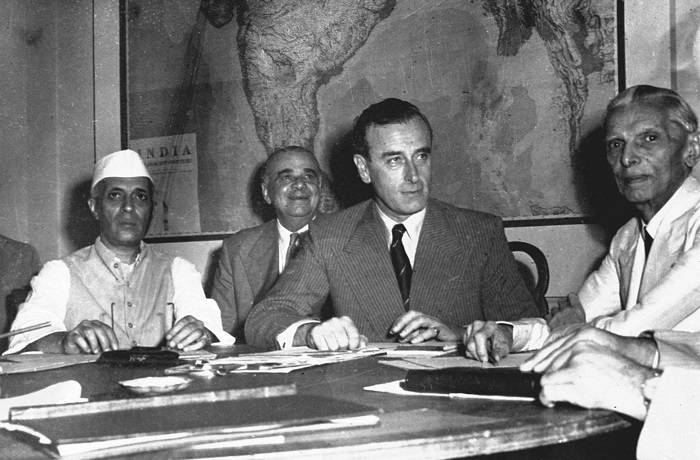
The Bitter-Sweet Dawn
Categories: infotainment


Indians think of this event as partition but Pakistani think of it as independence. In a country of Hindu majority, Muslims would never have equal rights. Even now the slaughter of a cow on Eid-ul-Adha sparks waves of violence and killing of Muslims. The job opportunities and the way Muslims want to live observing their religion and culture are also limited. Take for instance your top rated actors like Shahrukh, Amir and Salman khan. They are either married to Hindu women ( that’s not allowed in Islam) or have never proclaimed their Muslim identity because they would lose their popularity. In Pakistan, people may be poor and oppressed also, but at least they can openly celebrate their religion. I’m sorry if this remark hurts you nationalism but it’s the truth. Both my paternal grandparents and my in-laws migrated from India in 1947.
LikeLiked by 2 people
Thank you for sharing your emotions so openly. The impact of 1947 is indeed profound, affecting personal and national identities on both sides, with each perspective carrying its own truths. Partition embodies both freedom and loss, and for many, a complex blend of both. The challenges of preserving cultural and religious identity are deeply felt, and it’s essential to honor the sacrifices of families, like yours, who sought places to live in alignment with their values.
The perception of equality and rights is nuanced, and while every country faces its own struggles, India’s constitution ensures equal rights to all citizens, aiming to minimize barriers to growth caused by extremism. The struggles that Pakistan faces economically today also remind us of the critical importance of unity and peace for progress. And beyond popular figures like Salman and Shahrukh Khan, India has honored many Muslim figures, like Dr. APJ Abdul Kalam, for their contributions, showing that respect for talent and integrity transcends religious boundaries.
Conversations like these help build empathy and bridge divides, reminding us of our shared humanity despite our different paths. Thank you again for sharing; these reflections encourage greater understanding and connection between us.
LikeLiked by 2 people
Thanks Vijay for understanding my point of view.
LikeLiked by 2 people
Thanks again for sharing your perspective so openly.
I appreciate the opportunity to listen and understand—it’s through these honest exchanges that we can build greater empathy and respect.
Different experiences shape each of our viewpoints, and discussions like this remind us of the importance of connection beyond borders.
I’m grateful for the chance to engage in this dialogue with you.
LikeLiked by 2 people
My pleasure Vijay. I’ve met many Indians during my stay in Seattle who had a similar take on the Independence Day/ partition of Pakistan- India. One person, a doctor insisted that we had so much in common that we still should be one country. And though I do agree that we have a common culture, cuisine and mostly spoken language, we still have established ourselves as individual countries.
LikeLiked by 2 people
It’s wonderful to hear about the connections you’ve made in Seattle and the meaningful conversations you’ve had.
Indeed, the shared cultural threads between India and Pakistan are undeniable—our food, languages, music, and traditions
often reflect a common heritage.
While the idea of unity can be heartwarming, it’s also true that both countries have forged unique identities and national paths since Partition. Recognizing both our shared past and our individuality is perhaps the best way to appreciate the richness of both nations. Conversations like these are a testament to the bonds that still connect us, even as we stand as independent countries. Thank you for sharing your insights!💕
LikeLiked by 2 people
My pleasure
LikeLiked by 2 people
Good night.
Sweet dreams.
LikeLiked by 2 people
Good morning,
Have a nice day.
LikeLiked by 2 people
Thanks 😊
LikeLiked by 2 people
Stay happy and blessed.
LikeLiked by 1 person
🙏🏼 Happy Diwali to you and yours
LikeLiked by 1 person
People come together in times of need, a very traumatic time.
LikeLiked by 3 people
Absolutely,
it’s remarkable how people come together during the most challenging times. Traumatic events like the Partition reveal not only the depths of human suffering but also the incredible power of compassion and unity.
When people put aside differences to support one another, they show us that, even in the darkest moments, humanity’s light shines through. It’s a reminder that we’re all connected, especially in times of need.
LikeLiked by 2 people
Nice post! If you wouldn’t mind, subscribe for very cheap to our blog at the homepage neuralaym.com for unique neurological tales! Save over $20,000 then you would in college or at the doctor’s office by subscribing today!!
LikeLiked by 1 person
Again, not trying to promote my blog to you. Just spreading the word. Love the post!!
LikeLiked by 1 person
Thank you so much.
LikeLike
Thank you so much.
LikeLike