
Osteoporosis: Lifting the Veil on the Silent Bone Thief
Osteoporosis is a debilitating disease that often creeps up silently, causing bones to become so frail that even a simple sneeze or minor fall can result in devastating fractures.
Despite being underdiagnosed and undertreated, osteoporosis affects millions worldwide, and its impact on older adults is both immense and largely preventable.
As World Osteoporosis Day (WOD) is celebrated every October 20, it’s crucial to spread awareness about this condition and highlight lesser-known facts that could save lives.
Understanding your risk is key
Using World Osteoporosis Day to discuss your risk factors is one of the many reasons for the day. People are living longer today than ever before because of medical innovations.
That’s why you want to have the best quality of life possible as you age. Getting educated on your risk factors is a big step in osteoporosis prevention.
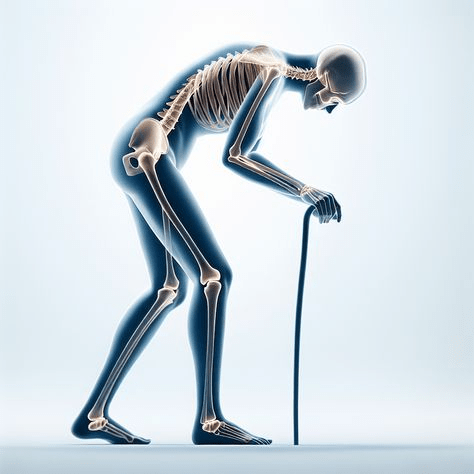
Getting tested can save a life
Using World Osteoporosis Day to understand what your bones do in the body and all the ways you can keep them strong can save your life.
Use this day to talk to professionals about the best way to strengthen your body or to begin treatments if necessary.
Start strong, live strong
You don’t have to be a weightlifter to have healthy bones. Learn what foods add to bone density and what daily practices to have so that you live your best life on World Osteoporosis Day and all the days to come.
The Hidden Risks of Osteoporosis
For many, the risk of osteoporosis is far more personal than they may realize. Factors like aging, family history, and hormonal changes—particularly in postmenopausal women—are well-known contributors.
However, few people know that prolonged use of certain medications, such as corticosteroids or anticonvulsants, can also significantly weaken bone density over time.
Diseases like rheumatoid arthritis and even long-term depression have been linked to a higher likelihood of developing osteoporosis.
Surprisingly, this disease doesn’t just strike the elderly. Younger individuals who lead sedentary lifestyles, smoke, or consume excessive alcohol are at increased risk too.
For those living in countries where dairy is not a primary source of nutrition, inadequate calcium and vitamin D intake can make the bones fragile, paving the way for future issues.
Thus, understanding these hidden risk factors and discussing them with a healthcare provider is vital.

The Global Impact: A Looming Crisis
Osteoporosis is not just a local or regional issue— it’s a global health crisis. In fact, the Asia-Pacific region alone is projected to see over 319 million people at high risk of osteoporotic fractures in the next two decades.
Countries like India and Malaysia are stepping up awareness efforts, yet many regions remain undereducated about the disease.
For instance, despite the high prevalence of osteoporosis, 80% of patients who suffer fractures due to the condition remain undiagnosed or untreated, according to the International Osteoporosis Foundation (IOF).
One reason for this underdiagnosis is that osteoporosis is a “silent disease”—bone loss occurs without symptoms.
Many individuals don’t realize they have it until they’ve already suffered a fracture, which can lead to chronic pain, disability, or even life-threatening complications.

Bones Aren’t Just for Structure
Bones serve a myriad of purposes beyond providing structural support. They store minerals such as calcium and phosphorus, which are released into the bloodstream when needed.
But here’s a fascinating lesser-known fact: bones also produce osteocalcin, a hormone that plays a role in regulating blood sugar levels and fat deposition.
Osteoporosis interferes with these processes, contributing not only to frailty but also potentially affecting metabolism in ways that are still being studied.
Nutrition: More Than Just Milk
When people think about bone health, they often focus on calcium, typically found in dairy products. However, many other essential nutrients support bone density.
Vitamin K, found in leafy greens like spinach and kale, is vital for calcium binding in bones. Magnesium, which is found in nuts, seeds, and whole grains, is also crucial for healthy bones.
Omega-3 fatty acids, usually associated with heart health, also play a role in maintaining bone strength, emphasizing the importance of a balanced, nutrient-rich diet.
Furthermore, even though sunlight is the best source of vitamin D— necessary for calcium absorption—many people, especially those in colder climates or those who spend long hours indoors, are deficient.
This highlights the need for supplements or dietary adjustments to ensure adequate vitamin D levels.

Essential Tips for Stronger Bones
The Power of Physical Activity
Weightlifting or high-impact exercises are often mentioned in conversations about bone health, but did you know that simple activities like walking, dancing, and even yoga can improve bone density?
Any weight-bearing exercise stimulates bone formation by putting stress on bones, encouraging them to maintain their strength.
Additionally, balance and coordination exercises such as tai chi are especially important for those at risk of falling, as they help prevent the very incidents that lead to fractures.
Starting these activities early in life can fortify bones, but even older adults can benefit from adopting an active lifestyle, reducing the risk of fractures.
Osteoporosis and Mental Health: A Little-Known Connection
An unexpected aspect of osteoporosis is its connection to mental health. Studies suggest that osteoporosis patients have higher rates of depression and anxiety, partly due to the chronic pain and fear of fractures.
Furthermore, depression itself can contribute to lower bone density, as the body produces more cortisol, a stress hormone that interferes with bone formation.
Raising awareness about this mental health connection is crucial, as addressing psychological well-being can also improve physical health outcomes in those with osteoporosis.
World Osteoporosis Day: A Call to Action
World Osteoporosis Day serves as an essential reminder of the importance of bone health, offering a global platform for spreading awareness and encouraging action.
With more than 300 member societies, the IOF continues to push the message that “osteoporosis is not just a normal part of aging.” By offering educational resources, events, and campaigns, they are helping individuals of all ages take proactive steps to protect their bones.
Understanding your risk, getting tested early, and making lifestyle changes such as incorporating nutrient-rich foods and regular physical activity can greatly reduce the chance of developing this silent, yet crippling, disease.
Let’s use this day to break the silence around osteoporosis and encourage healthier bones for generations to come.

BE HAPPY….BE ACTIVE….BE FOCUSED….BE ALIVE…
If you liked the post, please show your support by liking it,
following, sharing, and commenting.
Sure! Visit my website for more content. Click here
Categories: infotainment
 Retiredकलम
Nice information 👍👍
LikeLiked by 3 people
Thank you so much, dear.
LikeLiked by 1 person
very nice.
LikeLiked by 2 people
Thank you so much.
LikeLiked by 1 person
Good information.
LikeLiked by 3 people
Thank you so much.😊
LikeLiked by 2 people