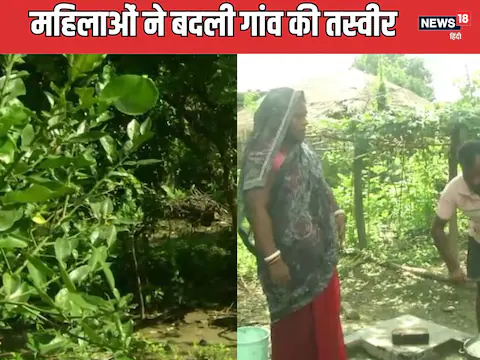
A Village That Recycles Every Drop of Water
In an era where water scarcity is a pressing global issue, the small village of Sikandarpur in the Meerut district of Uttar Pradesh has emerged as a beacon of hope and inspiration.
While many parts of India and the world grapple with depleting water tables and the looming threat of water shortages, the residents of Sikandarpur have set a remarkable example by conserving water in the most innovative way.
Their efforts have not only transformed their village into a green paradise but have also made them a model for water conservation practices.
The Challenge of Water Scarcity
Water is an essential resource, yet it is becoming increasingly scarce due to overuse, pollution, and climate change.
In many parts of India, groundwater levels are plummeting, leading to droughts and water shortages that affect millions of lives. The need to conserve and recycle water has never been more urgent.
However, despite numerous awareness campaigns, finding effective ways to save water at the grassroots level remains a challenge for many communities.
Sikandarpur: A Village Leading the Way
Nestled about 50 kilometers from Meerut, Sikandarpur is a village that, until recently, was considered backward and underdeveloped.
Yet, the women of this village have changed its narrative through their determination and ingenuity.
Faced with the challenge of water scarcity, they took it upon themselves to find a solution that would not only conserve water but also make their homes more self-sufficient.
The answer lay in the concept of a kitchen garden — a simple yet powerful idea that would allow them to grow vegetables using recycled water from their kitchens.
This concept has not only transformed their households but has also turned Sikandarpur into a village that everyone is talking about.
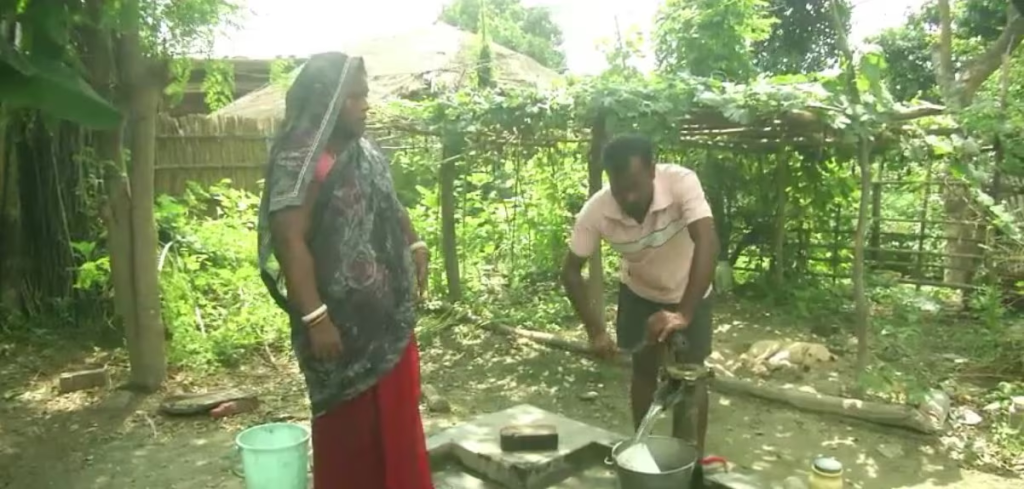
The Kitchen Garden Revolution
As one steps into Sikandarpur, the first thing that strikes you is the greenery. Every home boasts a lush garden where vegetables like cauliflower, okra, chili, gourd, eggplant, papaya, coriander, and jackfruit are thriving.
What makes this sight even more remarkable is that all these vegetables are grown using “grey water”—the wastewater generated from household activities like washing dishes, cleaning, and bathing.
In Sikandarpur, not a single drop of water goes to waste. The women of the village have ingeniously redirected kitchen wastewater into their gardens, where it nourishes the soil and helps their plants flourish.
This practice has not only ensured that water is conserved, but it has also reduced their reliance on market-bought vegetables, making the village more self-sufficient.
A Model for Other Villages
The success of Sikandarpur has caught attention. Officials from the Parikshitgarh block have praised the villagers for their efforts.
The Assistant Development Officer (ADO) has admired how the villagers embraced the challenge of water conservation, turning it into a chance for growth and self-reliance.
“This village sets a shining example for the entire society,” says the ADO. “Their innovative use of grey water and the establishment of kitchen gardens in every home are practices that can and should be emulated by other villages and communities.”

A Self-Sustained Ecosystem
Another remarkable aspect of Sikandarpur is its near absence of drainage systems. Unlike many villages where wastewater flows into the streets, creating unsanitary conditions, Sikandarpur has no need for extensive drains.
The water that would otherwise be wasted is instead used to nurture the gardens, leaving the village clean and green.
This practice of water recycling has also brought about a sense of pride and self-sufficiency among the villagers. The women, in particular, have become the torchbearers of this movement.
They have not only taken control of their household water management but have also created a sustainable ecosystem where they are less dependent on external resources.

A Village with a New Identity
Today, Sikandarpur is no longer just another name on the map. It is known as “the village with the kitchen gardens,” a place where every home is a testament to what can be achieved with resourcefulness and a commitment to conservation.
Even though many might not know the village by its official name, ask anyone in the region about the village with the flourishing kitchen gardens, and they will point you to Sikandarpur.
Yes, friends, the story of Sikandarpur is one of hope, resilience, and the power of community-driven initiatives. In a world where water is becoming increasingly scarce, this small village has shown that every drop counts.
By recycling water and creating kitchen gardens, the villagers have not only secured their food supply but have also set a powerful example for others to follow.
Sikandarpur’s approach to water conservation and self-sufficiency is not just inspiring — it’s a blueprint for sustainable living.
In a time when we all need to be more mindful of our resources, Sikandarpur serves as a reminder that innovative solutions can come from the most unexpected places and that with determination and creativity, even the smallest communities can make a big impact.

BE HAPPY….BE ACTIVE….BE FOCUSED….BE ALIVE…
If you liked the post, please show your support by liking it,
following, sharing, and commenting.
Sure! Visit my website for more content. Click here
Categories: story
 Retiredकलम
Very innovative and ingenious idea.
LikeLiked by 2 people
Thank you so much!.💕
I’m glad you found this story innovative and ingenious.
Your feedback means a lot and encourages me to write such type of inspiring story.
I truly appreciate your support! 🌟
LikeLiked by 2 people
Most welcome 🙏🏼
LikeLiked by 2 people
Good night .
Have a peaceful night.
LikeLiked by 2 people
Beautiful post 🌹🌹
LikeLiked by 3 people
Thank you so much, dear.
Yes, this is a true story and inspiring as well.
Thanks for your read.
LikeLiked by 1 person
Welcome 🙏 sir
LikeLiked by 2 people
Stay happy and blessed.
LikeLiked by 1 person
Great post!
LikeLiked by 5 people
Yes dear.
That is very inspiring and lesson for us.
LikeLiked by 1 person
very nice
LikeLiked by 2 people
Thank you so much.
LikeLiked by 1 person
Thank you for bringing this hero to our attention, Vermavkv.
LikeLiked by 2 people
You’re very welcome!
I’m glad I could share this inspiring story with you.
Thank you for appreciating it! 🙏
LikeLiked by 2 people
Good blog for the knowledge of water conservation and management of same judiciously for survival.It will give good lesson for our awareness.
LikeLiked by 1 person
Thank you so much for your appreciation.
Yes, this is very inspiring and essential for our survival.
LikeLike
Nice post! If you wouldn’t mind, subscribe for very cheap to our blog at the homepage neuralaym.com for unique neurological tales! Save over $20,000 then you would in college or at the doctor’s office by subscribing today!!
LikeLike