Unveiling the Mystique of Ganesh Chaturthi
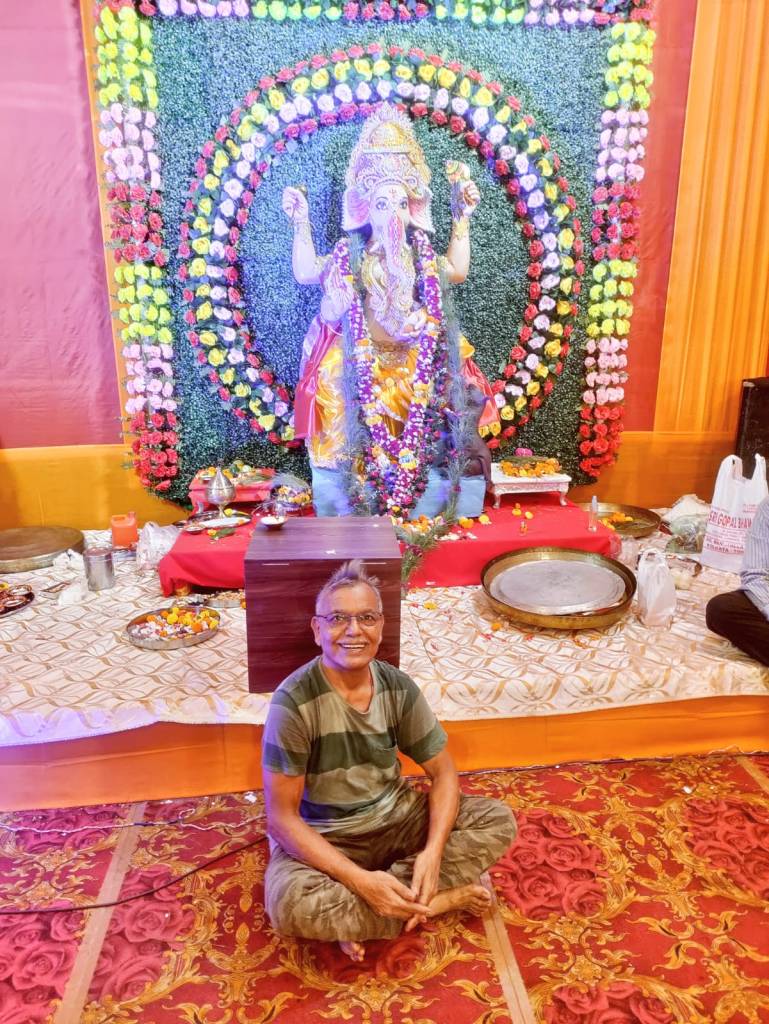
Ganesh Chaturthi, one of the most anticipated festivals in India, celebrates the birth of Lord Ganesha, the beloved elephant-headed god of wisdom, prosperity, and good fortune.
This ten-day festival is marked by grand processions, vibrant decorations, joyous celebrations, and the heartfelt chanting of “Ganapati Bappa Morya.”
But what makes this festival so special? Beyond the rituals and celebrations, there are lesser-known stories and fascinating facts that deepen our connection to Lord Ganesha.
Let’s dive into these mysteries while exploring the grandeur of this auspicious occasion.

The Origins of “Ganapati Bappa Morya”
The phrase “Ganapati Bappa Morya” is echoed during every Ganesh Chaturthi celebration, but few know the significance behind it.
While Ganapati Bappa is a reference to Lord Ganesha, “Morya” refers to Morya Gosavi, a prominent saint from the 14th century who was a staunch devotee of Lord Ganesha.
According to legend, Morya Gosavi performed intense penance to seek Ganesha’s blessings, and his devotion was so profound that Lord Ganesha appeared before him and granted him eternal companionship.
The phrase was immortalized in devotion and is now used to invoke Ganesha’s blessings during the festival.
The Tale Behind Ganesh’s Elephant Head
One of the most well-known stories surrounding Lord Ganesha is the tale of how he acquired his elephant head. However, there are various interpretations of this event.
In the most widely accepted version, Goddess Parvati created Ganesha from the sandalwood paste she used during her bath. She tasked him with guarding her while she bathed.
When Lord Shiva returned and tried to enter, Ganesha, unaware of his identity, stopped him. Enraged, Shiva beheaded Ganesha in a moment of fury. Later, realizing his mistake and to console a heartbroken Parvati, Shiva resurrected Ganesha by attaching an elephant’s head to his body.
In some lesser-known versions of the story, it is believed that Ganesha was originally born with an elephant’s head, symbolizing strength, wisdom, and patience.
In another variation, Ganesha’s head was that of Airavata, Indra’s celestial elephant, symbolizing his divine power and celestial origin.
The Shubh Muhurat for Ganesh Sthapana
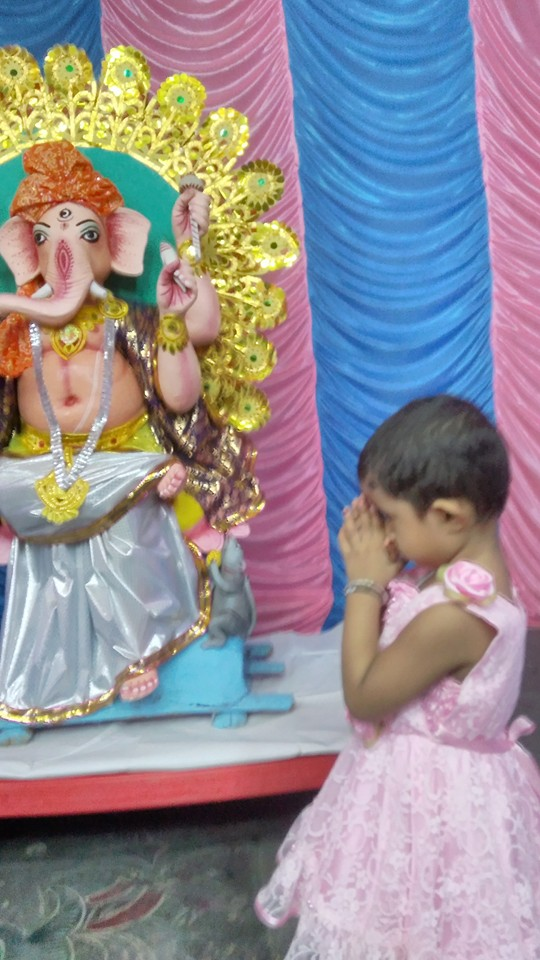
The festival begins with the sthapana (installation) of Lord Ganesha’s idol in homes and public pandals. The timing of this installation is crucial, as it is believed that welcoming Ganesha during the right muhurat (auspicious time) brings immense blessings and removes obstacles.
According to the Hindu calendar, the most auspicious time for Ganesh Sthapana in 2024 was on September 7, between 11:01 AM and 1:28 PM. A muhurat is a specific time period chosen based on astrological calculations that is believed to be favorable for particular activities.
The Hidden Symbolism in Ganesh’s Appearance
Lord Ganesha’s distinct form is not only unique but is also steeped in symbolism. His large elephant head represents wisdom and intellect, while his wide ears signify the ability to listen to those in need.
The small eyes reflect focus and concentration, while the large belly symbolizes the ability to digest all that life has to offer, both good and bad.
Ganesha’s four arms carry different items—an axe to cut off attachments, a rope to pull devotees closer to spiritual enlightenment, a modak (sweet) as a reward for spiritual seekers, and his raised hand represents protection and blessings.
However, one lesser-known detail is Ganesha’s mouse companion, who is more than just a vehicle.
The mouse symbolizes the ego, which, like a rodent, can be destructive if uncontrolled. By making the mouse his vahana (vehicle), Ganesha teaches us to control our ego and not let it guide our actions.

The First Idol of Ganesha
The tradition of installing Ganesh idols began in Pune in the late 19th century, thanks to the efforts of freedom fighter Lokmanya Bal Gangadhar Tilak.
At that time, public gatherings were banned by the British, but Tilak recognized that religious events could unite people. He encouraged the celebration of Ganesh Chaturthi on a grand scale, and soon, communities came together to celebrate Ganesh Utsav, fostering a spirit of unity and resistance.
Today, this tradition continues, with cities like Mumbai, Pune, and Hyderabad witnessing some of the most spectacular public displays of devotion.
Even before this, it is said that the first clay idol of Ganesha was created by Parvati herself. According to legend, she fashioned the idol from turmeric paste and her own breath, symbolizing life and divine energy.
Eco-Friendly Celebrations: A Modern Twist
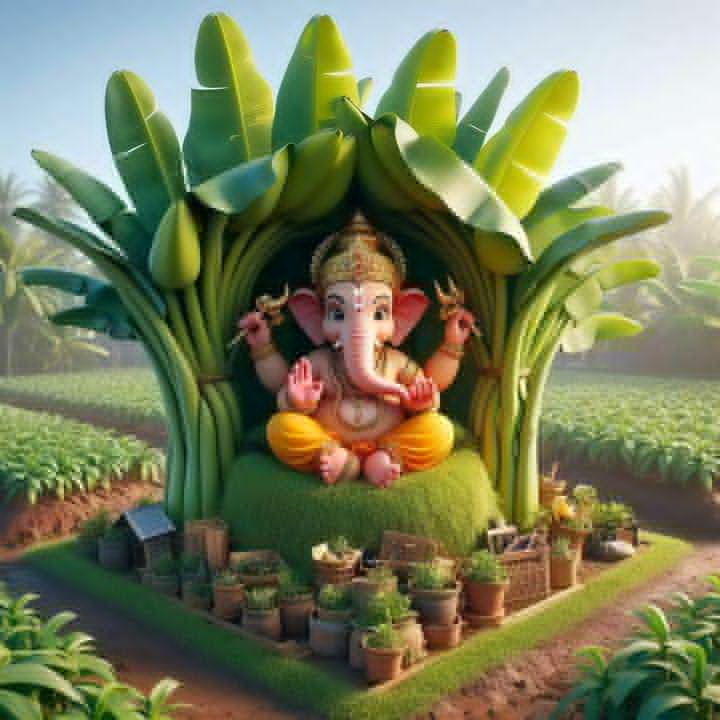
In recent years, the festival has seen a shift toward more eco-friendly practices. Traditionally, Ganesh idols were made from clay, but over time, the use of plaster of Paris (POP) became widespread due to its affordability.
However, POP idols are harmful to water bodies as they do not dissolve easily. To combat this, many devotees are returning to the use of clay idols, promoting the message of sustainability and environmental protection.
Some even opt for tree-planting Ganesha idols that grow into plants after immersion.
Embracing the Spirit of Ganesh Chaturthi
Ganesh Chaturthi is much more than a festival; it is a celebration of wisdom, prosperity, and the victory of good over evil. It is a time when communities come together, and the air is filled with chants of devotion.
As we invoke the blessings of Lord Ganesha with the resounding call of “Ganapati Bappa Morya,” let’s also reflect on the deeper meanings behind the traditions, stories, and symbols that define this grand festival.
May Lord Ganesha remove all obstacles from your path, and may his blessings bring wisdom, happiness, and success into your life. Ganapati Bappa Morya! (All Image courtesy:Pinterest)

Ek Adhoori Prem Kahani / एक अधूरी प्रेम कहानी (Hindi Edition)
https://amzn.in/d/3lf1XLc
https://forms.gle/KE1bocnJnoWDHMhw5
BE HAPPY….BE ACTIVE….BE FOCUSED….BE ALIVE…
Categories: infotainment
 Retiredकलम
💗💗💗
LikeLiked by 2 people
Thank you so much for spiritual journey.😊
LikeLiked by 2 people
My pleasure 🌹
LikeLiked by 2 people
Stay happy and have a bless of Lord Ganesha.
LikeLiked by 2 people
🙏🙏🙏
LikeLiked by 2 people
Jai Shree Ganesha.
LikeLiked by 1 person
You’re most welcome 💐
LikeLiked by 2 people
Good evening.
Stay happy and blessed.💕
LikeLiked by 2 people
Wishing you a vibrant and joyous Ganeshotsav!.
May Lord Ganesha shower you with his divine blessings and bring immense joy to your life.
LikeLiked by 2 people
Thank you for your good wishes, which I wholeheartedly reciprocate to you,🌹
LikeLiked by 2 people
You are welcome.
Good night and have a restful night.
LikeLiked by 2 people
Ganpati Bapa Maurya.
LikeLiked by 3 people
Ganpati Bapa Maurya.
LikeLiked by 1 person
Happy Ganesh chaturthi
LikeLiked by 2 people
Wishing you a vibrant and joyous Ganeshotsav.
May Lord Ganesha shower you with his divine blessings and bring immense joy to your life.
LikeLiked by 1 person
Happy Ganesh Chaturhi
LikeLiked by 2 people
Thank you and same to you.
LikeLiked by 1 person
Happy Ganeshotsav!
Good and informative post
LikeLiked by 2 people
Happy Ganeshotsav to you as well!
Thank you for your kind words. I’m glad you found the post informative and engaging.
May Lord Ganesha bring joy, wisdom, and prosperity to your life during this festive season.
Let’s celebrate this Ganeshotsav with devotion and positivity, embracing both tradition and sustainability.
LikeLiked by 2 people