
“Unraveling the Mystique:
Superstition is a belief or practice that is considered irrational or unfounded. Superstitions are often based on fear or ignorance, and they can be harmful or beneficial.
History of Superstition
Superstitions find their origins in ancient times when humanity sought to comprehend the mysterious forces that governed their world. In those days, people believed in spirits and gods, making offerings to appease these entities and ward off misfortune. The Middle Ages saw the close intertwining of superstition with religion, as the fear of witches and demons held sway over people’s lives.
Common Superstitions
As we delve into the commonplace superstitions that have woven themselves into the fabric of our daily lives, Some of the most common superstitions include:
- Breaking a mirror will bring you seven years of bad luck.
- Walking under a ladder will bring you bad luck.
- Crossing your fingers will bring you good luck.
- Knocking on wood will ward off bad luck.
- Finding a four-leaf clover will bring you good luck
Superstition in India:
In the diverse cultural landscape of India, superstitions continue to thrive, revealing a tapestry of beliefs deeply rooted in tradition. From the aversion to crossing paths with black cats to refraining from sweeping the floor at night, India’s superstitions are as varied as its vibrant culture.
Intriguingly, superstitions related to execution ropes take center stage in certain regions, offering a unique glimpse into the intersection of folklore and reality.
The Enigma of Execution Ropes:
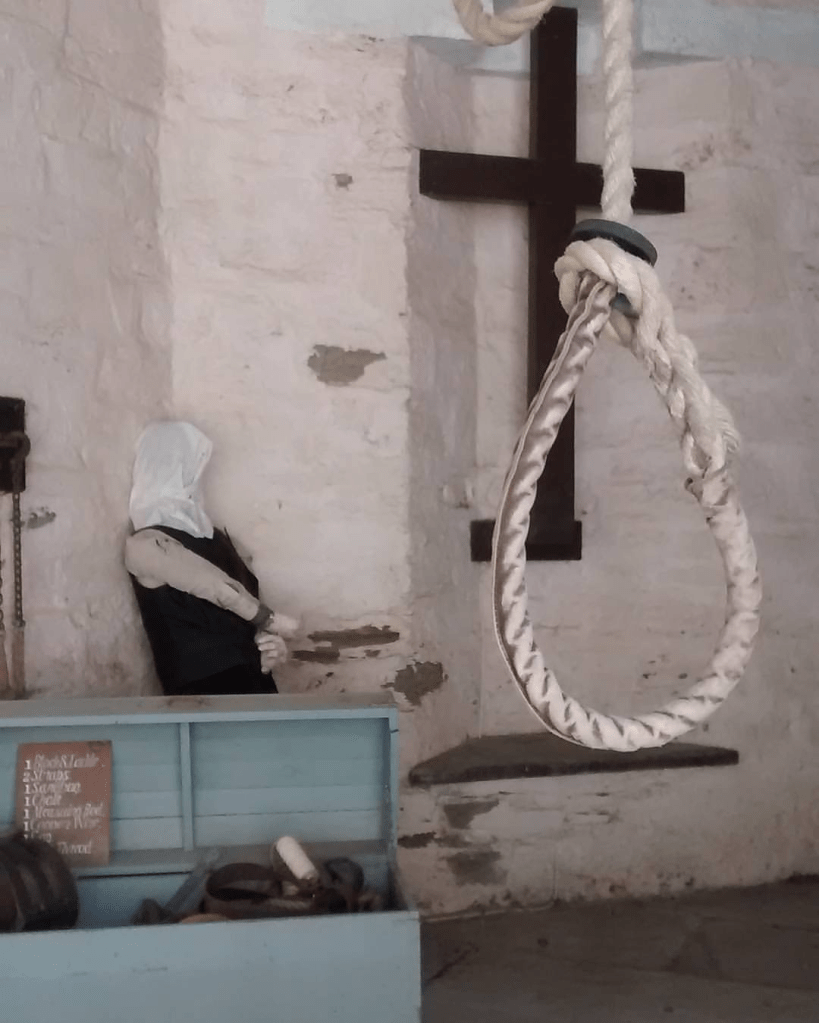
The execution rope, a symbol of finality and fate, has inspired superstitions across different cultures. In Britain, historical records reveal a tradition of selling pieces of the execution rope to change one’s fortune.
Similarly, in India, the execution rope takes on mystical significance, with the belief that wearing a locket made from it can alter one’s destiny, leading people to queue up for this peculiar form of charm.

Jail Bread and Execution Gallows:
The superstitions surrounding jail bread and execution gallows add another layer to the complex web of beliefs.
Astrologers recommend consuming jail bread to nullify the effects of a prison sentence, while some go to great lengths to obtain soil from prisons or wood from execution gallows, believing in the protective properties of these items.
As we navigate the rich tapestry of superstitions, it becomes evident that these beliefs are more than mere irrational notions; they are a reflection of our collective human psyche, offering solace in the face of life’s uncertainties.
While some superstitions may seem harmless, others can carry consequences. The key lies in being aware of the fine line between tradition and potential harm, and making informed decisions about whether to embrace or challenge the mystique of superstition.

So, do we truly believe in superstition? Perhaps the answer lies in the fascinating interplay between culture, tradition, and the enduring human need for certainty in an uncertain world.
This blog serves as a starting point for a deeper conversation. Share your thoughts in the comments below. Do you have any encounters with strange superstitions? How do you navigate the world of belief in the face of the unknown? Let’s explore together.

BE HAPPY….BE ACTIVE….BE FOCUSED….BE ALIVE…
If you liked the post, please show your support by liking it,
following, sharing, and commenting.
Sure! Visit my website for more content. Click here
Categories: infotainment
 Retiredकलम
💚💖
LikeLiked by 1 person
Thank you so much.
LikeLike
congartulations
LikeLiked by 1 person
Thank you so much.
LikeLiked by 1 person
Superstition is in all religions.So all are praying God to whom no body seen.Nice blog.
LikeLiked by 1 person
Very well; said.
Thanks you so much for your appreciation.
LikeLike