
“Harmony in Nutrition
In the hustle and bustle of today’s fast-paced life, we often find ourselves rushing through meals, neglecting the principles of mindful eating. The prevalence of fast food, junk food, and peculiar food combinations can have detrimental effects on our health.
It’s true that certain food pairings can be harmful when consumed together. According to Ayurveda, combining certain foods can hinder the digestive process, reduce nutrient absorption, and even lead to toxicity.
Let’s explore 15 food combinations to avoid for optimal well-being:
1. Watermelon and Cold Water:

- Why avoid: Watermelon’s cooling nature clashes with cold water, potentially causing bloating and indigestion.
- Alternative: Enjoy watermelon at room temperature or with warm water.
2. Milk and Citrus Fruits:
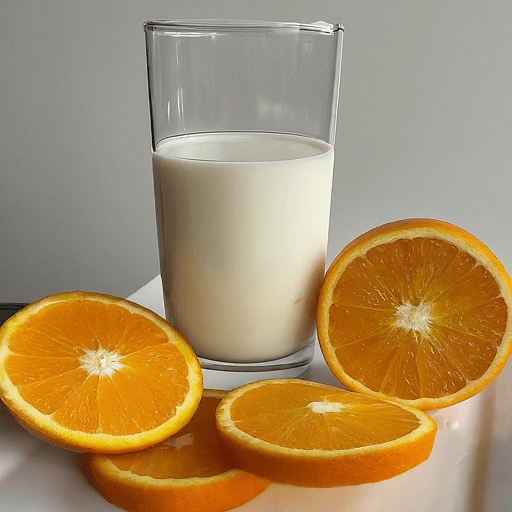
- Why avoid: Citrus acidity curdles milk protein, possibly leading to digestive issues.
- Alternative: Space them out by consuming milk at least 2 hours before or after citrus fruits.
3. Tea and Cucumber:
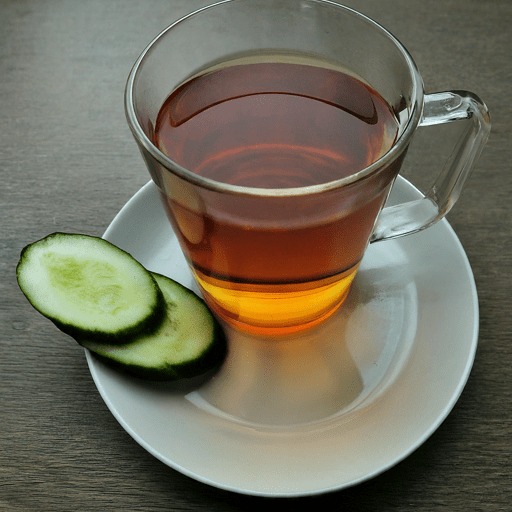
- Why avoid: Tea’s warming caffeine clashes with cucumber’s cooling effect, potentially disrupting digestion.
- Alternative: Enjoy them separately at different times throughout the day.
4. Yogurt and Sour Fruits:
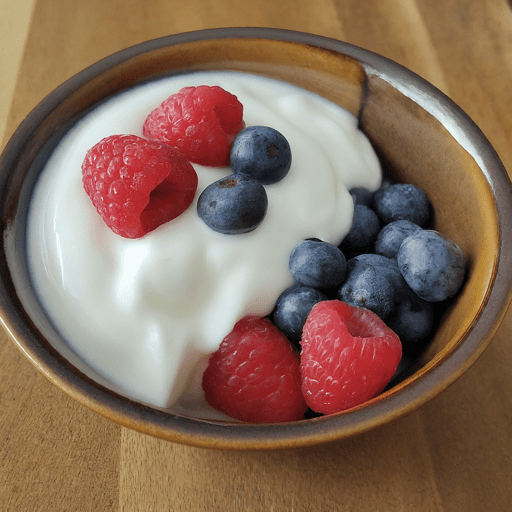
- Why avoid: The sourness might diminish the gut-friendly probiotics in yogurt.
- Alternative: Opt for sweeter fruits like bananas or mangoes with yogurt.
5. Peanuts and Cold Water:
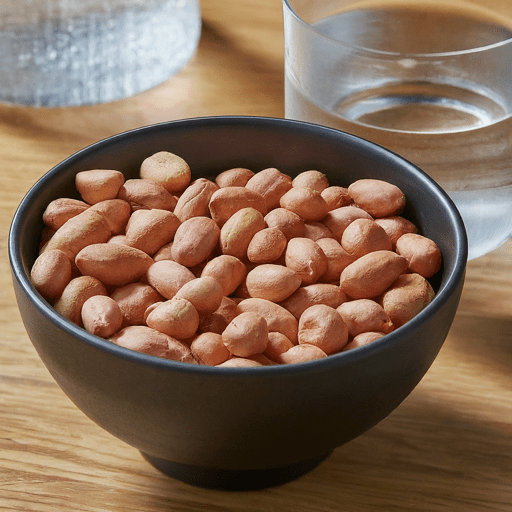
- Why avoid: Peanuts’ heat-generating nature, combined with cold water, might irritate the throat and cause coughs.
- Alternative: Pair peanuts with warm water or other warm beverages.
6. Melons and Dairy Products:
- Why avoid: Melons digest quickly, while dairy takes longer. Mixing them might cause discomfort.
- Alternative: Enjoy melons alone or wait a few hours before consuming dairy.
7. Radish and Milk:
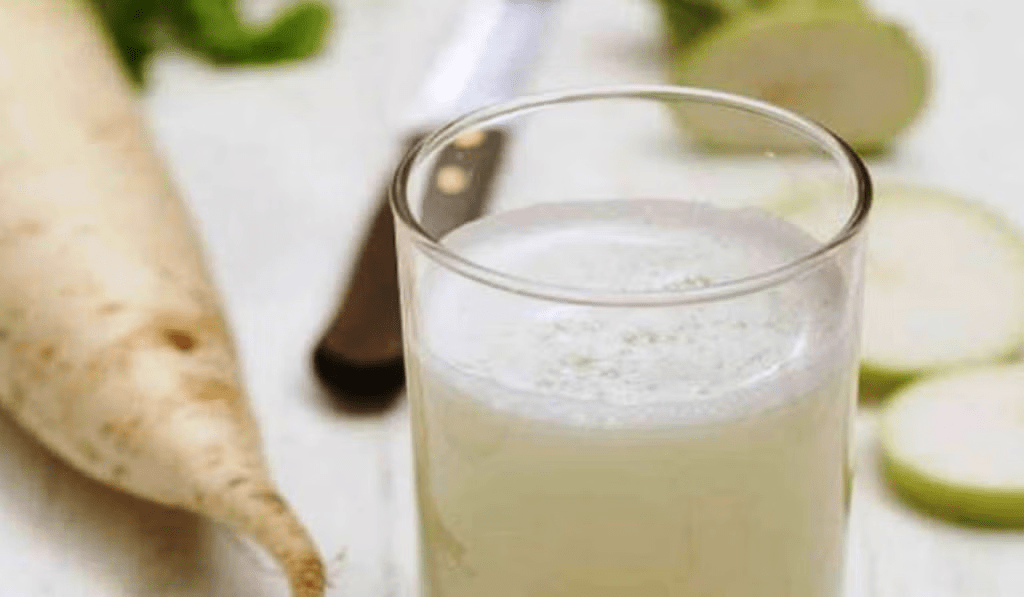
- Why avoid: Radishes generate heat, potentially leading to indigestion when combined with milk.
- Alternative: Consume them separately or pair radishes with cooling foods like cucumbers.
8. Rice and Beans/Lentils:
- Why avoid: Both are high in carbohydrates, potentially leading to weight gain and slow digestion when combined.
- Alternative: Opt for smaller portions or include high-fiber vegetables for better balance.
9. Curd and Jackfruit:

- Why avoid: Curd’s cooling nature clashes with jackfruit’s heat-producing properties, potentially disrupting temperature balance.
- Alternative: Consume them separately or pair jackfruit with other warming foods like ginger.
10. Cabbage and Mustard:
- Why avoid: Both are cruciferous vegetables, potentially causing gas and bloating when combined.
- Alternative: Ferment them separately or choose other vegetables for your pairings.
11. Eggs and Fruit:
- Why avoid: Eggs require an acidic environment for digestion, while fruits are alkaline. Combining them might hinder digestion.
- Alternative: Separate them by a few hours or choose other protein sources with fruits.
12. Carrots and Bananas:

- Why avoid: Carrots are heating, while bananas are cooling. Combining them might disrupt the digestive balance.
- Alternative: Consume them separately or pair them with other vegetables or fruits based on their temperature properties.
13. Mango and Milk:
- Why avoid: Their different digestion times (mango faster, milk slower) might lead to fermentation and discomfort.
- Alternative: Consume them separately or wait a few hours before combining them.
14. Fish and Milk:
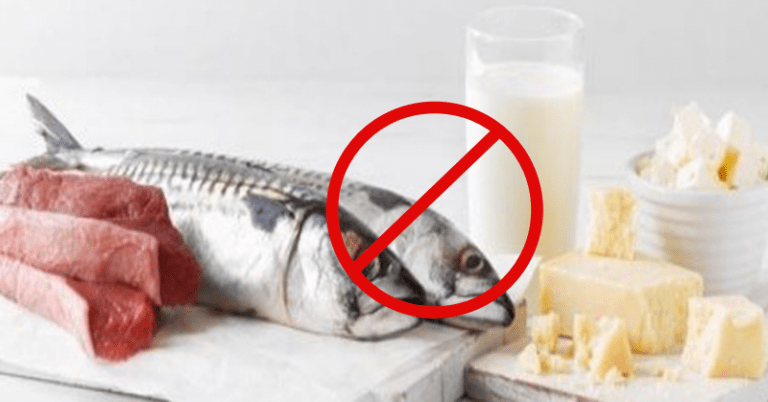
- Why avoid: Both require different enzymes for digestion, potentially leading to problems.
- Alternative: Consume them separately or choose other protein sources with fish.
15. Lemon and Milk: A Sour Pairing with Digestive Discomfort
- Why avoid: The vibrant yellow of a lemon paired with the creamy white of milk might seem like a refreshing combination, but it’s best enjoyed separately for optimal digestion. The culprit lies in the contrasting properties of these ingredients:
- Lemon’s Acidity: Lemons are packed with citric acid, making them quite acidic. This acidity plays a vital role in digestion by aiding in the breakdown of food and the absorption of nutrients.
- Milk’s Protein: Milk contains casein, a protein that forms a smooth, liquid suspension. However, when exposed to acidic environments, casein molecules tend to clump together, resulting in curdling.
While it’s essential to be mindful of food combinations, it’s equally crucial to focus on balanced and nutritious meals. A well-rounded diet, rich in diverse nutrients, supports overall health and vitality.
Remember, moderation and awareness are key to achieving a harmonious and healthful eating experience.
Listen to your body, savor each bite, and make informed choices to nourish yourself from within. Your well-being deserves the best, and thoughtful food pairings can contribute to a healthier and happier you.

BE HAPPY….BE ACTIVE….BE FOCUSED….BE ALIVE…
If you liked the post, please show your support by liking it,
following, sharing, and commenting.
Sure! Visit my website for more content. Click here
Categories: infotainment
 Retiredकलम
Delicious 💪👏👏
LikeLiked by 1 person
Thank you so much.
Have a nice day.
LikeLiked by 1 person
Thank you my friend 🙏👍👍👏👏🤝
LikeLiked by 1 person
You are welcome.
LikeLike
Very informative share. Thank you 😊
LikeLiked by 1 person
Thank you so much.
I’m glad you found the information useful.
Your words mean a lot. 😊”
LikeLiked by 1 person
Thanks for sharing
LikeLiked by 2 people
You are welcome, dear.
I am happy you find this useful.
LikeLiked by 1 person
hello I like your site/blog
LikeLiked by 1 person
Thank you so much. I will also visiting your site soon.
LikeLike
Watermelon with feta cheese is a classic combination that may sound unusual but is actually incredibly delicious. The sweetness of the watermelon pairs perfectly with the salty and tangy flavor of the feta cheese, creating a refreshing and flavorful dish.
To enjoy watermelon with feta cheese, simply cube some fresh watermelon and crumble some feta cheese on top. You can also add some fresh mint leaves or a drizzle of balsamic glaze for an extra burst of flavor. This dish is perfect for a summer barbecue or as a light and healthy snack.
LikeLiked by 3 people
That sounds absolutely delightful.
Yes, The combination of sweet watermelon and savory feta cheese, enhanced with the freshness of mint leaves or
a hint of balsamic glaze, creates a perfect balance of flavors. It’s such a refreshing and unique dish, perfect for summer
gatherings and, healthy snack. Thanks for sharing this delicious idea! I’ll definitely give it a try. 😊😊
LikeLike
Heyy
LikeLiked by 1 person
Hello, How are you.
Please watch my video and subscribe my channel, please.
LikeLike