
A Fearless Visionary Who Ignited the Flame of Freedom
Dear friends.
January 23rd marks the 127th birth anniversary of the iconic leader, Netaji Subhas Chandra Bose, a luminary in the annals of the Indian freedom struggle.
Born in 1897 in Cuttack, Orissa, Bose’s journey from a brilliant civil servant to a radical nationalist leader is a tale of courage, vision, and sacrifice that has left an enduring legacy.
As we celebrate Parakram Diwas, let’s delve into the life of Netaji and explore the complexities that define his role in shaping India’s destiny.

Early Life and Rebellion:
Netaji, a prodigious student, clinched the top spot in the 1920 Indian Civil Service examination. However, driven by a fervent desire for India’s independence, he relinquished his prestigious post to join the nationalist movement led by Mahatma Gandhi and the Indian National Congress.
Bose’s dissatisfaction with the moderate and non-violent approach of Gandhi and Nehru led him to form the All India Forward Bloc, a faction within the Congress that advocated complete independence through any means necessary.
Trials and Imprisonment
Bose’s unyielding commitment to the cause of freedom led to numerous arrests and imprisonments by British authorities. His resilience in the face of adversity only fueled his determination to free India from the shackles of colonial rule.

The Great Escape and Global Allies
In a daring move in 1941, Bose escaped British surveillance and reached Germany, seeking support from Adolf Hitler and the Nazi regime.
From Berlin, he broadcasted his famous slogan “Give me blood and I will give you freedom” and formed the Indian Legion, a military unit comprising Indian prisoners of war and expatriates.
In 1943, Bose shifted to Japan, where he established the Azad Hind, or the Provisional Government of Free India, and assumed leadership of the Indian National Army (INA). His ultimate goal was to march to Delhi and liberate India.
The Legacy of Azad Hind and Controversies
Bose’s charismatic leadership saw the INA engaging in a military campaign against British forces in Southeast Asia. He hoisted the Indian flag in the Andaman and Nicobar Islands, renaming them Shaheed and Swaraj.
However, the defeat of Japan in World War II and the subsequent surrender of the INA thwarted Bose’s plans. The leader’s mysterious death in a plane crash in Taiwan on August 18, 1945, remains a subject of controversy and speculation.
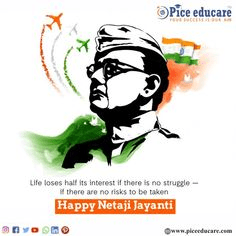
Parakram Diwas and the Dichotomy of Opinion:
Bose’s legacy is a wellspring of inspiration and pride for millions of Indians, commemorated annually as Parakram Diwas, the Day of Valour. His slogan “Jai Hind” resonates as a patriotic salute, symbolizing the undying spirit of the freedom struggle.
However, Bose’s role and alliances with fascist and imperialist powers spark debate and criticism. Some question his authoritarian tendencies, overshadowed by the dominant narrative of Gandhi and Nehru.
Defenders of Bose argue that he was a pragmatic and visionary leader who understood the global complexities of his time. They contend that he was a true democrat and socialist, aiming to establish a free and progressive India respecting the rights and dignity of all citizens.
Supporters highlight his inclusive approach, celebrating India’s diversity and plurality.

Netaji Subhas Chandra Bose, a man of contradictions, stands as an indelible figure in India’s history. His contributions to the freedom struggle, while often overshadowed, continue to inspire generations.
Whether viewed as a pragmatic visionary or criticized for his alliances, Netaji’s legacy remains a testament to the courage, vision, and sacrifice that define true leadership.
As we celebrate Parakram Diwas, let us remember Netaji Subhas Chandra Bose, the supreme soldier who fought for the freedom of his people and left an everlasting mark on the soul of a nation.
Categories: infotainment
 Retiredकलम
नमन एवम श्रद्धांजलि।
LikeLiked by 1 person
शत शत नमन |
LikeLike
💚💓💖
LikeLiked by 1 person
Thank you so much.
LikeLike
Thanks for sharing
We need more such posts
To tell younger generation about great Netaji 😀
LikeLiked by 1 person
Thank you so much for your excellent thoughts.
I’m glad you enjoyed the post. Indeed, sharing stories about great leaders like Netaji is crucial to inspire and
educate the younger generation. It’s essential to celebrate the contributions of historical figures who have made a significant impact.
If you have more stories or information about Netaji or any other inspiring personalities, feel free to share them.
Let’s continue spreading knowledge and inspiration.
LikeLiked by 1 person
😁😌
LikeLiked by 2 people
How is your health, now ?
LikeLiked by 2 people
I’m good
I’m alive
LikeLiked by 2 people
I am happy to see you happy.
My blessings to you.
LikeLiked by 1 person
Jai shree ram
LikeLiked by 1 person
And thanks for the blessings uncle ji
Apka aashirwad sada bana rhe 🙇🏻♂️
LikeLiked by 1 person
JAI HIND
LikeLiked by 2 people
जय हिन्द |
LikeLiked by 1 person
Great
LikeLiked by 1 person
Thank you so much.
Your words mean a lot. Please watch my video and subscribe my channel
LikeLiked by 1 person