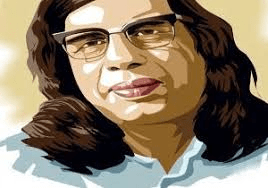
The Literary Luminary Who Engraved Bihar on the World Map
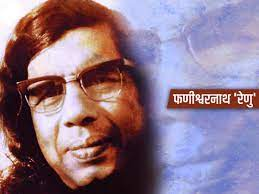
Phanishwar Nath Renu, a name synonymous with literary brilliance and an unwavering commitment to social justice, stands as a beacon that illuminated Bihar on the global literary stage.
Born on March 4, 1921, in the serene village of Aurahi Hingna, Bihar, Renu’s journey through life was more than a personal odyssey; it was a profound reflection of the rural landscape and the society he cherished.
A Revolutionary at Heart
Renu’s entry into the world of literature was destined to be extraordinary. After completing his matriculation, he embarked on a path of higher education at Banaras Hindu University (BHU).
However, in 1942, the clarion call of Mahatma Gandhi during the Indian Independence Movement stirred the revolutionary spirit within him.
He heeded the call and joined the struggle for India’s freedom, a testament to his indomitable spirit and unwavering commitment to the nation’s cause.
A Multifaceted Literary Genius
Renu’s literary prowess knew no bounds, spanning across an array of genres, from short stories and novels to portraits, memoirs, and reportage.
His literary repertoire includes masterpieces such as “Maila Anchal,” “Pariwar,” “Ek Admi Ki Kahani,” “Parti Parikatha,” “Lal Pahad ki Dhani,” and “Mohan Das.”
Each of these works weaves a tapestry of rural life, depicting it with rawness, authenticity, and simplicity.
A Mirror to Rural Realities
What set Renu apart from his contemporaries was his profound connection to the land and society he hailed from. His writing was not an intellectual exercise but a heartfelt expression of the world he knew intimately.
He painted a vivid canvas that encapsulated the multifaceted reality of life, illuminating the myriad shades of human existence.
Through his words, Renu brought to life the essence of rural Bihar, offering readers a window into its vibrant culture, its trials, and tribulations, and the societal, economic, and political issues that pervaded rural India in the mid-twentieth century.
His narratives were a spotlight on lives that often remained hidden from urban eyes.
Awards and Honors
Renu’s contributions to Indian literature and society did not go unnoticed. He received numerous accolades and honors throughout his illustrious career.
In 1974, he was bestowed with the prestigious Padma Shri, one of India’s highest civilian honors. Additionally, he was a recipient of the Sahitya Akademi Award in 1975, further solidifying his legacy as a literary giant.
The Enduring Legacy
Phanishwar Nath Renu may have departed from this world on April 11, 1977, in Patna, but his legacy endures. His works continue to inspire and influence generations of writers and readers, serving as a poignant reminder of the power of literature to transcend time and societal boundaries.
Renu’s writing was a testament to his commitment to social justice, and his ability to give voice to the struggles and aspirations of ordinary rural Indians.
An Emotional Tribute
In this blog, we pay a heartfelt tribute to the literary genius who placed Bihar on the world map of literature. His words were not mere ink on paper; they were a mirror reflecting the hopes, dreams, and challenges of an entire generation.
Renu’s storytelling was an emotional voyage that transported readers to the heart of rural India, where they could connect with the joys and sorrows of its people.
A Writer, A Patriot
Renu’s contribution to India’s national freedom struggle and his active involvement in the JP (Jayaprakash Narayan) movement underscored his identity as not just a writer but also a patriot.
His pen was his weapon of choice, and through it, he championed the causes he held dear, whether it was the fight for independence or the struggle for social justice.
My Favourite Movie: Teesri Kasam
As I am a great admirer of the Gem of Bihar, my Blog will not end until I share some facts about his story ‘Mare Gaye Gulfam’ which created a widely acclaimed.
Yes, Teesri Kasam” is one of my favourite movie and is based on the story “Maare Gaye Gulfaam,” which
Allow me to share some fascinating insights into his story ‘Mare Gaye Gulfaam,’ which captivated audiences far and wide.
The iconic film “Teesri Kasam,” one of my personal favorites, is based on the story “Maare Gaye Gulfaam,” written by Renu. Released in 1966.
This cinematic masterpiece is considered a classic of Indian cinema. Directed by Basu Bhattacharya and starring Raj Kapoor and Waheeda Rehman in the lead roles, it beautifully captures the essence of rural Bihar.
The narrative of “Maare Gaye Gulfaam” unfolds in rural Bihar and centers around Heera, a bullock cart driver portrayed by Raj Kapoor.
Heera leads a contented life, earning his livelihood by transporting goods with his pair of oxen. His world takes a dramatic turn when he crosses paths with Rajnandini, a nautch girl played by Waheeda Rehman.
Their blossoming love story is marked by societal challenges, personal hardships, and a tragic twist of fate.
The film’s soulful music, composed by Shankar Jaikishan, and poignant lyrics, penned by Shailendra, have become timeless classics. The director, Basu Bhattacharya, known for his realistic portrayal of human relationships, captures the emotional depth of the characters and the nuances of their interactions.
The performances of Raj Kapoor and Waheeda Rehman in “Teesri Kasam” are hailed as some of their finest work.
A Luminous Literary Legacy
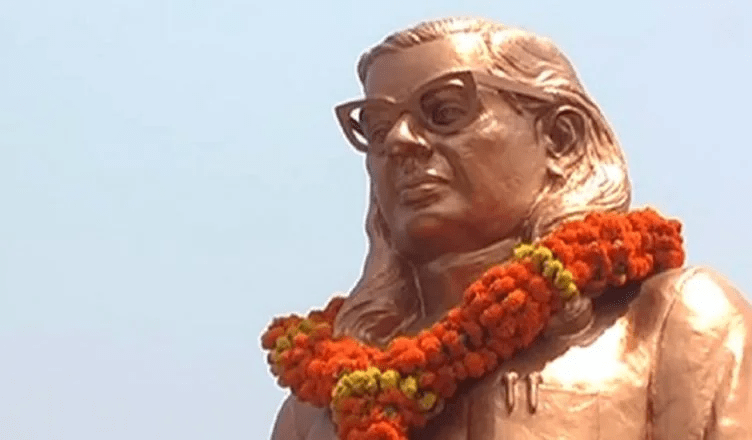
Friends, we honor a literary giant who cast a brilliant spotlight on Bihar’s literary landscape. His works continue to inspire generations of writers and readers. It reminds us that literature has the power to transcend time and societal boundaries.
In the literary galaxy of Hindi literature, Renu’s star shines eternally bright, casting its warm and illuminating light on the souls of those who seek wisdom and authenticity in the written word.
BE HAPPY….BE ACTIVE….BE FOCUSED….BE ALIVE…
If you enjoyed this post, please like, follow, share, and comments
Don’t forget to visit my website for more content.
Categories: infotainment
 Retiredकलम
🩶
LikeLiked by 2 people
Thank you so much.
LikeLike
Nice
LikeLiked by 1 person
Thank you so much.💕
LikeLiked by 1 person
A nice post! I had visited his house
LikeLiked by 2 people
Oh, very nice.
I did not get such an opportunity, Sir.
LikeLiked by 1 person
Araria was under my control areas.
LikeLiked by 1 person
Good to hear that,
I once visited Araria on occasion of marriage of my college friend.
But missed that opportunity. Thanks for sharing your feelings.
LikeLiked by 1 person
Beautifully written tribute…
LikeLiked by 1 person
Thank you so much, Jahnavi.💕
LikeLike