

Hello dear friends,
I hope this blog finds you in a calm and reflective mood. Today’s prompt takes us back to a time that reshaped our lives in ways we never imagined—the COVID-19 pandemic.
It was not just a global health crisis; it was a turning point that forced humanity to pause, reflect, and most importantly, adapt.
The question — How have you adapted to the changes brought on by the pandemic?—is simple on the surface, yet deeply personal.
Each of us carries a different story, a different struggle, and a different transformation.
A Sudden Pause in a Fast-Moving World
Before 2020, life moved at a relentless pace. Deadlines, commutes, social obligations—we were always in motion. Then suddenly, everything stopped. Streets emptied, offices closed, and homes became our entire world.
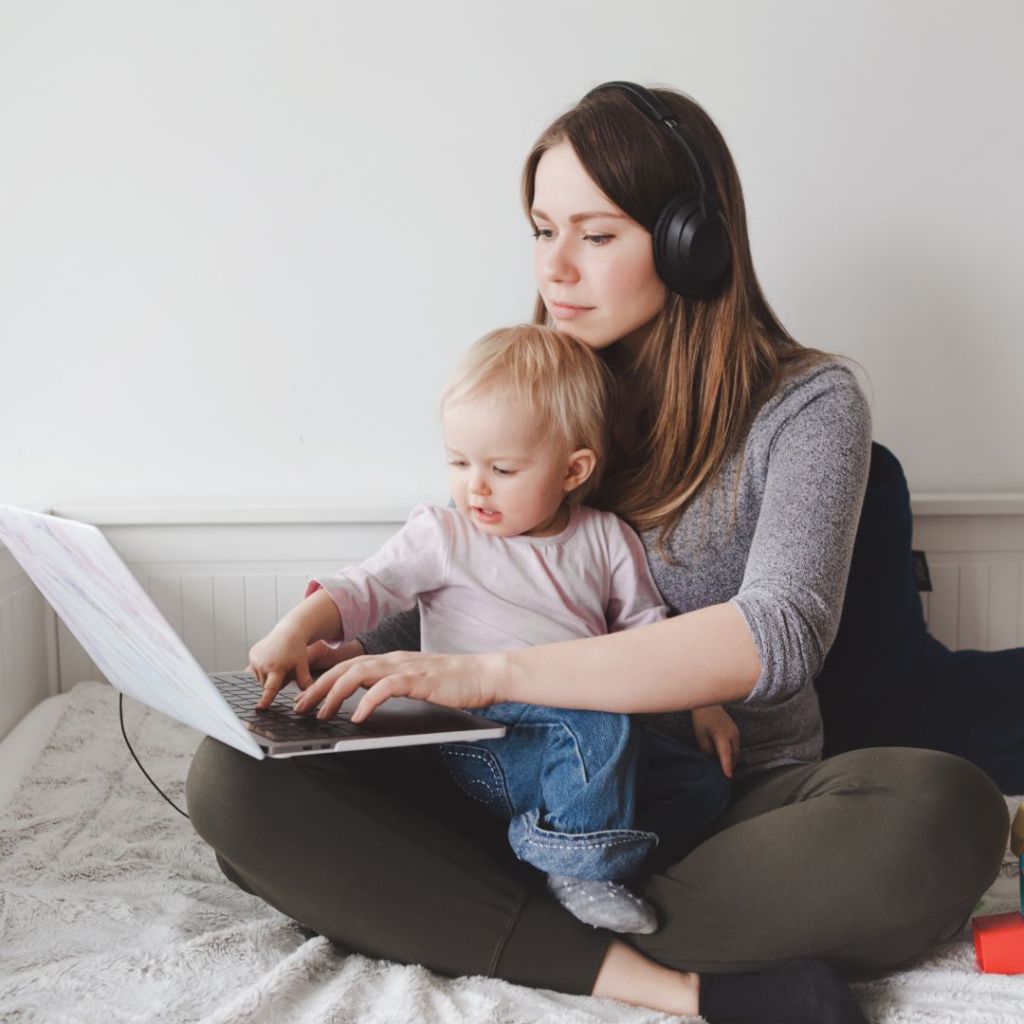
For many, the biggest shift was in how we worked. Dining tables turned into office desks, and video calls replaced face-to-face meetings. Initially, it felt strange—even uncomfortable—but slowly, we adapted.
We learned to manage time differently, balance responsibilities, and find productivity within the walls of our homes.
This transition also made us realize something profound: flexibility is not a luxury; it is a necessity. Work was no longer a place—it became an activity.

Rediscovering Ourselves at Home
With the world suddenly slowed down, home became more than just a place—it became a space for rediscovery.
In those long, quiet hours, many of us reconnected with parts of ourselves we had unknowingly set aside. Some found joy in cooking, others immersed themselves in books, gardening, or music.
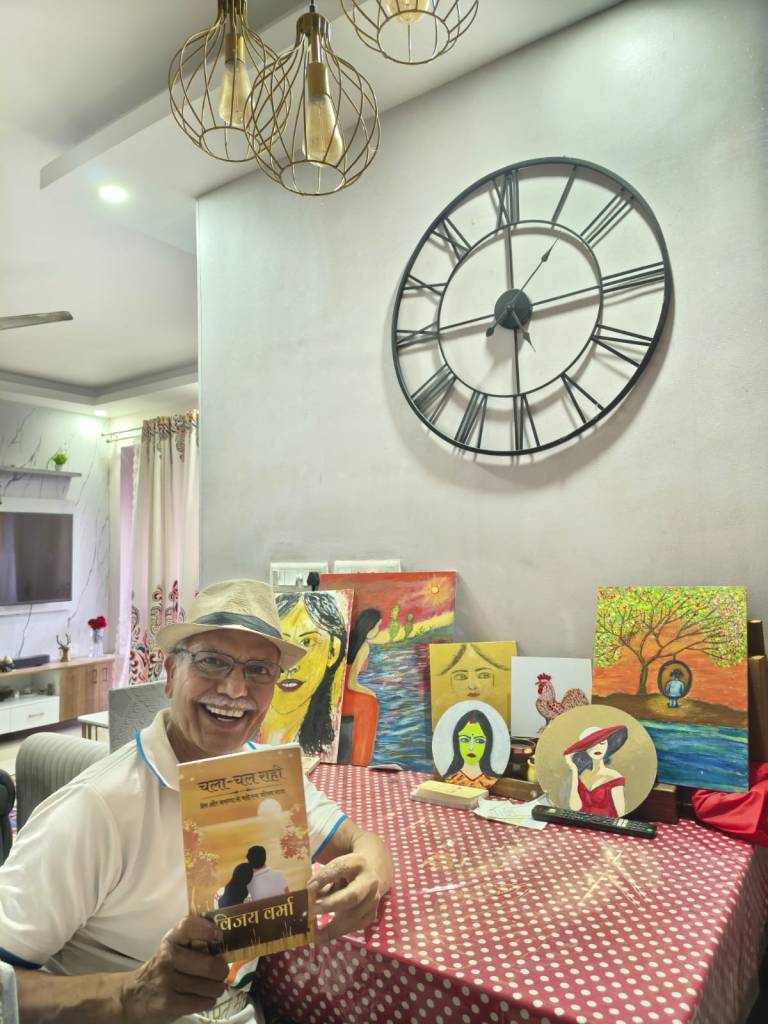
For me, those still moments opened the door to writing. What began simply as a way to fill time धीरे-धीरे turned into something far more meaningful.
Writing became my refuge—a place where I could untangle my thoughts, understand my emotions, and stay connected to a world that felt distant.
That quiet passion didn’t just stay a habit; it shaped my identity. Over time, it led me to write and publish three books—something I had never imagined before.
Alongside writing, I explored drawing and painting, discovering a new language of expression beyond words.
It made me realize something beautiful—creativity often waits for silence. When the noise of the world fades, the inner voice doesn’t just speak… it begins to create.
Mental Health: From Silence to Awareness
One of the most significant yet often overlooked impacts of the pandemic was on mental health. Isolation, uncertainty, and fear created an emotional burden that many struggled to carry.
However, this difficult period also brought mental well-being into the spotlight. Conversations around anxiety, stress, and emotional health became more open and accepted.
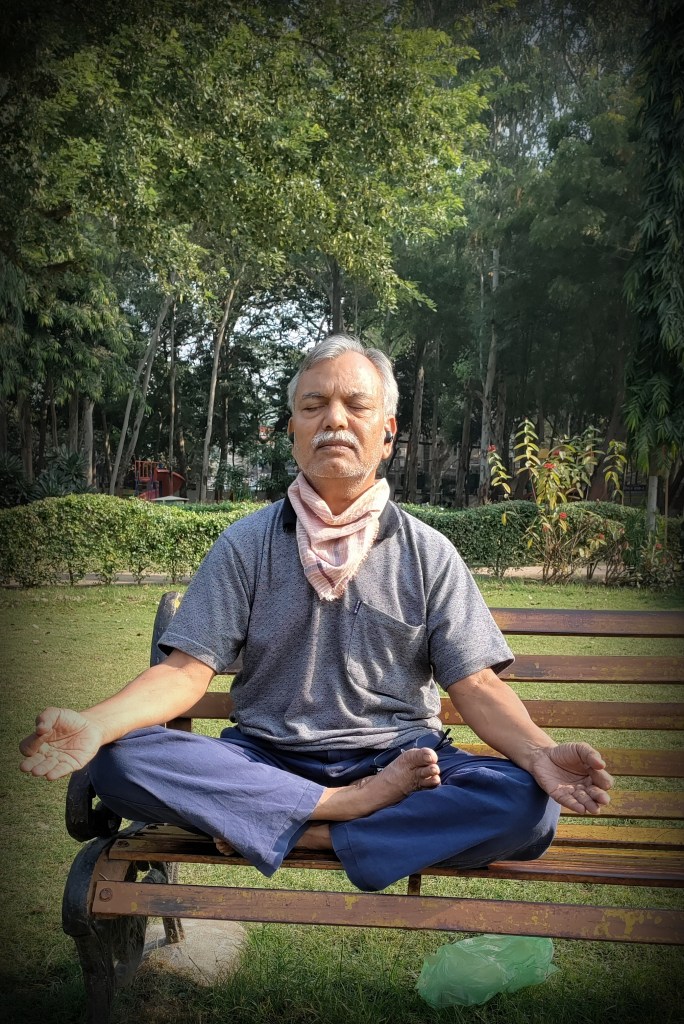
People began exploring mindfulness, meditation, and simple practices like journaling or spending time in silence.
Adaptation, in this sense, was not about being strong all the time—it was about acknowledging vulnerability and learning to cope with it.

Health Became a Priority, Not an Option.
The pandemic reminded us of something we often take for granted—our health. With gyms closed and outdoor activities limited, people found new ways to stay active. Home workouts, yoga, and even simple walks became essential routines.
There was also a noticeable shift towards healthier living. Eating habits improved for many, immunity became a focus, and self-care was no longer seen as indulgence but as necessity.
In adapting to the crisis, we unknowingly moved closer to a more balanced lifestyle.
Technology: The Bridge That Kept Us Connected
While physical distancing kept us apart, technology brought us together. Video calls replaced gatherings, online platforms became classrooms, and social media turned into a space for shared experiences.
We attended celebrations, meetings, and even emotional moments through screens. Though not the same as being physically present, it reminded us of the power of connection. Humans adapt not just to survive—but to stay connected.
In many ways, the pandemic accelerated digital transformation by years, making technology an inseparable part of our daily lives.
Finding Meaning in Small Things
Perhaps one of the most beautiful adaptations was learning to appreciate the little things.
A home-cooked meal, a conversation with family, a quiet evening, or even a simple walk in fresh air—these moments gained new value.
We began to understand that happiness does not always come from grand achievements. Sometimes, it lives quietly in ordinary days.

Lessons That Will Stay With Us
As life gradually returns to normal, the question arises—what have we truly learned?
- We learned resilience—that even in uncertainty, we can find our way.
- We learned patience—that not everything is in our control.
- We learned gratitude—for health, relationships, and time.
- And most importantly, we learned adaptability—the ability to adjust, evolve, and grow through challenges.
The pandemic may have taken a lot from us, but it also gave us perspective.
My Final Submission
So, dear friends, how did you adapt? Did you learn something new, discover a hidden talent, or simply learn to slow down?
There is no right or wrong answer—only your story.
Because in the end, adaptation is not just about changing circumstances. It is about transforming ourselves. And perhaps, that is the greatest lesson of all.

My book is now available on Amazon.
You can find it here: https://amzn.in/d/0gBYPlvz
I truly appreciate your interest and support—it means a lot!
Categories: infotainment
 Retiredकलम
This is such a beautiful and heartfelt reflection Verma ji🤍
I loved how you showed that adaptation wasn’t loud, but in the small, quiet changes within us. The part about creativity and finding yourself in stillness really stood out so real and inspiring ✨
LikeLike