

Hello dear friends,
I hope this blog finds you in a cheerful mood. Today’s writing prompt sparked my curiosity the moment I read it: “If you could permanently ban a word from general usage, which one would it be? Why?”
At first glance, it sounds like a playful linguistic exercise. But the more I thought about it, the more I realized that words are not just sounds or letters—they are powerful tools that shape our thoughts, emotions, and even our reality.
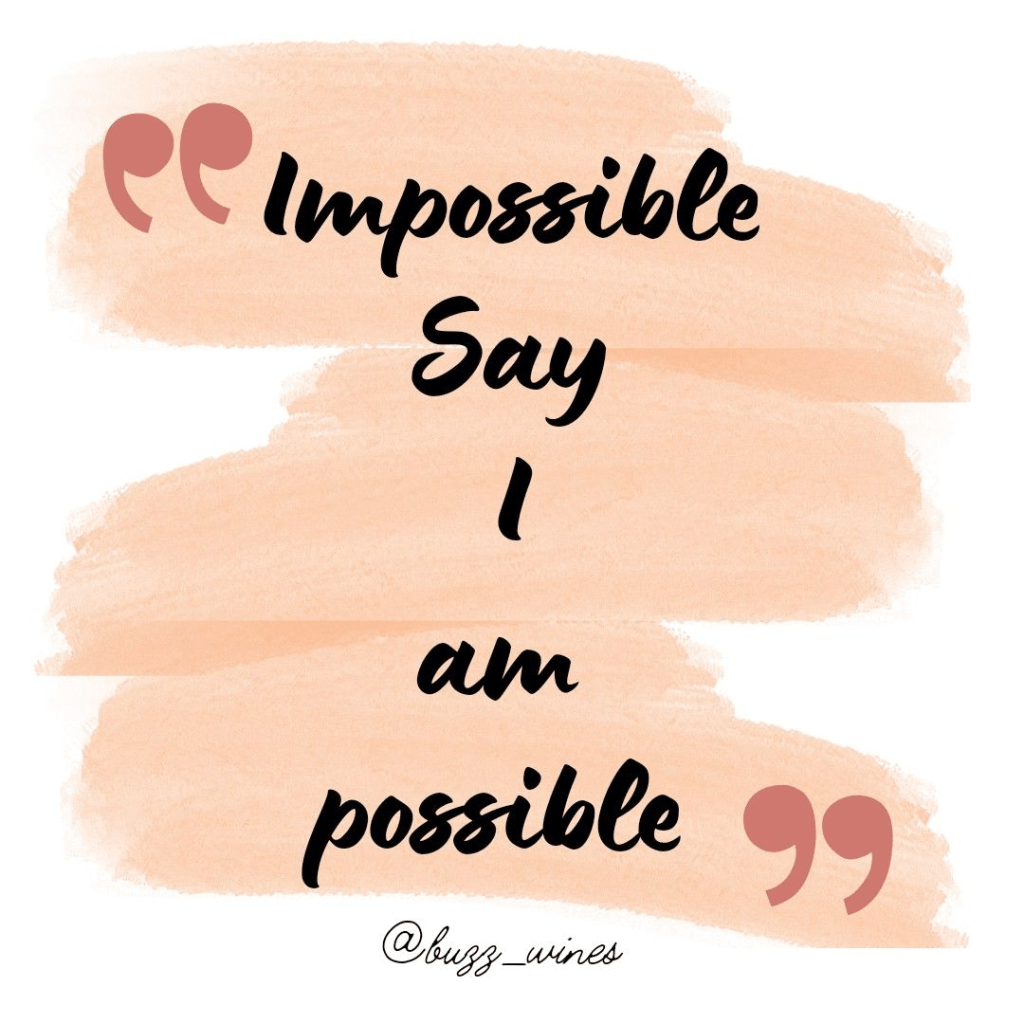
If I truly had the power to ban one word forever, I would choose the word “impossible.”
Let’s explore why.
The Hidden Power of Words
Language is one of humanity’s greatest inventions. With it, we express love, build civilizations, resolve conflicts, and inspire revolutions.
Words can comfort a grieving heart or ignite a courageous spirit. But just as words can uplift, they can also limit.
Some words quietly shape our beliefs about what we can and cannot do. Among these, “impossible” is perhaps the most restrictive.
From childhood, many of us hear phrases like, “That’s impossible,” or “You can’t do that.” Over time, these statements settle into our subconscious, forming invisible boundaries.
We begin to accept limits not because they truly exist, but because language convinced us they did. The word becomes a mental wall long before we ever test our abilities.

Why “Impossible” Deserves Retirement
Imagine a world where the word “impossible” simply didn’t exist. People might say “difficult,” “challenging,” or “not yet understood.”
Notice the difference? Each of these alternatives leaves room for effort, growth, and hope. They acknowledge obstacles without declaring defeat.
History is filled with achievements that were once labeled impossible: flying across oceans, communicating instantly across continents, and curing diseases once thought fatal.
Every breakthrough began when someone refused to accept that word as truth. If those pioneers had believed in “impossible,” many of the conveniences we enjoy today might still be dreams.
The danger of the word lies not in its dictionary definition, but in its psychological impact. When we label something impossible, we often stop trying. We shut the door before even testing the handle.

“Impossible” becomes a quiet thief of potential.
The word doesn’t only affect grand ambitions; it seeps into daily life. A student struggling with math might think, “I’m just not good at this—it’s impossible for me.” A writer facing a blank page might whisper, “I’ll never finish this.”
Someone hoping to change careers, start a business, or learn a new skill may abandon the idea simply because the word appeared in their thoughts.
In this way, “impossible” becomes a quiet thief of potential. It steals chances before they are taken and dreams before they are pursued.

Replacing Limits with Possibility
Banning the word wouldn’t magically remove challenges from life. Obstacles would still exist. Failure would still happen.
But our mindset toward them would shift.
Instead of declaring defeat, we would search for alternatives. Instead of saying “I can’t,” we might ask “How can I?” That small change in language can spark creativity and resilience.
Words influence attitude, and attitude influences action.
When we change our vocabulary, we often change our perspective. Removing one limiting word could open thousands of mental doors.
A Thought Experiment
Picture a child who has never heard the word “impossible.” When faced with a problem, that child wouldn’t think, “This can’t be done.” Instead, they might wonder, “What else can I try?”
That curiosity is the birthplace of innovation.
In many ways, children naturally live without the concept of impossibility until adults teach it to them.
Perhaps the real lesson isn’t that we should literally erase the word from dictionaries, but that we should be mindful of how casually we use it. Language should encourage exploration, not restrict it.
My Final Submission
If I could permanently ban one word from general usage, “impossible” would be my choice—not because it is evil or offensive, but because it quietly convinces people to stop believing in their own potential.
The world advances when individuals challenge limits, not when they accept them.
Maybe we don’t need to erase the word completely. Maybe we simply need to treat it with suspicion, questioning it whenever it appears.
The next time we’re tempted to say something is impossible, perhaps we should pause and ask: Is it truly impossible—or just unexplored?
Because sometimes, the greatest achievements in life begin the moment we stop believing that anything is impossible.
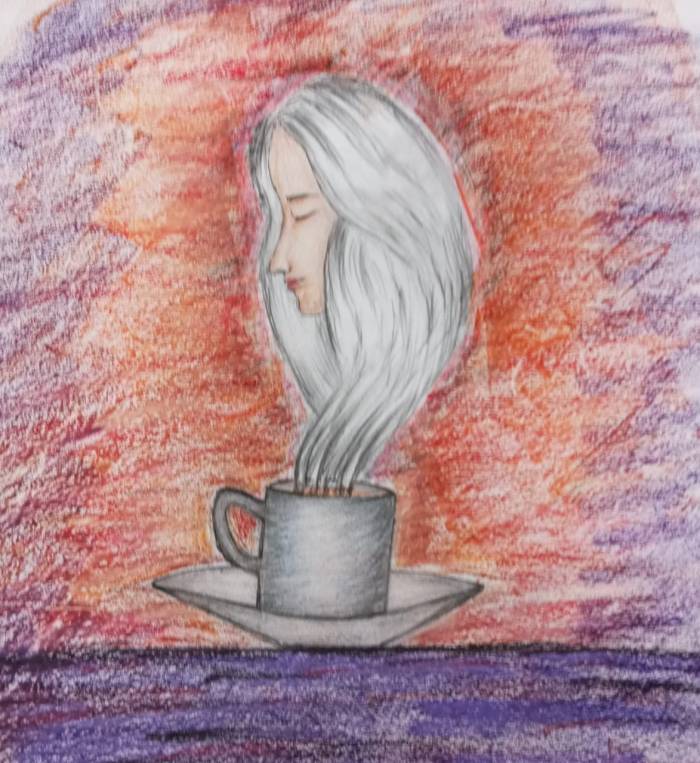
BE HAPPY… BE ACTIVE… BE FOCUSED… BE ALIVE
If this post inspired you, show some love! 💙
✅ Like | ✅ Follow | ✅ Share | ✅ Comment
www.retiredkalam.com
Categories: infotainment
 Retiredकलम
very nice .
LikeLiked by 3 people
Thank you so much.
LikeLiked by 1 person
Completely agree!
LikeLiked by 2 people
I’m glad you feel that way! 😊
It’s always encouraging to connect with someone who shares the same perspective.
Simple agreements like this can be so uplifting—thank you for your kind affirmation! ✨
LikeLiked by 1 person
Yes, anything is possible with God. I avoid that word, too. Wonderful reflections, Verma
LikeLiked by 3 people
Thank you so much for your thoughtful words. I truly appreciate your perspective, and I love how you expressed that—faith has a beautiful way of turning what seems impossible into something hopeful and meaningful. It’s wonderful that you consciously avoid that word too; that mindset itself is inspiring. I’m really grateful you connected with the reflections. 🙏✨
LikeLiked by 1 person
Excellent piece, Verma ji!
Your reflection on the word “impossible” truly resonated with me. The way you’ve articulated how language shapes our mindset—especially the phrase “quiet thief of potential”—is both powerful and thought-provoking.
I especially loved your point about how children naturally live without this concept until we teach it to them. It makes me wonder how much more we could achieve if we approached challenges with that childlike curiosity you described.
The distinction between “impossible” and “not yet understood” is a beautiful reframing. You’re right—every breakthrough in human history began when someone refused to accept that word.
Wonderful writing, and an important reminder for all of us to be more mindful of the words we use. Looking forward to reading more from you! 👏
LikeLiked by 2 people
Thank you so much for this thoughtful and encouraging reflection. I’m truly glad the piece resonated with you and that the ideas spoke to your perspective in such a meaningful way. Your insight about curiosity and possibility captures the very spirit behind those words—it’s wonderful to see how deeply you engaged with them.
I especially appreciate how you reflected on the idea of language shaping our mindset. It’s inspiring to know that the message connected with you and sparked that sense of wonder and reflection. Responses like yours remind me why sharing these thoughts matters.
LikeLiked by 1 person
If we quietly retired the word “impossible,” how many people would attempt the thing they’ve been postponing for years? That question alone makes this post powerful, and the way you framed it shows why your prompts always spark real thought.
LikeLiked by 2 people
Thank you for such a thoughtful and encouraging reflection. Your words truly mean a lot to me. I love how you highlighted that question—it really does make us pause and look inward, doesn’t it? Sometimes all it takes is one shift in perspective to awaken courage we didn’t realize we had.
I’m grateful the prompt sparked that kind of reflection for you, and I sincerely appreciate your kind support and insight. ✨🙏
LikeLiked by 2 people
Thank you for sharing and enabling us to exchange our views, thoughts, and perspectives. Well said that all that it takes is a change in mindset and perspectives 👍
LikeLiked by 2 people
Thank you so much for your thoughtful words. I’m really glad the message resonated with you. It’s amazing how even a small shift in mindset can open new doors in the way we see life and one another. I truly appreciate you sharing your perspective—it’s exchanges like this that make the conversation meaningful and worthwhile. 👍
LikeLiked by 2 people
Verma ji, I agree with you. Banning “impossible” frees our minds from self-made limits, sparking real magic in everyday dreams!
LikeLiked by 1 person
Thank you so much for your kind words!
I’m truly glad the thought resonated with you. You expressed it beautifully—when we remove self-made limits, our minds really do open up to possibilities that once felt out of reach.
That’s where dreams begin to grow and everyday life starts to feel a little magical. I sincerely appreciate your encouragement! ✨🙏
LikeLiked by 2 people
This is a clever expression, I really enjoyed reading it. For a lot of people, “impossible” is a catalyst for innovation, for change, for hope for desire and for pushing the boundaries of evolution…The first thing I wanted to do when I was a child was to do the impossible, because I truly believed I was limitless, then adulthood came upon me…
LikeLiked by 1 person
Thank you for such a thoughtful reflection. I love how you captured the spirit of that word—not as a barrier, but as a spark. It’s beautiful that, as a child, you saw “impossible” as an invitation rather than a limit. In many ways, that instinct never really leaves us; adulthood just layers it with caution and experience.
LikeLiked by 1 person