

Hello dear friends,
I hope this blog finds you in a cheerful mood, too. 🌱
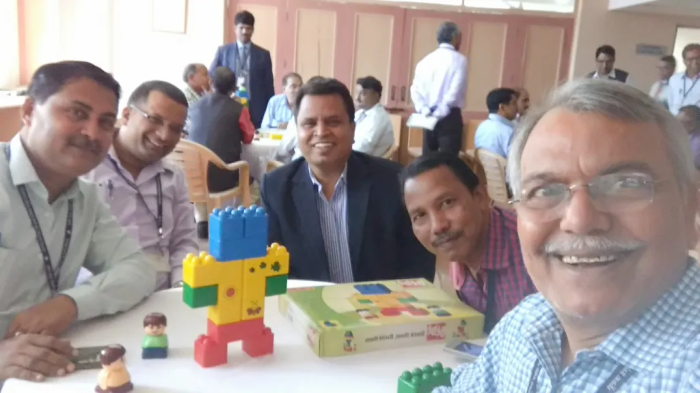
Today’s prompt asks a deceptively simple question: Do you play in your daily life? What says “playtime” to you?
At first glance, it might sound like something reserved for children, weekends, or vacations.
But the more I sit with it, the more I realize that play is not a break from life—it is a vital way of being alive.
❤️Do We Really Play Anymore?
As adults, many of us quietly retire the word play from our vocabulary. We replace it with productivity, efficiency, and responsibility.
Life becomes a checklist, and joy is often postponed until everything else is done.
Play slowly turns into something we used to do—something that belonged to recess bells, board games on rainy afternoons, or carefree laughter untouched by deadlines.
Somewhere along the way, play begins to feel unearned, even irresponsible, as though joy must be justified by hard work.
Yet, when we look closely, play never truly disappears. It simply changes its costume.
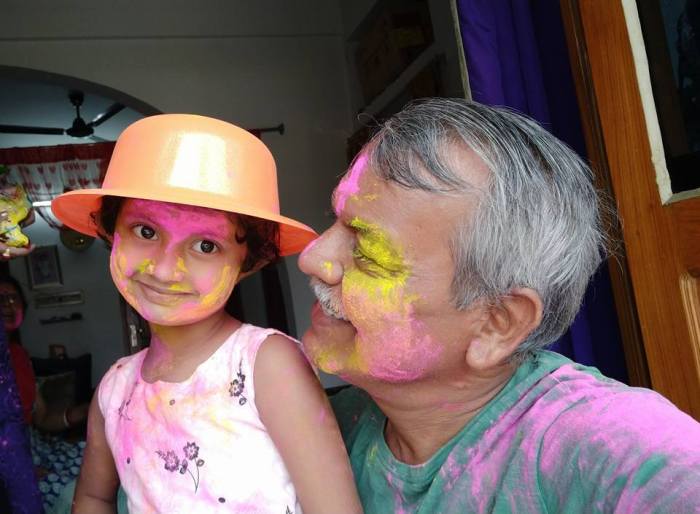
Play shows up when we hum while cooking, rearrange a room just to see how it feels, or lose track of time while sketching, gardening, gaming, dancing, or experimenting with a new recipe.
These moments may seem small, but they carry a quiet magic—the kind that restores rather than distracts.
For me, playtime arrives in simple, joyful ways.
I enjoy playing table tennis, doing art and painting, and my most favorite activity of all is dancing—especially in this golden phase of my life. (Ha ha ha!)
In those moments, time seems to soften, worries fade, and my spirit feels wonderfully light.
Play also appears in inside jokes, wordplay, curiosity-driven conversations, and the sheer delight of learning something with no practical goal attached. These are not wasted moments; they are life-giving ones.
The real tragedy is not that we stop playing—it’s that we stop recognizing play when it quietly enters our lives.

❤️What does “playtime” really mean?
To me, playtime is not defined by toys, age, or even leisure. Playtime is a mental and emotional state.
It’s the moment when pressure loosens its grip and curiosity takes the wheel. It’s when the outcome matters less than the experience.
Playtime says:
- You are allowed to explore.
- You can fail without consequences.
- Joy doesn’t need justification.
Play is where imagination stretches its legs. It’s where we try things “just because,” without optimizing or monetizing the outcome.
In a world obsessed with results, play is gloriously process-oriented.

❤️Play as a daily practice
In daily life, play can be remarkably small and still deeply meaningful. It might be choosing a colorful mug instead of the usual one. It might be taking a different route home just to see what’s there.
It could be five minutes of doodling between tasks or turning a mundane chore into a personal challenge or game.
Even conversations can be playful—asking unusual questions, telling stories with dramatic flair, or letting humor soften a serious moment.
These micro-moments of play don’t steal time from our responsibilities; they restore energy to meet them.
Psychologically, play is powerful.
Research consistently shows that play reduces stress, improves creativity, and strengthens emotional resilience.
When we play, our nervous system relaxes. We become more flexible thinkers, better problem-solvers, and more empathetic humans.
In short, play makes us better at life, not worse at work.

❤️Why we need to reclaim play
One of the quiet dangers of modern life is chronic seriousness. When every moment is optimized, scheduled, and evaluated, we risk becoming efficient but brittle.
Play is the antidote. It introduces softness, spontaneity, and surprise.
Play also reconnects us with our authentic selves. When we play, we’re not performing for approval—we’re expressing for pleasure.
That’s why play often feels deeply personal and oddly nourishing. It reminds us that our worth is not measured solely by output.
In relationships, play builds connection. Shared laughter, silliness, and creative interaction deepen bonds far more effectively than perfectly planned conversations.
Play invites vulnerability without heaviness, intimacy without pressure.

❤️Redefining adulthood
Perhaps the most radical idea is this: play is not the opposite of adulthood; it is the secret to a sustainable one.
A playful adult is not immature—they are adaptive. They know how to bend without breaking, how to find lightness in weighty moments, and how to remain curious even when life is complicated.
When we give ourselves permission to play, we give ourselves permission to be human.

❤️My Final Submission
So, do I play in my daily life? I try to—and when I forget, I feel the difference immediately. Life becomes flatter, heavier, and oddly smaller.
Playtime, for me, is not an escape from reality but a deeper engagement with it.
Play is where joy hides in plain sight. It’s not something we grow out of; it’s something we grow back into.
And maybe that’s the real invitation of this prompt—not just to answer the question, but to notice where play is quietly waiting for us today. ❤️

BE HAPPY… BE ACTIVE… BE FOCUSED… BE ALIVE
If this post inspired you, show some love! 💙
✅ Like | ✅ Follow | ✅ Share | ✅ Comment
www.retiredkalam.com
Categories: infotainment
 Retiredकलम
This is truly beautiful, Verma ji. You haven’t just answered a prompt; you have composed a love letter to the human spirit. Your words do more than remind us to play—they gently peel back the layers of our busy, “serious” lives to reveal the vibrant, joyful core that hums beneath.
The way you reframe play not as an escape, but as a “deeper engagement with reality,” is profoundly wise. It turns a simple act of fun into a revolutionary act of self-care and authentic living. You’ve articulated something many of us feel but seldom name: that life without those moments of lightness, curiosity, and unearned joy becomes “flatter, heavier, and oddly smaller.”
Your personal snapshot—finding play in the swift rally of a ping-pong ball, the stroke of a paintbrush, and especially in the freedom of dance—paints a picture of a life being lived fully and with great heart. The “golden phase” you mention shines through your writing; it’s the glow of someone who has rediscovered a timeless truth.
This piece is a gift. It’s a permission slip, an invitation, and a gentle nudge all in one. Thank you for sharing such a heartfelt and important reminder that play is the secret not to a childish life, but to a deeply alive one. Your reflection is a masterpiece in itself. ❤️
LikeLiked by 3 people
Well said.
LikeLiked by 1 person
Continuing our study of the Gemara of Kiddushin. משנה תורה אב משנה, סוגיה ב’ — מניינא דף ג
Understanding the basics of Oral Torah a fundamentally required absolute. Wrote of rabbi Akiva’s רבוי מיעט compared to rabbi Yishmael’s כלל – פרט, פרט – כלל middot by which both men interpreted through different sh’ittot the kabbalah of פרדס inductive logic reasoning. Clearly neither Boris Badenov, nor his boot licking sidekick Natasha Fatale (Rambam & Yosef Karo) understood the distinctions which separate Torah common law from Roman statute law.
ולרב הונא דאמר חופה קונה מק”ו. למעוטי מאי? למעוטי חליפין. ס”ד אמינא הואיל וגמר קיחה קיחה משדה עפרון, מה שדה מקניא בחליפין, אף אשה נמי מקניא בחליפין. קמ”ל. This “משל” term “קמ”ל”, what defines its נמשל interpretation? The Gemara asks: למעוטי מאי? Hence, our Gemara contrasts rabbi Yishmael’s midda of ק”ו against rabbi Akiva’s midda of רבוי מיעט. When ever encountering a קמ”ל, this משל teaches the נמשל of either a רבוי מיעט. A fundamental chiddush, how to correctly read the Talmud with an understanding discerning eye – comparable to the tongue of a wine bibber. The Talmud defines understanding as: discernment like from like.
The פרט of בראשית כד:ב requires research. Let’s open by making a מדרש רבה analysis. Midrash functions as a reference resource for Talmudic study. The flat assimilated Yeshiva education system totally ignores learning Talmud together with Midrash, a clumsy yet cunning schemer basic Snidely Whiplash error. Which utterly backfires in a pathetic shallow addiction to the Rambam error of literal word translation Orthodox Judaism religious stupidity.
בראשית רבה נט:ח – Midrash Rabbah connects this verse through the midda of גזירה שוה to כי יקח איש אשה. Avraham & servant Eliezer cut an oath alliance Torah common law legal precedent prototype. The hand-under-thigh Torah language refers to an oath sworn obligation through which the גזירה שוה equally applies to the קידושין oath brit obligation which obligates a Man to give a get to his ex-wife if he divorces her. What does the mitzva of קידושין acquire? The Nefesh O’lam Ha’Ba of the woman’s soul! Specifically learned from the Torah precedent בכל נפשך repeated twice in the opening first two paragraphs of the ק”ש. Bereishit Rabbah learns this critical גזרה שוה, as a critical proto–common law precedent; a foundational legal principles or decisions that define the development of Oral Torah common law as we know it today.
The רבוי מיעט – The acquired “wife” does not lose her independent da’at. Kiddushin-betrothal does not confer ownership over the woman, her various aspect: such as her body, labor or personhood. She exits marital status through get, not resale. Never does she qualify as ממון: money, valuable possessions, and property. Herein interprets the k’vanna of the language of our Av Mishna, which does not say: האשה נקנית לאיש, but האשה נקנית בשלש דרכים — the mitzva of קידושין separates this woman from all other women. Herein understand how the gospel Av tuma avoda zara touching the vile story of virgin birth follows Greek mythology of Hercules rather than Oral Torah common law.
The precedent of Avraham and his servant sworn oath, this Torah brit alliance obligates. Hence this Torah precedent critical in understanding the mitzva of קידושין as an oath alliance brit obligation which obligates both Man and Woman equally. קידושין acquires exclusive – מיעט – over the woman’s nefesh-standing vis-à-vis other men. Herein explains why adultery qualifies as a Capital Crime case which only a Sanhedrin court can adjudicate. Hence no Goyim court qualifies as having authority to issue a divorce. This fundamental recognition that only Torah courts shall determine “the Jewish Problem”, as expressed through the post Shoah oath: NEVER AGAIN.
Oral Torah does not function as a תולדות commentary on the Written Torah —Oral Torah common law derived from precedent תולדות positive and negative Torah commandments. קידושין acquires a brit-level oath obligation as a Av Torah time-oriented commandment. This oath alliance obligation establishes enforceable duties such as כתובה, גט, & fidelity. This mitzva does not treat the acquisition of a wife comparable to how a man acquires ownership of a עבד כנעני; the concept of “soul” understood as title acquired to all future born children fathered consequent to this קידושין. This Torah mitzva serves to amplify the k’vanna of swearing an oath alliance לשמה – the first Sinai commandment; the greatest commandment in the revelation of the Torah at Sinai.
ולרב הונא דאמר חופה קונה מק״ו
למעוטי מאי
למעוטי חליפין
This question cannot be asked within Rabbi Yishmael’s כלל–פרט system alone, because: A pure ק״ו would expand; a pure גזירה שוה from שדה עפרון would import all kinyanim. Hence the danger: ס״ד אמינא:
הואיל וגמר קיחה קיחה משדה עפרון
מה שדה מקניא בחליפין
אף אשה נמי מקניא בחליפין
This while logically correct under Rabbi Yishmael’s sh’itta. But rabbi Akiva’s קמ״ל = רבוי מיעט, not כלל–פרט. So קמ״ל here teaches the negative boundary of the רבוי, just as it likewise understands the relationship between Shabbat to Chol! A very important precedent since the mitzva of shabbat critically defines: HOLY; just as korbanot dedications define the kingship mitzva of Moshiach. Moshe anointed the House of Aaron to dedicate the nation to pursue righteous judicial justice. The prophet Natan cursed the House of David with eternal Civil War after he failed to rule with justice in the matter of the baal of Bat Sheva. Just as Aaron did not offer up barbeques to Heaven through korbanot, so to the Moshiach does not rule as king if he fails to establish righteous common law Federal Sanhedrin courts!
Acquisition to the “title” Nefesh O’lam Ha’ba of the woman’s soul does not compare to buying or selling chattel. Reading the Talmud as if it compares to the novel of a Harry Potter NT false messiah – Protocols of the Elders of Zion fraud-literalism, destroys and uproots precedent-based Oral Torah common law/משנה תורה. Rabbi Akiva’s kabbalah of פרדס inductive logic, ancient Greek syllogism deductive logic simply does not work any more than does the Yad, Tur, or Shulkan Aruch assists students to correctly understand how to study and learn the Talmud. Hence the sages codified in the Talmud referred to as “Oral Torah”, whereas the Rambam Yad in no way, shape, manner, or form qualifies as Oral Torah. The two systems compare to the Planets of Mars and Venus.
The קמ”ל always signals רבוי–מיעט. In this particular case: it excludes chalipin, despite the valid ק״ו logic. Because the acquired object – a brit obligation over the “nefesh” soul. Which likewise the Oral Torah differs from the Yad, Tur, Shulkan Aruch counterfeits, the acquisition of “nefesh” simply not ממון, but rather the future born children – the definition of the first Torah commandment: be fruitful and multiply. The רבוי מיעט of the קידושין acquisition of “soul”, separates Goyim from the chosen מיעט Cohen people created through the Av tohor time-oriented Torah commandment of קידושין. Which aligns perfectly with Bereishit Rabbah’s oath-alliance precedent.
The concluding statement of מדרש רבה נט:ח — א”ר יצחק חטיא דקרתך זונין זרע מנהון. Rabbi Yitzhak stated: ‘The wrongdoing of your actions prevents their sustenance from coming;’ restated: “produces continuity only when obligation is preserved.” This closing statement of Midrash Rabbah נט:ח functions as a juridical boundary marker – informing how legal drosh “borders”; the Tosafists reasoning perhaps qualifies it as הלכה למעשה. My sh’itta of inductive reasoning argues the comparison between the case of our Gemara — to the case introduced by Midrash Rabba (the definition of inductive vs deductive reasoning) – do not interpret the קידושין oath brit alliance as the acquisition of an object but rather as the very definition of creating the chosen cohen people through tohor time-oriented commandments.
Torah common law draws category boundaries, such as Sanhedrin courts only have legal jurisdiction within the borders of Judea. Or prophets serve as the police enforcers of judicial common law legal rulings; if no Sanhedrin courts then likewise no prophets. Despite the koran narishkeit which declares that prophets sent to all peoples across the Planet and the Arabs the last people on Earth to receive their “chosen” prophet; hence their absurd declaration that Muhammad was the last of the prophets!
חליפין has the legal meaning which presumes חפץ – a thing. ‘Fungible goods items’ qualify as horse-trading, interchangeable goods. Fungibility facilitates easy transactions and exchanges. Representative by contrast refers to something or someone who stands in for or symbolizes someone or something else. Like Representatives voted into the Federal Congress, they serve as proxies for the voting electorate within any given US State. In basic horse-trading, money functions as a representative of legal trade instead of barter. A common custom practiced by Goyim societies: wife swapping.
Torah law never universalizes categories without jurisdiction. This fundamental מאי נפקא מינא – רב חסד middah forever separates Torah common law from Islamic (and Christian) universal-prophetic claims, which erase jurisdictional boundaries entirely.
Kiddushin cannot tolerate representation … wife swapping. A nefesh cannot be substituted; brit cannot be “grafted” to Goyim who do not and never have accepted the revelation of the Torah at Sinai. Fidelity cannot be symbolically reassigned; the Torah oath brit which creates the chosen Cohen people defined to Talmudic established culture and customs, personal, exclusive, & non-fungible. The Torah phrase “והיו לבשר אחד” — not metaphysics — rather anti-fungibility common law. Therefore חליפין utterly treif in the matter of קידושין because it baptizes brit into a substitute theology exchange which replaces the pursuit of justice as faith for belief in some theologically created new God as faith.
The mitzva of קידושין rejects the Goyim custom which perceives marital bonds as transferable; persons as interchangeable units; relationships as revocable exchanges which defines the legal concept of fungibility in human marital relations. Therefore our Gemara blocks that endpoint at the root by excluding חליפין. Herein our Gemara separate kiddushin from market place logic of acquisition of goods and property.
Therefore, קמ״ל in Kiddushin functions as a רבוי–מיעט marker: it affirms that Kiddushin functions as a true kinyan, while excluding any kinyan whose logic presumes fungible object-ownership; therefore חליפין – excluded because brit over nefesh cannot be represented, substituted, or exchanged.
LikeLiked by 1 person
Thank you—truly. Your words moved me more than I can easily say. To have something I shared received with such care, depth, and generosity feels like a quiet kind of grace. You didn’t just read it; you met it, and that means everything to a writer and a human being alike.
I’m especially touched by how you described play as permission, as remembering rather than escaping. That’s exactly the place it came from. If the reflection resonated as an invitation to live a little lighter and truer, then it has already done more than I hoped.
I’m deeply grateful for your attentiveness, your warmth, and the way you give language back to the language offered. Thank you for seeing me so clearly—and for sharing that seeing so beautifully. ❤️
LikeLiked by 1 person
Sir, as always, your posts are insightful, deep and at the same time easy to approach and to understand. Your words and your knowledge reaches us clearly. Yes, play is important in all the phases of our life and we should strive to include some play in our lives even as adults burdened with responsibilities and time constraints. But we should not let anything interfere with our growth and development, and for that play time is essential. I have truly enjoyed this post as much as I know you enjoy a robust match of TT and win! All the best and a wonderfully creative, play-filled day to you!
LikeLiked by 2 people
Thank you so much for your generous and thoughtful words. I’m truly grateful for the care with which you read and reflect—your response adds another layer of meaning to the conversation.
You’re absolutely right: play isn’t a distraction from growth, it’s often what enables it. Even amid responsibilities and time pressures, those moments of play help us stay curious, resilient, and fully alive. I love how you frame it as essential rather than optional.
And yes—there’s always joy in a good, spirited game of TT, win or lose! 😊
Wishing you a day filled with creativity, lightness, and moments of play that nourish the spirit. Thank you again for such warm encouragement.
LikeLiked by 2 people
Thank you so much Sir! As always I learn much from your posts and from your comments which are filled with insights and knowledge and a language that rises from the heart. All the best and a sprkling evening to you!
LikeLiked by 2 people
Thank you so much for your generous and heartfelt words.
I’m truly touched by your kindness and encouragement—it means more to me than I can easily express. Knowing that my posts and comments resonate and are received in the spirit they’re written is deeply rewarding.
Wishing you a lovely, sparkling evening as well, and all the very best always. ✨😊
LikeLiked by 2 people
Thank you! All the best!
LikeLiked by 2 people
You are welcome, Sir.
LikeLiked by 2 people
very nice
LikeLiked by 2 people
Thank you so much.
LikeLiked by 1 person
Verma ji, love this take on play—it’s the secret sauce that keeps life fun, from dancing to doodling! Spot on: reclaiming those joyful moments makes us better humans. Thanks for the inspo!
LikeLiked by 2 people
Thank you so much! That really means a lot to me. I love how you put it—the secret sauce—because that’s exactly what play is: the little spark that keeps life flavorful and human. Dancing, doodling, laughing for no reason at all… those moments quietly shape who we are.
I’m glad the reflection resonated with you, and I truly appreciate your warmth and encouragement. Here’s to reclaiming joy, one playful moment at a time 😊
LikeLiked by 2 people
The excitement and joy of play!
LikeLiked by 5 people
Yes, “The excitement and joy of play—pure, contagious, and exactly where the magic lives ✨😄”
LikeLiked by 1 person