

Dear Friends,
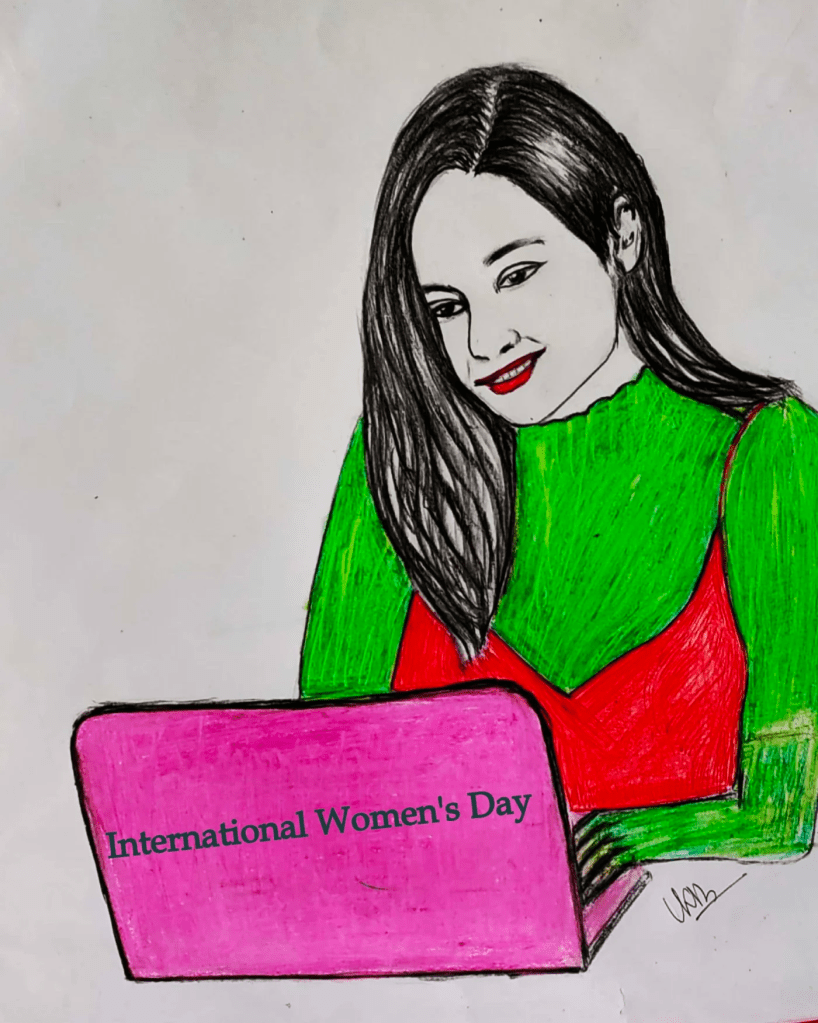
I hope this blog finds you in good spirits. Today’s writing prompt struck a nostalgic chord: What would life look like without a computer?
In a world where our lives revolve around the constant hum of computers and the glow of screens, imagining life without them feels like recalling a distant memory, something almost forgotten.
But let’s step back and explore a world where computers never existed—where life moved at a slower, more deliberate pace, and the analog world held sway over our daily existence.
The Pre-Computer Era
Imagine the time before the digital revolution, when handwritten letters, telegrams, and face-to-face conversations were the primary modes of communication.
Life followed a different rhythm—slower, perhaps, but undeniably richer. Communication had a deliberate pace, and the world felt more intimate.
Without computers, every task required more effort but also carried a certain satisfaction. There was a tangible quality to life—one shaped by touch, interaction, and time.
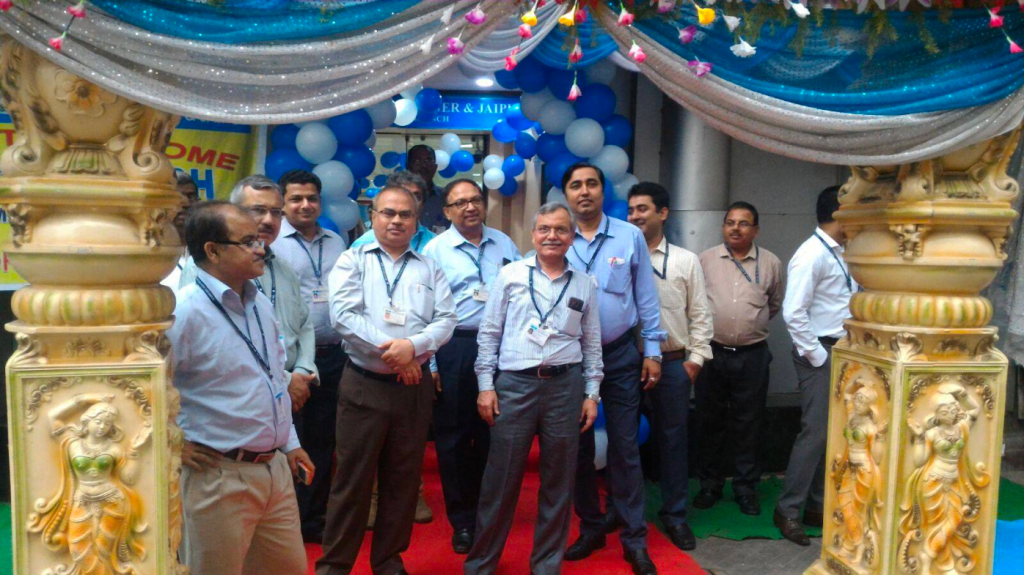
A Journey Back in Time
My Early Professional Life
Reflecting on my early days in banking, I remember the towering ledgers, each page meticulously filled with account transactions.
Closing these ledgers and balancing accounts each month was a ritual that demanded precision and patience.
The year-end closure in March was an event—long hours, late nights, and a shared camaraderie that brought us together.
Before computerisation, banking was a highly manual process. The satisfaction of completing a task after hours of effort was immense.
While modern automation has made things faster and easier, something essential about that time—the human connection, the shared experience—feels lost in today’s world of instant results.
Communication Without Computers: A Slower but Deeper Connection
In a world without computers, communication would be far more deliberate. The anticipation of a letter arriving, the warmth of a phone call, or the joy of meeting someone in person carries a depth that digital communication lacks.
Sure, messaging apps give us instant responses, but they often miss the sincerity and thoughtfulness of old-fashioned methods.
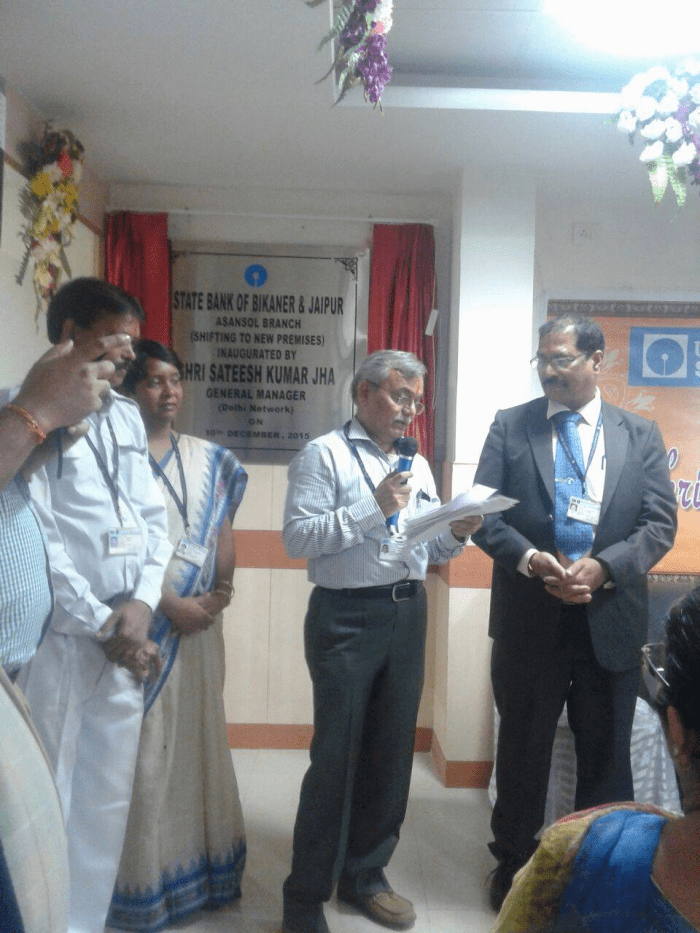
I still remember when our bank first embraced computerisation. The machines, with their blinking cursors, felt alien.
For those of us accustomed to manual processes, navigating this new technology was daunting. But necessity became the mother of adaptation, and soon enough, computers became an integral part of our lives.

Education: Back to Libraries and Books
Without computers, education would return to physical books, libraries, and handwritten notes.
The tactile experience of turning pages and interacting with physical materials might enhance comprehension and retention in ways that digital learning cannot.
While access to global knowledge might be limited, education would be more personalised and grounded in face-to-face learning.
Business and Economy: A Return to Craftsmanship?
Businesses would be profoundly different without computers. Operations would be slower, relying on manual record-keeping.
While human error might increase, the absence of digital marketing and automation might shift focus to craftsmanship, personal service, and deeper relationships with customers.
Globalisation would slow, but local economies might thrive, centered on genuine human connections.
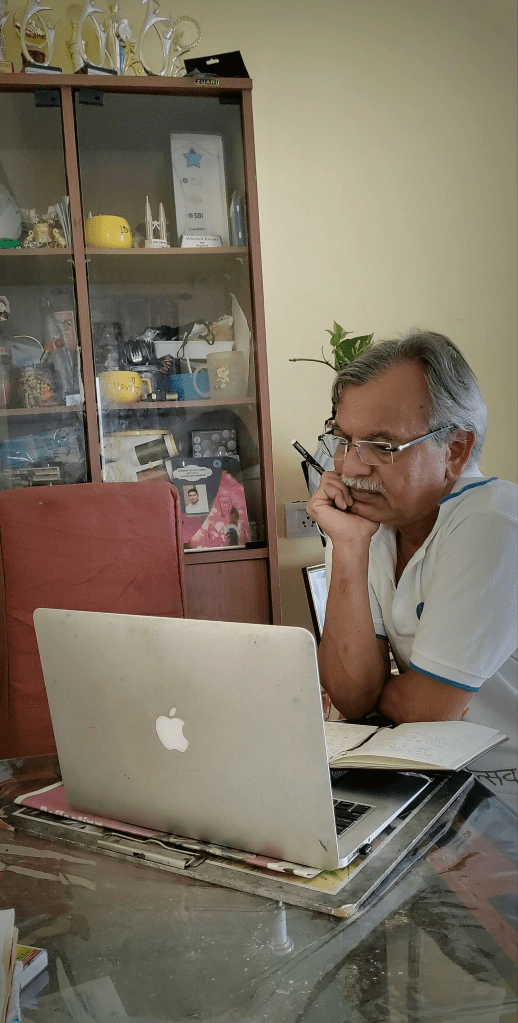
Healthcare: More Time, Less Data
Healthcare would face significant challenges in a computer-less world. Advanced diagnostic tools and telemedicine would be non-existent.
However, the absence of computers might bring a return to more personal doctor-patient relationships.
Physicians would rely more on clinical judgment and spend more time understanding their patients, creating a deeper bond.
Entertainment: Rediscovering Simplicity
Entertainment would change drastically as well. Without digital media, we’d turn back to simpler forms of amusement—outdoor games, board games, books, and live performances.
Perhaps we’d lead more active, healthier lives, rediscovering the joys of physical activity and in-person interaction.
A Balanced Perspective: Tools, Not Life Itself
Life without computers would undoubtedly pose challenges in today’s fast-paced, interconnected world. The convenience, efficiency, and opportunities computers bring are undeniable.

Yet, it’s crucial to remember that computers are tools—they are not the essence of life.
In a world without computers, we might slow down, appreciate the nuances of human interaction, savor the beauty of a handwritten letter, or lose ourselves in the pages of a book.
Our lives might move at a slower pace, but that deceleration could reveal a deeper appreciation for the tangible world around us.
Finding Harmony in Today’s World
As we navigate the dance between the digital and analog worlds, we must remember that a fulfilling life isn’t defined by our devices but by the connections we make and the experiences we cherish.
Life without computers challenges us to think about balance—how we can use technology without losing sight of what makes life meaningful.
So, take a moment to imagine life without computers. In doing so, you might discover a more profound, richer way to live, even amidst the hum of technology.
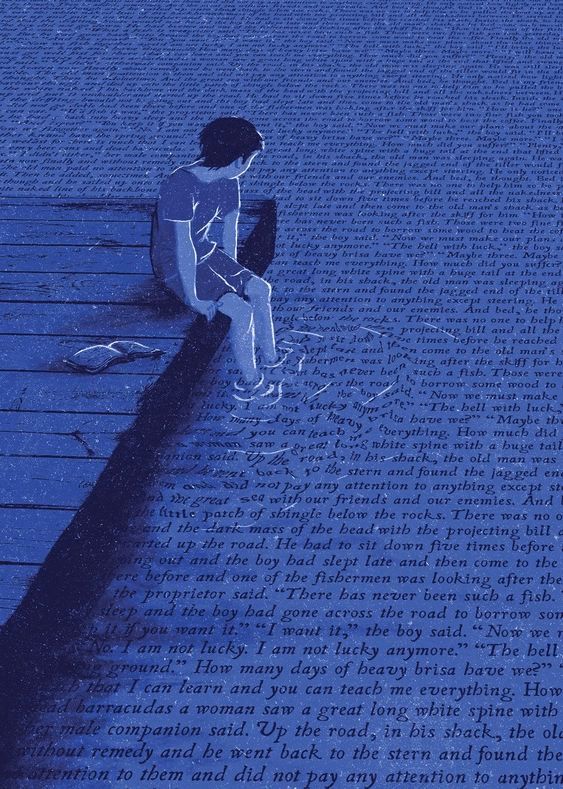
(Pic courtesy : Google.com)
Categories: infotainment
 Retiredकलम
High five Sir 👋, even I belong to that Era
LikeLiked by 1 person
High five to you too!,😛
It’s always great to meet someone who shares those experiences from a time when life moved at a different pace.
That era taught us the value of patience, hard work, and meaningful human connections.
While we’ve embraced technology and all its conveniences, there’s a special kind of nostalgia that reminds us of how fulfilling life was.
It’s amazing to reflect on those times and see how far we’ve come, but also to cherish the simplicity and depth of those earlier days.
Thank you for the connection—it’s always heartwarming to share these memories!
LikeLiked by 1 person
The computer simplifies some things, but complicates others.
LikeLiked by 2 people
You’re absolutely right!
Computers have undeniably simplified many aspects of life—whether it’s quick communication, instant access to information,
or streamlining work processes. Tasks that once took hours or even days can now be done in moments. But with that convenience
also comes a new set of complications.
From the constant distractions and information overload to the loss of personal touch in communication,
The key, I suppose, is finding a balance—embracing the benefits of technology without letting it dominate
or disrupt the more meaningful aspects of life.
LikeLiked by 2 people
very nice
LikeLiked by 3 people
Thank you.
LikeLiked by 1 person
Nice post 🧡💗❤️
Blessings 🌸💮🌹
LikeLiked by 2 people
Thank you so much for your kind words,
Stay happy and blessed.
LikeLiked by 1 person
Nice post! If you wouldn’t mind, subscribe for very cheap to our blog at the homepage neuralaym.com for unique neurological tales! Save over $20,000 then you would in college or at the doctor’s office by subscribing today!!
LikeLiked by 3 people
Thank for sharing.
LikeLiked by 1 person
hello I was on the net and I looked at your site. I think it is great.You can post your site on my free classified site
Tim
LikeLiked by 1 person
Thanks for sharing.
LikeLike