Dear friends,
Every life is a story worth telling, a journey filled with dreams, struggles, triumphs, and challenges. Yet, each year, over 700,000 of these stories end prematurely due to suicide.
It’s a global crisis that whispers in the shadows, often silenced by stigma and misunderstanding.
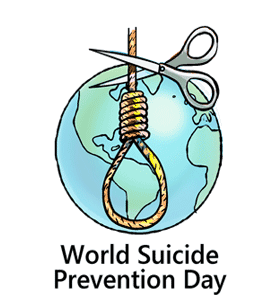
On the eve of World Suicide Prevention Day, we unite to shine a light on this silent epidemic, to challenge misconceptions, and to foster a culture of empathy and open dialogue.
The Silent Toll
Suicide doesn’t discriminate. It affects people of all ages, genders, and backgrounds. It’s the third leading cause of death among 15-29-year-olds globally, robbing us of young minds brimming with potential.
The reasons are complex—mental health disorders like depression and anxiety, substance abuse, traumatic experiences, and feelings of isolation all play a part.
Yet, despite its prevalence, suicide remains a taboo topic, cloaked in silence and shame.
Changing the Narrative
The theme for World Suicide Prevention Day 2024-2026, “Changing the Narrative on Suicide,” is a call to action—a plea to start conversations that can save lives.
By breaking the silence, we dismantle the myths and misconceptions that surround mental health. We challenge the notion that discussing suicide plants the idea in someone’s mind.
In reality, open dialogue can provide relief, reduce feelings of isolation, and encourage individuals to seek help.
“Start the Conversation” is more than a slogan; it’s a lifeline. It’s about creating safe spaces where people feel heard and understood without judgment.
By sharing our stories and listening to others, we build connections that can make the difference between despair and hope.

Lesser-Known Facts About Suicide and Prevention
Impulsivity Plays a Significant Role:
Many suicides are impulsive acts committed in moments of acute distress. This underscores the importance of immediate support systems like crisis hotlines and mental health services that can intervene during critical moments.
The Gender Paradox:
While women are more likely to attempt suicide, men are statistically more likely to die by suicide.
Societal expectations often discourage men from expressing vulnerability or seeking help, contributing to this disparity.
Cultural Context Matters:
Attitudes toward mental health and suicide vary widely across cultures. In some societies, strong taboos prevent open discussion, while others may have more accepting attitudes.
Tailoring prevention strategies to respect cultural nuances is essential for effectiveness.
Economic Factors Influence Suicide Rates:
Economic instability, unemployment, and financial stress can increase suicide risk. During economic downturns, communities may see a rise in suicide rates, highlighting the need for robust social support systems.
Technology as Both a Risk and a Resource:
The digital age brings new challenges and opportunities. While cyberbullying and exposure to harmful content can exacerbate suicidal thoughts, technology also offers innovative platforms for support and intervention, such as online counseling and mental health apps.
Suicide Among the Elderly is Underreported:
Older adults, particularly those experiencing loneliness or chronic illness, are at high risk.
However, suicide in this demographic often receives less attention, leading to underreporting and insufficient support resources.

History of World Suicide Prevention Day
Established in 2003 by the International Association for Suicide Prevention (IASP) in collaboration with the World Health Organization (WHO), World Suicide Prevention Day aims to raise awareness that suicide is preventable.
Over the years, it has evolved into a global movement, bringing together governments, organizations, and individuals.
Through education, advocacy, and community engagement, the day fosters a collective commitment to reducing the stigma surrounding mental health.
The Power of Community
Preventing suicide is not the sole responsibility of mental health professionals; it’s a collective effort that involves friends, family, educators, and community members.
Strong social connections and supportive relationships act as protective factors against suicide. By reaching out to those who may be struggling, we can offer hope and practical assistance.
How Can You Help?

Start the Conversation:
If you notice someone showing signs of distress—such as withdrawal, drastic mood changes, or expressions of hopelessness—don’t hesitate to reach out.
A simple question like, “I’ve noticed you’ve seemed down lately; do you want to talk about it?” can open the door to a life-saving dialogue.
Educate Yourself and Others:
Understanding the warning signs of suicide and the factors that increase risk is crucial.
Share this knowledge within your community to build a network of informed individuals who can offer support.
Support Mental Health Initiatives:
Advocate for policies that improve access to mental health care. Support local organizations that provide resources and services to those in need.
Leverage Technology Positively:
Use social media and other platforms to spread awareness, share supportive messages, and connect individuals with resources.
Encourage responsible use of technology to foster community and support.
Practice Self-Care and Encourage Others to Do the Same:
Taking care of your mental health sets a positive example and enables you to be there for others.
Encourage practices like mindfulness, regular exercise, and seeking professional help when needed.

World Suicide Prevention Day serves as a reminder that we all play a role in saving lives.
By changing the conversation around suicide, we shift from silence to dialogue, from stigma to support, and from isolation to community. Every story and voice can make a difference.
Let’s commit to being the generation that not only talks about mental health but actively supports it.
Together, we can create a world where seeking help is seen as a strength, where every individual feels valued, and where the tragic loss of life to suicide becomes a rarity rather than a common occurrence.
Remember, it’s okay not to be okay. Help is available, and you are not alone. Let’s start the conversation today.
(All Image courtesy:Google.com)
पहले की ब्लॉग हेतु नीचे link पर click करे..
BE HAPPY….BE ACTIVE….BE FOCUSED….BE ALIVE…
If you enjoyed this post, please like, follow, share, and comments
Please follow the blog on social media … links are on Contact Us page..
Categories: motivational
 Retiredकलम
💓💚❤️
LikeLiked by 2 people
Thanks you for reading my article.💕
LikeLiked by 1 person
very nice
LikeLiked by 2 people
Thank you.
LikeLiked by 1 person
NICE post 💚💓💖
Greetings 🌞🌈🇪🇸
LikeLiked by 1 person
Thank you so much.💕
LikeLike
Causes of suicide are many depending upon age, gender and profession.Farmers in our country are making suicide due to burden of debt.Some young child are making suicide because not fulfilling own desires and also pressure from parent. Blog has given good knowledge for the social evils.
LikeLiked by 1 person
Thank you for sharing your thoughts on such a sensitive and crucial issue.
Indeed, the causes of suicide are complex and vary across age, gender, and profession. As you mentioned, farmers in our country often face unbearable financial pressures, leading to tragic consequences, while young children and students may feel overwhelmed by societal expectations, parental pressure, or unfulfilled desires.
It’s heartbreaking to see how these social challenges affect different segments of society, and it’s essential to raise awareness about these issues.
LikeLike