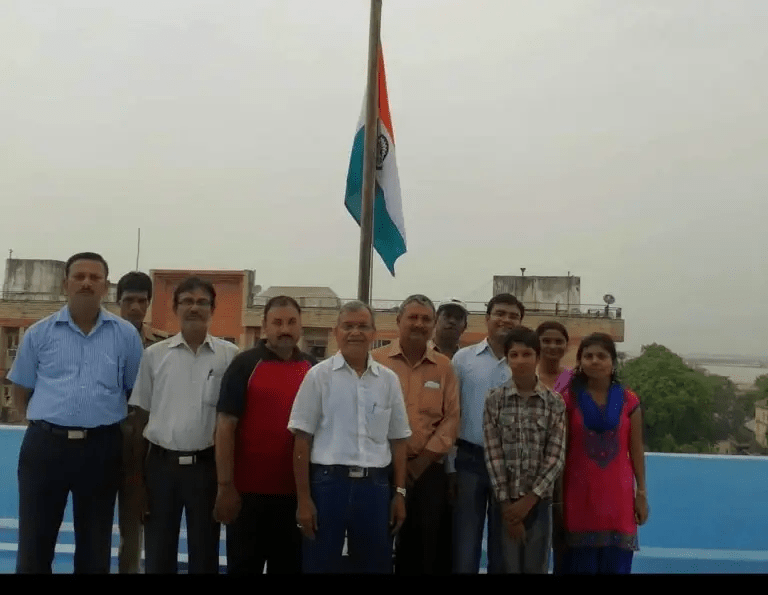
Happy Independence Day
As India basks in the glow of its 78th Independence Day, the nation comes alive with patriotic fervor. Let’s embark on a journey to uncover these hidden facets.
The Midnight Symphony of Freedom
India’s tryst with destiny unfolded not at dawn, but at the stroke of midnight on August 15, 1947. The British, considering the date inauspicious, chose this unusual hour for the transfer of power.
As the world slept, a new India was born. Jawaharlal Nehru’s iconic “Tryst with Destiny” speech echoed the collective heartbeat of a nation on the cusp of a historic transformation.

The Unsung Architects of Independence: The INA
Beyond the familiar narratives of struggle and triumph, lies a tapestry of lesser-known stories that enrich our understanding of this monumental chapter in history.
While Mahatma Gandhi and Jawaharlal Nehru rightfully occupy center stage in India’s freedom struggle, the Indian National Army (INA) led by Subhas Chandra Bose often remains in the shadows.
Composed of Indian soldiers who had defected from the British Indian Army, the INA fought valiantly against the British in Southeast Asia. Their efforts, though militarily unsuccessful, ignited a spark of rebellion among Indian soldiers, hastening the end of colonial rule.
Imagine the courage of these soldiers, fighting far from home, their hearts ablaze with the dream of a free India.

Partition: A Scar Across the Nation
The joy of independence was marred by the tragedy of Partition, a cataclysmic event that carved a deep wound in the nation’s soul. The decision to divide India on religious lines triggered one of history’s largest mass migrations.
Millions were uprooted, their lives shattered by violence and displacement. The echoes of Partition continue to reverberate in the subcontinent’s social and political fabric.
The indomitable spirit of India’s Women
While the contributions of male leaders are celebrated, the role of women in India’s freedom struggle often remains underappreciated. Figures like Sarojini Naidu, Kamala Nehru, and Aruna Asaf Ali were pillars of strength, inspiring and leading the masses.
The Rani of Jhansi Regiment, an all-women combat unit of the INA, symbolized the indomitable spirit of India’s women.
Visualize these courageous women, their voices echoing amidst the roar of the freedom movement, their determination unshakeable.
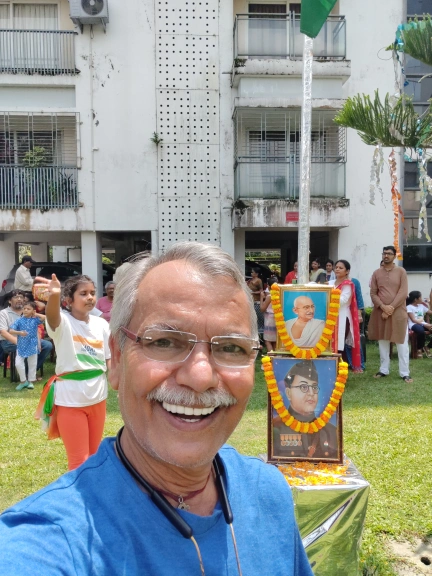
Beyond the Anthem: A Symphony of Patriotism
Rabindranath Tagore’s “Jana Gana Mana” is our national anthem today, but it wasn’t the first choice. Initially, Bankim Chandra Chatterjee’s “Vande Mataram” was considered.
However, its overtly religious tone led to the adoption of “Jana Gana Mana” for its inclusive spirit. Both songs continue to evoke a deep sense of patriotism.
The Iron Man vs. The Visionary: A Leadership Dilemma
The question of who should lead independent India – Sardar Vallabhbhai Patel or Jawaharlal Nehru – was a subject of intense debate.
Patel, the “Iron Man,” was instrumental in unifying the princely states. Nehru, on the other hand, was Gandhi’s choice, seen as a unifying figure. Ultimately, the mantle fell on Nehru, marking the beginning of a new era.

The Tricolor: A Canvas of Hope
India’s national flag, with its saffron, white, and green hues, is a symbol of our rich heritage and aspirations. The 24-spoke Ashoka Chakra represents the eternal wheel of law and progress.
Designed by Pingali Venkayya, the flag underwent several iterations before taking its final form.
Building a Nation: The Constitution
India’s independence dawned without a written constitution. The Constituent Assembly, under the leadership of Dr. B.R. Ambedkar, labored tirelessly to create a document that would be a beacon of hope for a billion people.
Adopted on January 26, 1950, the Constitution laid the foundation for the world’s largest democracy.
Inspiring Freedom Movements
India’s struggle for independence resonated far beyond its borders. It inspired anti-colonial movements across Asia, Africa, and the Caribbean.
Leaders in these regions looked to India as a beacon of hope, demonstrating the power of non-violent resistance.

A Legacy to Cherish
Independence Day is more than just a celebration; it’s a moment of introspection. It’s a reminder of the sacrifices made by countless individuals for the freedom we cherish today.
As we commemorate this historic day, let us renew our commitment to the ideals of democracy, justice, and equality.
By delving into these lesser-known facets, we pay homage to the unsung heroes who shaped India’s destiny. Their stories are a testament to the indomitable human spirit and the power of collective dreams.
BE HAPPY….BE ACTIVE….BE FOCUSED….BE ALIVE…
If you enjoyed this post, please like, follow, share and comments
Please follow the blog on social media …link are on contact us page..
Categories: infotainment
 Retiredकलम
Jai Hind 🙏🙏
LikeLiked by 1 person
जय हिन्द |
LikeLike
Happy Independence Day to you Sir and to all your countrymen!
LikeLiked by 1 person
Thank you so much for your warm wishes.
This day is a reminder of the sacrifices made and the strength of unity.
Let us celebrate the spirit of freedom and continue to work together towards peace, prosperity, and progress for all. .
How is your day ?
LikeLiked by 1 person
I quite agree Sir! My day is moving along quite well, Sir, painting and writing. Hope you fully enjoy the rest of the day!
LikeLiked by 1 person
Good evening, Sir.
I’m glad to hear your day is going well, filled with creativity and passion.
That sounds like a perfect way to celebrate! May your art and words continue to inspire.
Thank you for the kind wishes.
Keep shining with your creativity!
LikeLiked by 1 person
Thank you so much Sir for such well-wishes. I wish you the same and a peaceful night. Catch you in the morning.
LikeLiked by 1 person
Yes, Sir.
Good night. Sweet dreams.
LikeLiked by 1 person
Good night Sir, sweet dreams
LikeLiked by 1 person
Good morning, Sir.
I am on morning walk track.
LikeLiked by 1 person
Good morning! Enjoy your walking Sir and have a wonderful day!
LikeLiked by 1 person
Thank you, Sir,
I just came from swimming and now planning to join painting session online.,
LikeLiked by 1 person
Sounds good Sir! A great way to spend the day. We should always manage to include art, meditation and exercise in our daily routine. Health is important for body and mind. All the best to you.
LikeLiked by 1 person
Thank you so much, Sir.
I agree with you, Incorporating art, meditation, and exercise into our daily routine is key
to maintaining a healthy body and mind. It’s all about finding balance and nurturing ourselves in every way possible.
Wishing you the very best as well—may your days be filled with creativity, peace, and good health! 🌟
LikeLiked by 1 person
Thank you! Many blessings today and always!
LikeLiked by 1 person
Thank you, Sir.
Good night . Sweet dreams and see you in the morning.
LikeLiked by 1 person
Good night Sir, pleasant dreams. And yes, God willing I’ll catch you in the morning.
LikeLiked by 1 person
Good morning, Sir.
I was in swimming pool and enjoyed morning blue water exercise.😂😂
LikeLiked by 1 person
Good morning! A great way to start the day! I will have my breakfast and go on my walking track or maybe do a little kayaking if the sea is still. Be at peace, be in wonder, be creative.
LikeLiked by 1 person
Good morning, Sir.
It sounds like a perfect start to the day—nourishing your body and soul with breakfast and a refreshing walk or a serene kayaking session. Embracing peace, wonder, and creativity is the best way to approach the day. This is very inspiring .
may your day be filled with joy and inspiration!
LikeLiked by 1 person
Thank you so much Sir! May your day also be filled with joy and inspiration! A wonderful thought! I will continue to paint today.
LikeLiked by 1 person
Thank you, Sir. My painting session is going on.
LikeLiked by 1 person
Great! I am sure you will enjoy it and do nice work!
LikeLiked by 1 person
Yes, Sir.
Sunday was reserved for my painting practice only.😂😂
LikeLiked by 1 person
I am sure you did some good work on your painting practice. I too was painting today, now I am working o a new poem. Have a nice evening Sir, a sparkling one!
LikeLiked by 1 person
Thank you, Sir.
It’s wonderful to hear that you’ve been painting and now diving into poetry—such a creative flow!
I’m sure your new poem will be as inspiring as your art. Wishing you a pleasant evening filled with creativity and joy.
Keep that spark shining brightly!
LikeLiked by 1 person
Working, working, polishing, searching, re-writing, developing ideas, all of that is the crux of creating art. Originality and creativity are not that important. What is important for an artist is to engage in the work he is doing and finding solutions for the problems posed by the piece, whether it is a painting, a poem, a song or a dance piece. Thank you so much Sir for your encouragement and words of knowledge. We will both…and hopefully many more…keep the spark shining brightly! All the best!
LikeLiked by 1 person
Thank you for such a thoughtful and insightful message.
You’ve captured the essence of the creative process beautifully. It’s true that the journey of creation—immersing ourselves in the work,
solving the challenges it presents, and continuously refining our craft—is what truly matters.
Originality and creativity often emerge naturally from this dedicated effort. I’m thrilled to be part of this journey with you, and
I believe that as we continue to nurture our passions, we’ll inspire others to do the same.
Let’s keep that spark alive and shining brightly together! All the best to you as well!
LikeLiked by 1 person
You have said it brilliantly Sir. We shall! All the best.
LikeLiked by 1 person
I am enjoying my painting today ?
LikeLiked by 1 person
Good morning! I know you will enjoy painting as it is a great way to develop talent and creativity. Have a wonderful day Sir!
LikeLiked by 1 person
Thank you for your kind words.
Painting truly is a wonderful way to nurture creativity and talent. I’m looking forward to it and try to practice more and nore.
Wishing you a fantastic day ahead as well! 🎨😊
LikeLiked by 1 person
Thank you! I am sure you will be well pleased with your accomplishments. A wonderful day to you!
LikeLiked by 1 person
Good evening, Sir.
How is your day ?
LikeLiked by 1 person
A beautiful day and at night a very good film. Good night Sir and sweet dreams.
LikeLiked by 1 person
Oh, yes, it sounds like a perfect day.
Thank you, your words always inspire me.
Just started the day with morning walk followed by swimming.. 😊
LikeLiked by 1 person
Good morning Sir! Have a great morning walk and swim!
LikeLiked by 1 person
My day was busy with poem writing today.
what about you, Sir ?
LikeLiked by 1 person
Wonderful! Today I finished my new painting and did some blog entries, had lunch with family on the beach, had a brief nap and now I am working again until about 2000 hours. Then I will enjoy some wine with friends and family. I hope you have a great evening, a sparkling evening. All the best SIr.
LikeLiked by 1 person
That sounds like a beautifully fulfilling day, Sir.
Your balance of creativity, family time, and relaxation is truly inspiring. I hope you continue to enjoy the rest of your evening,
and may your time with friends and family be filled with joy and laughter.
All the best, Sir.
LikeLiked by 1 person
Thank you 🙏🏻 so much! All the best.
LikeLiked by 1 person
Good morning, Sir.
I am enjoying drawing session today.😊😊
LikeLiked by 1 person
Sounds nice Sir. Enjoy and keep working on your drawings which are quite good. All the best.
LikeLiked by 1 person
Yes sir..I enjoyed it a lot..How about you?😊
LikeLiked by 1 person
Very much indeed Sir. And I am still working, a little later today than usual but I had a busy day. All the best.
LikeLiked by 1 person
That is nice, Sir.
It sounds like you’ve had a productive day. Take your time, and make sure to get some rest later.
All the best with your work.
LikeLiked by 1 person
Thank you 🙏🏻 Sir! You too, have a restful night.
LikeLiked by 1 person
Good night, Sir.
See you tomorrow morning.💕
LikeLiked by 1 person
Good night and sweet dreams. God willing I’ll catch you in the morning.
LikeLiked by 1 person
Good morning, Sir.
I am on morning walk track.
LikeLiked by 1 person
Good morning! Have a great walk and a great day!
LikeLiked by 1 person
Good morning, Sir,
I am on morning walk track.
LikeLiked by 1 person
Good morning Sir! Have a great day!
LikeLiked by 1 person
Enjoying mu Sunday with a start of new painting.
How is your day ?
LikeLiked by 1 person
Starting a new painting is always a great adventure. Plan well but leave room for a little…or a lot…of improvisation. It comes with the territory. My day is beautiful. It is bright and sunny and the breeze is blowing nicely. Now to do some writing and blog entries for next week. All the best to you.
LikeLiked by 1 person
Yes, Sir, that is like a perfect day.
Starting a new painting truly is an adventure, and I love your approach of planning with room for improvisation—it’s where creativity really shines. Enjoy the process, whether it’s on the canvas or in your writing.
Wishing you a beautiful and inspiring day ahead.
All the best to you as well! 😊🎨📚
LikeLiked by 1 person
Thank you so much Sir! I truly appreciate your words of encouragement! Enjoy and allow the beauty to flow.
LikeLiked by 1 person
You’re most welcome, Sir.
I’m delighted that my words resonated with you.
Let the beauty within you guide your creativity and inspire me also.
Enjoy every moment of your artistic journey! 🌟😊
LikeLiked by 1 person
Thank you so much for such beautiful words. We shall continue to inspire each other to lead our way towards blessings and creativity. I am thoroughly enjoying the time God gives me to fulfil my duty as an artist. You too Sir, as you are my inspiration.
LikeLiked by 1 person
Thank you for your kind words.
It’s truly a blessing to be on this creative journey together, inspiring and uplifting each other along the way.
Your dedication to your art is truly admirable, and it’s an honor to be part of your creative process.
Let’s continue to share this joy and bring beauty into the world through our work. 💕
LikeLiked by 1 person
Yes, absolutely Sir, I quite agree.
LikeLiked by 1 person
Thank you , Sir.
Now, I am enjoying my evening sports, TT .
Hope, you will enjoy grand evening too.
LikeLiked by 1 person
Thank you so much Sir. Have a great evening and a restful night. We are heading into the evening but I am still working on some blog entries and some poetry. All the best.
LikeLiked by 1 person
very welcome, Sir.
It sounds like a creative evening for you.
Wishing you a productive time with your blog entries and poetry,
and a sparkling evening.
LikeLiked by 1 person
Thank you. Have a good and restful night Sir. Catch you in the morning.
LikeLiked by 1 person
Good morning, Sir.
I am on morning walk track.
LikeLiked by 1 person
Good morning! Have a wonderful day!
LikeLiked by 1 person
Thank you so much, Sir.
Today I am celebrating a festival called “Krishna Janmashtami” as we worship Lord Shree Krishna ,
LikeLiked by 1 person
Wonderful Sir! May you enjoy a blessed festival!
LikeLiked by 1 person
Thank you, Sir.
May Lord Krishna’s divine grace bring you happiness, prosperity, and peace today and always. 🌼🙏
LikeLiked by 1 person
Thank you Sir. Amen.
LikeLiked by 1 person
Good night, Sir. And Sweet dreams.
See you in the morning.
LikeLiked by 1 person
Have a restful night Sir, pleasant dreams. God willing, tomorrow is another day.
LikeLiked by 1 person
Good morning, Sir.
I am on morning walk track.
LikeLiked by 1 person
Good night, Sir,
See you tomorrow morning.
LikeLiked by 1 person
Pleasant dreams Sir.
LikeLiked by 1 person
I am enjoying abstract painting, Sir.😊😊
LikeLiked by 1 person
Good morning, Sir.
I am on morning track.
LikeLiked by 1 person
Good morning Sir! Have a wonderful morning!
LikeLiked by 1 person
Thank you, Sir.
It is raining here and very cool cool today.
How is your day, Sir ?
LikeLiked by 1 person
Well, sometimes a change in the weather, like cool and rain, breaks the routine but it also cleanses the atmosphere and lets us appreciate sunny days much more. All good here, nice and sunny but not too hot and it is quite breezy. I have had meetings all morning with friends who were visiting our town so I’ve not done much work… Well, it is a change of pace but one needs that as well. Take good care and all the best.
LikeLike
Thank you, Sir.
It’s wonderful to hear that you’re enjoying your creative pursuits. I did get some time to work on my painting, and
it’s always refreshing to immerse oneself in art.
I’m excited to hear that you’re working on a new poem—there’s something magical about bringing words to life.
Wishing you a delightful and sparkling evening as well! Keep creating and shining brightly!
LikeLiked by 1 person
Thank you 🙏🏻
LikeLike
जय हिन्द 🇮🇳
LikeLiked by 2 people
Happy Independence Day sir🇮🇳🇮🇳✨🙏
LikeLiked by 1 person
Happy independence day 🌞
LikeLiked by 1 person
Jai Hind.
LikeLike
Happy Independence Day 🇮🇳 🇮🇳
LikeLiked by 1 person
Thank you, and a very Happy Independence Day to you as well!
May this day inspire us all to uphold the values of freedom, unity, and justice.
Let’s celebrate the spirit of independence with pride and joy. Jai Hind!
LikeLiked by 1 person
Jai Hind, Prime Minister Modi’s in his speech also addressed women’s safety, the protection of Bangladeshi Hindus, and future goals like the 2036 Olympics. He also discussed One Nation, One Election, and increasing medical seats in India.
LikeLiked by 1 person
Jai Hind!
Prime Minister Modi’s speech covered a wide range of important topics, reflecting both immediate concerns and long-term goals.
Addressing women’s safety and the protection of minorities like Bangladeshi Hindus shows a commitment to inclusivity and justice.
The focus on ambitious projects like the 2036 Olympics and increasing medical seats demonstrates a forward-looking vision
for India’s growth and development.
The idea of One Nation, One Election could streamline governance, and it’s encouraging to see such comprehensive planning for the nation’s future.
LikeLike
please visit my site
https://esmwelfare.com
support me
LikeLiked by 1 person
Thanks for sharing.
I have visited your site and subscribed.💕.
LikeLiked by 1 person